Author : Mukesh Kumar
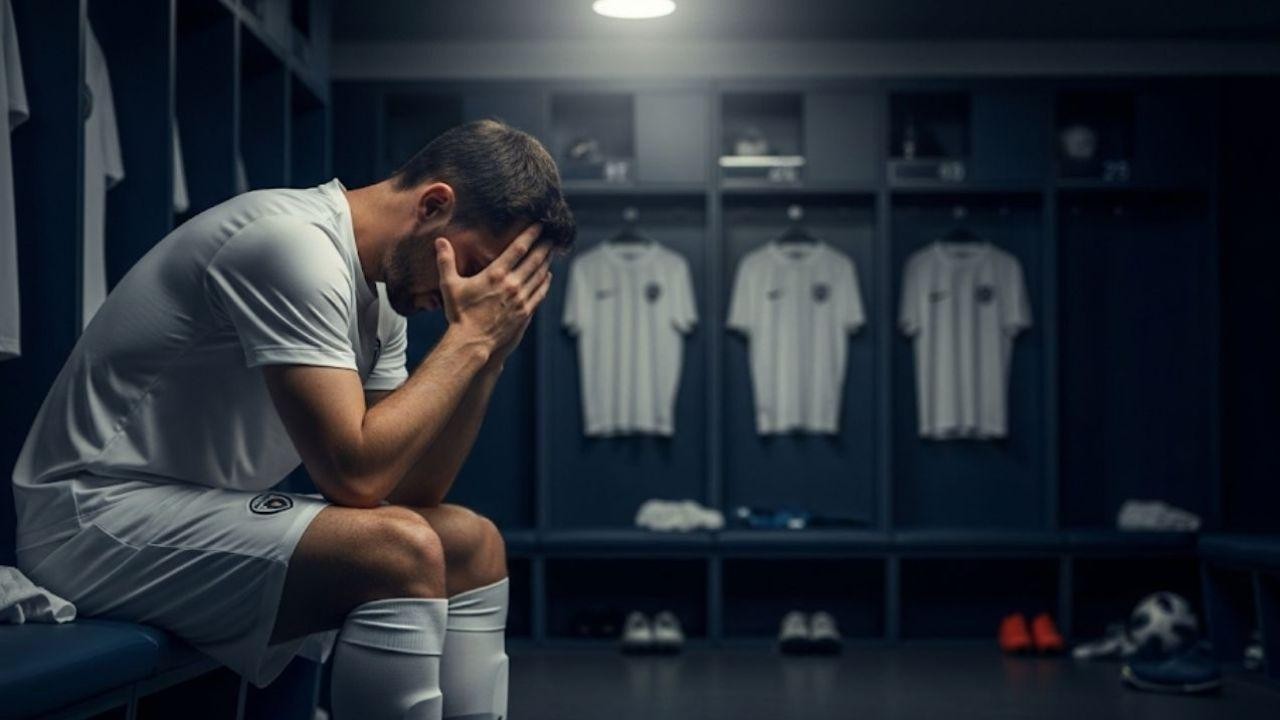
When we see athletes playing on TV or winning medals, they look strong, happy, and full of confidence. They become national heroes, break world records, and make their fans proud. But what we don’t see is the mental and emotional pressure they carry inside. Many athletes go through serious mental health problems, but they often keep it hidden. Now, more and more athletes are talking about these problems — and it’s important that we start paying attention.
Mental health means how we feel inside — our thoughts, emotions, and how we deal with stress. Just like we care about our body when we are sick, we also need to take care of our mind when we feel sad, tired, or worried.
Athletes train very hard. They spend hours practicing every day. They are always under the spotlight. There is pressure from coaches, fans, media, and sponsors. All of this can make athletes feel tired, sad, stressed, or even depressed. They might look strong on the outside, but inside, they may be struggling.
Athletes always feel the need to perform well. They are not just playing for fun — they are playing for their country, club, coach, and millions of fans watching them. This creates a lot of pressure to win.
If they don’t perform well, they may be criticized, lose sponsors, or even lose their place in the team. Many athletes start feeling nervous before matches. This is called performance anxiety, and it can really affect their mental health.
Getting hurt is common in sports. But when an athlete gets injured, they don’t just feel pain in their body — they also feel pain in their mind.
They may start thinking, “Will I play again?”, “Will people forget me?”, or “What if I’m not as good after I recover?” These thoughts can lead to stress, sadness, and even depression. Being away from training and teammates can also make them feel lonely.
In professional sports, losing is a big deal. One bad game can damage an athlete’s career. This fear of failure is always in their mind.
Some athletes start losing sleep. They worry so much that they can’t focus. They feel they must be perfect all the time. This can slowly break their confidence and happiness.
Today, almost everything is shared on social media. Athletes are watched all the time — not just when they play, but also in their personal life.
People comment on how they look, what they wear, and how they play. Bad comments or online bullying can hurt their feelings deeply. Even one mean post or video can cause stress and low self-esteem.
In many places, people still think that mental health is not important. Athletes are told to be strong and not show emotions. If they talk about feeling sad or anxious, some people think they are weak — but that’s not true.
Sadly, many teams and sports organizations do not hire mental health experts or provide support for their players. This means athletes often suffer alone, with no one to help them.
From a young age, athletes spend most of their time training. They often miss school events, parties, or time with family and friends. This hard life can sometimes make them feel tired — not just in the body, but also in the heart and mind.
After years of training and competing, they may lose interest in the sport they once loved. This feeling is called burnout. It’s one of the top reasons why some athletes quit early.
Many world-famous athletes have shared their own mental health struggles, and their honesty has changed the way people think.
Naomi Osaka, a tennis champion, took a break from tournaments to care for her mental health.
Simone Biles, one of the best gymnasts, stepped back from Olympic events to protect her well-being.
Michael Phelps, the swimmer with the most Olympic medals, spoke openly about fighting depression and dark thoughts.
These brave athletes helped break the silence and encouraged others to speak up too.
Mental health is everyone’s responsibility — coaches, fans, families, sports groups, and the media. Here are some important ways we can support athletes:
Sports teams should teach players and staff how to recognize stress, anxiety, and burnout. Knowing the signs can help stop problems early.
Every team should have a psychologist or counselor, just like they have doctors or fitness trainers.
Athletes should feel free to share their feelings. No one should be afraid to say, “I’m not okay.” Talking helps.
Too much training can harm both body and mind. Athletes need enough sleep, time off, and fun to stay balanced.
Fans and media should support athletes even when they don’t win. A kind message can help more than we realize.
Behind every gold medal, there is a story of hard work, sacrifice, pain — and sometimes, silent suffering. Athletes may look strong, but they are also human. They feel scared, tired, and hurt just like anyone else.
The views and opinions expressed in this article are for informational purposes only. DXB News Network is not responsible for any medical or psychological advice. Readers facing mental health issues should consult qualified professionals.

US Stocks Slide as AI Fears, Inflation and Oil Surge Weigh
US stocks dropped as AI disruption fears hit tech firms, inflation rose above forecasts, and oil pri

Pacific Prime Wins Top Honors at Cigna Awards 2026
Pacific Prime secured Top Individual Broker and Top SME Broker awards at Cigna’s Annual Broker Award

QatarEnergy Halts LNG Output After Military Attack
QatarEnergy has stopped LNG production after military attacks hit its facilities in Ras Laffan and M

Strong 6.1 Magnitude Earthquake Hits West Sumatra, No Damage
A 6.1 earthquake struck off West Sumatra, Indonesia. No casualties, damage, or tsunami alert reporte

Saudi Confirms Drone Strike on US Embassy Riyadh
Two drones hit the US Embassy in Riyadh, causing a small fire and minor damage. No injuries were rep

UAE Restarts Limited Flights as Regional Airspace Disruptions Continue
UAE restarts limited flights from Dubai as US-Israel attacks on Iran disrupt regional airspace, forc

Asia Faces Energy Shock After Iran Closes Strait
Iran shuts Strait of Hormuz amid US-Israel strikes, sending oil prices higher and raising serious en


Bank of Baroda Faces Abu Dhabi Legal Battle over NMC Collapse
Bank of Baroda’s involvement in Abu Dhabi litigation tied to the NMC Healthcare collapse raises repu

Top Museum Openings of 2026 Set to Transform Global Tourism
From Los Angeles to Abu Dhabi and Brussels, 2026 brings major museum launches—Lucas Museum, Guggenhe

UAE Tour Highlights UAE’s Strength in Hosting Global Sports Events
Abu Dhabi Sports Council says the successful UAE Tour reflects the UAE’s leading role in hosting maj

EU Seeks Clarity from US After Supreme Court IEEPA Ruling
European Commission urges full transparency from the US on steps after Supreme Court ruling, emphasi

SpaceX Launches 53 New Satellites for Expanding Starlink Network
SpaceX launches 53 Starlink satellites in two Falcon 9 missions, breaking reuse records and expandin

RTA Awards Contract for Phase II of Hessa Street Upgrade in Dubai
Phase II of Hessa Street Development to add bridges, tunnel, and upgraded intersections, doubling ca

UAE Gold Prices Today, Monday 16 February 2026: Dubai & Abu Dhabi Updated Rates
Gold prices in UAE on 16 Feb 2026 updated: 24K around AED 599.75/gm, 22K AED 555.25/gm, and 18K AED

Over 25 Ahmedabad Schools Receive Bomb Threat Email, Authorities Investigate
More than 25 schools in Ahmedabad evacuated after bomb threat emails mentioning Khalistan. Authoriti