Post by : Sam Jeet Rahman
Dubai’s food culture continues to evolve as locals, expats and visitors explore flavours from across the Middle East and beyond. Two rice-based classics have stood out in recent years: mandi and bukhari rice. Both are aromatic, hearty and deeply satisfying, but they come from distinct culinary traditions and appeal to slightly different dining preferences. In 2026, both dishes are widely ordered across casual eateries, specialised restaurants and family-style dinner spots — yet trends show specific contexts where each one is preferred. This guide explains the differences, popularity trends, flavour profiles, dining contexts and where to try each dish in Dubai’s dynamic food scene.
Mandi originates from Yemen and is traditionally cooked in an underground tandoor-like pit. The rice is long-grained and flavoured with spices such as saffron, cardamom and cloves, and the meat (usually lamb or chicken) is slow-cooked until it is tender and infused with smoky aroma. Mandi is associated with communal eating and festive occasions across the Arabian Peninsula.
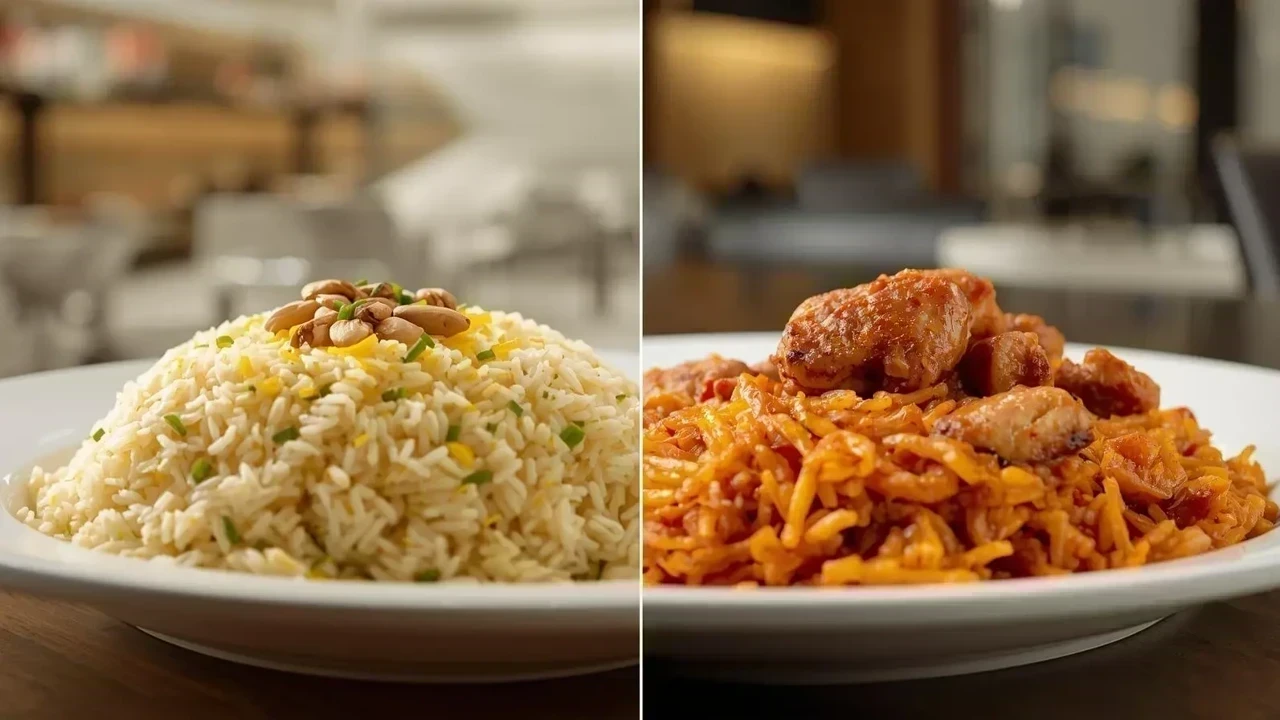
Bukhari rice (often called “Kabsa” or “Bukhari rice” in the Gulf) is associated with Saudi and wider Gulf cuisine. It is characterised by its rich blend of spices, including cinnamon, black lime, bay leaves, and sometimes almonds or raisins. The rice is typically cooked together with the meat (chicken, lamb or beef), giving it a deeply spiced, homogenous flavour.
Texture and Cooking Method —
• Mandi: The rice grains remain separate and fluffy with a slightly smoky undertone due to the traditional cooking method. Meat is often served separately but shares the same spice base.
• Bukhari Rice: The rice is cooked with meat, resulting in a richer, more integrated flavour where rice and protein meld into one aromatic dish.
Spice Profile —
• Mandi: Uses lighter spice combinations and focuses more on smokiness and delicate aroma.
• Bukhari Rice: Uses deeper spice blends with a stronger cardamom/cinnamon presence and sometimes subtle sweetness from dried fruit or toasted nuts.
Accompaniments —
• Mandi: Typically served with tomato salsa or hot sauce, fresh salad and yogurt.
• Bukhari: Served with pickles, salad, and sometimes roasted nuts or dried raisins.
In 2026, both dishes remain highly popular, but their popularity varies by audience and dining context:
Mandi’s Strengths:
• Weekday lunch demand: Quick, fulfilling and lighter spice profile makes it a popular choice for office lunches.
• Delivery & casual dining: Many delivery-friendly kitchens offer mandis that travel well without losing flavour or moisture.
• Regional familiarity: Highly favoured among Yemeni, Omani, Gulf and East African diners who grew up with the dish.
• Family gatherings: The sizable portion and simple accompaniments fit group dining at home or casual restaurants.
Bukhari Rice’s Strengths:
• Weekend dinners: The rich, layered flavours and spiced complexity make it a favourite for leisurely midweek or weekend dinners.
• Celebratory meals: Bukhari rice often appears in family celebrations or shared platters due to its hearty texture and festive feel.
• Taste explorers and foodies: Diners who enjoy bold spice combinations often lean toward bukhari rice in modern Gulf or fusion kitchens.
Order Volume in 2026:
According to local dining trend observations and restaurant feedback across Dubai (2026), mandi maintains a slight edge in overall order volume, especially in the delivery and casual lunch segments. However, bukhari rice leads in premium dining, weekend meals and group orders where diners want a more complex spice result with deeper aromatic richness.
If You Want Quick, Everyday Comfort:
• Popular mandi shops near business districts
• Delivery-wise kitchens with generous portions
• Casual family restaurants outside main tourist zones
If You Want Rich, Festive or Dinner Table Meals:
• Traditional gulf restaurants specialising in bukhari rice or kabsa
• Upscale or themed Arabic dining venues
• Special-occasion family meal spots
Expat Community:
The expat population in Dubai is diverse. Many South Asians, Emiratis and Gulf residents enjoy both dishes, but mandis are often chosen for weekday meals due to their slightly subtler spice and familiarity from cross-cultural presence across East Africa and the Arabian Peninsula.
Local Gulf Diners:
Many Emiratis and Gulf families favour bukhari rice for its richer spice profile, especially when served with grilled or roasted meats. Bukhari rice aligns more with traditional gulf home-style dinners.
Serving Style:
• Mandi: Typically served on a large platter for sharing, meat on top of rice with simple sides.
• Bukhari Rice: Often served with meat chunks mixed into the rice, plus additional garnishes and accompaniments.
Visual Appeal:
• Mandi: Simpler and more rustic presentation with minimal garnishes.
• Bukhari Rice: Deep golden colour with visible spices, nuts and sometimes raisins.
Meal Structure:
• Mandi: Feels lighter and is ideal with a cold beverage or yogurt drink.
• Bukhari Rice: Richer meal that pairs well with pickles, salads and sweeter tea after eating.
Top Picks in 2026:
• Traditional Arabian mandi spots near Deira and Bur Dubai known for charcoal smokiness
• Popular delivery brands offering mandi combos with large portions
• Yemeni-run kitchens that follow classic mandi techniques
Common Order Items:
• Chicken mandi platter
• Lamb mandi with extra gravy
• Mixed mandi for groups
Top Picks in 2026:
• Gulf-style restaurants in Karama, Satwa and Al Qusais with authentic spice blends
• Upscale Arabic venues that present bukhari rice as a signature main course
• Family-style dining restaurants that elevate the dish with grilled meats
Common Order Items:
• Chicken bukhari with roasted vegetables
• Lamb bukhari with toasted nuts
• Bukhari rice with side pickles and salad
Typical Mandi Price Range:
• Chicken mandi: AED 35–55
• Lamb mandi: AED 55–95
• Family platters: AED 120–160
Typical Bukhari Rice Price Range:
• Chicken bukhari: AED 45–70
• Lamb bukhari: AED 70–110
• Mixed meat bukhari: AED 90–140
Prices vary by restaurant category (casual vs premium) and portion size.
Mandi:
• Strong in delivery and take-out
• Quick preparation kitchens popular during lunch hours
• Middle-priced options dominate
Bukhari Rice:
• Strong in dine-in and weekend family meals
• Premium restaurant positioning
• Often ordered with starters or shared platters
With Mandi:
• Tomato salsa or hot sauce
• Fresh salad or pickles
• Yogurt drink (Laban)
• Cold soft drinks
With Bukhari Rice:
• Pickled vegetables
• Raita or yogurt
• Arabic salad
• Traditional tea or Arabic coffee post-meal
Mandi:
• Lighter spice feel suited to lunch
• Familiar to a wide range of cultural groups
• Economical without sacrificing portion size
Bukhari Rice:
• Full-bodied flavour that feels more “festive”
• Preferred for dinners and celebrations
• Rich spice profile appealing to Gulf taste preferences
By 2026, both mandi and bukhari rice remain integral to Dubai’s dining scene, but they serve slightly different roles. Mandi is the everyday comfort choice with strong delivery and casual dining demand, while bukhari rice shines in richer, celebratory or premium dining contexts. Diners increasingly enjoy both based on context rather than sticking to one favorite. The trend reflects Dubai’s multicultural palate, where traditional dishes are being rediscovered and reinvented.
This article is for informational purposes only. Restaurant offerings, prices and trends can change over time. Diners should check current menus and reviews when choosing where to eat.

US Stocks Slide as AI Fears, Inflation and Oil Surge Weigh
US stocks dropped as AI disruption fears hit tech firms, inflation rose above forecasts, and oil pri

Pacific Prime Wins Top Honors at Cigna Awards 2026
Pacific Prime secured Top Individual Broker and Top SME Broker awards at Cigna’s Annual Broker Award

QatarEnergy Halts LNG Output After Military Attack
QatarEnergy has stopped LNG production after military attacks hit its facilities in Ras Laffan and M

Strong 6.1 Magnitude Earthquake Hits West Sumatra, No Damage
A 6.1 earthquake struck off West Sumatra, Indonesia. No casualties, damage, or tsunami alert reporte

Saudi Confirms Drone Strike on US Embassy Riyadh
Two drones hit the US Embassy in Riyadh, causing a small fire and minor damage. No injuries were rep

UAE Restarts Limited Flights as Regional Airspace Disruptions Continue
UAE restarts limited flights from Dubai as US-Israel attacks on Iran disrupt regional airspace, forc

Asia Faces Energy Shock After Iran Closes Strait
Iran shuts Strait of Hormuz amid US-Israel strikes, sending oil prices higher and raising serious en


Bank of Baroda Faces Abu Dhabi Legal Battle over NMC Collapse
Bank of Baroda’s involvement in Abu Dhabi litigation tied to the NMC Healthcare collapse raises repu

Top Museum Openings of 2026 Set to Transform Global Tourism
From Los Angeles to Abu Dhabi and Brussels, 2026 brings major museum launches—Lucas Museum, Guggenhe

UAE Tour Highlights UAE’s Strength in Hosting Global Sports Events
Abu Dhabi Sports Council says the successful UAE Tour reflects the UAE’s leading role in hosting maj

EU Seeks Clarity from US After Supreme Court IEEPA Ruling
European Commission urges full transparency from the US on steps after Supreme Court ruling, emphasi

SpaceX Launches 53 New Satellites for Expanding Starlink Network
SpaceX launches 53 Starlink satellites in two Falcon 9 missions, breaking reuse records and expandin

RTA Awards Contract for Phase II of Hessa Street Upgrade in Dubai
Phase II of Hessa Street Development to add bridges, tunnel, and upgraded intersections, doubling ca

UAE Gold Prices Today, Monday 16 February 2026: Dubai & Abu Dhabi Updated Rates
Gold prices in UAE on 16 Feb 2026 updated: 24K around AED 599.75/gm, 22K AED 555.25/gm, and 18K AED

Over 25 Ahmedabad Schools Receive Bomb Threat Email, Authorities Investigate
More than 25 schools in Ahmedabad evacuated after bomb threat emails mentioning Khalistan. Authoriti





