Post by : Anis Karim
In the last few years, everyday transactions have shifted sharply towards digital methods. From small local vendors to large retail brands, the entire system is steering towards a cashless routine. People now tap cards, scan QR codes or rely on mobile wallets for almost every purchase. While this shift has been gradual, it became firmly rooted after the pandemic pushed consumers and businesses to limit physical contact and adopt convenient digital methods.
However, recent payment disruptions—whether caused by technical outages, server errors, transaction delays or overloaded payment networks—have served as a reminder of something we rarely think about: how deeply daily life now depends on uninterrupted digital payment systems. The simplest activities, such as buying milk in the morning or paying for public transport, can come to an unexpected halt when these systems go down. These disruptions reveal both the strengths and vulnerabilities of an increasingly cashless society.
Most people do not realize how much their routine depends on digital payments until a disruption occurs. Morning coffees, grocery purchases, commuting fees, online deliveries, shared cabs, school payments and workplace canteen bills are all tied to mobile wallets, UPI systems, card terminals and banking apps. Cash has taken a back seat, often considered inconvenient or unsafe.
This shift has been driven by speed and familiarity. People want quick checkouts, easy tracking of expenses and a secure way to avoid carrying physical cash. The simplicity of tapping or scanning created a new normal where digital transactions are not just preferred—they are expected.
But this dependence means disruptions hit harder than ever before.
During the latest payment outages reported across several regions, everyday life stalled for many. Payments failed mid-transaction, QR codes froze, refunds got delayed and bank apps refused to load. For a generation used to instant transactions, this created confusion and impatience.
Some lessons stood out clearly. The first is that digital payments, despite their ease, rely on multiple systems functioning together. When one fails—network providers, bank servers, payment gateways or app infrastructure—transactions collapse immediately. The second lesson is that people rarely carry backup options anymore. The modern wallet is often a phone with a single app. When that app collapses, the entire routine collapses with it.
Yet the disruptions also triggered an important conversation: how much of our life is automated by digital payments, and how prepared are we for sudden interruptions?
It may seem trivial, but a simple payment error can cause more stress than expected. When a person standing in a store queue or boarding a bus finds that their payment is declined due to a system outage, panic sets in. It’s not the cost of the purchase that worries them—it’s the fear of being stuck, embarrassed or left without basic items.
These emotional reactions highlight how digital payments have become an invisible backbone of certainty. People trust them implicitly. When that trust is shaken, even for a short period, the ripple effect touches their sense of stability.
Once, cash was the most reliable form of payment. But today, people rarely keep cash in their pockets. Many households do not withdraw money for weeks. ATMs see lower footfall, and some individuals don’t even remember their ATM PIN anymore.
The convenience of digital systems pushed cash into the background. During disruptions, many regretted this. Those who had a small emergency fund tucked away in wallets or purses managed their day without much trouble. Others found themselves in situations where even buying simple essentials turned into a challenge.
Recent disruptions reminded societies of an important truth: digital payments are efficient, but cash still plays a role in emergencies.
A surprising number of daily routines depend on digital transactions. For example:
When disruptions occurred, each of these routines slowed down or came to a complete stop for many people. This showed how seamlessly woven into daily life digital payments have become.
Many small vendors rely almost completely on digital payments. Street food sellers, tea stalls, vegetable carts and small grocery shops often accept QR payments because they reduce the risk of handling large sums of cash and simplify accounting.
During payment outages, these vendors faced a sudden drop in business. Some customers walked away because they had no cash. Others stood waiting, hoping the app rebooted. Vendors were left feeling helpless, unsure how to manage the rush of customers and stalled payments.
These incidents show that while digital payments have empowered small businesses, they also create vulnerabilities when the system breaks down.
After repeated disruptions, many people are now embracing a more balanced approach: using digital payments for convenience but keeping a small amount of cash for emergencies. This shift from purely cashless living to hybrid behaviour is subtle but significant.
Households began storing small emergency envelopes with a few notes. Commuters started keeping spare change in bags. Even workplaces encouraged employees to carry a backup method. This quiet behavioural change shows how disruptions influenced daily habits without reversing overall digital adoption.
Disruptions also revealed the importance of digital literacy. Many people who rely entirely on payment apps are not aware of alternate methods. For example, switching between multiple payment apps, using offline features or generating codes without internet access are practices not widely known.
With disruptions becoming more common due to high volumes and rapid user growth, digital literacy is turning into an essential daily skill, not a luxury. Families now encourage older members to learn multiple payment methods to avoid being stranded during outages.
Digital payment disruptions showed how many families depend on apps to track spending. When systems went down, people lost access to their transaction history. For households managing tight budgets, even temporary gaps in tracking created confusion.
In a cashless age, budgeting apps and digital expense lists are comfort tools. When these tools freeze, households feel uncertain about their financial standing for that day. This reinforced the importance of maintaining some offline records, especially for essential monthly expenses.
Younger generations are the most comfortable with digital payments. But even they felt the impact of disruptions. Many realised the importance of carrying alternate cards, small cash or enabling multiple payment apps for safety.
For students and interns who live on fixed allowances, an outage could interrupt meals, transport or hostel charges. This forced them to rethink their daily preparedness, even though they prefer cashless living.
At the same time, young people also adapted the fastest. They found workarounds, switched apps, used card options or borrowed temporarily from peers. Their flexibility is shaping how societies transition through these disruptions.
Another challenge exposed by disruptions is device dependence. A payment system is useless if the phone battery dies. Many people were stranded not because of app outages but because their phones shut down when they needed to make a purchase.
This sparked conversations about practical habits such as carrying power banks, reducing background battery usage or storing essential information offline.
In a cashless world, a charged phone is almost as important as a wallet.
Businesses are now preparing better for disruptions. Many shops that once accepted only QR payments now keep one card terminal as backup. Others maintain small amounts of change for emergencies. Some even offer delayed-pay options to regular customers during outages.
This shift shows a maturing ecosystem. Businesses recognise that the cashless journey must include contingencies until systems become more resilient.
Even though disruptions create difficulties, societies will not return to cash-heavy systems. The convenience of digital payments outweighs the occasional inconvenience. People like the simplicity, the speed, the cleanliness and the financial clarity they offer.
Instead of reversing progress, disruptions encourage smarter behaviour. People carry backups, maintain multiple methods and keep small amounts of cash for emergencies. The system evolves with every disruption, becoming more stable as usage grows.
The future of daily life in a cashless era lies in balance. Digital payments are here to stay, and their benefits will only increase with advancements in technology. But the lessons from disruptions remind individuals and businesses that preparedness matters.
A balanced lifestyle means embracing digital systems while understanding that no system is perfect. It means enjoying the convenience of QR payments while keeping a small emergency fund. It means trusting technology but staying ready for occasional glitches.
As societies move deeper into a cashless world, these small habits ensure smoother, more stable daily living.
This article provides general information about lifestyle trends and daily financial habits. It should not be considered financial advice. Readers should use their own discretion and assess their personal needs when choosing payment methods or budgeting strategies.

US Stocks Slide as AI Fears, Inflation and Oil Surge Weigh
US stocks dropped as AI disruption fears hit tech firms, inflation rose above forecasts, and oil pri

Pacific Prime Wins Top Honors at Cigna Awards 2026
Pacific Prime secured Top Individual Broker and Top SME Broker awards at Cigna’s Annual Broker Award

QatarEnergy Halts LNG Output After Military Attack
QatarEnergy has stopped LNG production after military attacks hit its facilities in Ras Laffan and M
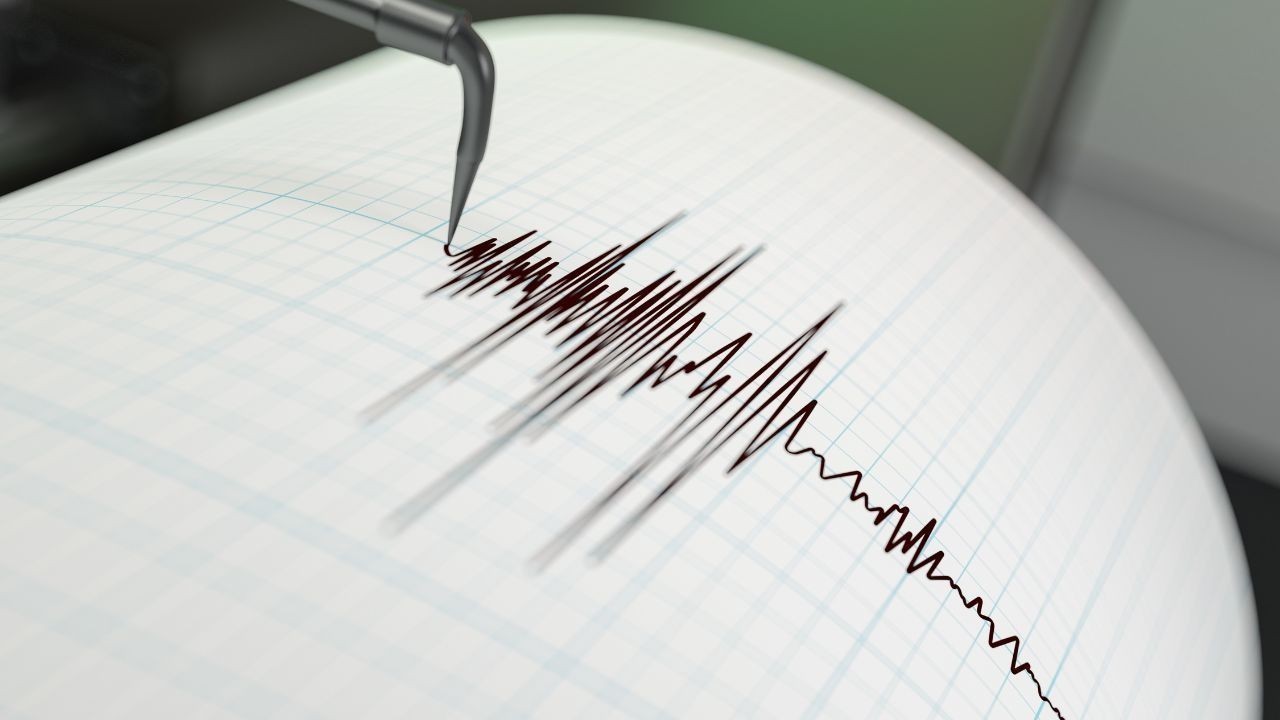
Strong 6.1 Magnitude Earthquake Hits West Sumatra, No Damage
A 6.1 earthquake struck off West Sumatra, Indonesia. No casualties, damage, or tsunami alert reporte

Saudi Confirms Drone Strike on US Embassy Riyadh
Two drones hit the US Embassy in Riyadh, causing a small fire and minor damage. No injuries were rep
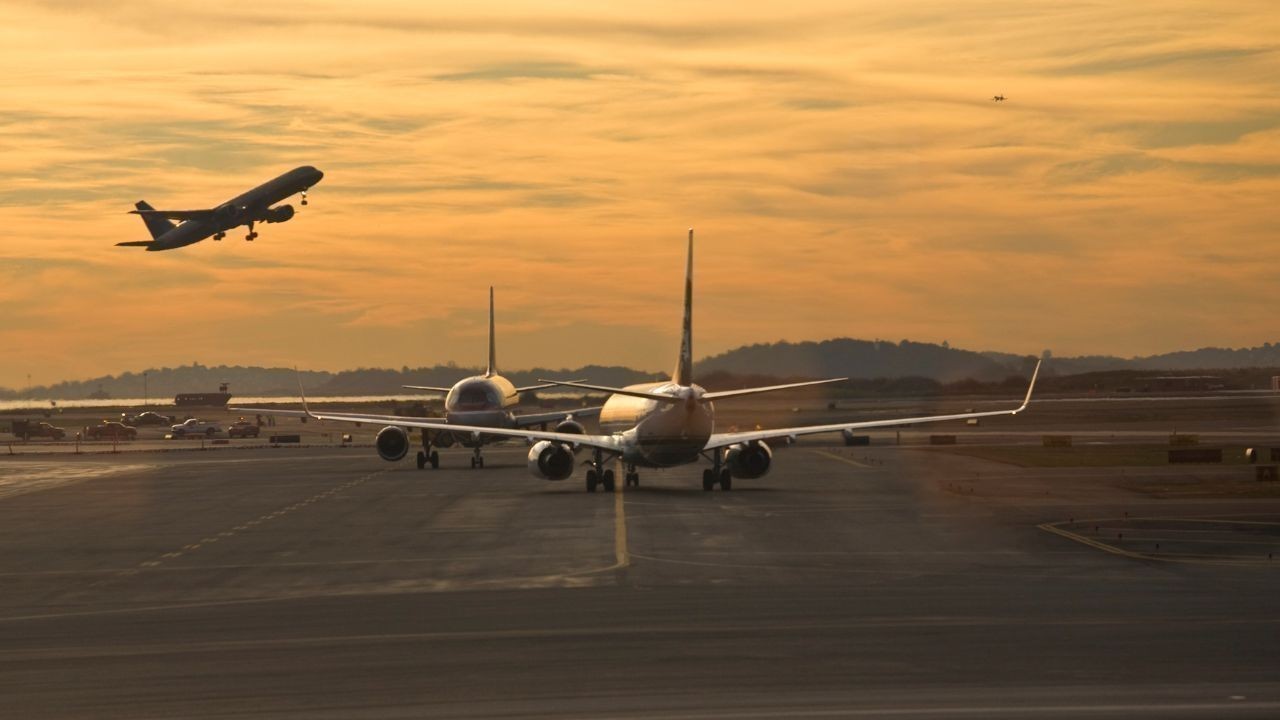
UAE Restarts Limited Flights as Regional Airspace Disruptions Continue
UAE restarts limited flights from Dubai as US-Israel attacks on Iran disrupt regional airspace, forc
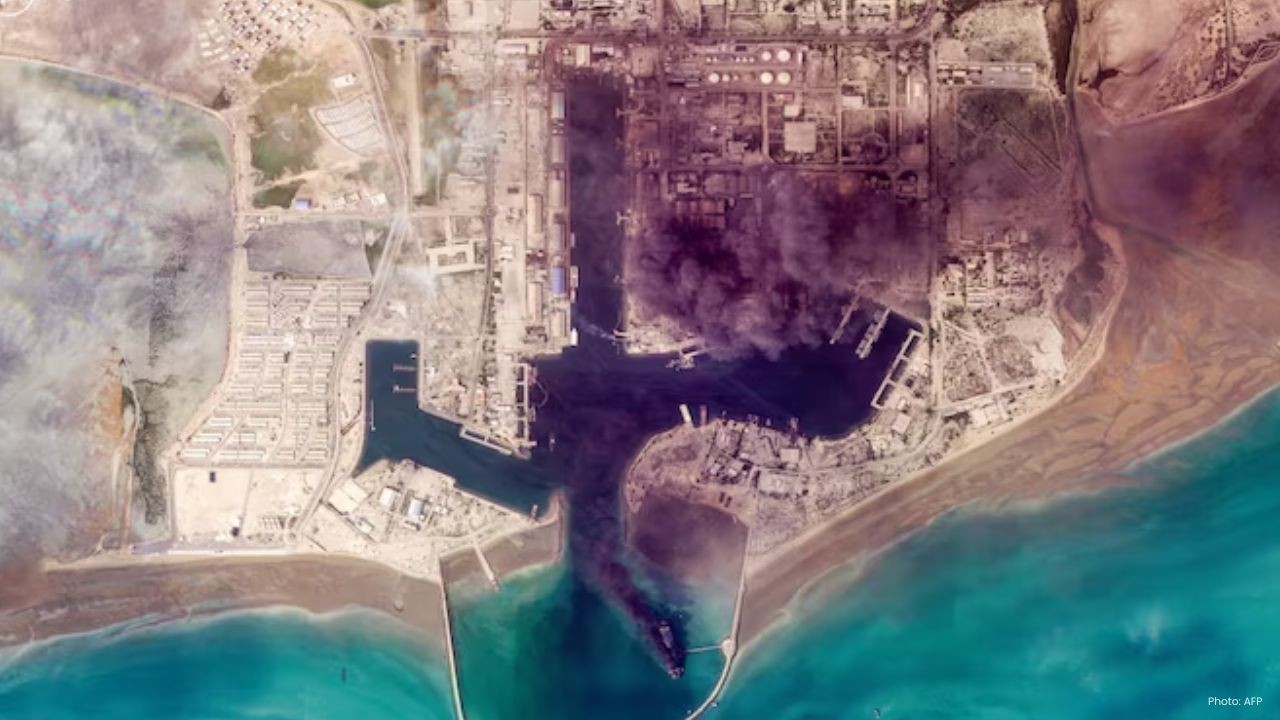
Asia Faces Energy Shock After Iran Closes Strait
Iran shuts Strait of Hormuz amid US-Israel strikes, sending oil prices higher and raising serious en


Bank of Baroda Faces Abu Dhabi Legal Battle over NMC Collapse
Bank of Baroda’s involvement in Abu Dhabi litigation tied to the NMC Healthcare collapse raises repu

Top Museum Openings of 2026 Set to Transform Global Tourism
From Los Angeles to Abu Dhabi and Brussels, 2026 brings major museum launches—Lucas Museum, Guggenhe

UAE Tour Highlights UAE’s Strength in Hosting Global Sports Events
Abu Dhabi Sports Council says the successful UAE Tour reflects the UAE’s leading role in hosting maj

EU Seeks Clarity from US After Supreme Court IEEPA Ruling
European Commission urges full transparency from the US on steps after Supreme Court ruling, emphasi
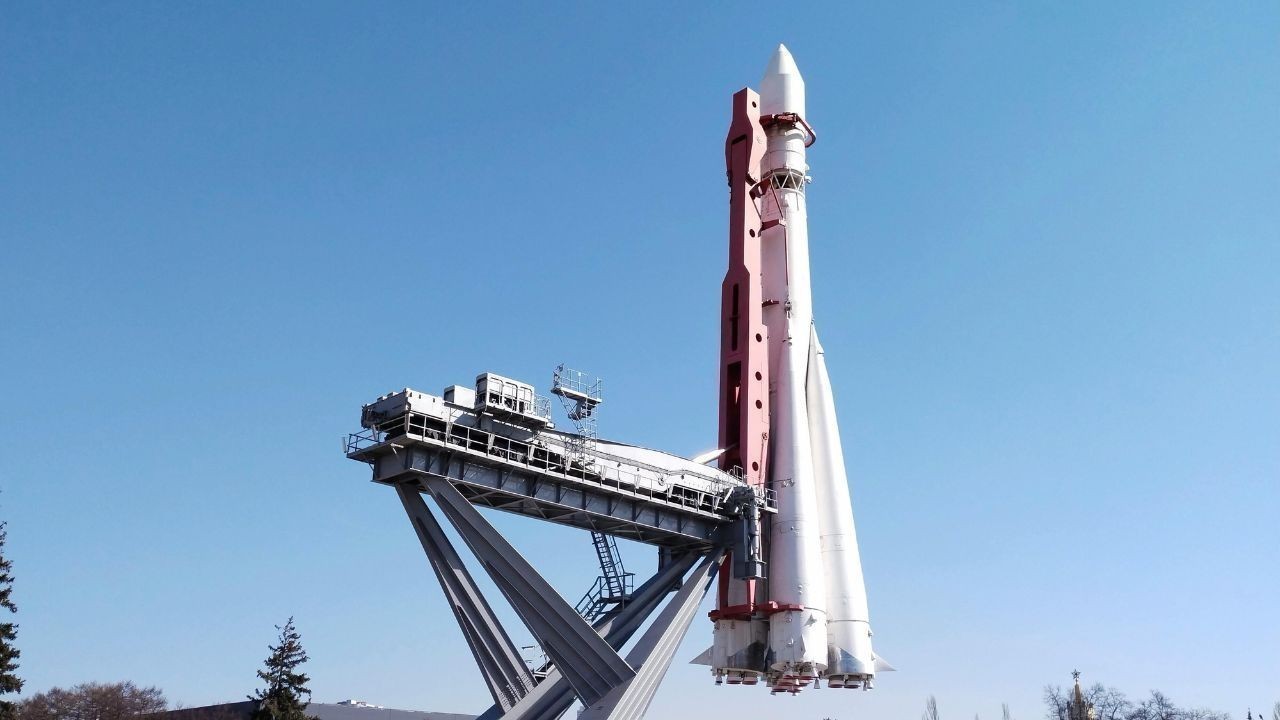
SpaceX Launches 53 New Satellites for Expanding Starlink Network
SpaceX launches 53 Starlink satellites in two Falcon 9 missions, breaking reuse records and expandin

RTA Awards Contract for Phase II of Hessa Street Upgrade in Dubai
Phase II of Hessa Street Development to add bridges, tunnel, and upgraded intersections, doubling ca

UAE Gold Prices Today, Monday 16 February 2026: Dubai & Abu Dhabi Updated Rates
Gold prices in UAE on 16 Feb 2026 updated: 24K around AED 599.75/gm, 22K AED 555.25/gm, and 18K AED

Over 25 Ahmedabad Schools Receive Bomb Threat Email, Authorities Investigate
More than 25 schools in Ahmedabad evacuated after bomb threat emails mentioning Khalistan. Authoriti