Post by : Sam Jeet Rahman
Physical strength is often associated only with exercise, gym routines, or protein intake. However, many people who work out regularly still experience low strength, slow recovery, frequent fatigue, or declining stamina. The reason is simple: physical strength is influenced by several quiet lifestyle factors that operate in the background every day.
In modern life, strength loss rarely happens overnight. It fades gradually due to habits that seem harmless but slowly weaken muscles, nerves, hormones, and recovery systems. Understanding these hidden influences is essential for anyone who wants to maintain long-term physical strength, resilience, and energy.
Most people focus on how many hours they sleep, not how well they sleep.
During deep sleep, the body releases growth hormone, repairs muscle fibers, restores nervous system function, and replenishes energy stores. Poor sleep quality disrupts these processes even if total sleep time seems adequate.
Late-night screen exposure
Irregular sleep schedules
High caffeine intake late in the day
Chronic stress before bedtime
Poor sleep weakens muscle recovery, reduces endurance, and increases injury risk over time.
Stress does not just affect mental health—it directly reduces physical strength.
Elevates cortisol levels
Breaks down muscle tissue
Reduces testosterone and growth hormone
Slows recovery
When the nervous system stays in survival mode, the body prioritizes short-term alertness over strength and muscle repair.
Feeling weaker despite training
Slow recovery after workouts
Tight muscles and frequent soreness
Reduced motivation
Managing stress is not optional for strength—it is foundational.
Many people consume protein, but not in a way that supports muscle strength.
Eating most protein in one meal while neglecting other meals limits muscle protein synthesis.
Muscles need regular amino acid supply throughout the day. Skipping protein at breakfast or lunch slows muscle repair and strength development.
Balanced intake across meals supports consistent strength gains.
One hour of exercise cannot undo 10–12 hours of sitting.
Weakens postural muscles
Reduces blood circulation
Stiffens joints and connective tissue
Decreases neuromuscular activation
Strength depends on how often muscles are used, not just how intensely.
Standing breaks, walking, stretching, and mobility work quietly preserve strength and joint health.
Macronutrients get attention, but micronutrients often get ignored.
Magnesium for muscle contraction
Iron for oxygen delivery
Vitamin D for muscle function
Zinc for hormone support
Even mild deficiencies reduce power output, endurance, and recovery capacity.
Dehydration affects strength faster than most people realize.
Decreases muscle contraction efficiency
Reduces blood volume
Increases fatigue
Raises injury risk
Many people mistake dehydration-related weakness for poor fitness.
Screen habits influence posture, movement, and nervous system balance.
Forward head posture strains neck and shoulders
Reduced movement lowers muscle activation
Blue light disrupts sleep recovery
Mental fatigue reduces physical output
Strength is not just muscular—it is neurological.
Posture determines how efficiently muscles generate force.
Misalignment causes some muscles to overwork while others weaken. This leads to:
Reduced strength output
Higher injury risk
Joint discomfort
Correct posture improves strength without adding muscle mass.
More training does not always mean more strength.
Muscles grow stronger during rest, not during workouts. Without adequate recovery:
Muscles remain in breakdown state
Nervous system fatigue accumulates
Strength plateaus or declines
Rest days are part of training, not a break from it.
Alcohol impacts strength in subtle but powerful ways.
Reduces protein synthesis
Disrupts sleep quality
Dehydrates the body
Increases inflammation
Even moderate, frequent drinking can slow strength gains significantly.
Hormones regulate strength, energy, and muscle repair.
Chronic calorie restriction
Poor sleep
High stress
Inconsistent routines
Low testosterone, thyroid imbalance, or cortisol dominance all reduce strength over time.
Strength depends on consistent fuel.
Long gaps between meals increase muscle breakdown and reduce training quality. Regular meals stabilize energy, hormones, and muscle repair.
Mental exhaustion reduces physical output.
Strength requires strong neural signals. Mental overload weakens coordination, reaction time, and force generation.
Reducing unnecessary decisions and digital noise supports physical strength indirectly.
Small habits compound over time.
One poor night of sleep weakens tomorrow
One missed meal reduces recovery
One sedentary day stiffens the body
Strength is built through consistency, not extremes.
Sleep at the same time daily, reduce screens at night, and protect deep sleep.
Breathing exercises, walks, boundaries, and downtime reduce cortisol impact.
Include protein, complex carbs, and healthy fats in every meal.
Break long sitting periods with movement.
Schedule rest days and lighter training phases.
Strength is not only about muscles—it is about how your entire lifestyle supports your body’s ability to perform, recover, and adapt. Many people lose strength not because they stop training, but because daily habits quietly work against them.
If strength feels harder to maintain despite effort, the issue is rarely motivation. It is usually lifestyle alignment. Fixing sleep, stress, nutrition, movement, and recovery often restores strength without drastic changes.
Strong bodies are built quietly, every day.
This article is intended for general informational and educational purposes only and should not be considered medical or fitness advice. Physical strength, health conditions, and recovery needs vary between individuals. Readers should consult qualified healthcare or fitness professionals before making significant lifestyle or training changes.

US Stocks Slide as AI Fears, Inflation and Oil Surge Weigh
US stocks dropped as AI disruption fears hit tech firms, inflation rose above forecasts, and oil pri

Pacific Prime Wins Top Honors at Cigna Awards 2026
Pacific Prime secured Top Individual Broker and Top SME Broker awards at Cigna’s Annual Broker Award
QatarEnergy Halts LNG Output After Military Attack
QatarEnergy has stopped LNG production after military attacks hit its facilities in Ras Laffan and M
Strong 6.1 Magnitude Earthquake Hits West Sumatra, No Damage
A 6.1 earthquake struck off West Sumatra, Indonesia. No casualties, damage, or tsunami alert reporte

Saudi Confirms Drone Strike on US Embassy Riyadh
Two drones hit the US Embassy in Riyadh, causing a small fire and minor damage. No injuries were rep
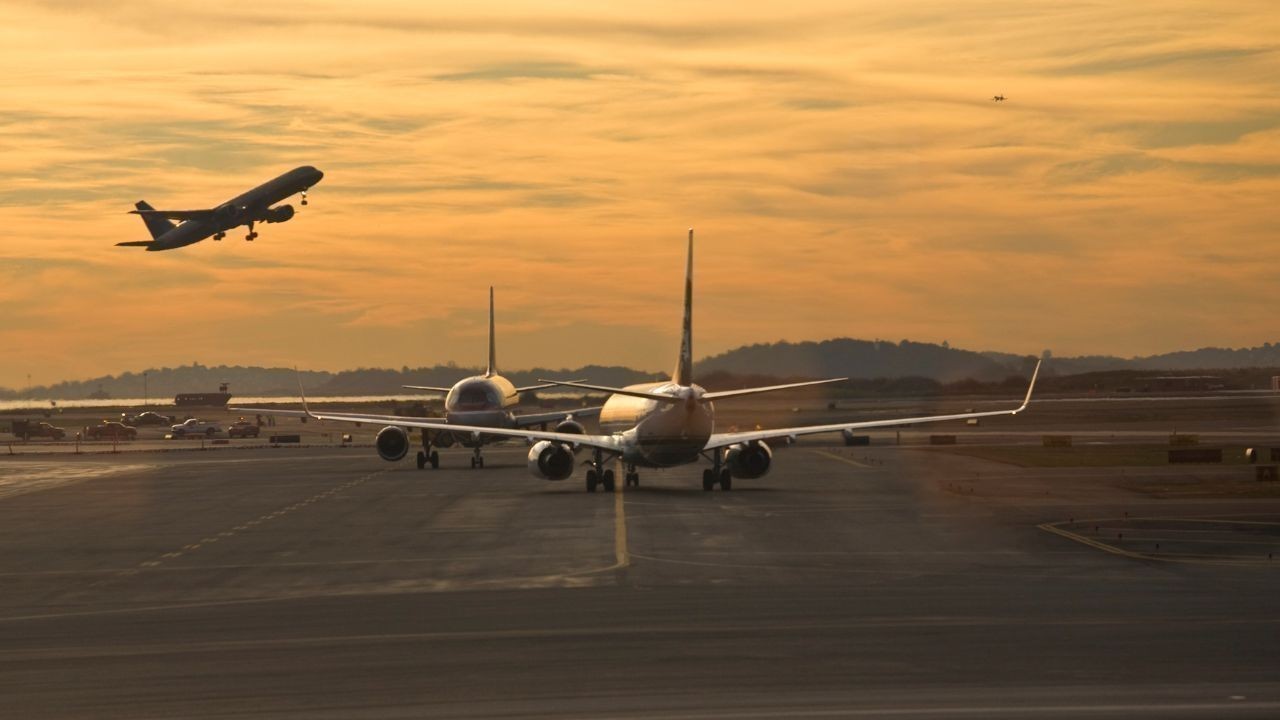
UAE Restarts Limited Flights as Regional Airspace Disruptions Continue
UAE restarts limited flights from Dubai as US-Israel attacks on Iran disrupt regional airspace, forc
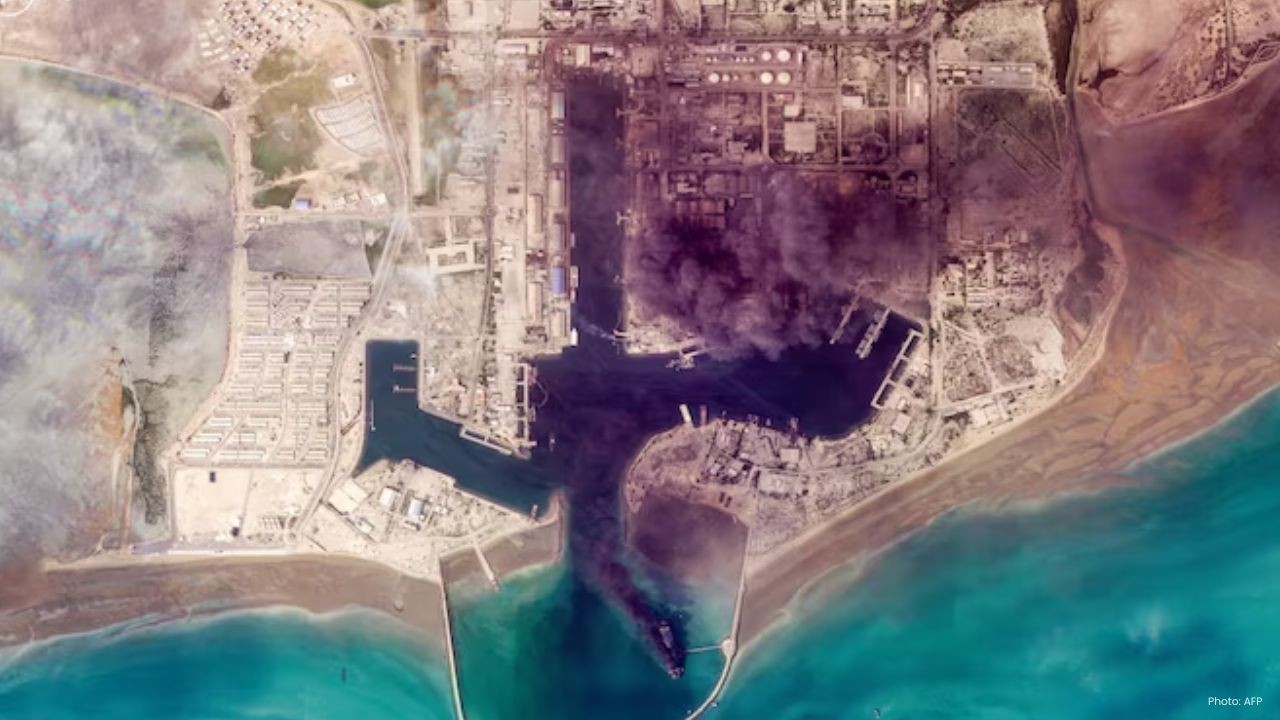
Asia Faces Energy Shock After Iran Closes Strait
Iran shuts Strait of Hormuz amid US-Israel strikes, sending oil prices higher and raising serious en


Bank of Baroda Faces Abu Dhabi Legal Battle over NMC Collapse
Bank of Baroda’s involvement in Abu Dhabi litigation tied to the NMC Healthcare collapse raises repu

Top Museum Openings of 2026 Set to Transform Global Tourism
From Los Angeles to Abu Dhabi and Brussels, 2026 brings major museum launches—Lucas Museum, Guggenhe

UAE Tour Highlights UAE’s Strength in Hosting Global Sports Events
Abu Dhabi Sports Council says the successful UAE Tour reflects the UAE’s leading role in hosting maj

EU Seeks Clarity from US After Supreme Court IEEPA Ruling
European Commission urges full transparency from the US on steps after Supreme Court ruling, emphasi

SpaceX Launches 53 New Satellites for Expanding Starlink Network
SpaceX launches 53 Starlink satellites in two Falcon 9 missions, breaking reuse records and expandin

RTA Awards Contract for Phase II of Hessa Street Upgrade in Dubai
Phase II of Hessa Street Development to add bridges, tunnel, and upgraded intersections, doubling ca

UAE Gold Prices Today, Monday 16 February 2026: Dubai & Abu Dhabi Updated Rates
Gold prices in UAE on 16 Feb 2026 updated: 24K around AED 599.75/gm, 22K AED 555.25/gm, and 18K AED

Over 25 Ahmedabad Schools Receive Bomb Threat Email, Authorities Investigate
More than 25 schools in Ahmedabad evacuated after bomb threat emails mentioning Khalistan. Authoriti