Post by : Sam Jeet Rahman
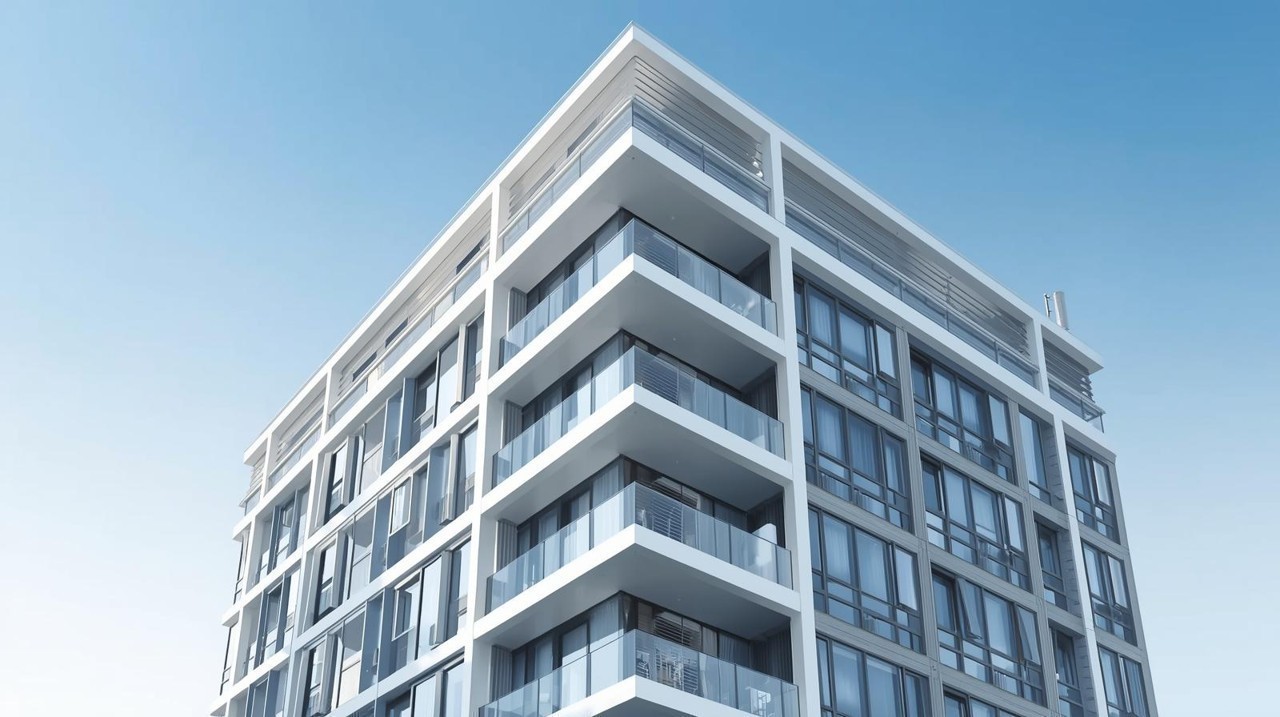
Home prices have remained high for several years now, and for many buyers, the big question is no longer when prices will fall, but whether buying property still makes sense at all. With rising interest rates, increasing construction costs, and affordability concerns, buyers are caught between fear of overpaying and fear of missing out.
This article takes a clear, practical, and realistic look at whether buying property is still worth it when prices feel stretched, helping you make a decision based on facts, long-term value, and personal readiness rather than market noise.
Understanding why prices remain elevated helps remove emotional decision-making.
Urban population growth, nuclear families, and migration to cities continue to push demand upward, while land availability remains limited.
Developers face higher costs for raw materials, labor, approvals, and regulatory compliance, which are directly passed on to buyers.
Housing is not a luxury—it is a necessity. Even during slow markets, demand does not disappear; it only pauses.
Many investors today are financially stronger and less likely to sell under pressure, preventing sharp price drops.
These factors explain why waiting for a major price crash often doesn’t work.
Many buyers assume waiting automatically saves money, but that is not always true.
Rent often rises alongside property prices. Years of rent payments build no ownership or asset value.
As prices increase, required down payments rise, and loan eligibility may shrink with age or income changes.
Waiting to buy often means postponing stability, customization, and long-term planning.
Time lost in ownership is time lost in asset appreciation and loan principal reduction.
Waiting has a cost, even if it feels safer.
Buying property can still be a smart decision under the right conditions.
Property delivers maximum value when held for 7–10 years or more, allowing price cycles to smooth out.
If EMI is similar to rent, buying converts an expense into an asset-building activity.
Stable income, emergency savings, and manageable debt make ownership safer.
End-user buyers benefit from lifestyle stability, not short-term market timing.
In these cases, high prices matter less than long-term usability.
Buying is not always the correct answer.
If you may relocate within 3–5 years, transaction costs may outweigh benefits.
If EMIs stretch beyond comfort, financial stress can outweigh ownership benefits.
Buying without a financial buffer increases risk during job loss or health issues.
If you expect quick appreciation, current markets may disappoint.
The right decision depends on readiness, not market headlines.
Renting offers flexibility and lower upfront costs. Buying offers forced savings through EMIs and long-term asset creation.
Ownership provides stability, freedom to customize, and psychological security.
Over time, rents rise with inflation, while EMIs may remain stable if locked at fixed or manageable rates.
Renting never builds equity. Buying slowly converts payments into ownership.
The decision is less about math alone and more about life stage and goals.
Interest rates significantly affect affordability.
Higher rates increase EMI and total interest paid over time.
Interest rates move in cycles. Buyers who purchase now may refinance later when rates fall.
Lower prices with high rates can be better than high prices with low rates, depending on negotiation and loan terms.
Rates should be considered, but not feared blindly.
Avoid locations driven purely by marketing buzz. Look for infrastructure, connectivity, and livability.
High prices do not eliminate negotiation. Many sellers are flexible on payment plans, upgrades, or add-ons.
Smaller, well-planned homes often deliver better affordability and resale value.
Keep EMIs within a comfortable percentage of income to protect lifestyle balance.
Account for registration, maintenance, interiors, and long-term upkeep.
Smart buying reduces risk even when prices are high.
Property is not a quick-return asset.
While short-term growth may slow, long-term urban property values tend to rise with population and income growth.
Well-located properties provide steady rental cash flow.
Property values and rents often rise with inflation, protecting purchasing power.
Homeownership delivers stability beyond financial metrics.
This makes property a wealth stabilizer, not a speculative tool.
Buying out of panic leads to poor choices.
Waiting endlessly for the “perfect time” often results in inaction.
Past prices are irrelevant to current financial realities.
Your situation matters more than market timing.
Clarity beats emotion.
Instead of asking “Are prices too high?”, ask:
Can I afford this comfortably?
Will this home support my life for the next decade?
Am I financially prepared for ownership responsibilities?
Does this purchase align with my long-term goals?
These questions lead to better decisions than market predictions.
Buying property when prices are high is not automatically a mistake—and avoiding property forever is not a strategy either. The value of property lies in time, usage, stability, and disciplined ownership, not short-term price movements.
For the right buyer, with the right planning, property ownership still makes sense—even in expensive markets.
This article is for informational and educational purposes only and does not constitute real estate, financial, or legal advice. Property decisions depend on individual financial circumstances, market conditions, and personal goals. Readers are advised to consult qualified professionals before making any property purchase decisions.

US Stocks Slide as AI Fears, Inflation and Oil Surge Weigh
US stocks dropped as AI disruption fears hit tech firms, inflation rose above forecasts, and oil pri

Pacific Prime Wins Top Honors at Cigna Awards 2026
Pacific Prime secured Top Individual Broker and Top SME Broker awards at Cigna’s Annual Broker Award

QatarEnergy Halts LNG Output After Military Attack
QatarEnergy has stopped LNG production after military attacks hit its facilities in Ras Laffan and M
Strong 6.1 Magnitude Earthquake Hits West Sumatra, No Damage
A 6.1 earthquake struck off West Sumatra, Indonesia. No casualties, damage, or tsunami alert reporte

Saudi Confirms Drone Strike on US Embassy Riyadh
Two drones hit the US Embassy in Riyadh, causing a small fire and minor damage. No injuries were rep

UAE Restarts Limited Flights as Regional Airspace Disruptions Continue
UAE restarts limited flights from Dubai as US-Israel attacks on Iran disrupt regional airspace, forc
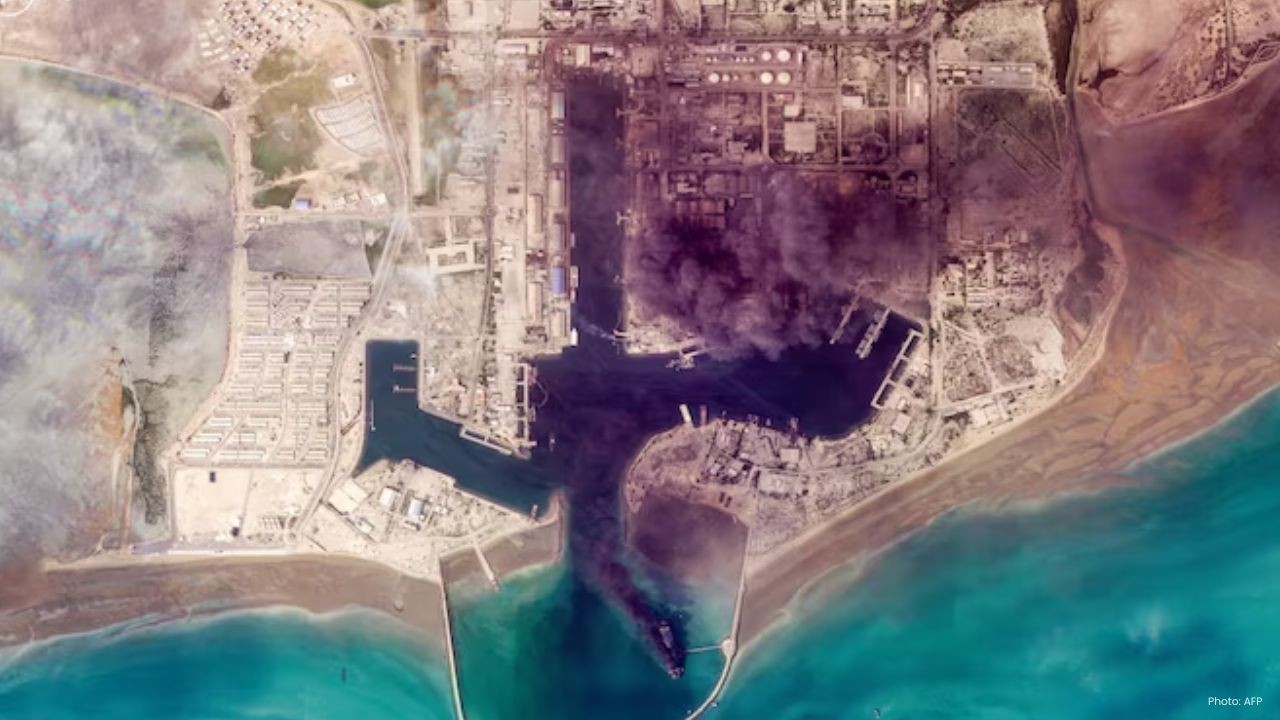
Asia Faces Energy Shock After Iran Closes Strait
Iran shuts Strait of Hormuz amid US-Israel strikes, sending oil prices higher and raising serious en


Bank of Baroda Faces Abu Dhabi Legal Battle over NMC Collapse
Bank of Baroda’s involvement in Abu Dhabi litigation tied to the NMC Healthcare collapse raises repu

Top Museum Openings of 2026 Set to Transform Global Tourism
From Los Angeles to Abu Dhabi and Brussels, 2026 brings major museum launches—Lucas Museum, Guggenhe

UAE Tour Highlights UAE’s Strength in Hosting Global Sports Events
Abu Dhabi Sports Council says the successful UAE Tour reflects the UAE’s leading role in hosting maj

EU Seeks Clarity from US After Supreme Court IEEPA Ruling
European Commission urges full transparency from the US on steps after Supreme Court ruling, emphasi
SpaceX Launches 53 New Satellites for Expanding Starlink Network
SpaceX launches 53 Starlink satellites in two Falcon 9 missions, breaking reuse records and expandin
RTA Awards Contract for Phase II of Hessa Street Upgrade in Dubai
Phase II of Hessa Street Development to add bridges, tunnel, and upgraded intersections, doubling ca

UAE Gold Prices Today, Monday 16 February 2026: Dubai & Abu Dhabi Updated Rates
Gold prices in UAE on 16 Feb 2026 updated: 24K around AED 599.75/gm, 22K AED 555.25/gm, and 18K AED
Over 25 Ahmedabad Schools Receive Bomb Threat Email, Authorities Investigate
More than 25 schools in Ahmedabad evacuated after bomb threat emails mentioning Khalistan. Authoriti