Post by : Sam Jeet Rahman
Bali has long been one of the world’s most loved travel destinations. Known for its beaches, temples, rice terraces, wellness retreats, and affordable luxury, the island attracted millions of tourists every year before global travel disruptions. As travel has fully reopened, a common question dominates travel forums and search engines: Is Bali still worth visiting, or has it become too overcrowded now?
The answer is not a simple yes or no. Bali today offers two very different experiences at the same time. Some parts feel undeniably overcrowded, while others remain peaceful, authentic, and deeply rewarding. Whether Bali is worth visiting in 2026 depends on where you go, how you travel, and what kind of experience you expect.
This guide breaks down the reality of tourism in Bali today, explains where overcrowding is a real issue, highlights lesser-known areas that still feel untouched, and helps you decide if Bali aligns with your travel goals.
Tourism in Bali has rebounded strongly, and in some areas it feels more intense than before.
The biggest reason Bali feels overcrowded is not the number of visitors alone, but where those visitors go. Most tourists stay in:
Canggu
Seminyak
Kuta
Ubud central areas
These locations occupy a relatively small portion of the island, leading to traffic congestion, packed cafes, long queues at attractions, and crowded beaches.
Instagram, TikTok, and YouTube have heavily influenced travel patterns. Viral cafés, beach clubs, swings, waterfalls, and viewpoints attract massive crowds at specific hours. Many visitors follow identical itineraries, creating crowding at the same places, at the same time.
Bali is no longer just a short holiday destination. It has become a base for:
Remote workers
Entrepreneurs
Content creators
Wellness seekers
This has increased long-term population pressure in popular areas, especially Canggu and Ubud.
Road infrastructure in many tourist zones has not expanded at the same pace as tourism growth. Narrow roads, limited public transport, and reliance on scooters contribute to traffic jams that amplify the feeling of overcrowding.
Being realistic is important. Some parts of Bali are crowded most of the year, especially during peak seasons.
Once a laid-back surf village, Canggu is now one of Bali’s busiest zones.
Heavy traffic throughout the day
Crowded cafes and co-working spaces
Noisy nightlife
Rising prices
Canggu appeals to young travelers and digital nomads but can feel overwhelming if you seek calm.
These areas are highly commercialized.
Packed beaches
Tourist-heavy shopping streets
Loud nightlife
Less local character
They work well for first-time visitors wanting convenience but often disappoint those looking for authenticity.
Ubud’s cultural heart remains beautiful, but the central streets experience:
Large tour groups
Congested footpaths
Busy cafés
Crowded temples during peak hours
However, this changes dramatically just a few kilometers outside the center.
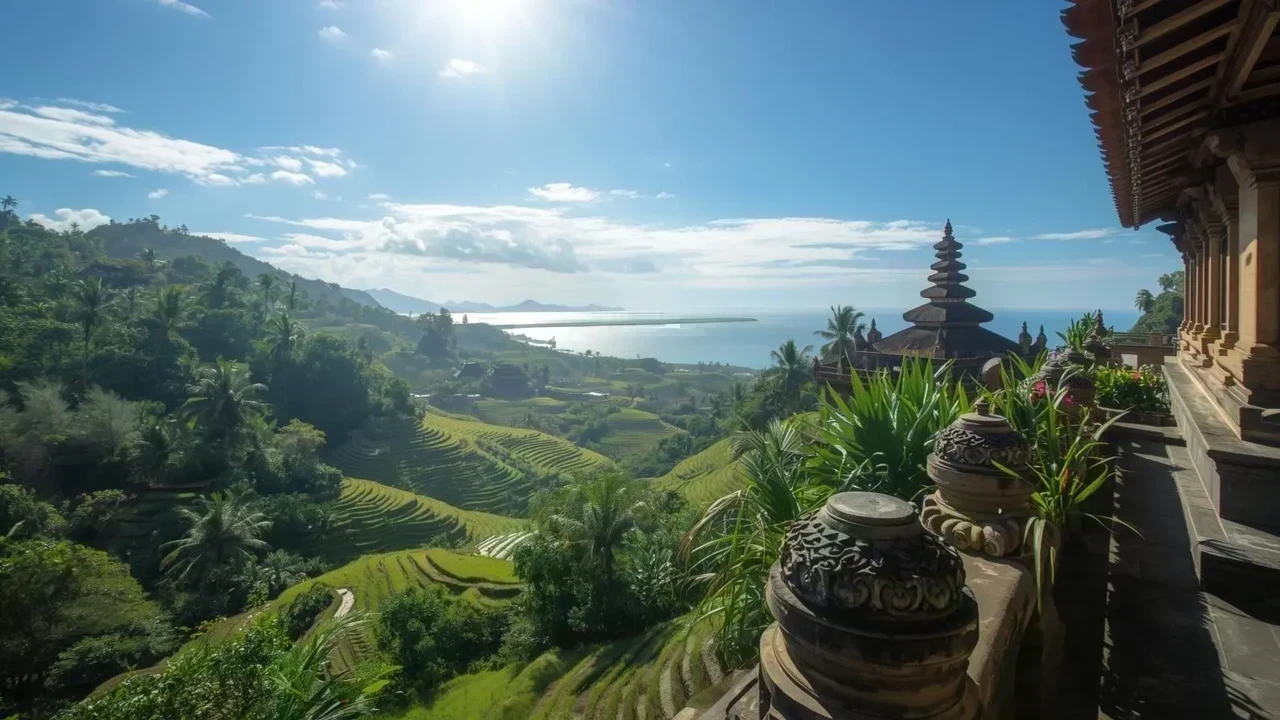
Despite overcrowding in some zones, a large part of Bali remains calm, scenic, and culturally rich.
East Bali offers a completely different atmosphere.
Fewer tourists
Traditional villages
Mount Agung views
Quiet beaches
Areas like Sidemen feel peaceful, green, and deeply authentic, ideal for slow travel.
North Bali remains one of the island’s least visited regions.
Cooler climate
Black sand beaches
Waterfalls
Minimal nightlife
Places around Lovina and Munduk are perfect for travelers seeking nature and tranquility.
West Bali National Park and surrounding areas are largely untouched.
Protected forests
Snorkeling and wildlife
Low tourist density
This region appeals to adventure lovers and eco-conscious travelers.
While Uluwatu is popular, areas slightly away from the main cliffs still offer quiet stays if you avoid peak sunset hours.
Authenticity in Bali has changed, not disappeared.
Despite tourism growth, Balinese culture remains deeply rooted.
Daily offerings
Temple ceremonies
Community festivals
Traditional dance and rituals
These are not staged performances; they are part of daily life across the island.
Step away from main roads and you’ll find:
Family-run warungs
Rice farmers
Village temples
Traditional markets
Authenticity is still present—it just requires effort to find.
When you visit Bali matters as much as where you go.
Peak months bring:
Higher prices
Crowded attractions
Fully booked accommodations
This can reduce enjoyment if you prefer relaxed travel.
Traveling during quieter months offers:
Fewer crowds
Better deals
More personal interactions
Calmer atmosphere
Weather may vary slightly, but experiences often improve.
Bali’s affordability depends on travel style.
Local food remains inexpensive
Guesthouses and homestays are affordable
Scooter rentals are cheap
Smart planning keeps costs low.
High-end villas, beach clubs, and wellness retreats have become more expensive due to global demand. Bali is no longer “cheap luxury” everywhere, but value still exists compared to Western destinations.
Overcrowding has raised concerns about sustainability.
Waste management issues
Water shortages in tourist-heavy zones
Beach pollution in some areas
These issues are real, but solutions are gradually being implemented.
Travelers who:
Support local businesses
Reduce plastic use
Respect cultural norms
Avoid exploitative attractions
Help preserve Bali’s future.
Bali remains an excellent destination if you:
Enjoy cultural exploration
Love nature and landscapes
Are open to traveling beyond hotspots
Prefer slow, intentional travel
Want a balance of comfort and adventure
For these travelers, Bali continues to offer exceptional experiences.
Bali may not meet expectations if you:
Want empty beaches everywhere
Dislike traffic completely
Follow viral itineraries only
Expect untouched paradise without effort
Understanding this helps avoid disappointment.
Stay outside major hubs and travel into popular areas selectively.
Popular attractions are far calmer early mornings.
Spontaneous exploration leads to quieter discoveries.
Slow travel reduces stress and improves experience quality.
Bali is no longer a hidden paradise—but it was never meant to be static. It has evolved into a complex destination where overcrowding and serenity exist side by side. Travelers who approach Bali thoughtfully, avoid social-media-driven travel patterns, and explore beyond obvious zones still find the island deeply rewarding.
Bali is worth visiting if you understand what it is today—not what it was ten years ago.
Bali is worth visiting for travelers who adapt their expectations and travel style. It is not the same Bali of the past, but it remains culturally rich, visually stunning, and emotionally fulfilling when experienced mindfully.
The island rewards curiosity, patience, and respect.
This article is for informational purposes only and reflects general travel observations and trends. Travel conditions, crowd levels, costs, and local regulations may change over time. Individual experiences may vary based on travel dates, locations visited, and personal preferences. Travelers should research current guidelines and plan responsibly before visiting.

US Stocks Slide as AI Fears, Inflation and Oil Surge Weigh
US stocks dropped as AI disruption fears hit tech firms, inflation rose above forecasts, and oil pri

Pacific Prime Wins Top Honors at Cigna Awards 2026
Pacific Prime secured Top Individual Broker and Top SME Broker awards at Cigna’s Annual Broker Award

QatarEnergy Halts LNG Output After Military Attack
QatarEnergy has stopped LNG production after military attacks hit its facilities in Ras Laffan and M

Strong 6.1 Magnitude Earthquake Hits West Sumatra, No Damage
A 6.1 earthquake struck off West Sumatra, Indonesia. No casualties, damage, or tsunami alert reporte

Saudi Confirms Drone Strike on US Embassy Riyadh
Two drones hit the US Embassy in Riyadh, causing a small fire and minor damage. No injuries were rep

UAE Restarts Limited Flights as Regional Airspace Disruptions Continue
UAE restarts limited flights from Dubai as US-Israel attacks on Iran disrupt regional airspace, forc

Asia Faces Energy Shock After Iran Closes Strait
Iran shuts Strait of Hormuz amid US-Israel strikes, sending oil prices higher and raising serious en


Bank of Baroda Faces Abu Dhabi Legal Battle over NMC Collapse
Bank of Baroda’s involvement in Abu Dhabi litigation tied to the NMC Healthcare collapse raises repu

Top Museum Openings of 2026 Set to Transform Global Tourism
From Los Angeles to Abu Dhabi and Brussels, 2026 brings major museum launches—Lucas Museum, Guggenhe

UAE Tour Highlights UAE’s Strength in Hosting Global Sports Events
Abu Dhabi Sports Council says the successful UAE Tour reflects the UAE’s leading role in hosting maj

EU Seeks Clarity from US After Supreme Court IEEPA Ruling
European Commission urges full transparency from the US on steps after Supreme Court ruling, emphasi

SpaceX Launches 53 New Satellites for Expanding Starlink Network
SpaceX launches 53 Starlink satellites in two Falcon 9 missions, breaking reuse records and expandin

RTA Awards Contract for Phase II of Hessa Street Upgrade in Dubai
Phase II of Hessa Street Development to add bridges, tunnel, and upgraded intersections, doubling ca

UAE Gold Prices Today, Monday 16 February 2026: Dubai & Abu Dhabi Updated Rates
Gold prices in UAE on 16 Feb 2026 updated: 24K around AED 599.75/gm, 22K AED 555.25/gm, and 18K AED

Over 25 Ahmedabad Schools Receive Bomb Threat Email, Authorities Investigate
More than 25 schools in Ahmedabad evacuated after bomb threat emails mentioning Khalistan. Authoriti





