Post by : Anis Karim
Electric vehicles have transformed from niche options to mainstream mobility solutions over the past decade. Projections for 2026 indicate that global EV adoption is on track to hit crucial benchmarks, thanks to advancing technology, decreasing battery prices, robust infrastructure, and increasing fuel costs. Nations are continuously striving for greener mobility, encouraging consumers to view EVs as viable daily transportation rather than mere futuristic ideas.
However, a pivotal question lingers for potential buyers: Is 2026 the perfect time to invest in an EV?
Today's decision-making process is more intricate than it was a few years ago. Buyers must consider initial costs, charging ease, ongoing costs, maintenance, governmental incentives, environmental influence, and long-term resale value. This article presents a thorough, clear-cut examination to determine if 2026 provides the right climate for shifting to electric mobility.
By 2026, EV technology is expected to reach a level of maturity that makes ownership significantly more practical than in previous years. Key improvements include:
Higher battery efficiency
Enhanced energy efficiency
Improved thermal management
Faster DC charging options
Extended driving range
More resilient battery designs
This progress means EVs now demand fewer trade-offs, delivering reliability and comfort comparable to gasoline-powered vehicles.
The battery packs make up the largest share of EV production costs. Innovations in manufacturing and chemical composition have drastically lowered battery expenses. By 2026, EVs are predicted to achieve even closer cost parity with conventional vehicles, particularly in compact and mid-sized segments.
Benefits to consumers include:
Lower initial costs
Decreased risks related to replacement costs
Enhanced financing options
A broader variety of models across different price ranges
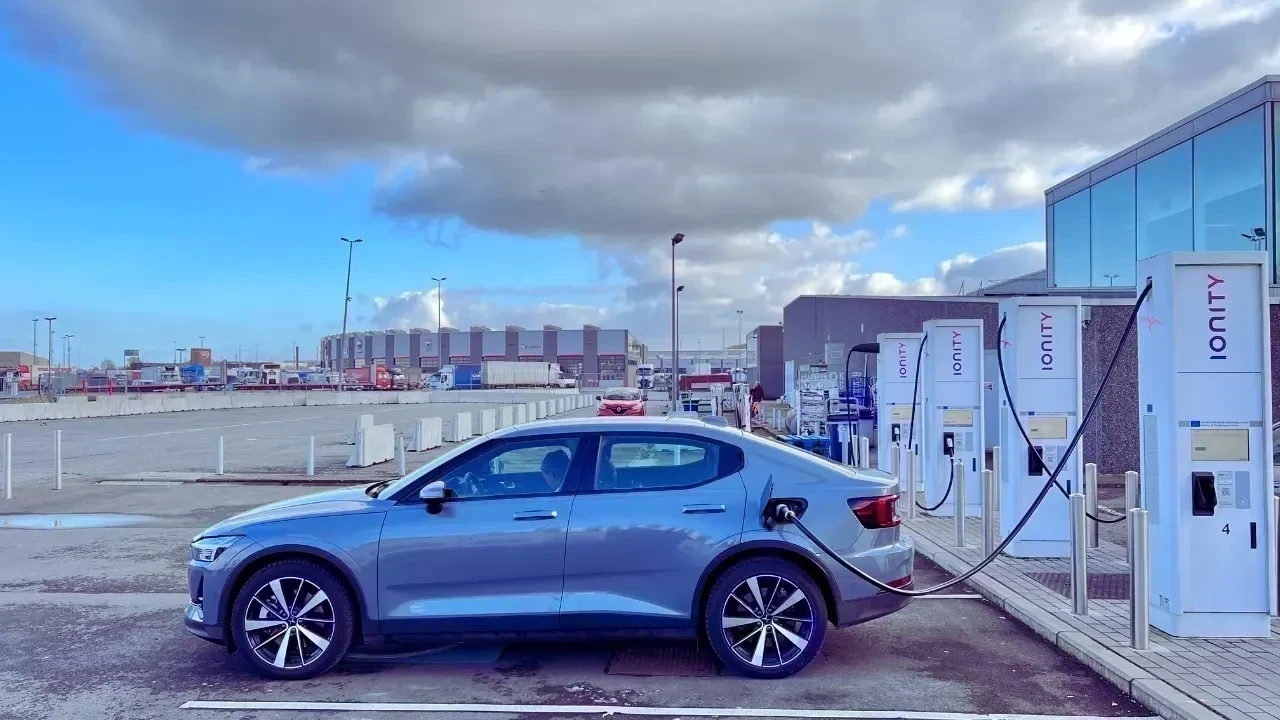
Public charging stations are proliferating across major metropolitan areas, highways, business districts, shopping centers, and residential neighborhoods. Both government and private entities are heavily investing in slow AC and quick DC charger installations, alleviating “range anxiety” and making long-distance EV travel more convenient.
For numerous EV owners, a home charging unit is at the heart of their refueling strategy. By 2026:
Home charger installation is quicker and cost-effective
Smart chargers are available for optimal energy use
Residential areas are becoming increasingly EV-friendly
Home charging guarantees convenience, reduced charging costs, and consistent accessibility.
Charging times have substantially decreased. Many EVs now support charging sessions of 25–30 minutes, allowing a recharge of 70–80% of the battery, marking a pivotal advancement for inter-city traveling.
While EVs may still have higher initial costs compared to traditional vehicles, the potential long-term savings are considerable:
Lower cost per kilometer
Minimal engine maintenance
Fewer moving components
Lower servicing expenses
Over a 5–7 year span, EVs can often present a more economical choice overall.
Financial institutions have rolled out specialized EV loans that offer:
Lower interest rates
Prolonged repayment options
Higher LTV (loan-to-value) ratios
This trend facilitates easier financial paths to EV ownership in 2026.
Numerous nations and states provide:
Purchase subsidies
Road tax benefits
Waivers on registration fees
Incentives for charging infrastructure
Even as subsidies taper off, increasing competition within the industry keeps prices in check.
Many companies support EV charging at work and motivate staff to switch to eco-friendly commutes. Fleet managers also enjoy advantages by transitioning to EVs.
By 2026, numerous EVs are expected to deliver real-world ranges of:
300–500 km for mid-range EVs
500–800 km for high-end EVs
Such range capabilities make EVs practical for daily driving and weekend excursions.
With a combination of home systems and expanding public charging options:
Daily disruptions have diminished
Reduced wait times at stations
Charging planning applications simplify route management
EVs substantially cut emissions, particularly when charged through renewable energy sources. As countries embrace greener energy transitions, the role of EVs in carbon reduction initiatives becomes increasingly vital.
The quieter operation of EVs enhances urban living conditions.
EVs offer swift acceleration, providing an exhilarating driving experience in both urban and highway settings.
Batteries positioned beneath the vehicle floor enhance maneuverability and comfort.
While major cities maintain excellent charging accessibility, smaller towns may not yet have sufficient infrastructure in place. Long-term rural travel necessitates thorough planning.
Although battery technology has come a long way, they still experience wear over time. Buyers should verify:
Battery warranty terms
Replacement guidelines
Battery health monitoring features
While luxury EVs are abundantly available, budget-friendly options may still be scarce in some markets.
Charging options still do not rival the speed of refueling traditional petrol or diesel vehicles. Some buyers may opt for conventional cars for longer or remote journeys.
Ideal for those with regular city travel patterns.
Greatly enhances convenience and savings.
Excellent for minimizing carbon footprints.
EVs boast sophisticated technology and connectivity features.
Reliability could still be a concern.
Dependence on public charging might present challenges.
Further cost reductions could be realized as manufacturing expands.
As EV technology continues to evolve, 2026 marks a promising balancing point of affordability and advancement. Delaying for an additional year might yield:
Slightly enhanced battery range
A wider array of models
Increased incentives
However, the difference may not justify postponing your purchase, especially if your needs align with the benefits of EVs today.
The year 2026 is poised to be a pivotal moment for electric vehicle purchases, showcasing impressive progress in battery technology, charging solutions, accessibility, cost-effectiveness, and support from policymakers. As sustainable transportation evolves, owning an EV is not only an environmentally conscious decision but a financially savvy choice in the long run.
While prospective buyers should take their location, commuting patterns, and charging access into account, the overall outlook for EV adoption in 2026 is highly advantageous. This year signals a major transition from early adoption to mainstream acceptance, making it an ideal time to transition to electric mobility.
This article serves as a general resource and analysis. Individual purchasing decisions should reflect personal circumstances, financial constraints, and local infrastructure conditions.

US Stocks Slide as AI Fears, Inflation and Oil Surge Weigh
US stocks dropped as AI disruption fears hit tech firms, inflation rose above forecasts, and oil pri

Pacific Prime Wins Top Honors at Cigna Awards 2026
Pacific Prime secured Top Individual Broker and Top SME Broker awards at Cigna’s Annual Broker Award

QatarEnergy Halts LNG Output After Military Attack
QatarEnergy has stopped LNG production after military attacks hit its facilities in Ras Laffan and M

Strong 6.1 Magnitude Earthquake Hits West Sumatra, No Damage
A 6.1 earthquake struck off West Sumatra, Indonesia. No casualties, damage, or tsunami alert reporte

Saudi Confirms Drone Strike on US Embassy Riyadh
Two drones hit the US Embassy in Riyadh, causing a small fire and minor damage. No injuries were rep

UAE Restarts Limited Flights as Regional Airspace Disruptions Continue
UAE restarts limited flights from Dubai as US-Israel attacks on Iran disrupt regional airspace, forc

Asia Faces Energy Shock After Iran Closes Strait
Iran shuts Strait of Hormuz amid US-Israel strikes, sending oil prices higher and raising serious en


Bank of Baroda Faces Abu Dhabi Legal Battle over NMC Collapse
Bank of Baroda’s involvement in Abu Dhabi litigation tied to the NMC Healthcare collapse raises repu

Top Museum Openings of 2026 Set to Transform Global Tourism
From Los Angeles to Abu Dhabi and Brussels, 2026 brings major museum launches—Lucas Museum, Guggenhe

UAE Tour Highlights UAE’s Strength in Hosting Global Sports Events
Abu Dhabi Sports Council says the successful UAE Tour reflects the UAE’s leading role in hosting maj

EU Seeks Clarity from US After Supreme Court IEEPA Ruling
European Commission urges full transparency from the US on steps after Supreme Court ruling, emphasi

SpaceX Launches 53 New Satellites for Expanding Starlink Network
SpaceX launches 53 Starlink satellites in two Falcon 9 missions, breaking reuse records and expandin

RTA Awards Contract for Phase II of Hessa Street Upgrade in Dubai
Phase II of Hessa Street Development to add bridges, tunnel, and upgraded intersections, doubling ca

UAE Gold Prices Today, Monday 16 February 2026: Dubai & Abu Dhabi Updated Rates
Gold prices in UAE on 16 Feb 2026 updated: 24K around AED 599.75/gm, 22K AED 555.25/gm, and 18K AED

Over 25 Ahmedabad Schools Receive Bomb Threat Email, Authorities Investigate
More than 25 schools in Ahmedabad evacuated after bomb threat emails mentioning Khalistan. Authoriti





