Post by : Anis Karim
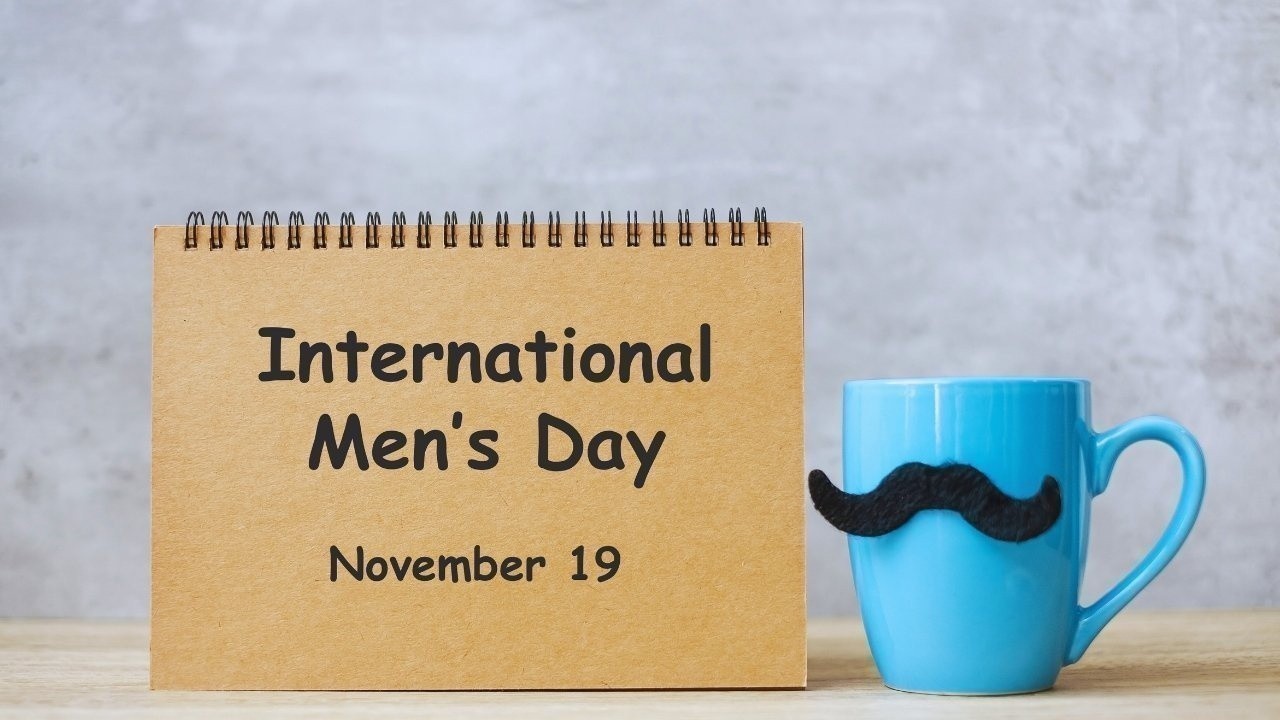
International Men’s Day, celebrated each year on November 19, is more than a date on the calendar. It is a global opportunity to recognise the social, emotional and cultural experiences of men while addressing the realities they face across health, society, relationships, identity and personal growth. Although often overshadowed by other observances, the day has gained growing relevance in recent years as conversations around mental health, family dynamics, gender roles and work-life balance continue to evolve.
The day’s core theme usually revolves around promoting positive masculinity, encouraging healthy role models, improving men’s health outcomes and fostering gender balance in ways that benefit everyone. Across countries, communities observe International Men’s Day with discussions, public campaigns, seminars, school activities and digital storytelling that highlight men’s journeys and challenges.
This article explores the meaning of International Men’s Day, why it matters, the key issues it brings into focus, and how societies can build healthier, more supportive environments for men and boys.
International Men’s Day was created to spotlight areas of life where boys and men need attention, encouragement or reform. Its core intentions are:
Celebrating positive male role models
Improving men’s physical and mental health
Addressing inequalities and issues affecting boys and men
Strengthening gender relations and collaboration
Promoting responsible, respectful and compassionate masculinity
Highlighting men’s contributions to communities, families and workplaces
The day emphasises that acknowledging men’s issues does not compete with women’s rights — instead, it complements broader gender equality goals. When men’s wellbeing improves, families strengthen, communities function better and societies become healthier.
Men’s lives are rapidly changing as society shifts. Expectations around leadership, responsibility, emotional expression and family roles are evolving. While this progress is positive, it brings growing pressures that many men navigate quietly.
Globally, men experience higher rates of suicide, yet they are less likely to seek help. Many still grow up internalising messages that discourage emotional vulnerability, making it hard to talk about pain, stress or loneliness.
Men often feel expected to be providers, decision-makers and problem-solvers, which can contribute to burnout. In competitive environments, this pressure intensifies as they strive to meet professional and personal expectations simultaneously.
Fatherhood is evolving. Today’s fathers are more engaged in caregiving than previous generations, but they often lack social or institutional support for this changing role. They also face judgment whether they prioritise work or family.
Men tend to avoid regular health check-ups, leading to late diagnoses of preventable conditions. Cardiovascular issues, lifestyle disorders and stress-related illnesses impact men significantly.
The meaning of “masculinity” is being reshaped. While traditional expectations fade, men are still figuring out how to define strength, emotion and responsibility in a modern context.
International Men’s Day opens space for these discussions, helping society build healthier models of manhood.
One of the most important themes linked to International Men’s Day is positive masculinity. Instead of restricting men to rigid stereotypes, positive masculinity encourages:
Emotional intelligence
Respectful relationships
Empathy and gentleness
Accountability
Leadership through kindness
Collaboration and support
Confidence without dominance
Positive masculinity does not criticise traditional traits such as strength or resilience — it redefines them. Strength can be quiet. Resilience can involve asking for help. Leadership can be compassionate. Courage can mean expressing vulnerability.
When men feel empowered to be fully themselves rather than fitting into outdated moulds, society benefits as a whole.
Mental health is one of the most urgent areas International Men’s Day addresses. Men often mask emotional distress, influenced by upbringing, social expectations or fear of judgement.
The idea that “men must be strong at all times” prevents open conversations about emotional struggles. This outdated belief can isolate men who are quietly battling anxiety, depression, loneliness or stress.
Unresolved emotions can show up as anger, withdrawal, substance dependence or impulsive decisions. Many men grow up without learning healthy coping mechanisms.
One crucial goal of International Men’s Day is normalising therapy, counselling, support groups and emotional conversations for men. Seeking help reflects strength, not weakness.
Mentorship circles, community gatherings, workplace wellness programs and father support groups all contribute to improving men’s mental health.
By promoting openness and support, society can reduce the silent suffering many men carry.
Men’s physical health remains another critical focus. Across countries, life expectancy for men lags behind women. Lifestyle habits, occupational risks and delayed medical care play a major role.
Heart disease
Hypertension
Diabetes
Prostate conditions
Obesity
Chronic stress
Substance misuse
International Men’s Day encourages men to take proactive steps — annual check-ups, active lifestyles, balanced diets, stress management and early intervention.
Preventive health practices are often overlooked by men until symptoms appear. Promoting awareness is essential in reducing long-term health risks.
Physical activity is a strong protective factor. Men’s wellness clubs, sports leagues, running groups and gym communities can motivate healthier habits.
Understanding these health risks empowers men to prioritise their wellbeing rather than ignoring early signs of trouble.
Fatherhood is undergoing a powerful transformation. Fathers today are more involved, nurturing and present. International Men’s Day recognises their role in shaping emotionally healthy children and creating balanced households.
Today’s fathers participate in school activities, emotional conversations, meal preparation, playtime, bedtime routines and household responsibilities more actively than previous generations.
Children benefit tremendously from emotionally available fathers. This bond shapes confidence, discipline, empathy and resilience.
Balancing career pressures with parenting can be difficult. Many men struggle to choose between professional advancement and family time. Workplaces need father-friendly policies to support this balance.
The image of the uninvolved father is outdated. International Men’s Day helps celebrate fathers who redefine caregiving roles with pride.
Social expectations heavily influence men’s behaviour, identity and self-worth. International Men’s Day offers an opportunity to question and reshape these expectations.
Men often feel responsible for financial stability, even when partners contribute equally. This pressure affects mental health, satisfaction and sense of identity.
Society often limits men to being protectors and problem-solvers, leaving little room for emotional nuance or personal struggle.
Whether in work, relationships or finances, men often fear falling short of expectations. Such fears can lead to stress, withdrawal or burnout.
Success should include emotional wellness, supportive relationships, personal growth and balanced living — not just income or status.
Rethinking these expectations helps men build healthier identities.
International Men’s Day also celebrates the contributions men make every day — whether as workers, fathers, volunteers, teachers, innovators, caregivers, leaders or friends. Men shape communities through:
Acts of kindness
Hard work
Mentoring younger generations
Caring for families
Serving in essential roles
Innovating at work
Giving back to society
The day acknowledges that men contribute in countless ways that often go unnoticed. Seeing and valuing these contributions fosters gratitude and strengthens communities.
Communities across the world observe International Men’s Day through various activities:
Programmes focus on mental health, fatherhood, stress management, healthy masculinity and professional development.
Outdoor activities, fitness events or health-screening camps encourage men to prioritise wellbeing.
Schools use the day to teach boys about empathy, respect, emotional literacy and the importance of seeking help.
Content creators and influencers share stories highlighting male vulnerability and resilience.
Organisations honour men who have made positive contributions to society.
These celebrations help give men a sense of belonging and recognition.
International Men’s Day encourages men to take practical steps toward wellbeing:
Talk openly about struggles
Seek therapy or counselling when needed
Build strong friendships
Make time for hobbies
Exercise regularly
Prioritise health check-ups
Balance work with rest
Challenge negative stereotypes
Practise self-compassion
Small steps over time create lasting change.
Communities can contribute to healthier environments for men by:
Encouraging emotional openness
Avoiding judgmental stereotypes
Supporting fatherhood roles
Creating mental-health awareness
Promoting balanced workplace cultures
Educating boys on empathy and respect
Normalising help-seeking behaviour
Celebrating men’s contributions
Supportive environments benefit men, women and children alike.
International Men’s Day is a reminder that men’s wellbeing is inseparable from the wellbeing of families, communities and society as a whole. By acknowledging the challenges men face — and celebrating their contributions — we build a healthier, more compassionate world. The day encourages men to embrace authenticity, emotional expression, responsibility, kindness and balance. It creates space for conversations that help dismantle stereotypes and pave the way for more inclusive, supportive definitions of masculinity.
As the world evolves, so must our understanding of men’s roles, needs and identities. International Men’s Day gives us that opportunity — not just once a year, but every day in how we treat, support and appreciate the men in our lives.
This article is for informational and editorial purposes only. It summarises social perspectives on International Men’s Day and does not provide mental-health, medical or legal advice.

US Stocks Slide as AI Fears, Inflation and Oil Surge Weigh
US stocks dropped as AI disruption fears hit tech firms, inflation rose above forecasts, and oil pri

Pacific Prime Wins Top Honors at Cigna Awards 2026
Pacific Prime secured Top Individual Broker and Top SME Broker awards at Cigna’s Annual Broker Award

QatarEnergy Halts LNG Output After Military Attack
QatarEnergy has stopped LNG production after military attacks hit its facilities in Ras Laffan and M

Strong 6.1 Magnitude Earthquake Hits West Sumatra, No Damage
A 6.1 earthquake struck off West Sumatra, Indonesia. No casualties, damage, or tsunami alert reporte

Saudi Confirms Drone Strike on US Embassy Riyadh
Two drones hit the US Embassy in Riyadh, causing a small fire and minor damage. No injuries were rep

UAE Restarts Limited Flights as Regional Airspace Disruptions Continue
UAE restarts limited flights from Dubai as US-Israel attacks on Iran disrupt regional airspace, forc

Asia Faces Energy Shock After Iran Closes Strait
Iran shuts Strait of Hormuz amid US-Israel strikes, sending oil prices higher and raising serious en


Bank of Baroda Faces Abu Dhabi Legal Battle over NMC Collapse
Bank of Baroda’s involvement in Abu Dhabi litigation tied to the NMC Healthcare collapse raises repu

Top Museum Openings of 2026 Set to Transform Global Tourism
From Los Angeles to Abu Dhabi and Brussels, 2026 brings major museum launches—Lucas Museum, Guggenhe

UAE Tour Highlights UAE’s Strength in Hosting Global Sports Events
Abu Dhabi Sports Council says the successful UAE Tour reflects the UAE’s leading role in hosting maj

EU Seeks Clarity from US After Supreme Court IEEPA Ruling
European Commission urges full transparency from the US on steps after Supreme Court ruling, emphasi

SpaceX Launches 53 New Satellites for Expanding Starlink Network
SpaceX launches 53 Starlink satellites in two Falcon 9 missions, breaking reuse records and expandin

RTA Awards Contract for Phase II of Hessa Street Upgrade in Dubai
Phase II of Hessa Street Development to add bridges, tunnel, and upgraded intersections, doubling ca

UAE Gold Prices Today, Monday 16 February 2026: Dubai & Abu Dhabi Updated Rates
Gold prices in UAE on 16 Feb 2026 updated: 24K around AED 599.75/gm, 22K AED 555.25/gm, and 18K AED

Over 25 Ahmedabad Schools Receive Bomb Threat Email, Authorities Investigate
More than 25 schools in Ahmedabad evacuated after bomb threat emails mentioning Khalistan. Authoriti





