Post by : Anis Karim
India’s relationship with animals has always been vibrant and emotionally rooted. For centuries, Indian households have welcomed pets as extended family — dogs, cats, cows, parrots, budgies, turtles, fish and more have shared space in our homes and hearts. But as lifestyles evolve and global culture influences urban dreams, a new trend has quietly taken hold: exotic pet ownership.
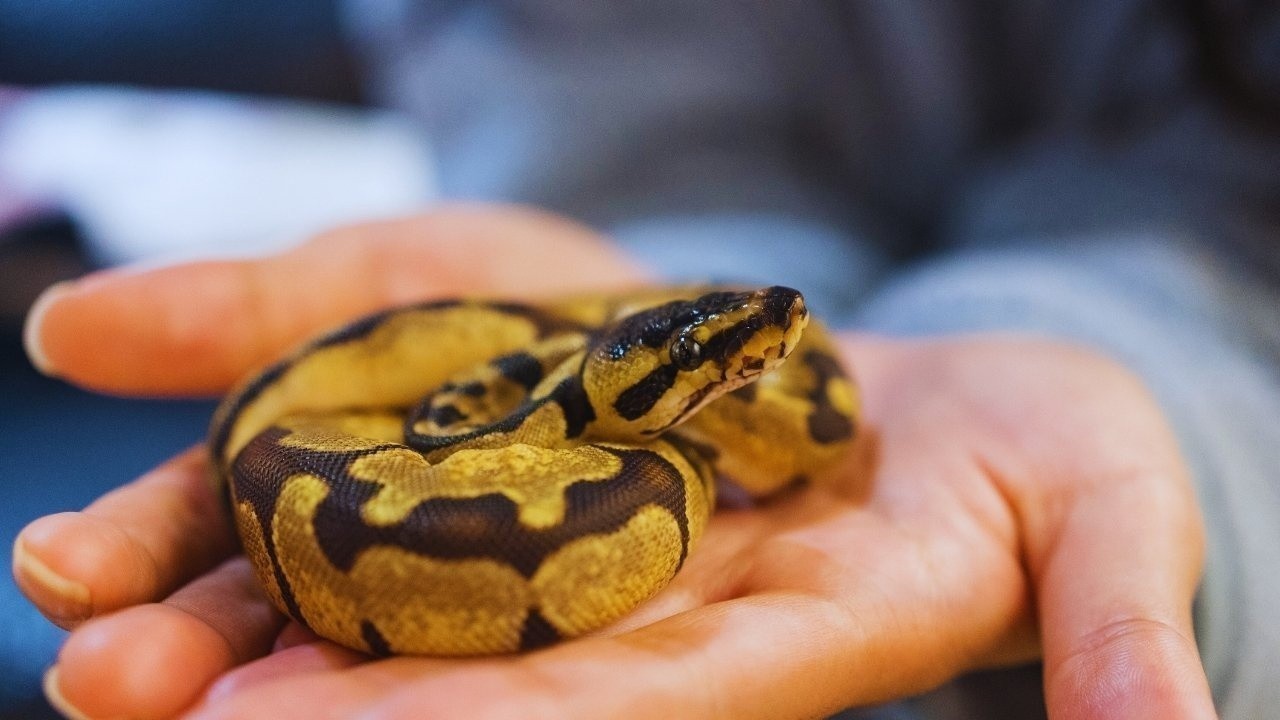
From striking macaws and elegant Cockatoos to vividly scaled iguanas, sleek ball pythons, tiny hedgehogs, and playful sugar gliders — a range of non-native species are finding homes in Indian cities. Social media is filled with young owners proudly showing off their vibrant reptiles, intelligent birds, and unusually small mammals. Pet stores and online groups are expanding their product lines for exotic diets, temperature-controlled habitats, UV lighting, and special grooming accessories.
Yet behind this fashionable shift lies a complex equation: ethical sourcing, animal welfare, public safety, legal clarity, ecosystem protection, and owner awareness. India sits at a pivotal moment — riding a cultural wave of exotic animal fascination while simultaneously facing questions about sustainability and responsibility.
This emerging pet frontier needs understanding, regulation, and awareness — not just admiration.
Short videos and influencer pages have created a visual fascination for rare pets. Seeing content of iguanas sun-bathing, capybaras cuddling, or parrots mimicking speech sparks curiosity and aspirational ownership. The novelty factor becomes a status statement for some.
Busy lifestyles and compact homes encourage interest in species perceived as low-maintenance — like reptiles and small mammals. Many believe exotic pets demand less time than dogs, a perception that isn’t always accurate.
Young professionals and affluent families are investing in premium hobbies, including rare pets, customized habitats, and specialized veterinary care.
Exotic pets offer a sense of uniqueness, companionship, and visual beauty, making them appealing to people seeking something beyond conventional pets.
Iguanas
Bearded dragons
Ball pythons
Leopard geckos
Reptiles fascinate those who enjoy observing slow behavior, feeding rituals, and naturalistic tank setups.
Macaws
African Grey parrots
Cockatoos
Conures
These birds are known for extraordinary intelligence and bonding potential.
Hedgehogs
Sugar gliders
Ferrets (in niche spaces)
Hamsters (transitioning into family-friendly exotic category)
Their size and cuteness drive interest.
Exotic fish species
Axolotls
Terrapins
Aquatic enthusiasts invest in advanced aquarium ecosystems, often inspired by global aquascaping culture.
Owners are learning to set up:
Temperature-controlled vivariums
UV lighting cycles
Naturalistic terrariums with logs, humidity and foliage
Large aviaries for flight-friendly birds
Modern homes now feature miniature rainforests or desert ecosystems for pets.
From live feeders like insects for reptiles to pellet-fruit mixes for macaws, diet planning is becoming sophisticated. Some owners cultivate feeder insects at home, signaling a shift toward specialized feeding behavior.
A niche segment of vets now focuses on:
Avian surgeries
Reptile nutrition
Exotic parasite control
Radiology for small mammals
Advanced pet diagnostics and hospitals in metros support this ecosystem.
Owners build enrichment structures, climbing trees, sand baths, puzzle feeders and sensory toys. Social bonding, audio stimulation for parrots, and scent enrichment for hedgehogs are increasingly common.
Exotic pets no longer sit in cages — they belong to interactive play worlds.
India’s wildlife laws protect native species under the Wildlife Protection Act. However, rules around non-native species are less explicit, leading to confusion.
Which exotic animals are legal to import or own?
How should breeding and sales be regulated?
What are quarantine or biosecurity requirements?
How should ownership be registered or verified?
What emergency protocols exist if owners release or abandon pets?
Practical clarity is limited, creating room for misinterpretation and misuse.
Illegal smuggling disguised as hobby trading
Danger to native ecosystems if species escape
Biosecurity concerns (zoonotic risks)
Animal suffering due to uneducated care
Exploitation of wild populations abroad
A structured regulatory approach needs urgent development.
India requires defined guidelines covering:
Approved exotic species list
Ethical sourcing certification
Health and import screening protocols
Licensing for breeders and traders
Veterinary accreditation for exotics
Penalties for illegal trade
Emergency shelters for seized or surrendered animals
The objective should be balance — enabling ethical ownership while safeguarding animal welfare and biodiversity.
A simple ownership registry could track:
Count of exotic species
Health certifications
Housing adequacy
Transfer and adoption records
Transparency reduces risk of illegal movement and abandonment.
Ethical ownership means choosing captive-bred pets only. Wild capture destroys ecosystems and causes suffering.
Careless release into the environment can harm native flora and fauna. Species like turtles or snakes could disturb local ecosystems dramatically.
Many exotic animals need:
Climate-controlled habitats
High-nutrient diets
Specialized enrichment
Social interaction (especially birds)
Without correct care, animals can suffer silently.
Own only after deeply understanding species needs — temperature, light, feeding, lifespan, social needs, health risks.
Some parrots need aviary-scale environments; reptiles need humidity control. Housing must reflect natural environments.
Exotic care requires investment in:
Habitat setup
Vet visits
Specialized diets
Enrichment systems
Pets are commitments, not collectibles. Rehoming or abandonment is cruel and irresponsible.
Dedicated exotic-care stores are emerging with:
UV bulbs
Reptile enclosures
Avian playgrounds
Protein feeders
Aquascaping gear
Online enthusiast groups share tips on:
Proper diet cycles
Habitat setup
Vet recommendations
Behavioral training
Information culture supports better care.
Veterinary hospitals, mobile grooming services and emergency care centers now include exotic care departments in select metros.
As exotics rise, demand grows for:
Temperature-controlled boarding
Exotic-trained caretakers
Vet-monitored holiday stays
Universities and animal institutes may soon introduce exotic-pet training modules for vets and keepers.
With growing attention, India may soon formalize guidelines, balancing:
Pet parent freedom
Biodiversity preservation
International compliance
Ethical sourcing and breeding
Workshops, online awareness, and school programs can teach children responsible pet ethics early.
Exotic pets symbolize a cultural shift — where Indian pet ownership moves beyond companionship into a world of specialty care, learning, and global lifestyle influence. This growing community represents curiosity, compassion, and the desire to care for nature in intimate ways.
Yet, this transformation demands responsibility, regulation, and ethical clarity. Exotic animals are wondrous beings — but they are not accessories. They require scientific care, emotional commitment, legal understanding, and sustainable values.
If India can nurture this trend responsibly — with education, structure, and empathy — it has the opportunity to build a new gold standard in ethical exotic pet culture. A future where animals are cherished, ecosystems are protected, and pet lovers evolve into informed caretakers of global biodiversity.
The exotic pet wave has begun. How we shape it will define whether it becomes a story of beauty and learning — or one of neglect and ecological risk. Today is the time to build a thoughtful foundation for tomorrow’s pet world.
This article aims to provide general awareness on emerging exotic pet trends and responsible ownership. Laws, species permissions, and regulations vary and may evolve. Readers must verify local rules and consult qualified professionals before acquiring or caring for exotic animals.

US Stocks Slide as AI Fears, Inflation and Oil Surge Weigh
US stocks dropped as AI disruption fears hit tech firms, inflation rose above forecasts, and oil pri

Pacific Prime Wins Top Honors at Cigna Awards 2026
Pacific Prime secured Top Individual Broker and Top SME Broker awards at Cigna’s Annual Broker Award

QatarEnergy Halts LNG Output After Military Attack
QatarEnergy has stopped LNG production after military attacks hit its facilities in Ras Laffan and M

Strong 6.1 Magnitude Earthquake Hits West Sumatra, No Damage
A 6.1 earthquake struck off West Sumatra, Indonesia. No casualties, damage, or tsunami alert reporte

Saudi Confirms Drone Strike on US Embassy Riyadh
Two drones hit the US Embassy in Riyadh, causing a small fire and minor damage. No injuries were rep

UAE Restarts Limited Flights as Regional Airspace Disruptions Continue
UAE restarts limited flights from Dubai as US-Israel attacks on Iran disrupt regional airspace, forc

Asia Faces Energy Shock After Iran Closes Strait
Iran shuts Strait of Hormuz amid US-Israel strikes, sending oil prices higher and raising serious en


Bank of Baroda Faces Abu Dhabi Legal Battle over NMC Collapse
Bank of Baroda’s involvement in Abu Dhabi litigation tied to the NMC Healthcare collapse raises repu

Top Museum Openings of 2026 Set to Transform Global Tourism
From Los Angeles to Abu Dhabi and Brussels, 2026 brings major museum launches—Lucas Museum, Guggenhe

UAE Tour Highlights UAE’s Strength in Hosting Global Sports Events
Abu Dhabi Sports Council says the successful UAE Tour reflects the UAE’s leading role in hosting maj

EU Seeks Clarity from US After Supreme Court IEEPA Ruling
European Commission urges full transparency from the US on steps after Supreme Court ruling, emphasi

SpaceX Launches 53 New Satellites for Expanding Starlink Network
SpaceX launches 53 Starlink satellites in two Falcon 9 missions, breaking reuse records and expandin

RTA Awards Contract for Phase II of Hessa Street Upgrade in Dubai
Phase II of Hessa Street Development to add bridges, tunnel, and upgraded intersections, doubling ca

UAE Gold Prices Today, Monday 16 February 2026: Dubai & Abu Dhabi Updated Rates
Gold prices in UAE on 16 Feb 2026 updated: 24K around AED 599.75/gm, 22K AED 555.25/gm, and 18K AED

Over 25 Ahmedabad Schools Receive Bomb Threat Email, Authorities Investigate
More than 25 schools in Ahmedabad evacuated after bomb threat emails mentioning Khalistan. Authoriti





