Post by : Anis Karim
In India, smartphones have transcended their role as mere gadgets to become essential tools for everyday life. They function as wallets, gateways to government services, online classrooms, and more, enabling tasks from salary transfers to health appointments. Even with the convenience they provide, the increase in digital interactions comes with significant risks. Spam calls disrupt our lives, scams often appear legitimate, and stolen devices frequently end up on the black market.
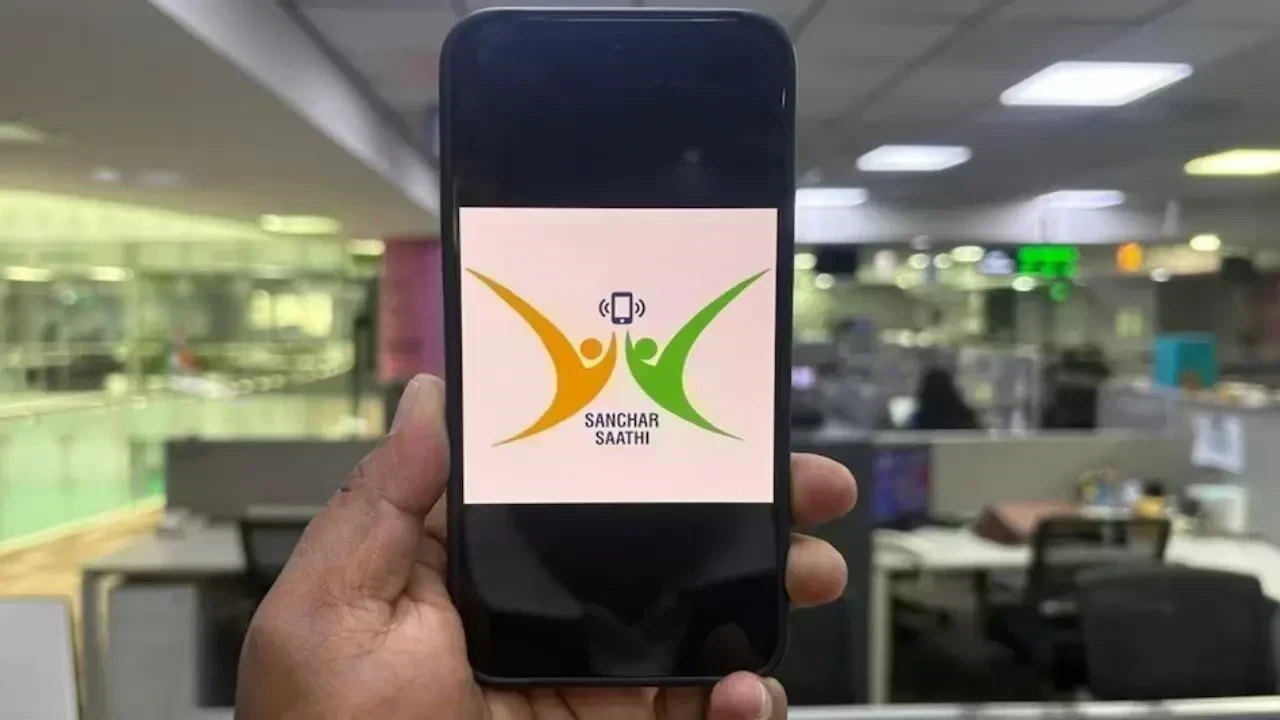
In response to these escalating threats, the government is taking action to secure the digital realm. The introduction of Sanchar Saathi aims to empower users by enhancing control over their mobile connections and safeguarding against misuse. However, the introduction of new regulations raises pressing questions regarding privacy and daily life. Will these measures enhance safety or compromise personal freedoms? With our smartphones now holding vast amounts of personal information, understanding these changes is crucial.
Spam calls have become a universal nuisance for smartphone users in India. Whether it's robotic calls promoting loans or individuals masquerading as bank representatives, the interruptions seem endless. What began as basic marketing has morphed into a sophisticated form of harassment. Fraudsters continuously spoof numbers, making it nearly impossible for users to block unwanted calls effectively.
The root issue stems from data leaks, with personal numbers being traded like commodities within the dark web. Once compromised, these numbers fuel various scams, making registration on seemingly harmless websites a gamble. For vulnerable groups such as the elderly or those new to technology, these risks are particularly alarming, as they are easily misled by fraudulent calls.
The current initiatives aim to tackle spam at its core. Enhanced verification protocols will make it increasingly difficult to acquire SIM cards using fake information. New caller identification systems aim to expose these automated malicious campaigns. These changes may not eradicate spam overnight but indicate a shift towards preventing fraud, rather than merely reacting to it.
The loss of a smartphone today equates to losing vital personal data. These devices house everything from contacts to financial applications, reflecting how integral they have become to daily living. Phone theft is rampant, especially in crowded spaces, with stolen devices often being reused for scams and identity crimes.
Many victims of theft find it challenging to recover lost devices, as stolen phones are frequently wiped and resold. Digital solutions are now crucial. By linking unique IMEI numbers to ownership records, authorities can block stolen devices from usage across networks and trigger alerts if reactivated.
This enhances the risk for thieves and diminishes the attractiveness of stealing phones. For users, this means recovering a lost device is more feasible than before. The emphasis now shifts from passive reactions to proactive measures against theft.
Sanchar Saathi embodies a transformative approach in digital security. This platform allows users to view all active mobile connections under their name, facilitating the disconnection of any unauthorized devices. It addresses a critical issue: fraudulent registrations powered by stolen identities are fueling scams.
With the ability to manage their connections better, users can prevent unauthorized activities. The streamlined process for reporting stolen devices enhances accountability between telecom companies and consumers, thereby instilling more confidence in the system.
With increased power comes legitimate concern over privacy. Users may fear that integrating phones with identity databases could result in unwarranted surveillance. It is critical to distinguish between tracking devices for security and tracking individuals for monitoring.
The focus should be on robust data protection and oversight. Keeping users informed is essential to building trust. Strong policies, regular audits, and independent checks will guarantee that technological advances do not infringe on civil liberties.
These regulatory changes will undoubtedly influence how average smartphone users behave. The process of obtaining a SIM card will involve stricter checks, while selling or gifting old devices will require careful scrutiny of their registration. Users will need to be more vigilant about their identity documents and be aware of potential misuse.
Over time, spam filtering is expected to improve, leading to decreased unknown calls and, potentially, reduced instances of financial fraud. These regulations will foster a mindset of digital hygiene among users, encouraging better security practices.
For children, this means a safer digital experience as they grow up. Elderly individuals may feel more empowered to resist scam calls, while small business owners can minimize the risk of data loss.
This shift takes the onus from mere reaction to a more informed preventative approach.
While these systems can mitigate risks, they cannot eliminate human error. Users still fall for phishing attempts, and emotional decision-making can undermine caution. Educational initiatives remain critical in empowering users.
Awareness campaigns for rural audiences, as well as support for elderly users, are necessary to complement technological advancements. Without proper education, even the best systems cannot function effectively.
India stands on the brink of a new era, where digital security has become as vital as physical safety. Innovations like Sanchar Saathi signify a pivotal moment, prioritizing user safety.
Eventually, spam calls may feel less threatening, phone theft could transition from being commonplace to rare, and identity fraud might diminish significantly.
For users, the takeaway is straightforward: regard your smartphone as an essential part of your identity. For policymakers, the challenge lies in creating a safe environment without instilling fear.
The future of India’s digital landscape hinges not merely on the proliferation of smartphones but on enhancing user confidence and safety.
This article provides general information and does not serve as legal, technical, or official advice. Readers are encouraged to consult relevant authorities for specific procedures and regulations.

US Stocks Slide as AI Fears, Inflation and Oil Surge Weigh
US stocks dropped as AI disruption fears hit tech firms, inflation rose above forecasts, and oil pri

Pacific Prime Wins Top Honors at Cigna Awards 2026
Pacific Prime secured Top Individual Broker and Top SME Broker awards at Cigna’s Annual Broker Award

QatarEnergy Halts LNG Output After Military Attack
QatarEnergy has stopped LNG production after military attacks hit its facilities in Ras Laffan and M

Strong 6.1 Magnitude Earthquake Hits West Sumatra, No Damage
A 6.1 earthquake struck off West Sumatra, Indonesia. No casualties, damage, or tsunami alert reporte

Saudi Confirms Drone Strike on US Embassy Riyadh
Two drones hit the US Embassy in Riyadh, causing a small fire and minor damage. No injuries were rep

UAE Restarts Limited Flights as Regional Airspace Disruptions Continue
UAE restarts limited flights from Dubai as US-Israel attacks on Iran disrupt regional airspace, forc

Asia Faces Energy Shock After Iran Closes Strait
Iran shuts Strait of Hormuz amid US-Israel strikes, sending oil prices higher and raising serious en


Bank of Baroda Faces Abu Dhabi Legal Battle over NMC Collapse
Bank of Baroda’s involvement in Abu Dhabi litigation tied to the NMC Healthcare collapse raises repu

Top Museum Openings of 2026 Set to Transform Global Tourism
From Los Angeles to Abu Dhabi and Brussels, 2026 brings major museum launches—Lucas Museum, Guggenhe

UAE Tour Highlights UAE’s Strength in Hosting Global Sports Events
Abu Dhabi Sports Council says the successful UAE Tour reflects the UAE’s leading role in hosting maj

EU Seeks Clarity from US After Supreme Court IEEPA Ruling
European Commission urges full transparency from the US on steps after Supreme Court ruling, emphasi

SpaceX Launches 53 New Satellites for Expanding Starlink Network
SpaceX launches 53 Starlink satellites in two Falcon 9 missions, breaking reuse records and expandin

RTA Awards Contract for Phase II of Hessa Street Upgrade in Dubai
Phase II of Hessa Street Development to add bridges, tunnel, and upgraded intersections, doubling ca

UAE Gold Prices Today, Monday 16 February 2026: Dubai & Abu Dhabi Updated Rates
Gold prices in UAE on 16 Feb 2026 updated: 24K around AED 599.75/gm, 22K AED 555.25/gm, and 18K AED

Over 25 Ahmedabad Schools Receive Bomb Threat Email, Authorities Investigate
More than 25 schools in Ahmedabad evacuated after bomb threat emails mentioning Khalistan. Authoriti





