Post by : Sam Jeet Rahman
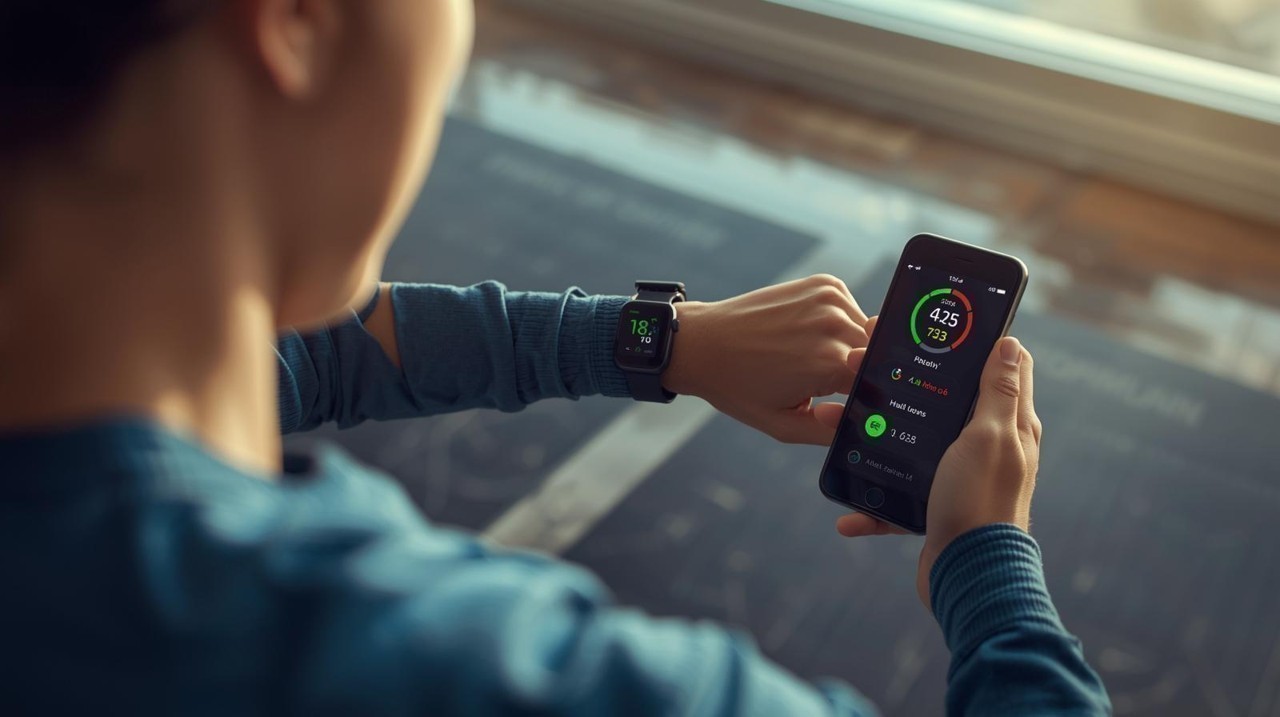
In the last decade, healthcare has moved beyond clinics and hospitals into the palms—or rather, onto the wrists—of everyday people. Wearable technology is no longer limited to fitness trackers that count steps. Today, these devices can monitor heart rhythms, detect sleep disorders, track blood oxygen levels, and even alert doctors in real time.
As the world increasingly embraces digital health solutions, wearable tech is redefining how individuals manage their well-being. This article explores how wearables are transforming personal healthcare, their benefits, challenges, and the future they hold.
Wearable health devices first gained popularity with basic step counters and calorie trackers. Over time, technological advances integrated sensors, artificial intelligence, and cloud connectivity, turning them into comprehensive health companions.
Early 2000s: Pedometers and simple calorie counters.
2010s: Smartwatches and fitness trackers (Fitbit, Apple Watch) gaining mass popularity.
Now (2025): Advanced wearables can monitor ECG, blood pressure, glucose levels, respiratory rates, stress levels, and even detect early symptoms of chronic illnesses.
This evolution has shifted the focus from reactive healthcare (treating illness after it happens) to proactive healthcare (preventing and managing conditions in real time).
Smartwatches like the Apple Watch and Samsung Galaxy Watch offer ECG monitoring that can detect irregular heart rhythms, such as atrial fibrillation.
Continuous heart rate tracking helps people with hypertension or cardiovascular risks monitor fluctuations.
Some devices now send alerts to healthcare providers in emergencies.
Wearable continuous glucose monitors (CGMs) track blood sugar levels without painful finger pricks.
Devices like Dexcom and Abbott’s FreeStyle Libre connect with smartphones for real-time updates.
They empower diabetics to make instant lifestyle adjustments, preventing dangerous spikes or drops.
Wearables analyze sleep cycles (light, deep, and REM) to identify sleep apnea and insomnia patterns.
Stress-monitoring features use heart rate variability to suggest breathing exercises and mindfulness practices.
Improved sleep and reduced stress lead to better mental and emotional health.
Beyond counting steps, wearables measure VO₂ max, calorie burn, workout intensity, and recovery times.
Professional athletes use advanced wearables for performance optimization and injury prevention.
For the general population, activity insights encourage consistent movement and healthier lifestyle habits.
Hospitals and doctors use wearables to track patients with chronic illnesses from home.
Patients with conditions like COPD, asthma, or hypertension can be monitored remotely, reducing hospital visits.
This system improves early detection of complications and reduces overall healthcare costs.
Wearables now track menstrual cycles, ovulation windows, and pregnancy health metrics.
These insights empower women to make informed family planning and healthcare choices.
AI-powered wearables analyze daily patterns to predict potential health risks.
Early warning signs of issues like dehydration, fatigue, or abnormal heart rhythms can trigger proactive action.
Healthcare data is available anytime, anywhere, without visiting a doctor.
Makes proactive health management possible for millions globally.
Devices can detect early warning signs of heart attacks, strokes, or diabetes-related complications.
Timely alerts allow individuals to seek medical help before conditions worsen.
Wearables give individuals control over their health data.
Real-time feedback motivates people to adopt healthier habits.
By preventing hospitalizations and enabling remote monitoring, wearable tech reduces long-term healthcare expenses.
Massive amounts of user health data help doctors, researchers, and policymakers make evidence-based decisions.
Despite their benefits, wearable devices face several challenges:
Accuracy Concerns: Not all devices provide medical-grade precision. Some readings may be inconsistent.
Data Privacy: Sensitive health data stored in apps and clouds raises cybersecurity risks.
Over-Reliance: Users may ignore professional medical advice, relying only on wearables.
Cost Barrier: High-quality devices remain expensive for low-income populations.
Regulatory Hurdles: Not all devices are FDA-approved or medically certified, leading to skepticism.
The coming years promise even greater integration of AI, biotechnology, and IoT (Internet of Things) into wearable devices. Here’s what we can expect:
Non-Invasive Glucose Monitoring: Breakthroughs may allow blood sugar tracking without needles or skin sensors.
Wearable ECG Patches & Smart Clothing: Clothes and skin patches will monitor vitals seamlessly.
Integration with Telemedicine: Wearables will directly feed data to doctors for real-time diagnosis.
AI-Powered Predictions: Algorithms will predict health risks before symptoms appear.
Implantable Devices: Miniature devices placed under the skin may track long-term conditions with greater accuracy.
As healthcare shifts toward prevention and personalization, wearable tech will play a central role in reducing disease burdens globally.
Choose Certified Devices: Opt for medically approved wearables if monitoring chronic conditions.
Use Insights Wisely: Treat device data as guidance, not a substitute for professional healthcare.
Stay Consistent: Wear devices regularly to get accurate long-term trends.
Protect Your Data: Use strong passwords and privacy settings to safeguard sensitive health information.
Consult Doctors: Share wearable data with healthcare providers for a more complete health assessment.

US Stocks Slide as AI Fears, Inflation and Oil Surge Weigh
US stocks dropped as AI disruption fears hit tech firms, inflation rose above forecasts, and oil pri

Pacific Prime Wins Top Honors at Cigna Awards 2026
Pacific Prime secured Top Individual Broker and Top SME Broker awards at Cigna’s Annual Broker Award

QatarEnergy Halts LNG Output After Military Attack
QatarEnergy has stopped LNG production after military attacks hit its facilities in Ras Laffan and M

Strong 6.1 Magnitude Earthquake Hits West Sumatra, No Damage
A 6.1 earthquake struck off West Sumatra, Indonesia. No casualties, damage, or tsunami alert reporte

Saudi Confirms Drone Strike on US Embassy Riyadh
Two drones hit the US Embassy in Riyadh, causing a small fire and minor damage. No injuries were rep

UAE Restarts Limited Flights as Regional Airspace Disruptions Continue
UAE restarts limited flights from Dubai as US-Israel attacks on Iran disrupt regional airspace, forc

Asia Faces Energy Shock After Iran Closes Strait
Iran shuts Strait of Hormuz amid US-Israel strikes, sending oil prices higher and raising serious en


Bank of Baroda Faces Abu Dhabi Legal Battle over NMC Collapse
Bank of Baroda’s involvement in Abu Dhabi litigation tied to the NMC Healthcare collapse raises repu

Top Museum Openings of 2026 Set to Transform Global Tourism
From Los Angeles to Abu Dhabi and Brussels, 2026 brings major museum launches—Lucas Museum, Guggenhe

UAE Tour Highlights UAE’s Strength in Hosting Global Sports Events
Abu Dhabi Sports Council says the successful UAE Tour reflects the UAE’s leading role in hosting maj

EU Seeks Clarity from US After Supreme Court IEEPA Ruling
European Commission urges full transparency from the US on steps after Supreme Court ruling, emphasi

SpaceX Launches 53 New Satellites for Expanding Starlink Network
SpaceX launches 53 Starlink satellites in two Falcon 9 missions, breaking reuse records and expandin

RTA Awards Contract for Phase II of Hessa Street Upgrade in Dubai
Phase II of Hessa Street Development to add bridges, tunnel, and upgraded intersections, doubling ca

UAE Gold Prices Today, Monday 16 February 2026: Dubai & Abu Dhabi Updated Rates
Gold prices in UAE on 16 Feb 2026 updated: 24K around AED 599.75/gm, 22K AED 555.25/gm, and 18K AED

Over 25 Ahmedabad Schools Receive Bomb Threat Email, Authorities Investigate
More than 25 schools in Ahmedabad evacuated after bomb threat emails mentioning Khalistan. Authoriti





