Post by : Sam Jeet Rahman
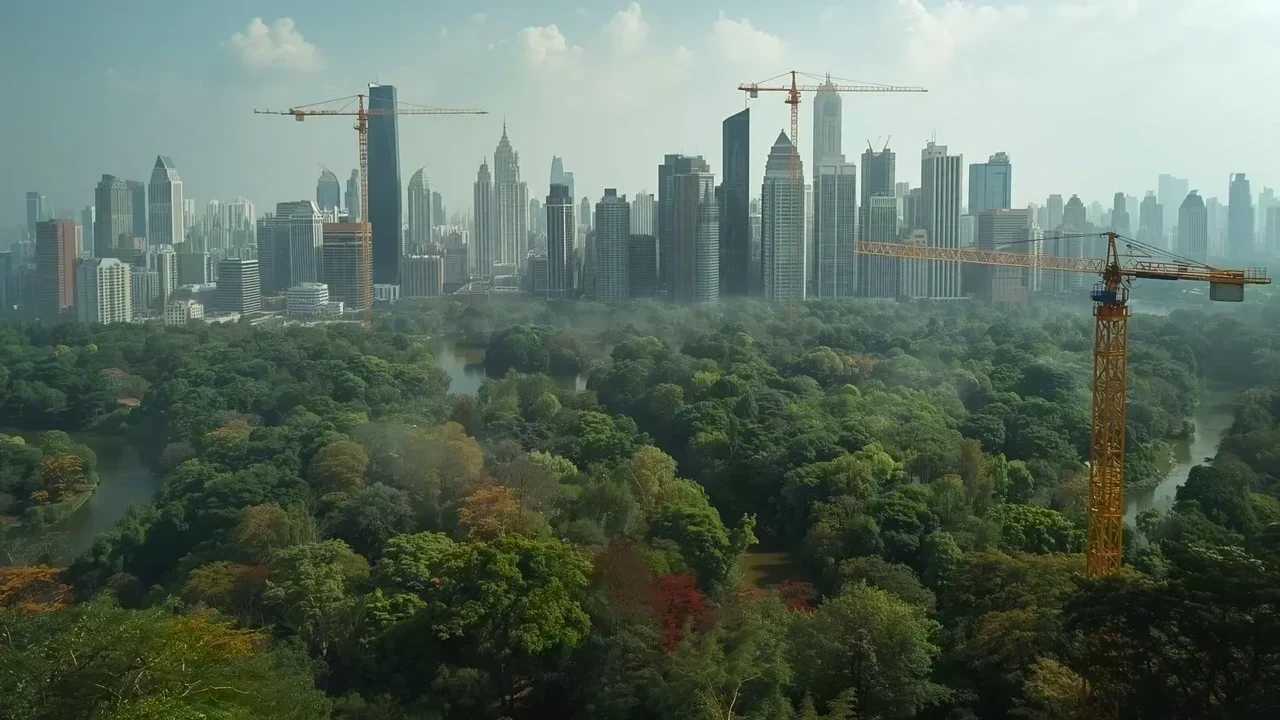
Urban development is often seen as a symbol of progress—better infrastructure, housing, transportation, and economic growth. However, beneath this growth lies a quieter but serious consequence: the gradual disruption of local ecosystems. As cities expand in 2026 and beyond, natural landscapes are reshaped, fragmented, or erased, directly affecting plants, animals, water systems, and even human health.
This article explains how urban development impacts local ecosystems, why these changes matter more than ever, and what sustainable planning can do to reduce long-term environmental damage.
A local ecosystem is a balanced network of living organisms—plants, animals, microorganisms—and non-living elements like soil, water, and air within a specific area.
These ecosystems provide essential services such as:
Clean air and water
Climate regulation
Flood control
Pollination
Soil fertility
When urban development disrupts this balance, the effects extend far beyond environmental loss.
Urban growth usually begins with land-use change.
Forests, wetlands, grasslands, and agricultural fields are cleared to build roads, housing, malls, and industrial zones. This causes:
Loss of native vegetation
Destruction of wildlife habitats
Reduced biodiversity
Soil degradation
Once natural land is converted, ecosystems struggle to recover.
Urban development does not just remove habitats—it breaks them into isolated patches.
Animals lose migration routes
Breeding patterns are disrupted
Genetic diversity declines
Species become more vulnerable to extinction
Wildlife forced into urban areas often faces conflict with humans, leading to injuries or population decline.
Urban expansion favors a few adaptable species while eliminating many others.
Reduction in native plant species
Decline in pollinators like bees and butterflies
Disappearance of birds, amphibians, and small mammals
Low biodiversity weakens ecosystems, making them less resilient to climate change and disease.
Urban development significantly alters natural water cycles.
Wetlands are drained or filled
Natural streams are redirected or covered
Rainwater runoff increases due to concrete surfaces
This leads to flooding, water pollution, and reduced groundwater recharge.
Polluted runoff carries chemicals, oil, plastics, and waste into rivers and lakes, harming fish and aquatic plants.
Cities create urban heat islands, where temperatures are higher than surrounding rural areas.
Concrete and asphalt absorb heat
Reduced tree cover limits cooling
Energy use increases heat emissions
Higher temperatures stress plants and animals, alter breeding cycles, and worsen air quality.
Urban areas generate high levels of air pollution.
Acid rain damages soil and vegetation
Pollutants harm plant photosynthesis
Animals experience respiratory stress
Air pollution weakens ecosystems and reduces their ability to support life.
Healthy soil is essential for ecosystems.
Soil sealing prevents water absorption
Construction compacts soil structure
Chemical contamination reduces fertility
Poor soil health affects plant growth and food chains.
Urban environments introduce constant noise and artificial lighting.
Disrupted communication among animals
Altered sleep and migration patterns
Increased stress and reduced reproduction
Many species rely on darkness and natural sound cues to survive.
Cities unintentionally support invasive species.
Disturbed land favors aggressive species
Reduced competition from native plants
Human transport spreads non-native organisms
Invasive species outcompete native flora and fauna, further destabilizing ecosystems.
Environmental damage does not stop at nature—it affects people directly.
Increased flooding and heatwaves
Reduced air and water quality
Loss of natural recreation spaces
Higher health risks
Healthy ecosystems act as natural protection systems for cities.
Urban growth does not have to destroy ecosystems.
Protecting green corridors
Preserving wetlands and forests
Integrating parks and urban forests
Limiting urban sprawl
Sustainable cities balance development with ecological responsibility.
Green infrastructure mimics natural processes.
Green roofs and walls
Permeable pavements
Urban wetlands
Rain gardens
These solutions reduce runoff, lower temperatures, and support biodiversity.
Planting native species strengthens local ecosystems.
Require less water
Support local wildlife
Improve soil health
Increase climate resilience
Native vegetation restores ecological balance even in urban settings.
Urban ecosystems benefit when communities are involved.
Support green initiatives
Reduce waste and pollution
Protect local green spaces
Advocate for sustainable development
Small actions collectively create meaningful impact.
By 2026, cities are home to more than half the global population. The challenge is not stopping development but rethinking how it happens.
Cities that prioritize ecosystems gain:
Climate resilience
Better public health
Economic sustainability
Higher quality of life
Urban development and nature do not have to be enemies.
Urban development reshapes landscapes, but its long-term success depends on how well it respects ecological limits. When ecosystems collapse, cities become fragile. When ecosystems thrive, cities become sustainable.
Protecting local ecosystems is not an environmental luxury—it is a necessity for future survival.
This article is for general informational and educational purposes only. Environmental impacts of urban development vary based on geography, planning practices, and regulatory frameworks. The content does not replace professional environmental, urban planning, or policy advice. Readers are encouraged to consult qualified experts and local authorities for specific environmental assessments or planning decisions.

US Stocks Slide as AI Fears, Inflation and Oil Surge Weigh
US stocks dropped as AI disruption fears hit tech firms, inflation rose above forecasts, and oil pri

Pacific Prime Wins Top Honors at Cigna Awards 2026
Pacific Prime secured Top Individual Broker and Top SME Broker awards at Cigna’s Annual Broker Award
QatarEnergy Halts LNG Output After Military Attack
QatarEnergy has stopped LNG production after military attacks hit its facilities in Ras Laffan and M
Strong 6.1 Magnitude Earthquake Hits West Sumatra, No Damage
A 6.1 earthquake struck off West Sumatra, Indonesia. No casualties, damage, or tsunami alert reporte
Saudi Confirms Drone Strike on US Embassy Riyadh
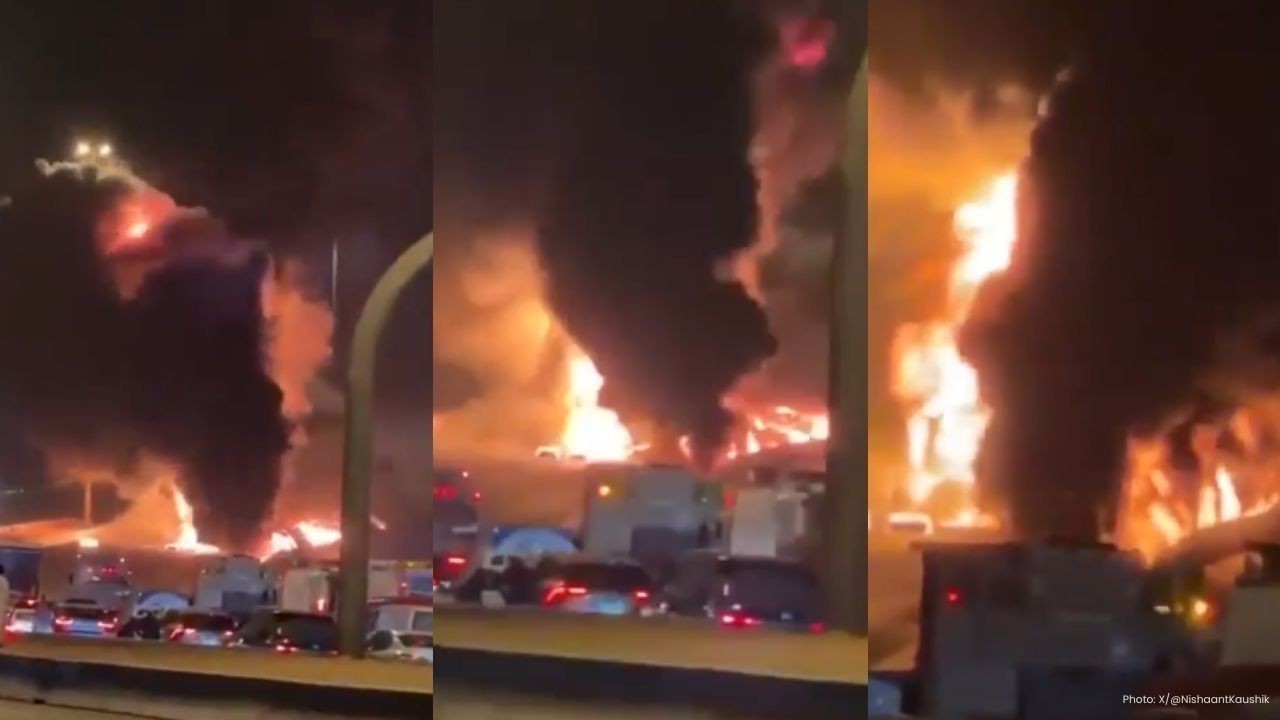
Two drones hit the US Embassy in Riyadh, causing a small fire and minor damage. No injuries were rep

UAE Restarts Limited Flights as Regional Airspace Disruptions Continue
UAE restarts limited flights from Dubai as US-Israel attacks on Iran disrupt regional airspace, forc
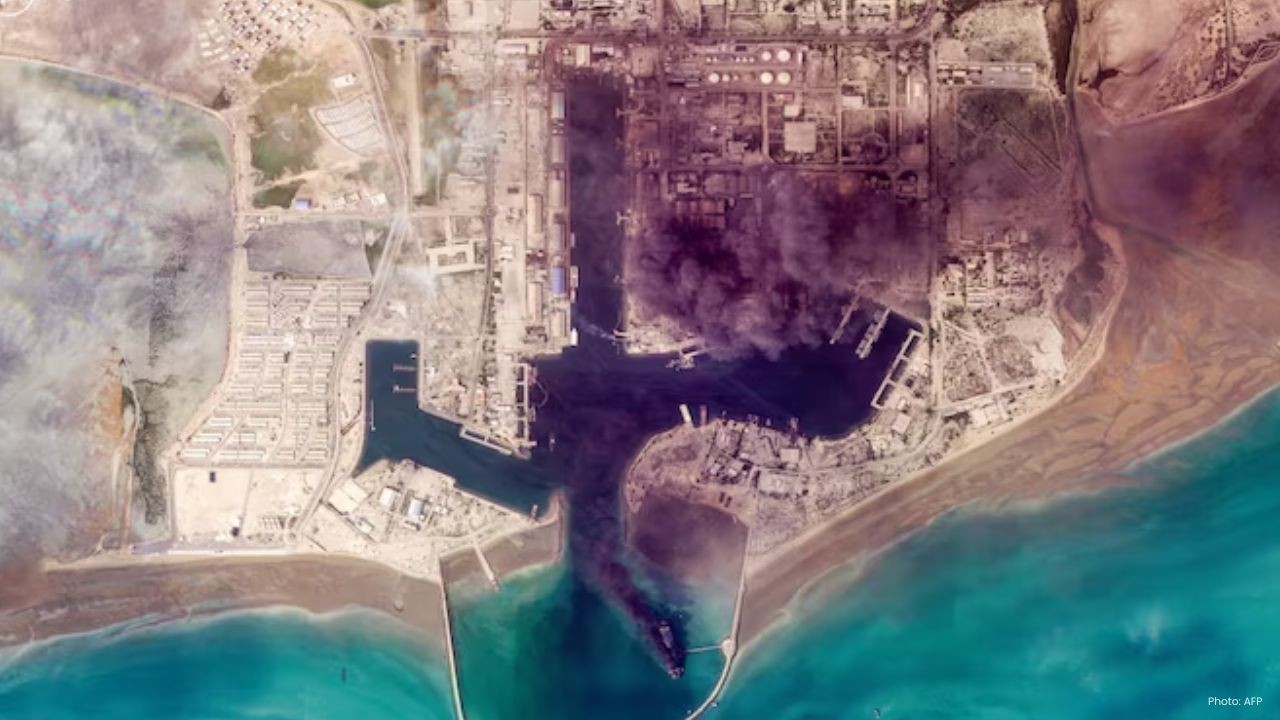
Asia Faces Energy Shock After Iran Closes Strait
Iran shuts Strait of Hormuz amid US-Israel strikes, sending oil prices higher and raising serious en


Bank of Baroda Faces Abu Dhabi Legal Battle over NMC Collapse
Bank of Baroda’s involvement in Abu Dhabi litigation tied to the NMC Healthcare collapse raises repu
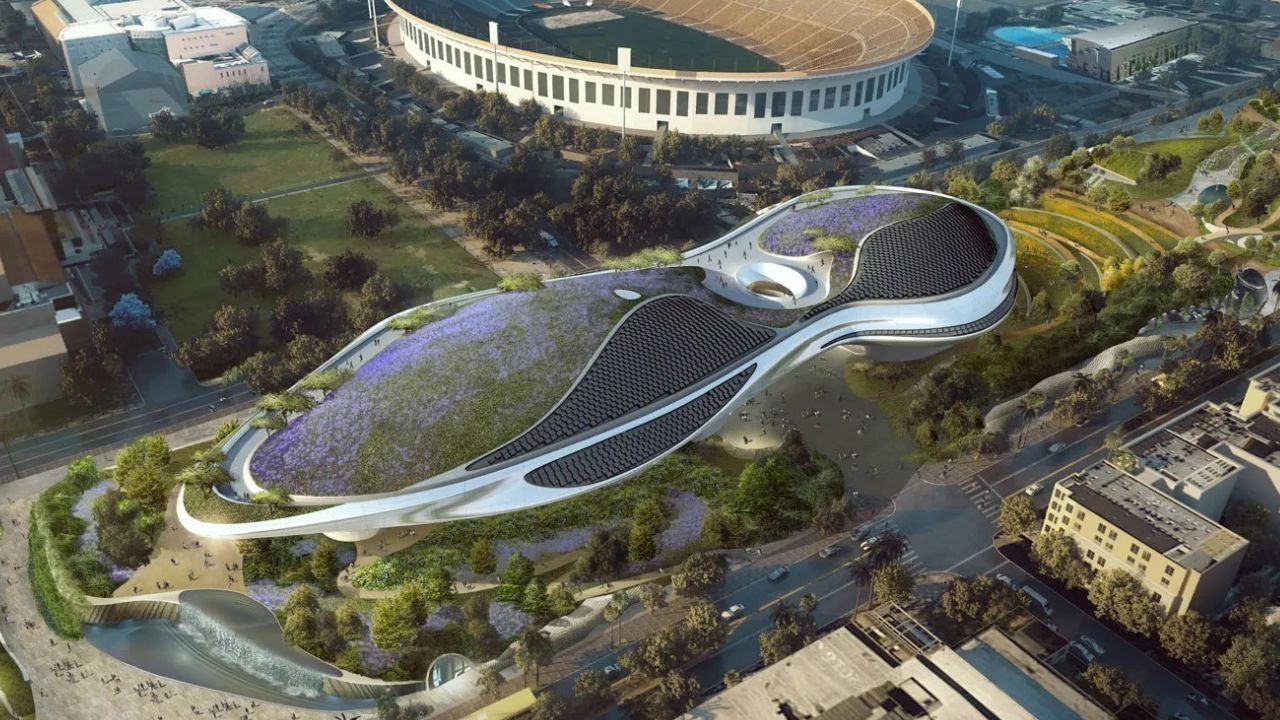
Top Museum Openings of 2026 Set to Transform Global Tourism
From Los Angeles to Abu Dhabi and Brussels, 2026 brings major museum launches—Lucas Museum, Guggenhe

UAE Tour Highlights UAE’s Strength in Hosting Global Sports Events
Abu Dhabi Sports Council says the successful UAE Tour reflects the UAE’s leading role in hosting maj
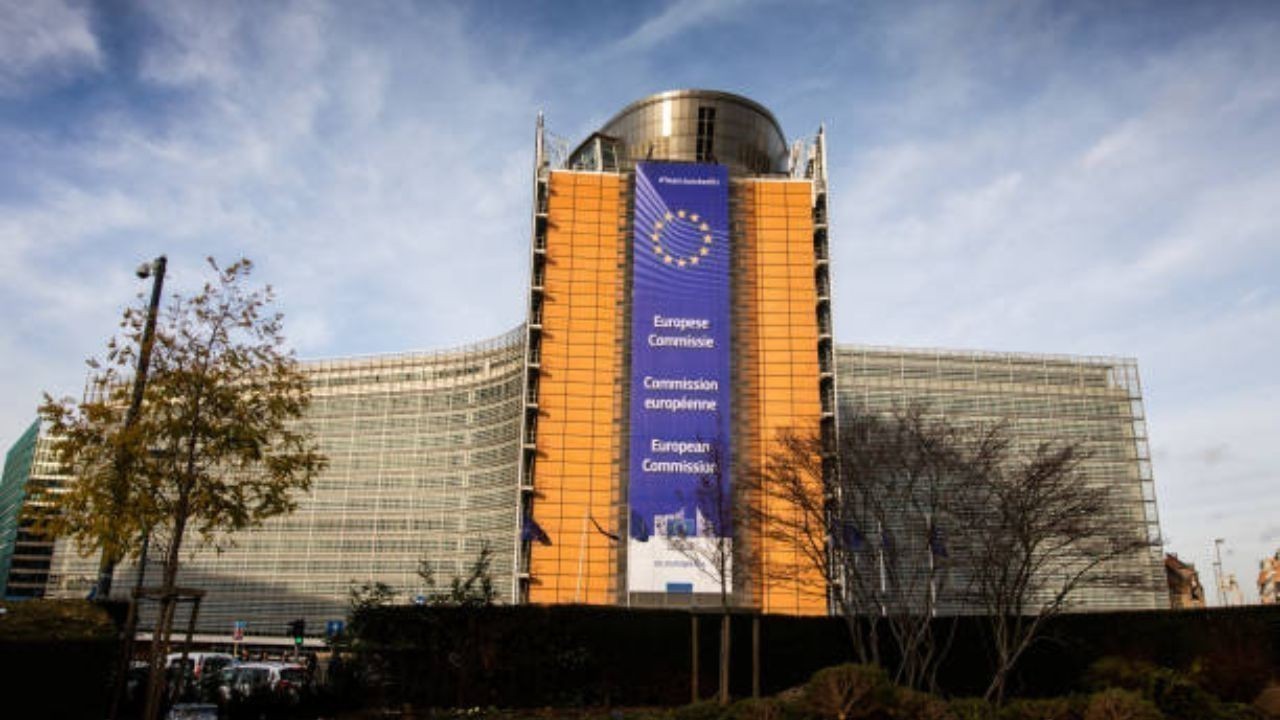
EU Seeks Clarity from US After Supreme Court IEEPA Ruling
European Commission urges full transparency from the US on steps after Supreme Court ruling, emphasi
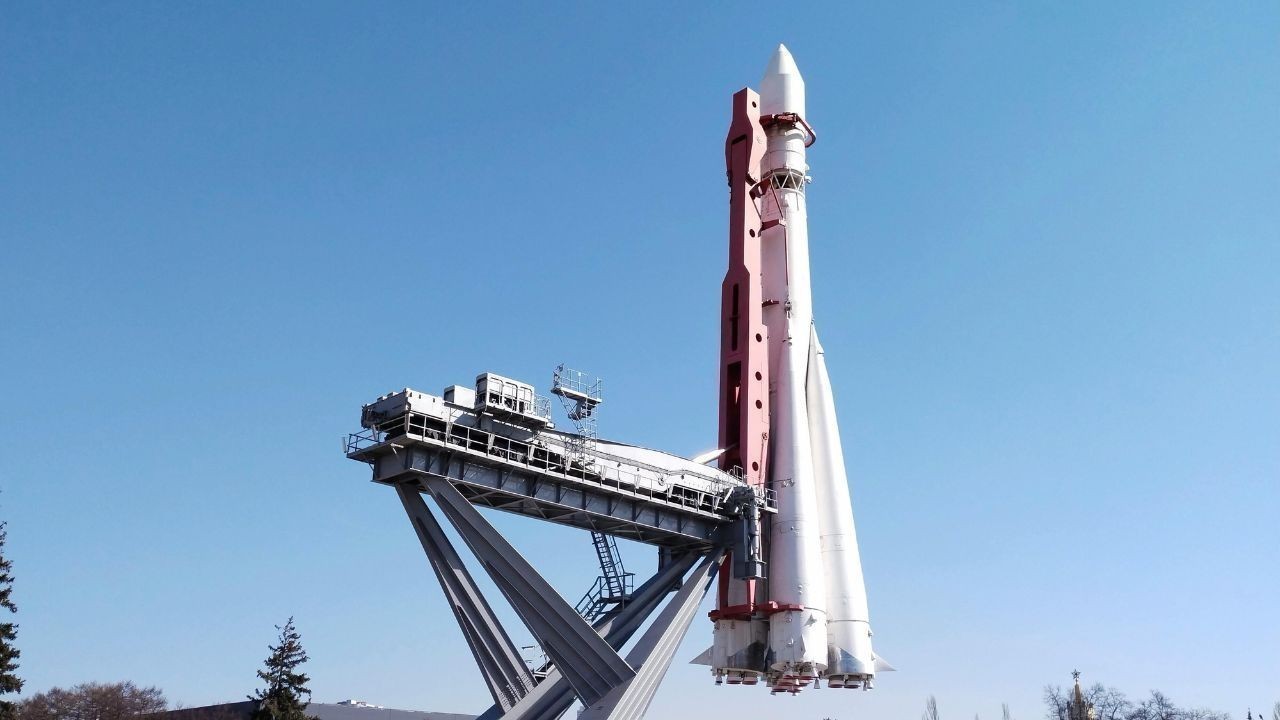
SpaceX Launches 53 New Satellites for Expanding Starlink Network
SpaceX launches 53 Starlink satellites in two Falcon 9 missions, breaking reuse records and expandin
RTA Awards Contract for Phase II of Hessa Street Upgrade in Dubai
Phase II of Hessa Street Development to add bridges, tunnel, and upgraded intersections, doubling ca

UAE Gold Prices Today, Monday 16 February 2026: Dubai & Abu Dhabi Updated Rates
Gold prices in UAE on 16 Feb 2026 updated: 24K around AED 599.75/gm, 22K AED 555.25/gm, and 18K AED

Over 25 Ahmedabad Schools Receive Bomb Threat Email, Authorities Investigate
More than 25 schools in Ahmedabad evacuated after bomb threat emails mentioning Khalistan. Authoriti