Post by : Sam Jeet Rahman
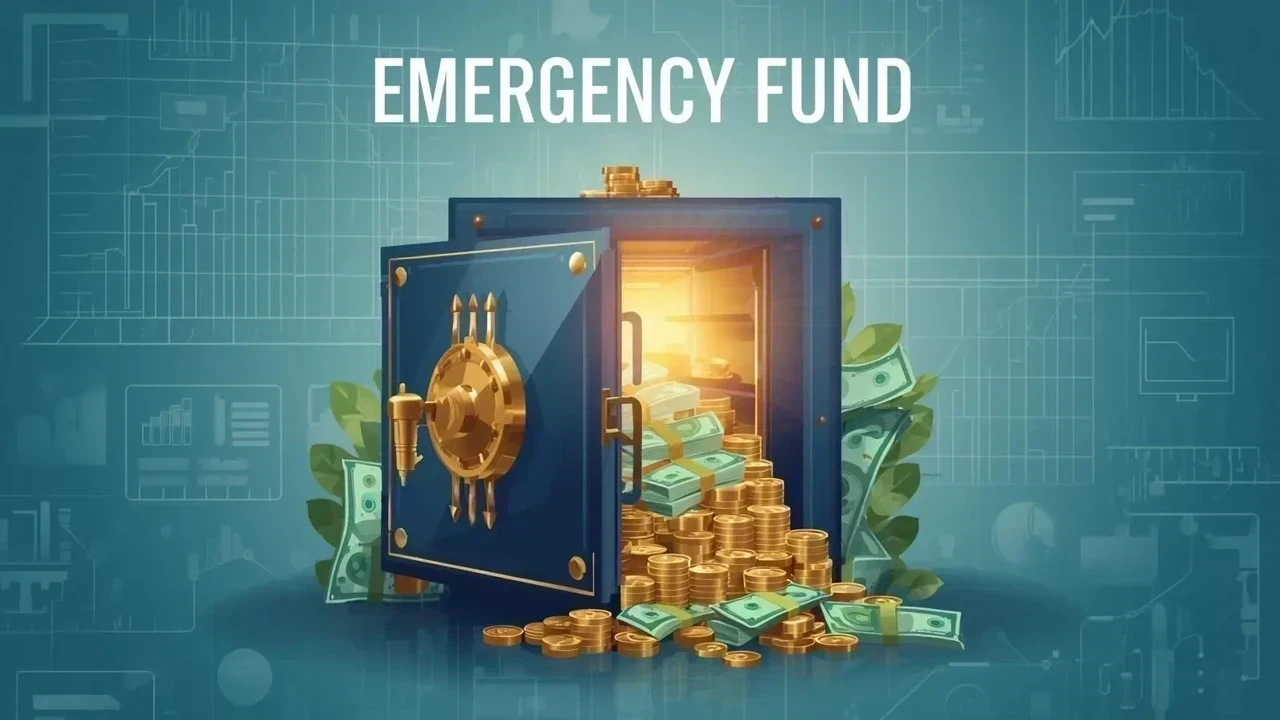
An emergency fund is money set aside specifically for unexpected situations such as medical expenses, sudden job loss, urgent travel, or home repairs. Many people believe emergency savings are only possible with high income, but the reality is that not having an emergency fund impacts low and middle-income earners the most. Without backup savings, even a small emergency can force people into debt, credit card dependency, or borrowing at high interest rates.
An emergency fund is not investment money, vacation savings, or money meant for lifestyle upgrades. It is strictly for unexpected and unavoidable expenses. The goal is financial safety, not high returns. Ideally, this fund should be easily accessible, safe from market risk, and kept separate from daily spending accounts.
The commonly suggested amount is three to six months of basic expenses, but this can feel overwhelming for someone with limited income. A more realistic approach is to start small. Even saving one month of essential expenses is a strong first milestone. Essentials include rent, food, utilities, transport, and basic medical needs. The focus should be progress, not perfection.
Limited income often means most earnings are already allocated to necessities. Fixed expenses leave little room for savings, and irregular income or family responsibilities add further pressure. Emotional spending, social obligations, and rising living costs also make it harder to prioritize emergency savings. Recognizing these challenges helps create a practical plan instead of unrealistic expectations.
Instead of aiming for a large amount, start with a small monthly goal that feels manageable. Even saving a small portion consistently builds discipline and confidence. Small savings add up over time and create a habit that matters more than the amount itself. The key is consistency, not size.
Keeping emergency money in the same account used for daily expenses increases the risk of spending it unintentionally. Opening a separate savings account helps maintain discipline. When emergency funds are not easily visible or accessible for routine spending, they are more likely to remain untouched.
Many people underestimate how much small, daily expenses add up. Tracking expenses for even one month can reveal unnecessary spending such as frequent food delivery, subscriptions, impulse shopping, or unused services. Redirecting even a small portion of these expenses toward an emergency fund can make a noticeable difference.
This method involves saving a fixed amount as soon as income is received, before spending on anything else. Treat emergency savings like a mandatory expense rather than an optional leftover. Automating this process reduces reliance on willpower and increases consistency.
Bonuses, incentives, overtime pay, cashback rewards, or small side income sources are excellent opportunities to boost emergency savings. Since this money is not part of regular monthly income, allocating it fully or partially to emergency funds feels less stressful and accelerates progress.
Creating an emergency fund does not mean eliminating all enjoyment from life. The goal is balance. Making conscious choices, such as reducing frequency rather than completely cutting expenses, helps maintain motivation. Temporary adjustments can lead to long-term financial stability.
Emergency funds should not be invested in high-risk instruments. Market fluctuations can reduce value exactly when the money is needed most. Safety and liquidity are more important than returns for emergency savings. The purpose is protection, not profit.
Unexpected money often leads to impulsive spending. Using a portion of windfalls such as tax refunds, gifts, or incentives to strengthen emergency funds provides long-term security. This habit prevents future financial stress and builds responsible money behavior.
Emergency saving does not stop once a small fund is built. As income increases or expenses reduce, savings contributions should also increase gradually. This allows the emergency fund to grow without putting pressure on current finances.
Waiting for income to increase before starting is a major mistake. Emergency savings should begin regardless of income level. Using emergency funds for non-emergency purchases weakens financial discipline. Another mistake is aiming for a large amount too quickly, which often leads to frustration and quitting.
Having even a small emergency fund provides peace of mind. It reduces anxiety around unexpected expenses and prevents reliance on loans or credit cards. Financial confidence improves when individuals know they can handle sudden situations without panic.
Emergency funds serve a different purpose than savings for goals like travel, gadgets, or celebrations. Mixing both leads to confusion and misuse. Clear separation ensures emergencies do not derail long-term plans or create unnecessary debt.
Progress may feel slow at first, especially with limited income. Tracking milestones, celebrating small wins, and reminding yourself of the purpose behind saving helps maintain motivation. The value of emergency savings becomes clear during the first unexpected expense it covers.
Creating an emergency fund with limited income is challenging but completely achievable with the right mindset and strategy. Small, consistent actions build financial safety over time. The focus should be on habit formation, realistic goals, and discipline rather than income size. Emergency savings protect not just money, but peace of mind and future stability.
This article is intended for informational purposes only and does not constitute financial advice. Individual financial situations vary, and readers should assess their personal circumstances or consult a financial professional before making financial decisions.

US Stocks Slide as AI Fears, Inflation and Oil Surge Weigh
US stocks dropped as AI disruption fears hit tech firms, inflation rose above forecasts, and oil pri

Pacific Prime Wins Top Honors at Cigna Awards 2026
Pacific Prime secured Top Individual Broker and Top SME Broker awards at Cigna’s Annual Broker Award

QatarEnergy Halts LNG Output After Military Attack
QatarEnergy has stopped LNG production after military attacks hit its facilities in Ras Laffan and M
Strong 6.1 Magnitude Earthquake Hits West Sumatra, No Damage
A 6.1 earthquake struck off West Sumatra, Indonesia. No casualties, damage, or tsunami alert reporte

Saudi Confirms Drone Strike on US Embassy Riyadh
Two drones hit the US Embassy in Riyadh, causing a small fire and minor damage. No injuries were rep

UAE Restarts Limited Flights as Regional Airspace Disruptions Continue
UAE restarts limited flights from Dubai as US-Israel attacks on Iran disrupt regional airspace, forc
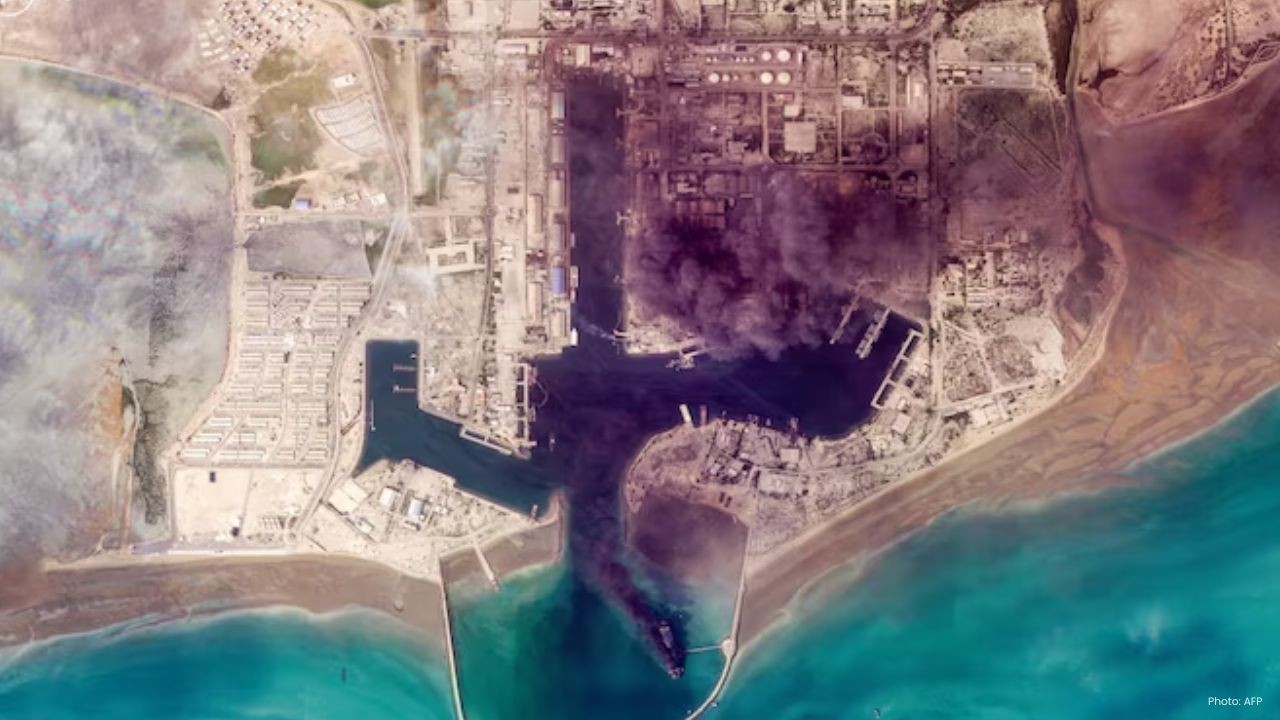
Asia Faces Energy Shock After Iran Closes Strait
Iran shuts Strait of Hormuz amid US-Israel strikes, sending oil prices higher and raising serious en


Bank of Baroda Faces Abu Dhabi Legal Battle over NMC Collapse
Bank of Baroda’s involvement in Abu Dhabi litigation tied to the NMC Healthcare collapse raises repu

Top Museum Openings of 2026 Set to Transform Global Tourism
From Los Angeles to Abu Dhabi and Brussels, 2026 brings major museum launches—Lucas Museum, Guggenhe

UAE Tour Highlights UAE’s Strength in Hosting Global Sports Events
Abu Dhabi Sports Council says the successful UAE Tour reflects the UAE’s leading role in hosting maj

EU Seeks Clarity from US After Supreme Court IEEPA Ruling
European Commission urges full transparency from the US on steps after Supreme Court ruling, emphasi

SpaceX Launches 53 New Satellites for Expanding Starlink Network
SpaceX launches 53 Starlink satellites in two Falcon 9 missions, breaking reuse records and expandin

RTA Awards Contract for Phase II of Hessa Street Upgrade in Dubai
Phase II of Hessa Street Development to add bridges, tunnel, and upgraded intersections, doubling ca

UAE Gold Prices Today, Monday 16 February 2026: Dubai & Abu Dhabi Updated Rates
Gold prices in UAE on 16 Feb 2026 updated: 24K around AED 599.75/gm, 22K AED 555.25/gm, and 18K AED

Over 25 Ahmedabad Schools Receive Bomb Threat Email, Authorities Investigate
More than 25 schools in Ahmedabad evacuated after bomb threat emails mentioning Khalistan. Authoriti