Post by : Sam Jeet Rahman
Disclaimer: This article is for informational purposes only and does not replace professional medical advice. Always consult your doctor before making any changes to your health monitoring or medication routine.
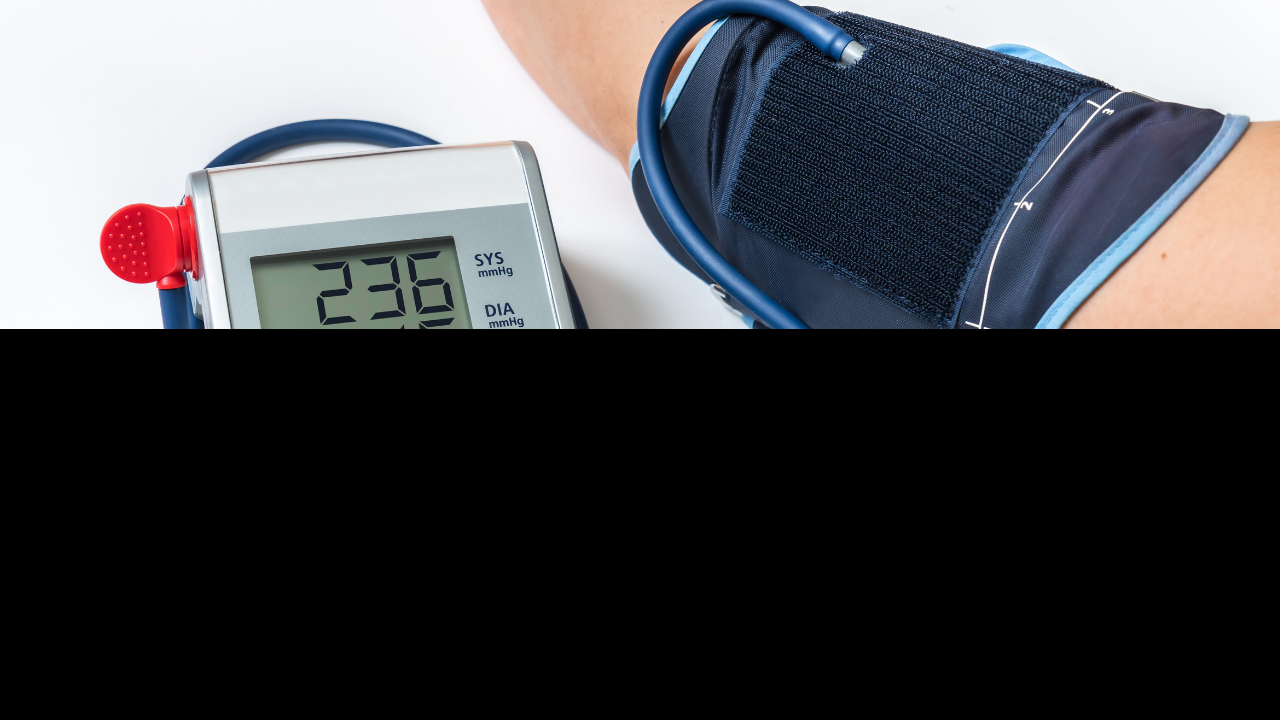
High blood pressure, or hypertension, is often called the “silent killer” because it rarely causes noticeable symptoms but can lead to heart disease, stroke, or kidney damage if left unchecked. Regular monitoring is essential — and checking your blood pressure at home has become one of the most effective ways to track your cardiovascular health.
Today’s at-home blood pressure monitors are affordable, easy to use, and medically accurate when used correctly. They empower people to take control of their health without frequent clinic visits and can help doctors make more informed decisions about treatment.
Before choosing a monitor, it’s important to understand what those numbers mean.
A blood pressure reading includes two numbers:
Systolic Pressure (Top Number): The pressure in your arteries when your heart beats.
Diastolic Pressure (Bottom Number): The pressure when your heart rests between beats.
According to the American Heart Association (AHA):
Normal: Below 120/80 mmHg
Elevated: 120–129 / below 80 mmHg
High Blood Pressure (Stage 1): 130–139 / 80–89 mmHg
High Blood Pressure (Stage 2): 140/90 mmHg or higher
If your readings are consistently above normal, it’s crucial to consult a healthcare provider.
Regular at-home monitoring offers multiple health benefits:
Early Detection: Identifies rising blood pressure before serious complications develop.
Accurate Tracking: Provides a clearer picture of daily fluctuations compared to occasional clinic visits.
Treatment Evaluation: Helps your doctor assess how well medications or lifestyle changes are working.
Reduced “White Coat” Effect: Some people experience higher readings in a clinical setting due to anxiety; home monitoring provides a more natural result.
Empowerment: Encourages healthier habits and accountability for long-term heart health.
Not all blood pressure monitors are the same. The best one for you depends on accuracy, comfort, ease of use, and connectivity. Here’s how to decide:
Upper Arm Monitors: Most accurate and recommended by doctors.
Wrist Monitors: Convenient but sensitive to arm position — suitable for people who find upper arm cuffs uncomfortable.
Finger Monitors: Generally less reliable; not recommended for medical accuracy.
Always choose a monitor that’s clinically validated for accuracy by organizations such as the AHA, BHS, or ESH. Look for these certifications on the packaging or manufacturer’s website.
Modern monitors come with smart features:
Bluetooth Syncing: Automatically sends readings to your smartphone or health app.
Multiple User Profiles: Ideal for families sharing one device.
Memory Storage: Keeps track of past readings for easy reference.
Voice Prompts or Large Displays: Helpful for older users or those with visual impairments.
Choose a cuff that fits your arm correctly. A cuff that’s too tight or loose can lead to inaccurate readings. Measure your arm circumference and match it with the device specifications before buying.
Even the best monitor can produce unreliable results if used incorrectly. Follow these steps for the most accurate home readings:
Sit Quietly for 5 Minutes: Rest before measuring — avoid caffeine, smoking, or exercise for at least 30 minutes beforehand.
Use the Same Time Daily: Morning readings (before medication) and evening readings (before dinner) are ideal.
Correct Positioning:
Sit with your back supported and feet flat on the floor.
Rest your arm on a table so the cuff is at heart level.
Avoid Talking or Moving: Stay still and silent during the reading.
Take Two or Three Readings: Wait one minute between readings and record the average.
Track Your Results: Keep a log or use the app connected to your monitor. Bring this data to your doctor for review.
Many people unknowingly make errors that lead to inaccurate readings. Avoid the following:
Taking readings right after climbing stairs or exercising.
Wrapping the cuff over clothing.
Crossing your legs or slouching during measurement.
Using a damaged or incorrectly sized cuff.
Comparing different devices without calibration.
Following proper technique ensures your results are reliable and useful for medical evaluation.
While specific model preferences vary by region, the following types are consistently praised for accuracy and ease of use:
Omron Platinum or Evolv Series: Clinically validated, reliable, and Bluetooth-compatible.
Withings BPM Connect: Sleek design with smartphone integration for tracking trends.
A&D Medical Upper Arm Monitor: Simple interface with excellent accuracy.
Beurer BM Series: Offers memory storage and family-friendly functionality.
Always ensure the device you purchase is approved by your local medical authority or comes with proper validation documentation.
At-home monitoring is a tool for awareness — not a replacement for professional evaluation. You should contact your healthcare provider if:
Your readings are consistently above 130/80 mmHg.
You experience symptoms like dizziness, shortness of breath, or chest pain.
Your blood pressure suddenly drops below 90/60 mmHg without cause.
Your doctor can assess whether the readings indicate true hypertension or temporary fluctuations caused by stress, diet, or dehydration.
Monitoring blood pressure is only one part of maintaining cardiovascular health. Combine regular readings with smart daily habits:
Eat a Balanced Diet: Focus on fruits, vegetables, whole grains, and low-sodium foods.
Exercise Regularly: At least 30 minutes of moderate activity five days a week.
Limit Alcohol and Caffeine: Both can raise blood pressure levels.
Manage Stress: Try deep breathing, yoga, or meditation.
Get Quality Sleep: Aim for 7–8 hours per night.
When combined with consistent monitoring, these habits can significantly reduce your risk of hypertension-related complications.
Checking your blood pressure at home is one of the most effective ways to stay in control of your heart health. With the right monitor and correct technique, you can catch early warning signs, track your progress, and provide your doctor with valuable information for ongoing care.
Remember: your health journey starts with awareness — and one accurate reading at a time.

US Stocks Slide as AI Fears, Inflation and Oil Surge Weigh
US stocks dropped as AI disruption fears hit tech firms, inflation rose above forecasts, and oil pri

Pacific Prime Wins Top Honors at Cigna Awards 2026
Pacific Prime secured Top Individual Broker and Top SME Broker awards at Cigna’s Annual Broker Award

QatarEnergy Halts LNG Output After Military Attack
QatarEnergy has stopped LNG production after military attacks hit its facilities in Ras Laffan and M

Strong 6.1 Magnitude Earthquake Hits West Sumatra, No Damage
A 6.1 earthquake struck off West Sumatra, Indonesia. No casualties, damage, or tsunami alert reporte

Saudi Confirms Drone Strike on US Embassy Riyadh
Two drones hit the US Embassy in Riyadh, causing a small fire and minor damage. No injuries were rep

UAE Restarts Limited Flights as Regional Airspace Disruptions Continue
UAE restarts limited flights from Dubai as US-Israel attacks on Iran disrupt regional airspace, forc

Asia Faces Energy Shock After Iran Closes Strait
Iran shuts Strait of Hormuz amid US-Israel strikes, sending oil prices higher and raising serious en


Bank of Baroda Faces Abu Dhabi Legal Battle over NMC Collapse
Bank of Baroda’s involvement in Abu Dhabi litigation tied to the NMC Healthcare collapse raises repu

Top Museum Openings of 2026 Set to Transform Global Tourism
From Los Angeles to Abu Dhabi and Brussels, 2026 brings major museum launches—Lucas Museum, Guggenhe

UAE Tour Highlights UAE’s Strength in Hosting Global Sports Events
Abu Dhabi Sports Council says the successful UAE Tour reflects the UAE’s leading role in hosting maj

EU Seeks Clarity from US After Supreme Court IEEPA Ruling
European Commission urges full transparency from the US on steps after Supreme Court ruling, emphasi

SpaceX Launches 53 New Satellites for Expanding Starlink Network
SpaceX launches 53 Starlink satellites in two Falcon 9 missions, breaking reuse records and expandin

RTA Awards Contract for Phase II of Hessa Street Upgrade in Dubai
Phase II of Hessa Street Development to add bridges, tunnel, and upgraded intersections, doubling ca

UAE Gold Prices Today, Monday 16 February 2026: Dubai & Abu Dhabi Updated Rates
Gold prices in UAE on 16 Feb 2026 updated: 24K around AED 599.75/gm, 22K AED 555.25/gm, and 18K AED

Over 25 Ahmedabad Schools Receive Bomb Threat Email, Authorities Investigate
More than 25 schools in Ahmedabad evacuated after bomb threat emails mentioning Khalistan. Authoriti





