
Post by : Sam Jeet Rahman
In an uncertain world where economic shifts, inflation, and unexpected life events can affect anyone, building a strong financial plan has become essential for long-term security. Whether you’re just starting your career, growing a family, or preparing for retirement, having a well-structured financial plan can help you stay in control, reduce stress, and achieve lasting financial freedom.
This guide breaks down how to create a realistic, effective, and adaptable financial plan that secures your future — step by step.
Financial planning isn’t just about saving money; it’s about giving your life stability and purpose. It allows you to:
Prepare for unexpected emergencies
Build wealth strategically
Manage debts effectively
Achieve financial independence
Without a plan, you might save inconsistently, overspend, or make decisions based on short-term emotions rather than long-term goals.
Every great financial plan starts with clear, achievable goals. Your goals give direction and help you stay motivated.
Start by dividing them into three categories:
Short-term goals (1–3 years): Paying off small debts, creating an emergency fund, or saving for a vacation.
Medium-term goals (3–7 years): Buying a car, investing in real estate, or funding education.
Long-term goals (10+ years): Retirement planning, owning multiple assets, or ensuring your family’s financial security.
Tip: Write your goals down and assign a time frame and monetary target to each one. For example, “Save ₹5 lakh for a down payment in 3 years.”
Before planning for the future, you must understand where you stand today. Start by reviewing:
Monthly income: Include salary, bonuses, rental income, or side hustles.
Expenses: Separate fixed costs (rent, loans) and variable costs (food, entertainment).
Assets: Savings, property, investments, and insurance policies.
Liabilities: Loans, credit card debts, or EMIs.
Use these insights to calculate your net worth:
Net Worth = Total Assets – Total Liabilities
If your net worth is positive, you’re on a good track. If not, focus on reducing debts and improving savings.
A budget is the foundation of any financial plan. It helps you control spending, track income, and allocate money wisely.
Try following the 50-30-20 rule:
50% of income for needs (housing, groceries, transport)
30% for wants (dining out, entertainment)
20% for savings and debt repayment
Use budgeting apps like YNAB, Mint, or a simple spreadsheet to stay consistent. Tracking your expenses regularly helps you spot unnecessary spending.
Pro Tip: Review your budget monthly and adjust for changes in income or priorities.
Life is unpredictable — medical emergencies, job loss, or sudden repairs can happen anytime. An emergency fund acts as your safety net.
Goal: Save 3–6 months’ worth of living expenses in an easily accessible account (like a savings account or liquid fund).
Start small if needed — even ₹5,000–₹10,000 monthly adds up over time. Avoid investing this fund in high-risk assets; its purpose is security, not growth.
Debt can be a major roadblock to financial security. High-interest loans and credit card bills can eat into your income quickly.
Here’s how to manage debt smartly:
List all your debts with interest rates and balances.
Prioritize high-interest debts (credit cards, personal loans) first.
Use the “debt snowball” method: pay off smaller debts first to build motivation.
Avoid taking on unnecessary loans unless they’re investments in your future (like education or property).
Once debts are under control, redirect those payments into savings or investments.
Saving alone won’t build long-term wealth — investing is key to growing your money over time. The earlier you start, the more you benefit from compound interest.
Here are some options to consider:
Stocks and mutual funds: For higher returns (with moderate risk).
Fixed deposits or bonds: For stability and predictable income.
Real estate: For long-term capital appreciation.
Retirement plans and pensions: For post-retirement income security.
Tip: Diversify your investments — don’t put all your money into one type of asset. This reduces risk and increases stability.
Insurance is often overlooked, but it’s a vital part of a financial plan. It prevents unexpected events from derailing your finances.
Key types to consider:
Health Insurance: Covers medical emergencies and reduces hospital expenses.
Life Insurance: Protects your family’s future in case of your untimely death.
Disability or Accident Insurance: Provides income protection if you can’t work.
Home or Property Insurance: Secures your assets from damage or theft.
Pro Tip: Review your insurance coverage every year and increase it as your income grows.
Retirement may seem far away, but planning early ensures you enjoy financial freedom later. Depending on your age, you can choose between:
Pension funds or NPS (National Pension System)
Mutual fund SIPs for long-term growth
Real estate investments for passive rental income
Goal: Save at least 15–20% of your monthly income for retirement.
If you start at 25, even small contributions can grow into a large fund by 60 — thanks to compounding.
A smart financial plan also minimizes taxes. Use legal tax-saving instruments to keep more of what you earn.
In India or the UAE, consider:
Equity Linked Savings Schemes (ELSS)
Public Provident Fund (PPF)
Life insurance premiums
Health insurance under Section 80D
Home loan interest deductions
Plan your taxes in advance instead of rushing at the end of the financial year.
Financial planning isn’t a one-time task — it’s an ongoing process. Review your plan every 6–12 months to adjust for:
Salary changes
New goals (like marriage, children, or relocation)
Market shifts or inflation
Unexpected expenses
Stay flexible and make sure your financial plan evolves with your life.
Knowledge is one of the strongest financial assets. Read books, follow finance blogs, or attend workshops to stay updated on personal finance trends.
Recommended reads:
Rich Dad Poor Dad by Robert Kiyosaki
The Psychology of Money by Morgan Housel
Your Money or Your Life by Joe Dominguez and Vicki Robin
Understanding money management helps you make informed decisions — not emotional ones.
Even with good intentions, many people fall into traps that limit their financial progress. Avoid:
Ignoring inflation when planning savings
Investing without understanding the risk
Relying only on salary without passive income streams
Not having insurance or emergency savings
Overspending on credit cards or loans
Financial discipline and patience are key to success.
Building a financial plan for long-term security isn’t just about earning more — it’s about managing wisely, investing smartly, and preparing for the unexpected.
Start by defining your goals, creating a budget, and sticking to small, consistent savings. Over time, these steps build a strong foundation for financial freedom and peace of mind.
Remember, wealth isn’t built overnight — it’s built by planning, patience, and persistence.

US Stocks Slide as AI Fears, Inflation and Oil Surge Weigh
US stocks dropped as AI disruption fears hit tech firms, inflation rose above forecasts, and oil pri

Pacific Prime Wins Top Honors at Cigna Awards 2026
Pacific Prime secured Top Individual Broker and Top SME Broker awards at Cigna’s Annual Broker Award

QatarEnergy Halts LNG Output After Military Attack
QatarEnergy has stopped LNG production after military attacks hit its facilities in Ras Laffan and M

Strong 6.1 Magnitude Earthquake Hits West Sumatra, No Damage
A 6.1 earthquake struck off West Sumatra, Indonesia. No casualties, damage, or tsunami alert reporte

Saudi Confirms Drone Strike on US Embassy Riyadh
Two drones hit the US Embassy in Riyadh, causing a small fire and minor damage. No injuries were rep

UAE Restarts Limited Flights as Regional Airspace Disruptions Continue
UAE restarts limited flights from Dubai as US-Israel attacks on Iran disrupt regional airspace, forc
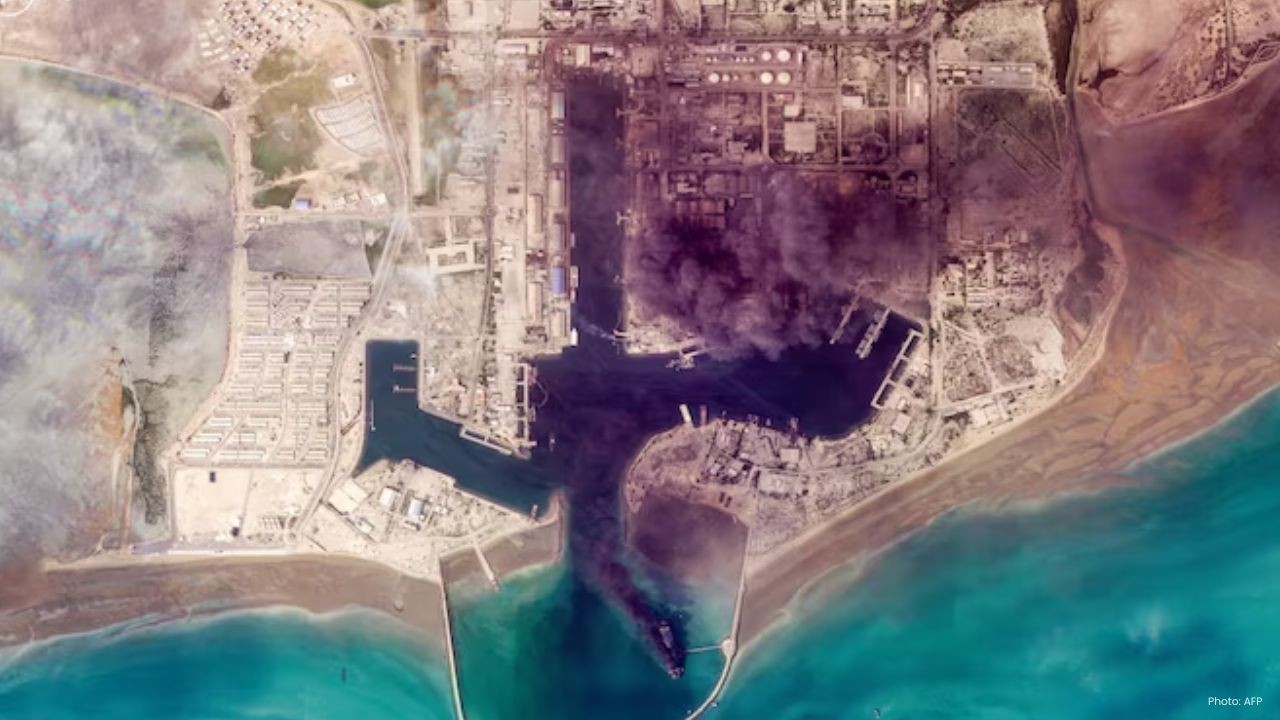
Asia Faces Energy Shock After Iran Closes Strait
Iran shuts Strait of Hormuz amid US-Israel strikes, sending oil prices higher and raising serious en


Bank of Baroda Faces Abu Dhabi Legal Battle over NMC Collapse
Bank of Baroda’s involvement in Abu Dhabi litigation tied to the NMC Healthcare collapse raises repu

Top Museum Openings of 2026 Set to Transform Global Tourism
From Los Angeles to Abu Dhabi and Brussels, 2026 brings major museum launches—Lucas Museum, Guggenhe

UAE Tour Highlights UAE’s Strength in Hosting Global Sports Events
Abu Dhabi Sports Council says the successful UAE Tour reflects the UAE’s leading role in hosting maj

EU Seeks Clarity from US After Supreme Court IEEPA Ruling
European Commission urges full transparency from the US on steps after Supreme Court ruling, emphasi

SpaceX Launches 53 New Satellites for Expanding Starlink Network
SpaceX launches 53 Starlink satellites in two Falcon 9 missions, breaking reuse records and expandin

RTA Awards Contract for Phase II of Hessa Street Upgrade in Dubai
Phase II of Hessa Street Development to add bridges, tunnel, and upgraded intersections, doubling ca

UAE Gold Prices Today, Monday 16 February 2026: Dubai & Abu Dhabi Updated Rates
Gold prices in UAE on 16 Feb 2026 updated: 24K around AED 599.75/gm, 22K AED 555.25/gm, and 18K AED

Over 25 Ahmedabad Schools Receive Bomb Threat Email, Authorities Investigate
More than 25 schools in Ahmedabad evacuated after bomb threat emails mentioning Khalistan. Authoriti