Post by : Sam Jeet Rahman
Living in the UAE has long been associated with high quality of life, modern infrastructure, and strong job opportunities. In recent years, however, the landscape of everyday expenses has shifted significantly. Rising costs across housing, utilities, food, transportation, education, and healthcare are reshaping how residents budget, spend, save, and plan for the future. This change affects not just expatriates but also UAE nationals, businesses, retirees, students, and families. Understanding these shifts is essential for anyone living in or considering moving to the UAE in 2026. This article explores the reasons behind rising expenses, how they are altering lifestyles, and what residents can do to adapt effectively.
One of the most noticeable changes in the UAE is the increase in cost of living across nearly all categories. While the UAE remains competitive compared to many Western cities, the pace at which expenses have risen has caught many residents off guard.
Housing is one of the largest monthly expenses for anyone living in the UAE. In recent years, rental rates have climbed steadily due to high demand and limited supply in popular areas. Cities like Dubai and Abu Dhabi continue to attract skilled professionals, investors, and families, which has maintained strong rental markets.
Rent increases affect not only new leases but also renewals. A unit that cost comfortably within budget two years ago may now require a significant portion of a household’s monthly income. This trend has several consequences:
Residents are moving to more affordable neighbourhoods, increasing commute times.
Shared accommodation is becoming more common among young professionals.
Renters are negotiating longer-term contracts to lock in rates and avoid annual spikes.
Because housing forms the backbone of monthly budgets, these rent increases cascade into changes in spending on transport, food, utilities, and lifestyle choices.
Utility costs—including electricity, water, cooling, and internet—have also risen. The UAE government has gradually adjusted tariffs to reflect global energy costs and encourage efficient energy use. While some of these adjustments support sustainability goals, many residents feel the impact on their monthly bills.
Service charges in residential buildings, including DEWA (Dubai Electricity and Water Authority) bills, cooling charges in summer, and maintenance fees, have also crept upward. This has led residents to adopt energy-saving habits and choose more efficient appliances to curb monthly bills.
Food and grocery costs in the UAE have risen due to a combination of supply chain pressures, global inflationary forces, and increased demand. The UAE imports most of its food, and international logistics disruptions—coupled with currency fluctuations—have contributed to higher supermarket prices.
Vegetables, dairy products, meat, and imported goods now carry higher price tags. Even everyday staples like rice, eggs, and bread have seen incremental price increases over time. As a result:
Families are adjusting grocery lists, favouring local produce or seasonal items.
Bulk purchases and home meal preparation are becoming more common to stretch budgets.
Dining out has become more of a special occasion rather than an everyday event for many households.
These shifts are influencing how residents plan meals, shop for essentials, and allocate monthly spending on food.
Transportation remains integral to life in the UAE, where distances between home, work, and leisure spots can be significant.
Fuel prices, historically stable in the UAE due to domestic production, have begun to shift in line with global markets. While fuel remains relatively affordable compared to some countries, periodic adjustments influence commuter costs and business logistics.
Public transport—which includes buses, metro systems, and trams—offers cost-effective alternatives to car travel, but expansion and operational costs have translated into modest fare increases in some cases. Ride-hailing services and taxis, often used for convenience or short-distance travel, have also seen price rises linked to service fees and driver costs.
These transportation trends influence daily commuting decisions:
More residents are considering public transport routes or transit-oriented living.
Carpooling and ride-sharing among colleagues and neighbours are becoming more common.
Vehicle ownership costs—which include insurance, fuel, and maintenance—are prompting some to delay buying new cars.
Healthcare quality in the UAE is high, but so are the associated costs. Medical services, specialist consultations, diagnostic tests, and elective procedures all come at a financial premium. While employer-provided health insurance covers a significant portion of medical expenses for many expatriates, gaps still exist:
Co-pays and deductibles remain a burden for some treatments.
Supplementary coverage is becoming necessary for comprehensive plans.
Annual premium increases are listed as part of inflation-driven pressure.
Families with children and older adults feel the strain most acutely, as paediatric and age-related care often require more frequent consultations and long-term plans.
For families living in the UAE, education is one of the biggest annual expenses. International school fees—especially for Western curricula such as British, American, or IB programs—have been rising steadily. This rise reflects:
Increased demand for quality education
Investments in facilities and technology by schools
Higher regulatory compliance costs for educational institutions
School fees often take a large portion of household income and impact savings plans, vacations, and discretionary spending. Some families have responded by:
Choosing schools in adjacent emirates with lower fees
Applying for scholarships or financial assistance programs
Opting for school payment plans that spread costs over a year
These approaches help manage cash flow but still reflect broader inflationary pressures on long-term household planning.
As daily expenses rise, residents find it harder to maintain historical savings patterns. In the past decade, many UAE residents were able to save a sizable portion of monthly income due to favourable tax conditions and relatively stable costs. Today, rising living expenses mean that:
Savings contributions are being reduced to cover essentials
Emergency funds are prioritized over long-term investments
Investment strategies shift toward more conservative, liquid options
Retirement planning timelines are being reconsidered
This shift reflects a move from proactive investment strategies to defensive financial planning where the focus is on maintaining security rather than aggressive growth.
Remote and hybrid work patterns, accelerated by global shifts over the last few years, have also influenced expense management. With commuting reduced or eliminated for many, some residents have been able to balance rising costs with savings in transportation and professional wardrobe expenses. However, remote work also introduced new costs:
Increased home utility usage
Investments in home office equipment
Higher internet usage and subscription costs
In response, some households are optimizing their living arrangements, choosing smaller units with lower rent or moving to less expensive emirates like Sharjah or Ajman while commuting to work hubs when necessary.
Rising living expenses impact how residents socialise and spend leisure time. Activities that were once affordable or taken for granted—such as dining out, short weekend getaways, spa days, or entertainment events—are now more carefully budgeted:
Residents prioritise value-driven entertainment
Local travel within the UAE is becoming more popular than international trips
Free or low-cost community events gain traction for socialising
This shift reflects a broader trend toward mindful spending where experiences are chosen based on both enjoyment and value.
With rising costs, spending behaviour undergoes subtle but impactful changes:
More residents compare prices before purchases
Couponing, discount hunting, and loyalty programmes become routine
Subscription services are evaluated for value instead of convenience
Purchases are delayed or replaced with affordable alternatives
This behaviour is often a response to tight cash flow, with households treating every expense as a decision rather than a default.
Local small businesses in the UAE feel the impact of rising expenses in multiple ways:
Higher rent for retail and commercial space
Increased wages to retain talent
Rising cost of goods and supply chain delays
Customer sensitivity to price increases
Small businesses are adapting by:
Reducing overhead through automation
Shifting to digital storefronts
Offering tiered services or bundled packages
Increasing value through loyalty programmes
These responses reflect a broader trend where businesses must innovate and streamline operations to remain profitable without passing all costs onto customers.
The UAE government has introduced measures over time to support economic stability and affordability. These include:
Periodic adjustments to public transport pricing
Monitoring rental markets
Initiatives to support affordable housing
Support programmes for small and medium enterprises
While these policies do not eliminate rising costs, they help cushion the impact and provide frameworks for sustainable growth.
Despite rising expenses, the UAE remains an attractive place to live and work due to:
Zero income tax on personal earnings
High-quality infrastructure and public services
Safety, security, and multicultural environment
Access to global business opportunities
The challenge is adapting financial habits, planning with higher expense projections, and making informed lifestyle choices that balance quality of life with financial stability.
To navigate this changing expense landscape effectively, residents can consider the following practical steps:
Aim for 6–9 months of essential expenses instead of the traditional 3–6 months.
Track changes in housing, food, transport, utilities, education, and healthcare expenses every quarter.
Consider up-and-coming neighbourhoods or shared accommodation if suitable.
Prioritise essentials first and treat leisure spending as a plan, not a habit.
Explore freelance work, part-time consulting, or passive investment options that fit your skills.
Investments that beat inflation, diversified portfolios, and tax‑efficient strategies can preserve wealth.
These steps help residents maintain financial resilience without sacrificing well‑being.
Rising expenses are changing life in the UAE in 2026, but they are not making it unaffordable for everyone. The key difference between those who struggle and those who adapt lies in financial awareness, lifestyle choices, and proactive planning. By understanding where costs are rising most, how to optimise spending, and how to balance quality of life with financial habits, residents can continue to enjoy what the UAE offers while safeguarding their economic future.
This article provides general information on living expenses and financial habits in the UAE based on current trends and observations. Costs may vary depending on individual lifestyle, income level, family size, and personal financial goals. This is not financial advice, and readers should consult professional advisors for personalised planning.

US Stocks Slide as AI Fears, Inflation and Oil Surge Weigh
US stocks dropped as AI disruption fears hit tech firms, inflation rose above forecasts, and oil pri

Pacific Prime Wins Top Honors at Cigna Awards 2026
Pacific Prime secured Top Individual Broker and Top SME Broker awards at Cigna’s Annual Broker Award

QatarEnergy Halts LNG Output After Military Attack
QatarEnergy has stopped LNG production after military attacks hit its facilities in Ras Laffan and M

Strong 6.1 Magnitude Earthquake Hits West Sumatra, No Damage
A 6.1 earthquake struck off West Sumatra, Indonesia. No casualties, damage, or tsunami alert reporte

Saudi Confirms Drone Strike on US Embassy Riyadh
Two drones hit the US Embassy in Riyadh, causing a small fire and minor damage. No injuries were rep

UAE Restarts Limited Flights as Regional Airspace Disruptions Continue
UAE restarts limited flights from Dubai as US-Israel attacks on Iran disrupt regional airspace, forc
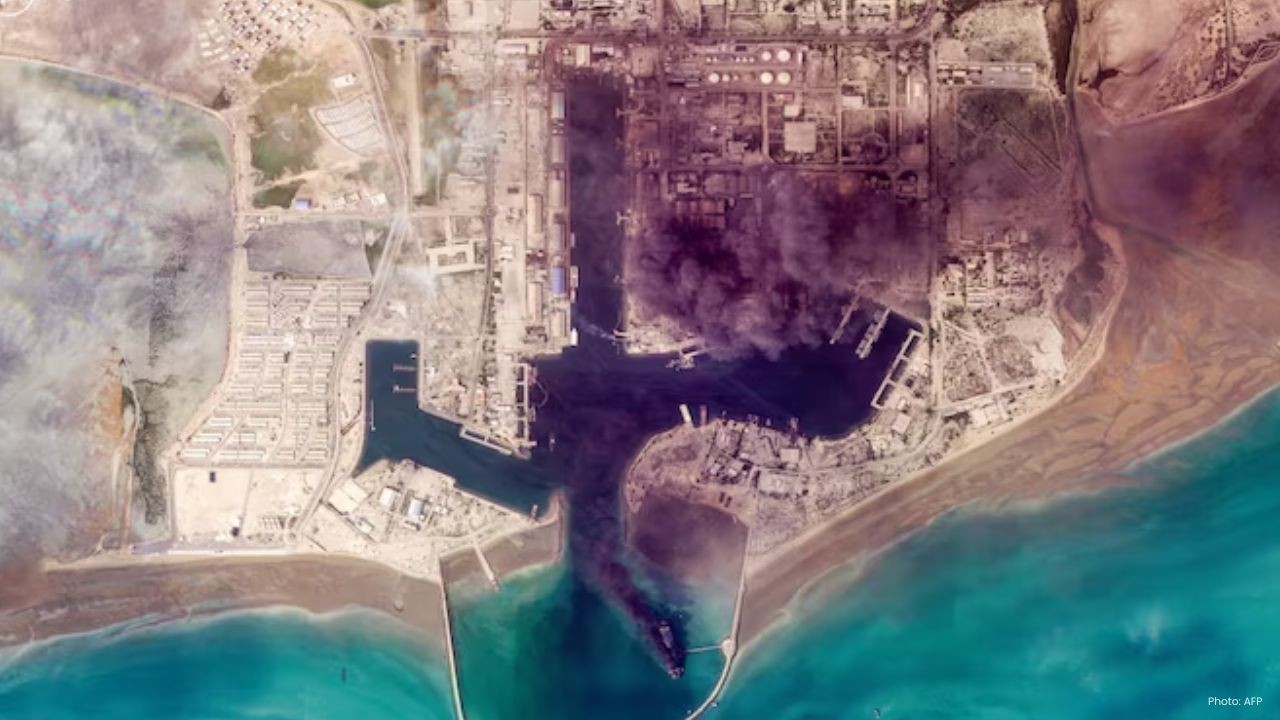
Asia Faces Energy Shock After Iran Closes Strait
Iran shuts Strait of Hormuz amid US-Israel strikes, sending oil prices higher and raising serious en


Bank of Baroda Faces Abu Dhabi Legal Battle over NMC Collapse
Bank of Baroda’s involvement in Abu Dhabi litigation tied to the NMC Healthcare collapse raises repu

Top Museum Openings of 2026 Set to Transform Global Tourism
From Los Angeles to Abu Dhabi and Brussels, 2026 brings major museum launches—Lucas Museum, Guggenhe

UAE Tour Highlights UAE’s Strength in Hosting Global Sports Events
Abu Dhabi Sports Council says the successful UAE Tour reflects the UAE’s leading role in hosting maj

EU Seeks Clarity from US After Supreme Court IEEPA Ruling
European Commission urges full transparency from the US on steps after Supreme Court ruling, emphasi
SpaceX Launches 53 New Satellites for Expanding Starlink Network
SpaceX launches 53 Starlink satellites in two Falcon 9 missions, breaking reuse records and expandin
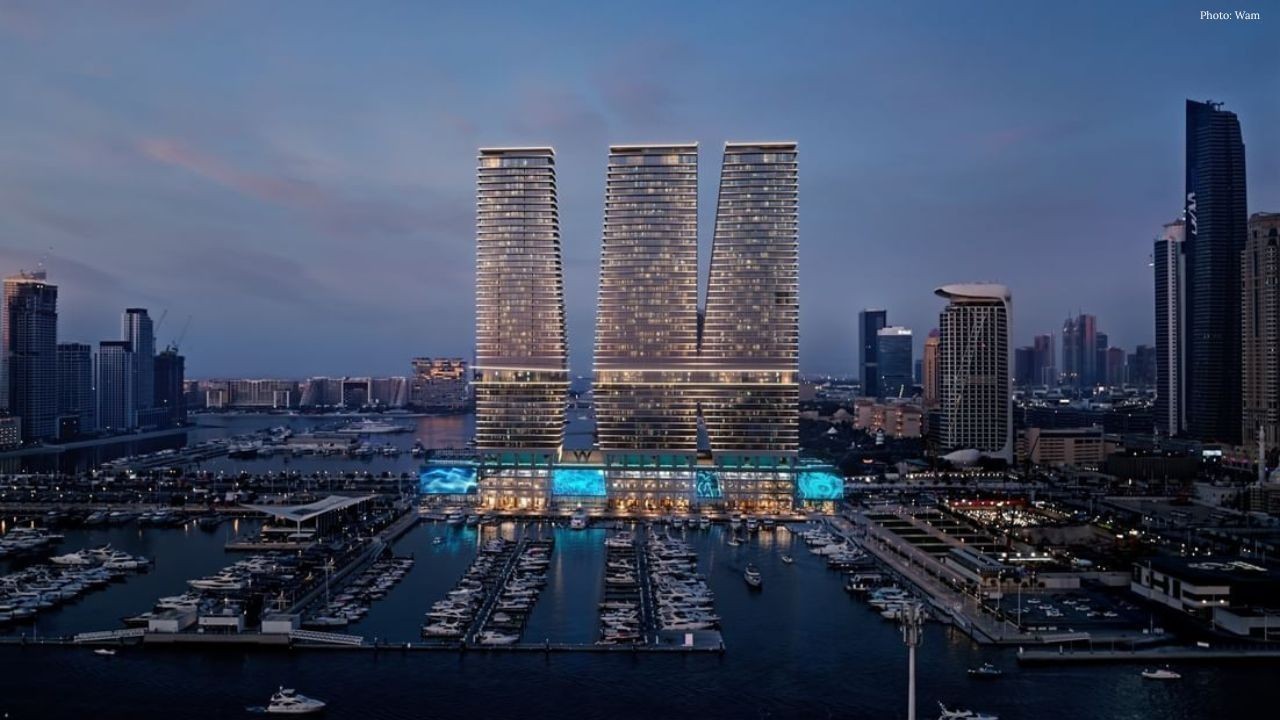
RTA Awards Contract for Phase II of Hessa Street Upgrade in Dubai
Phase II of Hessa Street Development to add bridges, tunnel, and upgraded intersections, doubling ca

UAE Gold Prices Today, Monday 16 February 2026: Dubai & Abu Dhabi Updated Rates
Gold prices in UAE on 16 Feb 2026 updated: 24K around AED 599.75/gm, 22K AED 555.25/gm, and 18K AED

Over 25 Ahmedabad Schools Receive Bomb Threat Email, Authorities Investigate
More than 25 schools in Ahmedabad evacuated after bomb threat emails mentioning Khalistan. Authoriti