Post by : Sam Jeet Rahman
Dubai’s public transport system is often misunderstood by first-time visitors and even new residents. Many assume Dubai is only car-friendly or taxi-dependent, but in reality, the city has built one of the most organized, affordable, and technologically integrated public transport networks in the Middle East. From metro trains and trams to buses, water transport, and smart cards, Dubai’s system is designed to be efficient, clean, and accessible.
This guide explains how Dubai’s public transport works, how fares are calculated, what prices actually look like, and how residents and tourists can use it smartly without confusion.
All public transport in Dubai is managed by the Roads and Transport Authority (RTA). The RTA oversees planning, pricing, safety, integration, and digital services. This centralized control ensures consistency across all transport modes.
The system is built around cashless travel, zone-based pricing, and interconnectivity. One card works across metro, buses, trams, and water transport.
Dubai is divided into fare zones, and ticket prices depend on how many zones you travel through, not the distance.
Zone 1 covers central areas like Bur Dubai, Deira, and parts of Downtown
Zone 2 includes areas like Al Barsha and surrounding districts
Zone 3 covers outer areas such as Jebel Ali and Expo City
When you travel within one zone, fares are lowest. Crossing multiple zones increases the fare slightly.
Dubai uses a unified smart card called the Nol Card. This is the foundation of the entire transport system.
Red Ticket: Best for tourists and short stays
Silver Nol Card: Most common option for residents
Gold Nol Card: Same as Silver but with access to Gold Class cabins
Blue Nol Card: Personalized card for students, seniors, and special categories
The Nol Card works across metro, buses, trams, and water transport.
The Dubai Metro is the backbone of public transport. It is fully automated, driverless, air-conditioned, and extremely punctual.
Red Line: Runs from Centrepoint (near DXB Airport) to Expo City
Green Line: Connects Deira and Bur Dubai
The Red Line is especially popular as it connects airports, business districts, malls, and tourist attractions.
Stations are well-marked, multilingual, and designed for ease of use. Elevators, escalators, tactile paths, and clear signage make the system accessible for everyone.
Metro fares depend on zones and card type.
Using a Silver Nol Card, typical fares are:
Travel within 1 zone: approx AED 3
Travel across 2 adjacent zones: approx AED 5
Travel across more than 2 zones: approx AED 7.5
Gold Class costs roughly double the Silver fare.
Daily, weekly, and monthly passes are also available and reduce overall travel costs for frequent users.
Gold Class offers:
More space
Quieter cabins
Priority seating
Silver Class is more economical and widely used.
Using Gold Class with a Silver card can result in fines, so card type must match cabin type.
Dubai’s bus network fills the gaps where metro does not reach. Buses are modern, air-conditioned, and operate on strict schedules.
Local buses
Feeder buses connecting metro stations
Intercity buses to Sharjah, Abu Dhabi, and other emirates
Bus stops are sheltered, air-conditioned in many areas, and display route information digitally.
Bus fares are also zone-based and deducted automatically from the Nol Card.
Typical fares align with metro pricing, making buses an affordable option for daily commuting.
Feeder buses to metro stations are often included in the same journey if used within a specific time window.
The Dubai Tram operates primarily in areas like Dubai Marina, JBR, and Al Sufouh.
Connects metro stations to residential and beach areas
Reduces reliance on taxis in high-traffic zones
Fully integrated with Nol Card system
Tram fares are usually equivalent to single-zone metro travel.
Dubai also offers water-based public transport, combining utility with scenic travel.
Water Bus: Affordable and route-based
Dubai Ferry: Longer routes with city views
Abra: Traditional wooden boats, especially in Deira and Bur Dubai
The classic Abra ride across Dubai Creek remains one of the cheapest transport options in the city.
Traditional Abra rides typically cost around AED 1 to AED 2
Water buses and ferries cost more depending on route and service level
Water transport can be paid via Nol Card in many locations.
Dubai offers daily, weekly, and monthly passes for frequent users.
Unlimited travel within selected zones
Lower cost per trip
Ideal for daily office commuters
Monthly passes are especially cost-effective for residents using metro and buses regularly.
Dubai does not use surge pricing for public transport. However:
Peak hours are usually morning and evening office times
Trains may be crowded during peak periods
Prices remain the same regardless of time, which helps with predictable budgeting.
Dubai enforces strict transport rules to maintain order.
Common fines include:
Traveling without sufficient balance
Entering Gold Class with Silver card
Eating or drinking in metro
Crossing safety lines
Fines are enforced digitally and deducted through official channels.
Public transport integrates smoothly with taxis.
Metro stations have taxi ranks
Ride-hailing services operate near stations
This allows seamless last-mile connectivity without owning a car.
Tourists benefit greatly from Dubai’s transport system.
Airport-connected metro
Easy access to landmarks
Affordable travel compared to taxis
Red Tickets or Silver Nol Cards are usually sufficient for short stays.
For residents, public transport reduces:
Fuel costs
Parking stress
Traffic exposure
Many professionals rely entirely on metro and buses for daily commuting.
Dubai public transport is known for:
High cleanliness
CCTV surveillance
Dedicated cabins for women and children
Security staff and emergency systems are present across stations and vehicles.
RTA offers apps for:
Route planning
Fare calculation
Card balance checking
Service updates
Digital access reduces confusion and improves travel planning.
Public transport plays a role in Dubai’s sustainability goals.
Reduced carbon emissions
Lower traffic congestion
Energy-efficient systems
Choosing public transport supports long-term urban planning.
It is not slow or outdated
It is not expensive compared to taxis
It is suitable for daily life, not just tourists
Understanding the system changes how people experience the city.
Dubai’s public transport is structured, affordable, and reliable. Once you understand zones, Nol cards, and basic rules, traveling becomes simple and predictable. Whether you are a tourist, new resident, or long-term professional, the system is designed to save time, money, and effort.
Public transport in Dubai is not just an alternative—it is a smart urban mobility solution.
This article is intended for general informational purposes only. Transport routes, prices, rules, and services may change over time based on RTA policies and operational updates. Readers are advised to check official RTA sources or station information for the most accurate and up-to-date details before travel.

US Stocks Slide as AI Fears, Inflation and Oil Surge Weigh
US stocks dropped as AI disruption fears hit tech firms, inflation rose above forecasts, and oil pri

Pacific Prime Wins Top Honors at Cigna Awards 2026
Pacific Prime secured Top Individual Broker and Top SME Broker awards at Cigna’s Annual Broker Award
QatarEnergy Halts LNG Output After Military Attack
QatarEnergy has stopped LNG production after military attacks hit its facilities in Ras Laffan and M
Strong 6.1 Magnitude Earthquake Hits West Sumatra, No Damage
A 6.1 earthquake struck off West Sumatra, Indonesia. No casualties, damage, or tsunami alert reporte
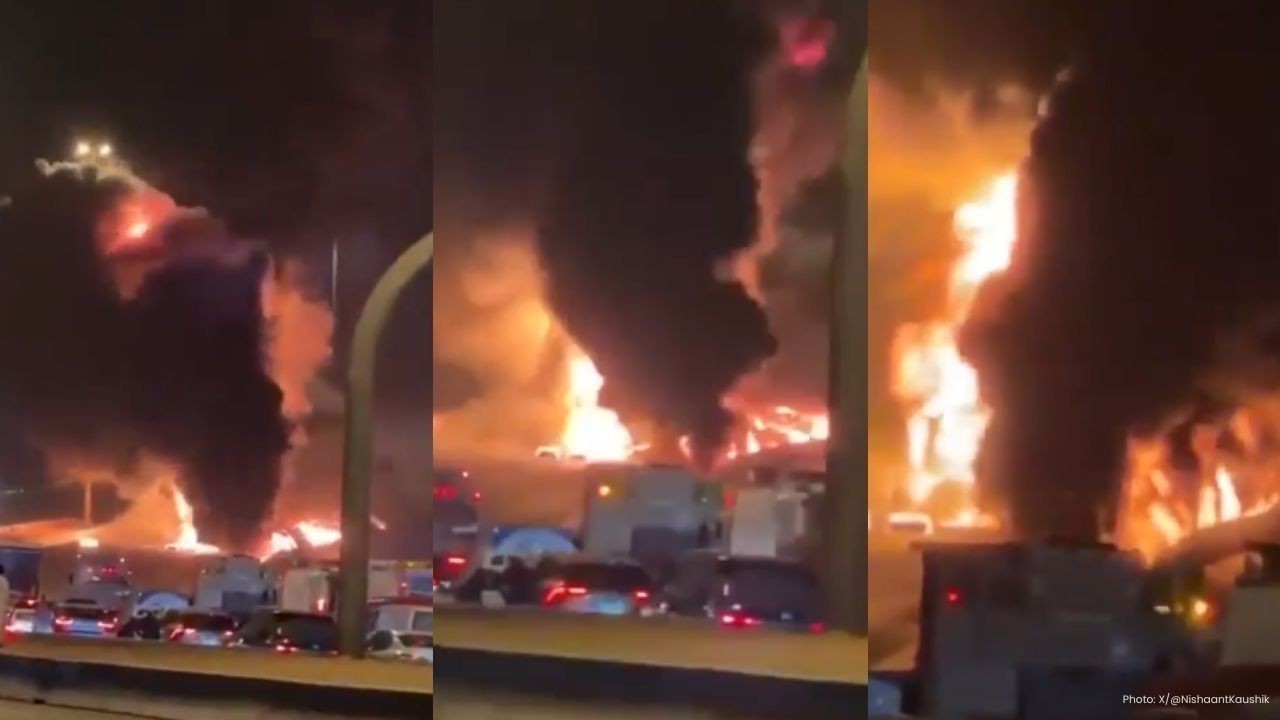
Saudi Confirms Drone Strike on US Embassy Riyadh
Two drones hit the US Embassy in Riyadh, causing a small fire and minor damage. No injuries were rep
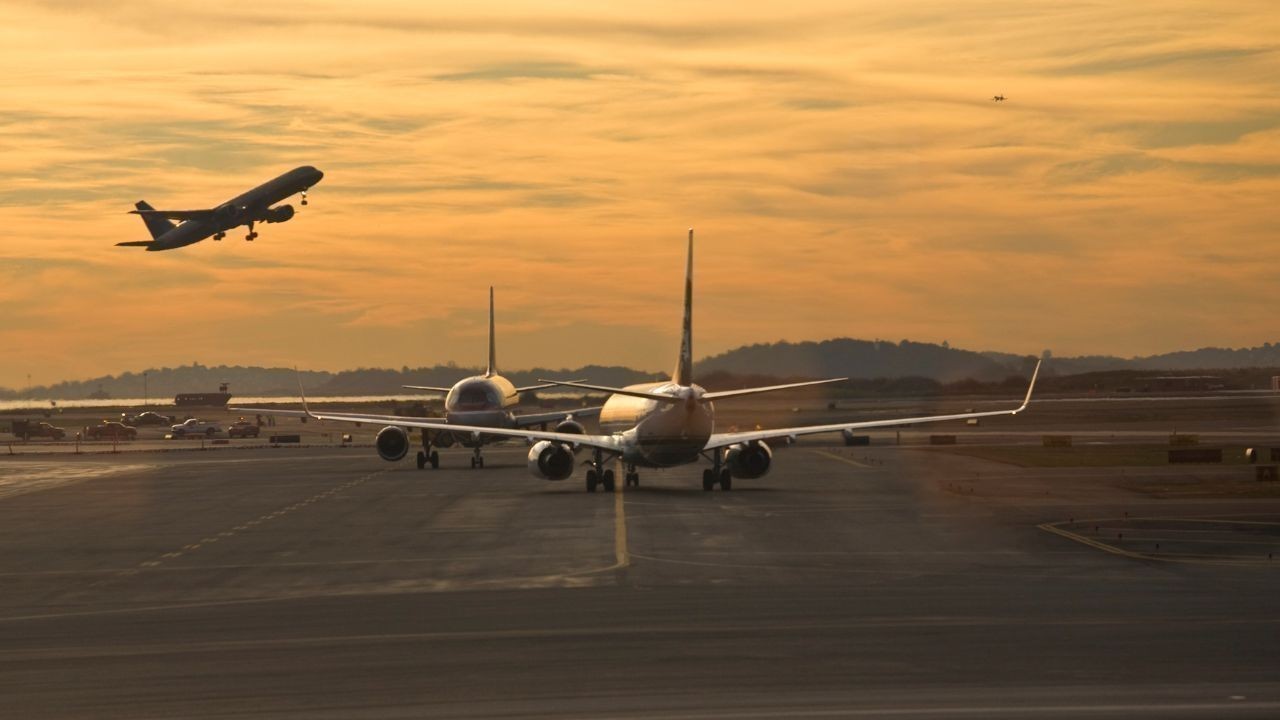
UAE Restarts Limited Flights as Regional Airspace Disruptions Continue
UAE restarts limited flights from Dubai as US-Israel attacks on Iran disrupt regional airspace, forc
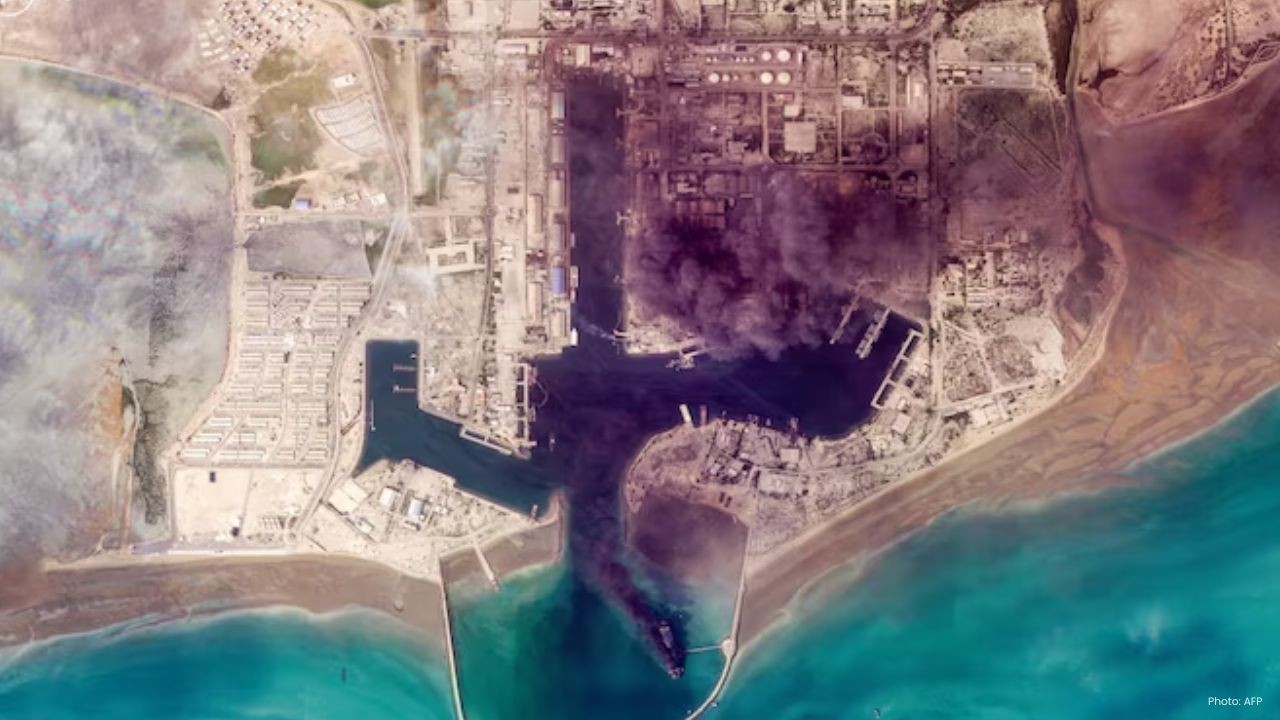
Asia Faces Energy Shock After Iran Closes Strait
Iran shuts Strait of Hormuz amid US-Israel strikes, sending oil prices higher and raising serious en

Bank of Baroda Faces Abu Dhabi Legal Battle over NMC Collapse
Bank of Baroda’s involvement in Abu Dhabi litigation tied to the NMC Healthcare collapse raises repu
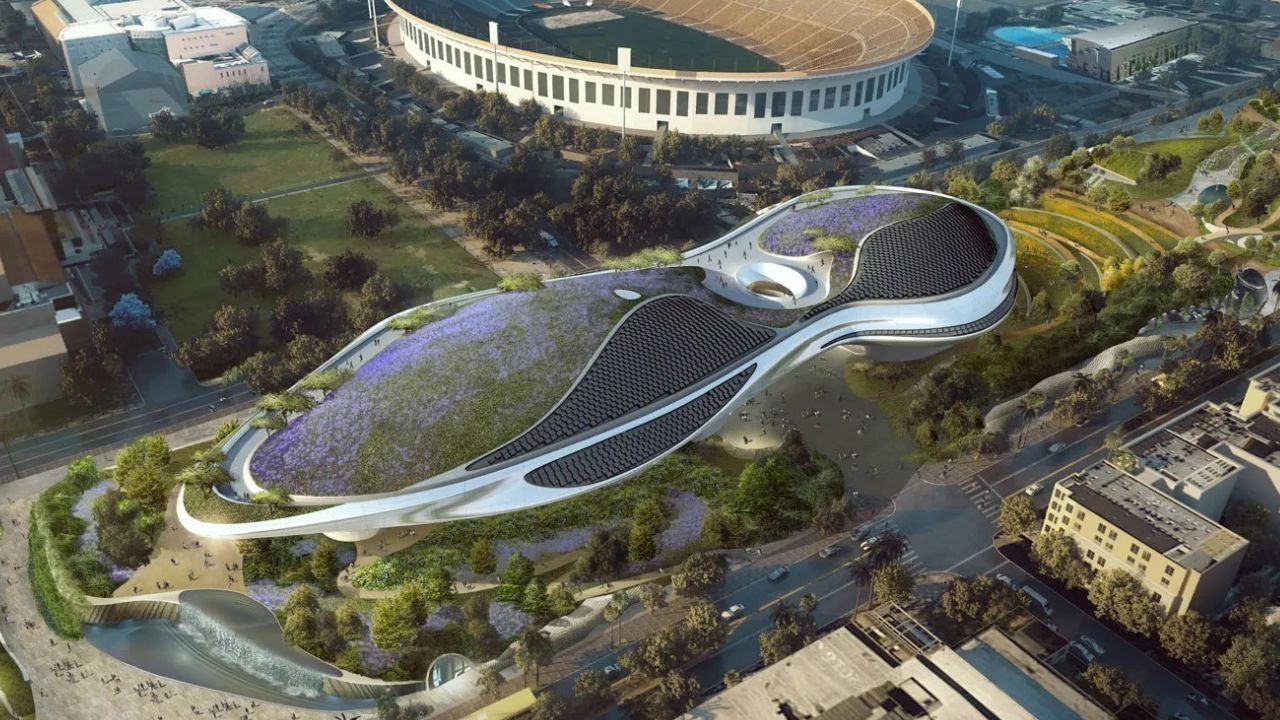
Top Museum Openings of 2026 Set to Transform Global Tourism
From Los Angeles to Abu Dhabi and Brussels, 2026 brings major museum launches—Lucas Museum, Guggenhe

UAE Tour Highlights UAE’s Strength in Hosting Global Sports Events
Abu Dhabi Sports Council says the successful UAE Tour reflects the UAE’s leading role in hosting maj
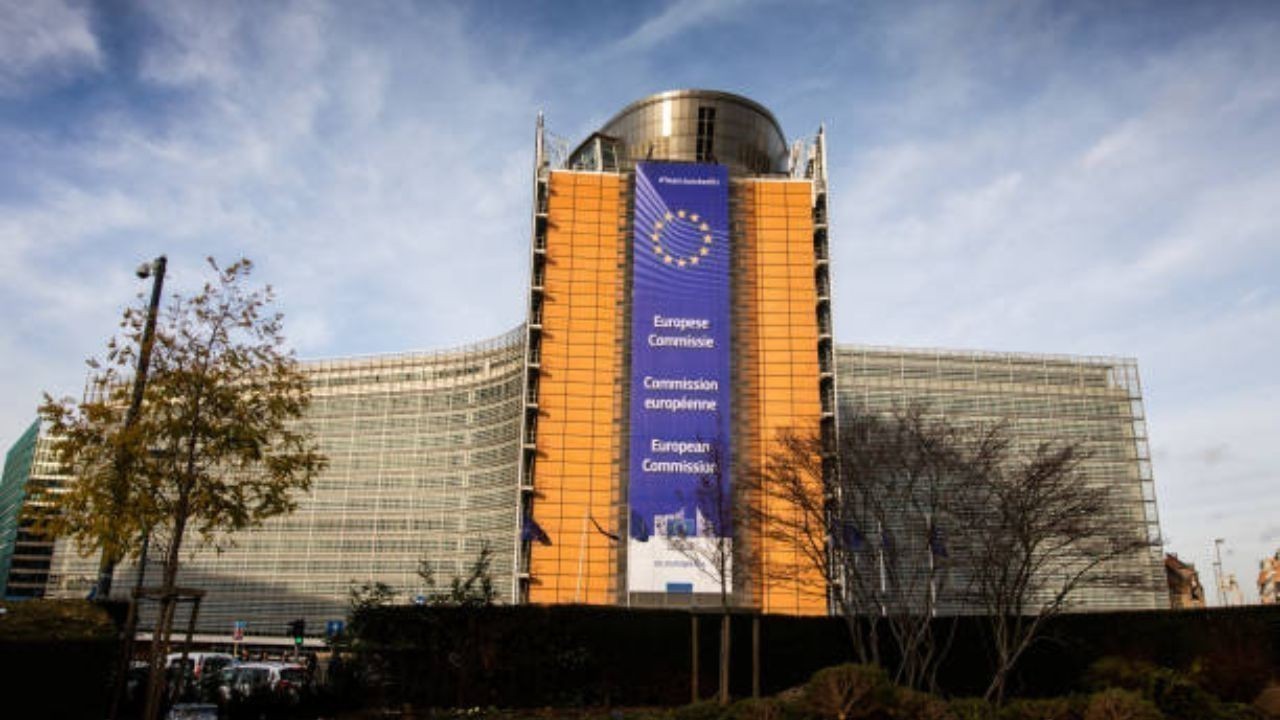
EU Seeks Clarity from US After Supreme Court IEEPA Ruling
European Commission urges full transparency from the US on steps after Supreme Court ruling, emphasi
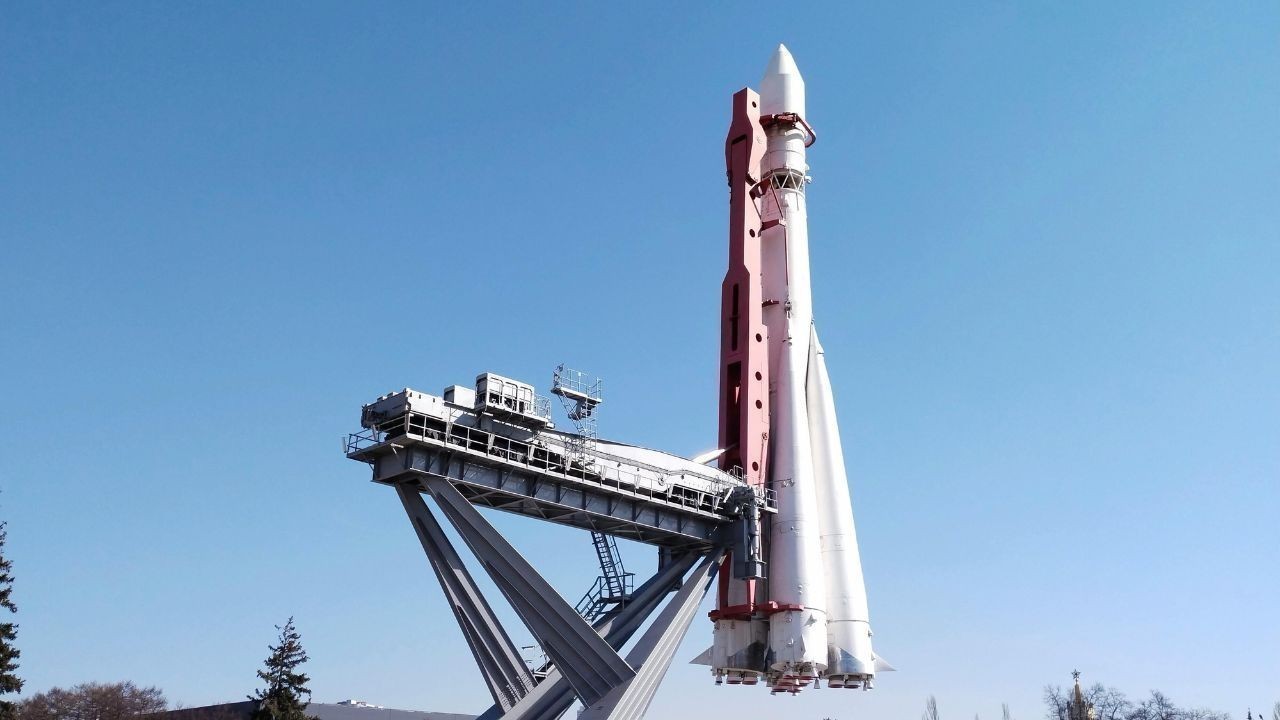
SpaceX Launches 53 New Satellites for Expanding Starlink Network
SpaceX launches 53 Starlink satellites in two Falcon 9 missions, breaking reuse records and expandin
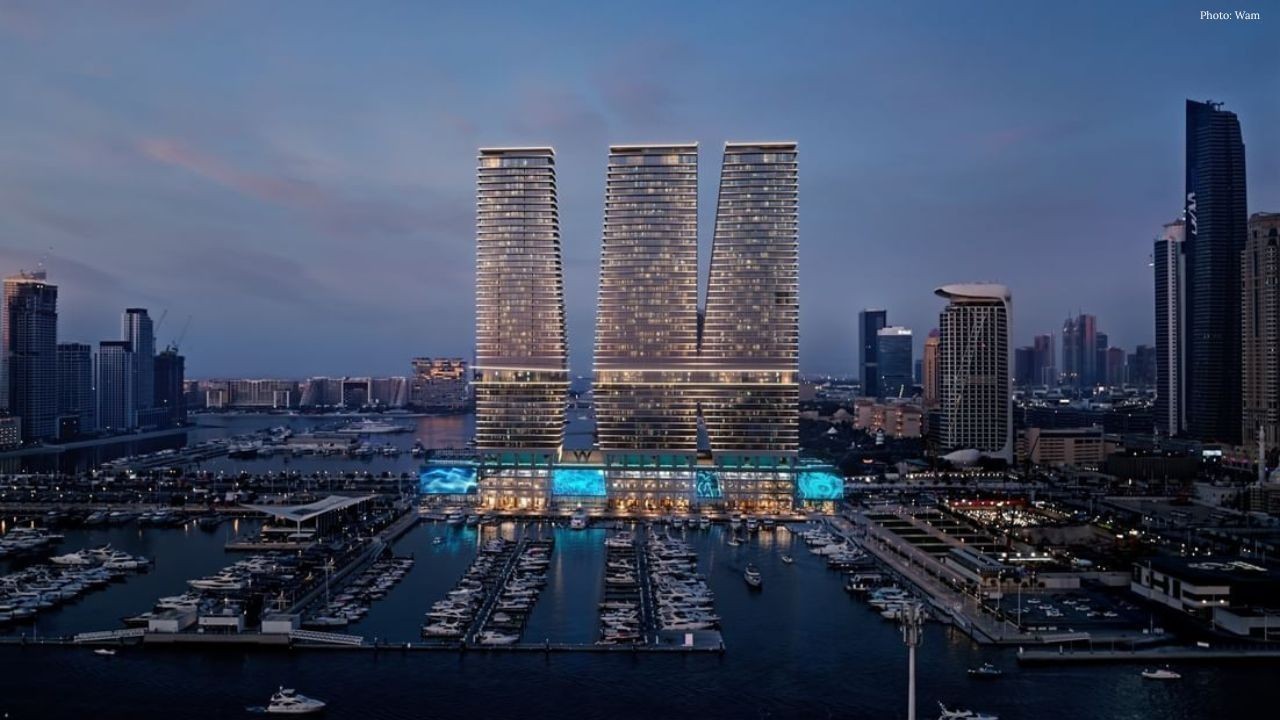
RTA Awards Contract for Phase II of Hessa Street Upgrade in Dubai
Phase II of Hessa Street Development to add bridges, tunnel, and upgraded intersections, doubling ca

UAE Gold Prices Today, Monday 16 February 2026: Dubai & Abu Dhabi Updated Rates
Gold prices in UAE on 16 Feb 2026 updated: 24K around AED 599.75/gm, 22K AED 555.25/gm, and 18K AED

Over 25 Ahmedabad Schools Receive Bomb Threat Email, Authorities Investigate
More than 25 schools in Ahmedabad evacuated after bomb threat emails mentioning Khalistan. Authoriti