Post by : Sam Jeet Rahman
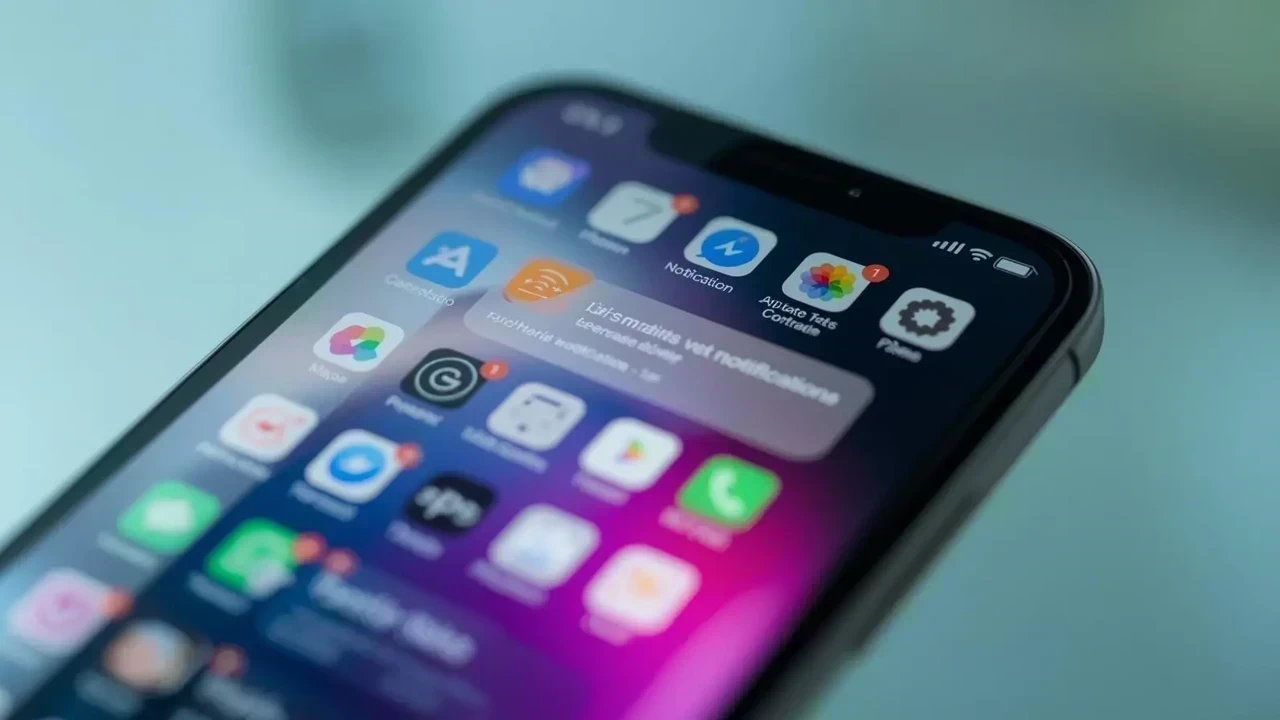
Smartphones were designed to make life easier, but notifications have slowly turned into constant interruptions. Messages, app alerts, emails, social media updates, and reminders compete for attention throughout the day. What feels like a small distraction often has a much deeper impact on focus, productivity, and mental clarity than most people realize.
Every notification pulls attention away from the task at hand. Even if you do not open the notification, your brain still registers it. This brief interruption forces your mind to shift focus, breaking the flow of concentration. Research-backed behavioral patterns show that once focus is interrupted, it can take several minutes to fully return to the original task.
Phone notifications encourage constant task switching. Moving between work, messages, and social apps may seem harmless, but the brain struggles to adapt quickly. Frequent task switching increases mental fatigue, reduces efficiency, and lowers the quality of work. Over time, this habit trains the brain to seek interruptions instead of sustained focus.
Many people believe keeping the phone on silent solves the problem. However, visual notifications, vibration alerts, or even the expectation of a notification can be distracting. Knowing that a message might arrive keeps the brain in a state of alertness, reducing deep concentration even without sound.
Notifications trigger dopamine, the brain’s reward chemical. Every alert creates anticipation, making people check their phones repeatedly. This cycle trains the brain to crave constant stimulation, reducing patience for long or complex tasks. Over time, deep focus feels uncomfortable, and shallow attention becomes the norm.
At work, frequent notifications lead to slower task completion and more errors. Employees may appear busy but achieve less due to constant interruptions. This fragmented attention affects creativity, problem-solving ability, and decision-making. Even short notification checks can significantly reduce overall productivity across the day.
Constant alerts keep the nervous system active. The brain remains in a semi-stressed state, always ready to respond. This increases mental exhaustion and contributes to anxiety. Many people feel overwhelmed not because of workload, but because of nonstop digital interruptions.
Focus is essential for memory formation and learning. When notifications interrupt attention, information is not processed deeply. This makes it harder to retain new knowledge or fully understand complex topics. Over time, this weakens learning ability and reduces mental sharpness.
Social media apps are designed to maximize engagement. Likes, comments, and notifications are timed to pull users back repeatedly. This constant checking habit reduces attention span and makes it difficult to stay engaged with real-world tasks for extended periods.
Night-time notifications disturb sleep cycles even if the phone is not actively checked. Light alerts and vibrations interrupt deep sleep, reducing mental recovery. Poor sleep further weakens focus, creating a cycle of distraction and fatigue the next day.
Notifications create a false sense of productivity and connection. Responding instantly feels efficient, but it often leads to scattered attention. True productivity comes from focused work, not constant responsiveness.
Beyond work, notifications affect conversations, reading habits, and even relaxation. Many people struggle to watch a full movie, read a book, or enjoy quiet time without checking their phone. This constant distraction reduces the quality of everyday experiences.
Over time, frequent notification exposure shortens attention span. Tasks that require sustained mental effort feel exhausting. This makes it harder to focus on goals, plan effectively, or stay disciplined in personal and professional life.
Managing notifications does not require abandoning smartphones. Simple steps can restore focus
• Turning off non-essential app notifications
• Using focus or do-not-disturb modes during work hours
• Keeping the phone out of sight while working
• Scheduling specific times to check messages
• Reducing social media notification alerts
Focus improves with practice. Limiting notifications allows the brain to adjust back to deep concentration. Over time, tasks feel easier, productivity increases, and mental clarity improves without constant digital noise.
Many people blame lack of focus on laziness or low motivation, without realizing notifications are a major cause. Understanding how alerts affect the brain helps people take control of their attention rather than reacting to every ping.
Phone notifications may seem harmless, but they quietly damage focus, productivity, and mental well-being. By reducing unnecessary alerts and creating boundaries with digital devices, it is possible to regain attention, reduce stress, and improve overall quality of life.
This article is for general informational purposes only. Digital habits and their effects may vary from person to person. Individuals experiencing severe stress or attention-related concerns should seek professional guidance.

US Stocks Slide as AI Fears, Inflation and Oil Surge Weigh
US stocks dropped as AI disruption fears hit tech firms, inflation rose above forecasts, and oil pri

Pacific Prime Wins Top Honors at Cigna Awards 2026
Pacific Prime secured Top Individual Broker and Top SME Broker awards at Cigna’s Annual Broker Award

QatarEnergy Halts LNG Output After Military Attack
QatarEnergy has stopped LNG production after military attacks hit its facilities in Ras Laffan and M

Strong 6.1 Magnitude Earthquake Hits West Sumatra, No Damage
A 6.1 earthquake struck off West Sumatra, Indonesia. No casualties, damage, or tsunami alert reporte

Saudi Confirms Drone Strike on US Embassy Riyadh
Two drones hit the US Embassy in Riyadh, causing a small fire and minor damage. No injuries were rep

UAE Restarts Limited Flights as Regional Airspace Disruptions Continue
UAE restarts limited flights from Dubai as US-Israel attacks on Iran disrupt regional airspace, forc

Asia Faces Energy Shock After Iran Closes Strait
Iran shuts Strait of Hormuz amid US-Israel strikes, sending oil prices higher and raising serious en


Bank of Baroda Faces Abu Dhabi Legal Battle over NMC Collapse
Bank of Baroda’s involvement in Abu Dhabi litigation tied to the NMC Healthcare collapse raises repu

Top Museum Openings of 2026 Set to Transform Global Tourism
From Los Angeles to Abu Dhabi and Brussels, 2026 brings major museum launches—Lucas Museum, Guggenhe

UAE Tour Highlights UAE’s Strength in Hosting Global Sports Events
Abu Dhabi Sports Council says the successful UAE Tour reflects the UAE’s leading role in hosting maj

EU Seeks Clarity from US After Supreme Court IEEPA Ruling
European Commission urges full transparency from the US on steps after Supreme Court ruling, emphasi

SpaceX Launches 53 New Satellites for Expanding Starlink Network
SpaceX launches 53 Starlink satellites in two Falcon 9 missions, breaking reuse records and expandin

RTA Awards Contract for Phase II of Hessa Street Upgrade in Dubai
Phase II of Hessa Street Development to add bridges, tunnel, and upgraded intersections, doubling ca

UAE Gold Prices Today, Monday 16 February 2026: Dubai & Abu Dhabi Updated Rates
Gold prices in UAE on 16 Feb 2026 updated: 24K around AED 599.75/gm, 22K AED 555.25/gm, and 18K AED

Over 25 Ahmedabad Schools Receive Bomb Threat Email, Authorities Investigate
More than 25 schools in Ahmedabad evacuated after bomb threat emails mentioning Khalistan. Authoriti





