Post by : Michael Darzi
Everyone grows up hearing different advice about how often we should eat. Some people strongly believe that eating three meals a day is the healthiest habit. Others say it is better to eat five or six small meals so you never feel too hungry. And many people today, especially those with busy jobs, skip meals because their routine doesn’t allow enough time to eat properly.
With so many different opinions around us, it’s natural to wonder: How many meals a day are truly healthy for the body?
The truth is simple — there is no single eating pattern that suits everyone. Each person has a different lifestyle, digestion, hunger level, work schedule, and health condition. What matters most is whether your eating routine gives you enough energy, keeps you comfortable, and prevents overeating.
This article explains, in clear and simple language, how meal frequency affects the body and how to choose an eating routine that works best for your life.
Your body needs fuel throughout the day to stay active. If you eat too much at once, you may feel heavy and sleepy. If you eat too little, you may feel weak, irritated, or end up eating too much later.
The number of meals you eat affects:
Your energy
Your hunger
Your weight
Your ability to focus
How well you sleep
How smoothly you digest food
That’s why choosing the right routine is more important than most people realise.
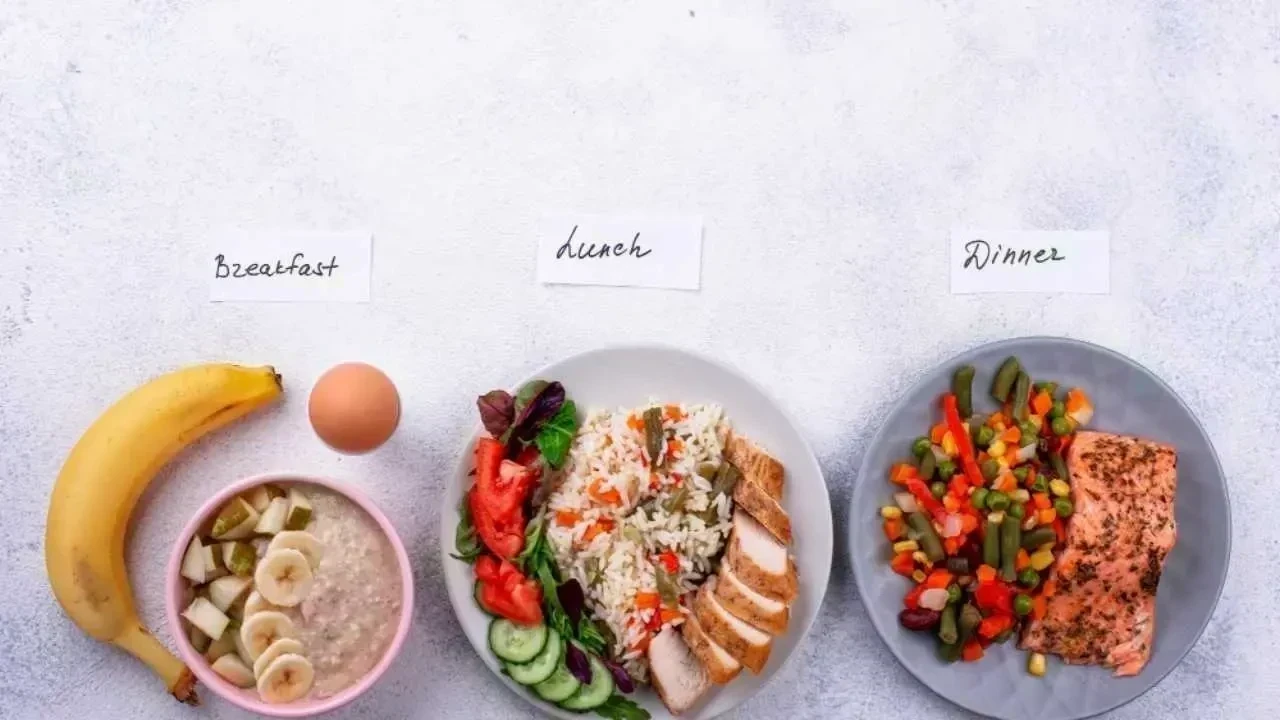
This is the most familiar pattern — breakfast, lunch, and dinner.
Why it works well for many people:
Simple and easy to follow
Fits into school and office routines
Gives the stomach enough time to rest
Reduces unnecessary snacking
Who it suits:
Students
Office workers
People with steady routines
Anyone who likes structure
This pattern works best when breakfast is filling, lunch is well balanced, and dinner is kept light.
Some people prefer eating small meals every few hours.
Benefits:
Keeps blood sugar steady
Reduces sudden hunger
Prevents overeating
Helps people who exercise regularly
Supports muscle building
Who it suits:
Gym-goers
People with active jobs
Anyone who feels hungry often
People who need steady energy
One important thing to remember — small meals should be healthy, not biscuits or fried snacks.
Some people prefer to eat only twice, usually a late breakfast and an early dinner. This is a popular form of intermittent fasting.
Benefits:
Helps reduce total calorie intake
Gives the digestive system a long break
May support weight loss
Can help some people manage blood sugar
Who it suits:
People who naturally don’t feel hungry early in the morning
Those following fasting-based routines
People trying to lose weight
However, this style does not suit everyone — especially people with acidity, diabetes, very active jobs, or certain health concerns.
Your body will give you signs if you’re eating the right number of meals:
You feel energetic throughout the day
You rarely feel extremely hungry
You don’t crave junk food often
Your digestion feels smooth
You sleep comfortably
You don’t overeat at night
If the opposite is happening, your routine needs to be adjusted.
Here is a simple guide based on your lifestyle:
Three meals + one light snack
(Like fruit or a handful of nuts.)
Five to six small meals, spaced throughout the day.
Two to three meals, depending on hunger and activity level.
Three meals + one or two healthy snacks, because their bodies need more fuel.
Small meals every 3–4 hours to manage sugar and acid levels.
Remember, your ideal number of meals should match your body’s needs, not someone else’s routine.
No matter which pattern you choose, starting your day with a proper breakfast makes a big difference.
A healthy breakfast should include:
Protein (eggs, dal, paneer, curd, sprouts)
Fibre (whole grains, fruits, oats)
Healthy fats (nuts and seeds)
Skipping breakfast can lead to:
Weakness
Overeating later
Cravings
Irritability
Low concentration
Have breakfast within 1–2 hours of waking
Keep a gap of 4–5 hours between large meals
Avoid letting yourself get extremely hungry
Drink water before meals
Keep dinner light
Stop eating at least 2 hours before bedtime
These small habits support digestion and help maintain a steady weight.
There is no single answer to how many meals a day are the healthiest. Some people feel better with two meals, others with three, and some prefer several small meals. The best routine is the one that keeps your body active, your digestion comfortable, and your hunger balanced.
The ideal eating pattern is the one that:
Helps you stay energetic
Reduces cravings
Supports your fitness goals
Fits your lifestyle
Keeps you at a healthy weight
The key is simple — listen to your body and choose a meal routine that works naturally for you.
This article is for general information only and should not be taken as medical advice. Meal frequency and diet needs vary from person to person. If you have health issues such as diabetes, acidity, hormonal imbalance, chronic illnesses, or if you are on medication, please consult your doctor or a certified nutritionist before changing your eating routine.

US Stocks Slide as AI Fears, Inflation and Oil Surge Weigh
US stocks dropped as AI disruption fears hit tech firms, inflation rose above forecasts, and oil pri

Pacific Prime Wins Top Honors at Cigna Awards 2026
Pacific Prime secured Top Individual Broker and Top SME Broker awards at Cigna’s Annual Broker Award

QatarEnergy Halts LNG Output After Military Attack
QatarEnergy has stopped LNG production after military attacks hit its facilities in Ras Laffan and M

Strong 6.1 Magnitude Earthquake Hits West Sumatra, No Damage
A 6.1 earthquake struck off West Sumatra, Indonesia. No casualties, damage, or tsunami alert reporte

Saudi Confirms Drone Strike on US Embassy Riyadh
Two drones hit the US Embassy in Riyadh, causing a small fire and minor damage. No injuries were rep

UAE Restarts Limited Flights as Regional Airspace Disruptions Continue
UAE restarts limited flights from Dubai as US-Israel attacks on Iran disrupt regional airspace, forc

Asia Faces Energy Shock After Iran Closes Strait
Iran shuts Strait of Hormuz amid US-Israel strikes, sending oil prices higher and raising serious en


Bank of Baroda Faces Abu Dhabi Legal Battle over NMC Collapse
Bank of Baroda’s involvement in Abu Dhabi litigation tied to the NMC Healthcare collapse raises repu

Top Museum Openings of 2026 Set to Transform Global Tourism
From Los Angeles to Abu Dhabi and Brussels, 2026 brings major museum launches—Lucas Museum, Guggenhe

UAE Tour Highlights UAE’s Strength in Hosting Global Sports Events
Abu Dhabi Sports Council says the successful UAE Tour reflects the UAE’s leading role in hosting maj

EU Seeks Clarity from US After Supreme Court IEEPA Ruling
European Commission urges full transparency from the US on steps after Supreme Court ruling, emphasi

SpaceX Launches 53 New Satellites for Expanding Starlink Network
SpaceX launches 53 Starlink satellites in two Falcon 9 missions, breaking reuse records and expandin

RTA Awards Contract for Phase II of Hessa Street Upgrade in Dubai
Phase II of Hessa Street Development to add bridges, tunnel, and upgraded intersections, doubling ca

UAE Gold Prices Today, Monday 16 February 2026: Dubai & Abu Dhabi Updated Rates
Gold prices in UAE on 16 Feb 2026 updated: 24K around AED 599.75/gm, 22K AED 555.25/gm, and 18K AED

Over 25 Ahmedabad Schools Receive Bomb Threat Email, Authorities Investigate
More than 25 schools in Ahmedabad evacuated after bomb threat emails mentioning Khalistan. Authoriti





