
Post by : Sam Jeet Rahman
Long sitting hours have become a normal part of modern life, especially for office workers, remote professionals, students, and individuals with screen-based routines. While sitting itself is not harmful, prolonged and uninterrupted sitting over months and years can negatively affect both physical and mental health. These effects often develop silently, making them easy to ignore until discomfort turns into chronic health issues.
Advances in technology, desk-based jobs, remote work, online entertainment, and reduced physical activity have significantly increased daily sitting time. Many people sit for eight to twelve hours a day at desks, during commuting, and while relaxing at home. Even those who exercise regularly may still face health risks if most of their remaining hours are spent sitting.
Sitting for extended periods places continuous pressure on the spine, especially the lower back and neck. Poor posture, such as slouching or leaning forward, strains spinal discs and muscles. Over time, this can lead to chronic back pain, neck stiffness, rounded shoulders, and reduced spinal flexibility. Weak core muscles further worsen posture-related issues.
Prolonged sitting slows blood flow, particularly in the lower body. This can cause swelling in the legs and feet and increase the risk of varicose veins. Poor circulation also affects oxygen delivery to muscles and organs, contributing to fatigue and discomfort.
Sitting for long hours reduces calorie burning. Even if food intake remains unchanged, reduced movement lowers metabolic rate, increasing the likelihood of weight gain. Fat accumulation around the abdomen is especially common, raising the risk of lifestyle-related health problems.
Extended sitting has been linked to higher blood pressure, unhealthy cholesterol levels, and poor blood sugar control. These factors increase the risk of heart-related conditions over time, even in individuals who do not appear overweight.
When muscles remain inactive for long periods, they gradually weaken. Hip flexors tighten, glute muscles weaken, and joints lose mobility. This imbalance affects walking patterns, stability, and overall physical strength, increasing the risk of injury.
Sitting for long hours slows digestion and can lead to bloating, acidity, and constipation. Poor posture further compresses abdominal organs, interfering with normal digestive processes.
Sedentary behavior is linked to higher stress levels. Limited movement reduces the release of mood-enhancing chemicals in the brain, making it harder to manage daily stress effectively.
Long sitting sessions reduce blood flow to the brain, leading to mental fatigue, slower thinking, and difficulty concentrating. Many people experience brain fog and reduced productivity during extended desk hours.
Lack of physical activity is associated with increased risk of anxiety and low mood. Sitting for long periods without breaks limits exposure to movement and fresh environments that naturally support emotional balance.
Excessive sitting during the day reduces physical tiredness, making it harder to fall asleep at night. Poor sleep quality further affects mental health, creating a cycle of fatigue and reduced motivation.
While sitting longer may appear productive, it often leads to reduced efficiency. Physical discomfort, stiffness, and mental fatigue decrease attention span and increase errors. Over time, chronic pain and stress can contribute to burnout, absenteeism, and reduced job satisfaction.
Persistent back or neck pain, frequent headaches, stiffness after standing up, low energy levels, poor sleep, mood changes, and gradual weight gain are common signs that prolonged sitting is impacting health. Ignoring these signals can allow minor issues to develop into long-term conditions.
Standing up, stretching, or walking for a few minutes every thirty to sixty minutes improves circulation and reduces muscle stiffness. Short, frequent breaks are more effective than one long break.
Using an ergonomic chair, keeping feet flat on the floor, maintaining a neutral spine, and positioning screens at eye level reduce strain on the neck and back.
Simple activities like walking, stretching, or light strength exercises during the day help counteract sedentary effects. Even small movements make a difference when done consistently.
Exercises that strengthen the core, back, and glute muscles support better posture and reduce the strain caused by sitting.
Drinking enough water encourages movement through regular breaks and supports overall body function, including circulation and digestion.
Incorporating movement into daily routines, such as walking meetings, standing tasks, or active hobbies, reduces total sitting time.
Short breathing exercises or moments of mental relaxation during breaks help reset focus and reduce stress buildup.
Looking away from screens periodically reduces eye strain and mental fatigue. Changing environments, even briefly, refreshes the mind.
Sedentary routines can increase isolation, especially during remote work. Regular social interactions support emotional well-being.
Reducing prolonged sitting is essential not only for physical health but also for long-term mental well-being. Consistent movement supports heart health, metabolic balance, emotional stability, and cognitive performance. Small daily changes accumulate into significant health benefits over time.
Long sitting hours affect the body and mind in more ways than most people realize. While modern lifestyles make sitting unavoidable, awareness and proactive habits can greatly reduce its negative impact. Prioritizing movement, posture, and regular breaks supports healthier, more energetic living without requiring major lifestyle changes.
This article is intended for general informational purposes only and does not replace professional medical advice. Individuals experiencing persistent pain, mental health concerns, or health conditions should consult a qualified healthcare professional for proper evaluation and guidance.

US Stocks Slide as AI Fears, Inflation and Oil Surge Weigh
US stocks dropped as AI disruption fears hit tech firms, inflation rose above forecasts, and oil pri

Pacific Prime Wins Top Honors at Cigna Awards 2026
Pacific Prime secured Top Individual Broker and Top SME Broker awards at Cigna’s Annual Broker Award

QatarEnergy Halts LNG Output After Military Attack
QatarEnergy has stopped LNG production after military attacks hit its facilities in Ras Laffan and M
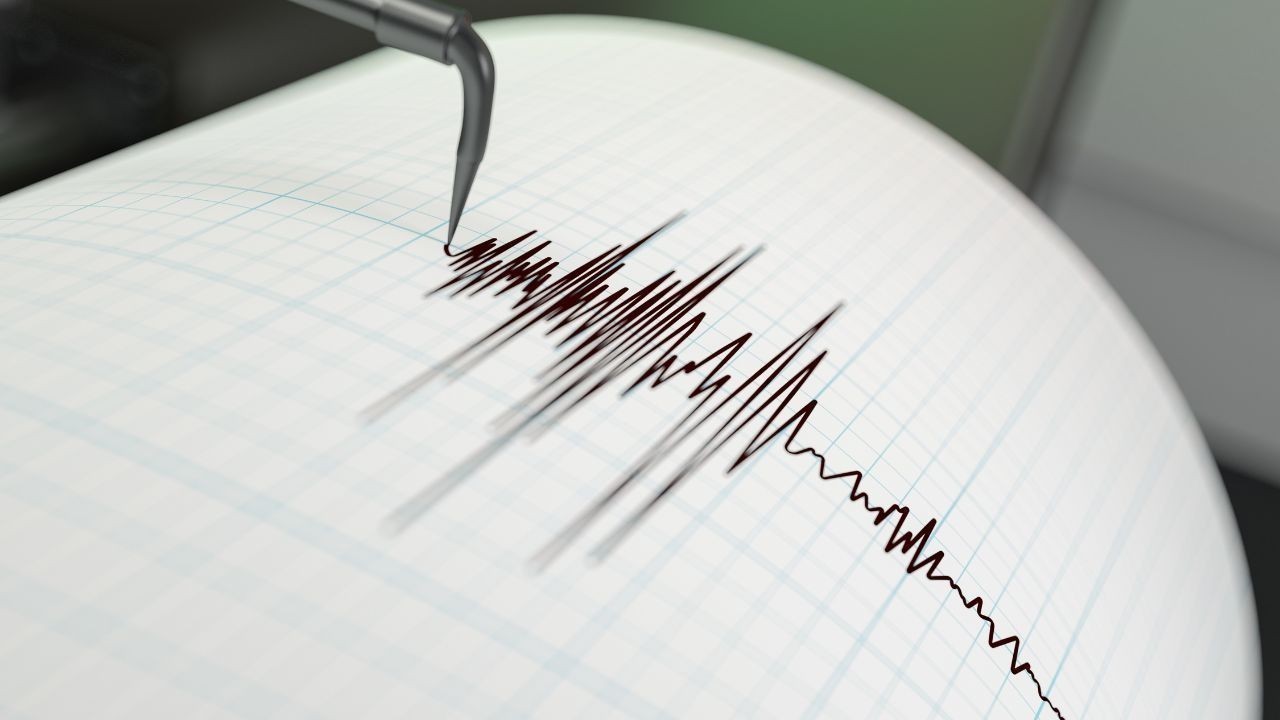
Strong 6.1 Magnitude Earthquake Hits West Sumatra, No Damage
A 6.1 earthquake struck off West Sumatra, Indonesia. No casualties, damage, or tsunami alert reporte

Saudi Confirms Drone Strike on US Embassy Riyadh
Two drones hit the US Embassy in Riyadh, causing a small fire and minor damage. No injuries were rep

UAE Restarts Limited Flights as Regional Airspace Disruptions Continue
UAE restarts limited flights from Dubai as US-Israel attacks on Iran disrupt regional airspace, forc

Asia Faces Energy Shock After Iran Closes Strait
Iran shuts Strait of Hormuz amid US-Israel strikes, sending oil prices higher and raising serious en


Bank of Baroda Faces Abu Dhabi Legal Battle over NMC Collapse
Bank of Baroda’s involvement in Abu Dhabi litigation tied to the NMC Healthcare collapse raises repu

Top Museum Openings of 2026 Set to Transform Global Tourism
From Los Angeles to Abu Dhabi and Brussels, 2026 brings major museum launches—Lucas Museum, Guggenhe

UAE Tour Highlights UAE’s Strength in Hosting Global Sports Events
Abu Dhabi Sports Council says the successful UAE Tour reflects the UAE’s leading role in hosting maj

EU Seeks Clarity from US After Supreme Court IEEPA Ruling
European Commission urges full transparency from the US on steps after Supreme Court ruling, emphasi

SpaceX Launches 53 New Satellites for Expanding Starlink Network
SpaceX launches 53 Starlink satellites in two Falcon 9 missions, breaking reuse records and expandin

RTA Awards Contract for Phase II of Hessa Street Upgrade in Dubai
Phase II of Hessa Street Development to add bridges, tunnel, and upgraded intersections, doubling ca

UAE Gold Prices Today, Monday 16 February 2026: Dubai & Abu Dhabi Updated Rates
Gold prices in UAE on 16 Feb 2026 updated: 24K around AED 599.75/gm, 22K AED 555.25/gm, and 18K AED

Over 25 Ahmedabad Schools Receive Bomb Threat Email, Authorities Investigate
More than 25 schools in Ahmedabad evacuated after bomb threat emails mentioning Khalistan. Authoriti