Post by : Anis Karim
This week brought a noticeable surge in eco-tourism interest across several popular travel regions. As travellers looked for greener, quieter, and more meaningful escapes, local guides found themselves adapting rapidly to meet new expectations.
Unlike the typical rush for sightseeing packages or recreational hotspots, travellers increasingly opted for nature-based, low-impact experiences—birdwatching trails, forest walks, village immersion tours, waterfall treks, community-led craft sessions, and organic farm visits.
This shift didn’t just boost demand; it reshaped the very nature of guided travel. Local guides, many of whom have deep generational ties to the land, began redesigning their itineraries, communication styles, and safety practices to align with this evolving eco-tourism wave.
This article explores how they did it—and why this week became a turning point.
Several factors combined to create a sudden rise in eco-tourism demand:
Pleasant weather made outdoor and nature-based activities more appealing.
Professionals felt the need for quieter, more grounding travel experiences.
Environmental discussions on social media made travellers more conscious of their choices.
Authentic videos of forest trails, eco-stays, and rural experiences drew attention.
This week, travellers prioritised connection with nature over crowded attractions.
Against this backdrop, local guides became the bridge between travellers and authentic eco-experiences.
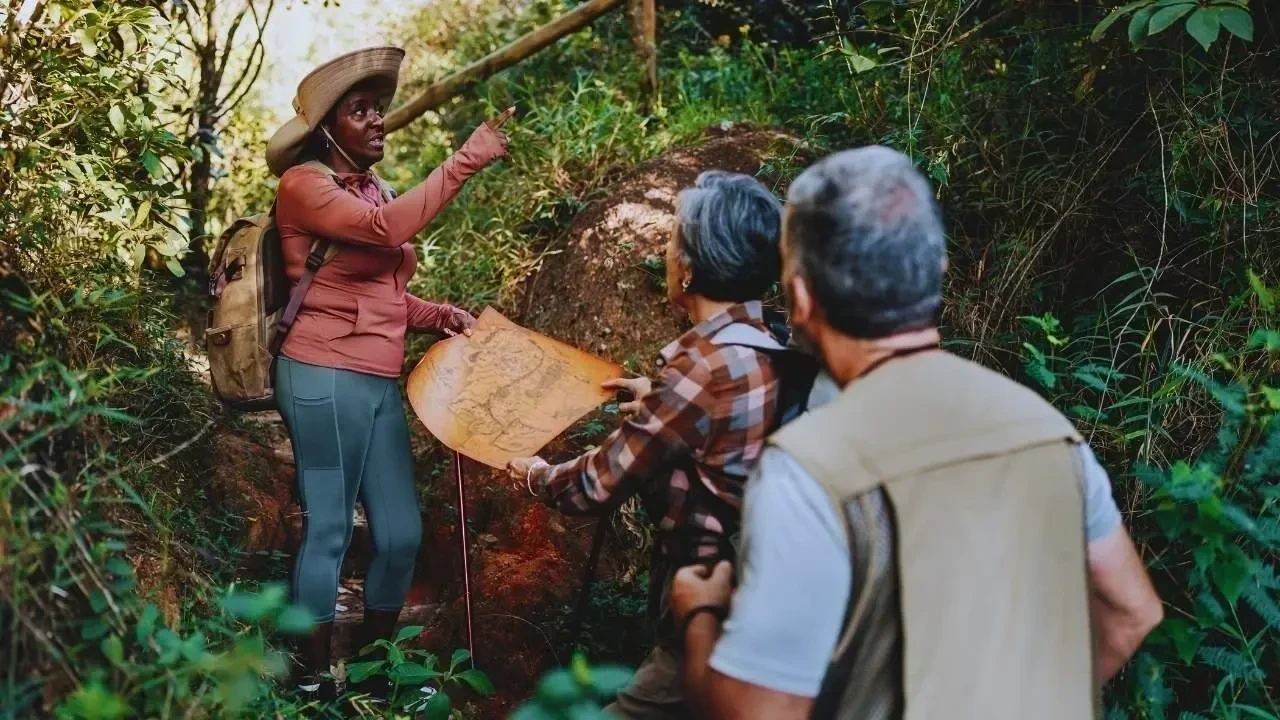
Guides shifted from crowded viewpoints to quieter, sustainable trails such as:
Forest paths with minimal foot disturbance
Riverside walks
Wildlife-safe zones
Less-known hill slopes
Community-approved routes
These routes reduced environmental stress and improved traveller experience.
This week saw local guides infuse deeper storytelling into their tours:
Explaining local flora and fauna
Sharing traditional ecological knowledge
Talking about water sources, migratory birds, soil types, and heritage trees
Highlighting conservation efforts by local villagers
Travellers appreciated these insights, which transformed simple walks into meaningful learning sessions.
Guides began incorporating simple but effective sustainability reminders:
Carry your waste back
Stick to designated trails
Avoid loud music
Respect wildlife distance
Limit plastic bottles
Support local businesses
These reminders weren’t lectures—they were woven into friendly conversations.
To align with the eco-tourism surge, guides partnered with local communities to offer immersive activities such as:
Farm visits
Village cooking experiences
Pottery, weaving, and handicraft workshops
Traditional fishing demonstrations
Tribal folklore evenings
This not only enriched tourist experiences but also boosted community income.
Guides tailored experiences more personally this week, dividing tourists into interest groups like:
Birdwatchers
Trekkers
Photography enthusiasts
Botanical lovers
Slow travellers
Families with kids
This personalisation created high-value, emotionally satisfying experiences.
Guides spent more time explaining:
Terrain difficulty
Weather patterns
Forest etiquette
Emergency protocols
Eco-friendly options like bamboo walking sticks and natural-fiber bags were offered.
Guides monitored:
Sudden weather changes
Footpath conditions
Animal movement
Water-level updates
Their knowledge ensured safer, smarter travel.
Guides used basic GPS tools to avoid sensitive areas like nesting zones or soil-erosion points.
They shared:
Route maps
Meeting points
Pick-up timings
Eco-instructions
with travellers, keeping coordination smoother.
Eco-tourists, especially younger travellers, preferred cashless transactions.
Guides adapted quickly to QR-based payments.
This week highlighted a powerful trend: people weren’t rushing.
Instead of covering five spots in a day, travellers preferred:
Long slow walks
Leisurely village tours
Quiet forest experiences
Relaxed campfire conversations
Morning nature photography
Guided stargazing
Local guides adjusted pacing accordingly, allowing more time for immersion and reflection.
Travellers valued guides who:
Knew the land
Identified wildlife sounds
Recognised medicinal plants
Understood community heritage
Small gestures—sharing local snacks, narrating village stories, pointing out rare birds—made tours memorable.
Guides acted as protectors of both travellers and the ecosystem.
The eco-tourism surge brought real benefits:
Better earnings for guides
Increased village income
Opportunities for rural youth
Higher demand for local products
Renewed pride in cultural heritage
More awareness about conservation
Eco-tourism became a shared success story.
If the trend continues, it could reshape tourism dynamics:
More curated nature trails
Community-run eco-villages
Stronger conservation policies
Controlled visitor capacities
More eco-friendly accommodation
Reduced strain on tourist hotspots
Local guides will remain central to this transformation.
The eco-tourism surge this week was more than a travel trend—it was a cultural shift. As travellers sought meaningful, nature-centric experiences, local guides stepped up with creativity, responsibility, and deep knowledge. They tailored routes, enriched storytelling, ensured safety, empowered communities, and brought travellers closer to nature in authentic, respectful ways.
Their adaptive approach not only shaped better travel experiences but also strengthened the bond between tourism and the environment. If this week is any indication, the future of travel is greener, gentler, and community-driven.
DISCLAIMER:
This article is intended for informational purposes only. Eco-tourism practices, safety guidelines, and local rules may vary across regions. Travellers should follow local instructions and respect ecological boundaries.

US Stocks Slide as AI Fears, Inflation and Oil Surge Weigh
US stocks dropped as AI disruption fears hit tech firms, inflation rose above forecasts, and oil pri

Pacific Prime Wins Top Honors at Cigna Awards 2026
Pacific Prime secured Top Individual Broker and Top SME Broker awards at Cigna’s Annual Broker Award

QatarEnergy Halts LNG Output After Military Attack
QatarEnergy has stopped LNG production after military attacks hit its facilities in Ras Laffan and M

Strong 6.1 Magnitude Earthquake Hits West Sumatra, No Damage
A 6.1 earthquake struck off West Sumatra, Indonesia. No casualties, damage, or tsunami alert reporte

Saudi Confirms Drone Strike on US Embassy Riyadh
Two drones hit the US Embassy in Riyadh, causing a small fire and minor damage. No injuries were rep

UAE Restarts Limited Flights as Regional Airspace Disruptions Continue
UAE restarts limited flights from Dubai as US-Israel attacks on Iran disrupt regional airspace, forc

Asia Faces Energy Shock After Iran Closes Strait
Iran shuts Strait of Hormuz amid US-Israel strikes, sending oil prices higher and raising serious en


Bank of Baroda Faces Abu Dhabi Legal Battle over NMC Collapse
Bank of Baroda’s involvement in Abu Dhabi litigation tied to the NMC Healthcare collapse raises repu

Top Museum Openings of 2026 Set to Transform Global Tourism
From Los Angeles to Abu Dhabi and Brussels, 2026 brings major museum launches—Lucas Museum, Guggenhe

UAE Tour Highlights UAE’s Strength in Hosting Global Sports Events
Abu Dhabi Sports Council says the successful UAE Tour reflects the UAE’s leading role in hosting maj

EU Seeks Clarity from US After Supreme Court IEEPA Ruling
European Commission urges full transparency from the US on steps after Supreme Court ruling, emphasi

SpaceX Launches 53 New Satellites for Expanding Starlink Network
SpaceX launches 53 Starlink satellites in two Falcon 9 missions, breaking reuse records and expandin

RTA Awards Contract for Phase II of Hessa Street Upgrade in Dubai
Phase II of Hessa Street Development to add bridges, tunnel, and upgraded intersections, doubling ca

UAE Gold Prices Today, Monday 16 February 2026: Dubai & Abu Dhabi Updated Rates
Gold prices in UAE on 16 Feb 2026 updated: 24K around AED 599.75/gm, 22K AED 555.25/gm, and 18K AED

Over 25 Ahmedabad Schools Receive Bomb Threat Email, Authorities Investigate
More than 25 schools in Ahmedabad evacuated after bomb threat emails mentioning Khalistan. Authoriti





