Post by : Sam Jeet Rahman
Lighting is one of the most powerful yet underestimated elements of our daily environment. It affects how we feel, how productive we are, how well we relax, and how deeply we sleep. Long before people began tracking sleep cycles or talking about circadian rhythms, the human body was already responding to light cues from nature. Modern lighting design has the ability to either support these natural rhythms or disrupt them completely.
This article explores how lighting design directly influences mood and sleep, why artificial light matters more than most people realize, and how thoughtful lighting choices can significantly improve mental well-being, energy levels, and nighttime rest.
The human body operates on an internal clock known as the circadian rhythm. This clock regulates sleep-wake cycles, hormone release, body temperature, and even digestion. Light is the primary signal that keeps this clock aligned.
When light enters the eyes, it signals the brain to control the release of hormones such as melatonin and cortisol. Melatonin promotes sleep, while cortisol promotes alertness. The timing, color, intensity, and duration of light exposure determine which hormone dominates.
Poor lighting design confuses this system. Proper lighting supports it.
Historically, humans woke up with sunlight and slept shortly after darkness. Today, artificial lighting allows activity late into the night, often without regard for biological limits.
Common modern habits include:
Bright overhead lighting late at night
Constant screen exposure
Cool white LED lights in bedrooms
Inconsistent lighting patterns
These habits send mixed signals to the brain, making it harder to relax at night and harder to feel energized in the morning.
Lighting design is not just about visibility—it is about biological alignment.
Mood is closely tied to light exposure. The type of lighting we experience can either stabilize emotions or contribute to irritability, anxiety, and fatigue.
Exposure to bright, natural or cool-toned light in the morning helps reset the circadian rhythm. It increases serotonin levels, which improves mood, focus, and motivation.
Insufficient morning light is linked to:
Low energy
Brain fog
Irritability
Seasonal mood changes
Well-designed spaces allow sunlight or bright artificial light early in the day to encourage alertness.
Balanced lighting during working hours supports mental clarity and reduces stress. Uneven, flickering, or overly dim lighting can cause headaches and mental fatigue.
Workspaces benefit from:
Even light distribution
Neutral to cool color temperatures
Reduced glare
Good lighting reduces eye strain and helps maintain steady energy levels.
As the day ends, lighting should signal the body to slow down. Harsh lighting at night keeps the brain in an alert state, making relaxation difficult.
Warm, dim lighting encourages:
Calmness
Reduced anxiety
Emotional grounding
Lighting transitions are just as important as lighting intensity.
Sleep quality depends heavily on what the brain perceives before bedtime. Lighting design plays a decisive role.
Blue and cool white light suppress melatonin production. This delays sleep onset and reduces sleep depth.
Sources that commonly disrupt melatonin include:
Bright ceiling lights
Television screens
Mobile phones
Cool LED bulbs
Even short exposure can delay sleep by hours.
Brightness matters as much as color. Even warm light can interfere with sleep if it is too bright.
Bedrooms with strong lighting often cause:
Difficulty falling asleep
Frequent nighttime awakenings
Shortened sleep duration
Dim lighting helps the nervous system shift into rest mode.
Irregular lighting patterns confuse the body clock. Sleeping under bright light one night and darkness the next creates inconsistency.
Consistent lighting cues support:
Faster sleep onset
Deeper sleep cycles
More refreshed mornings
Lighting design should support routine.
Color temperature is measured in Kelvin and influences how light feels.
Cool light (5000K–6500K) mimics daylight and boosts alertness. It is ideal for:
Offices
Kitchens
Study areas
However, it should be avoided in the evening.
Neutral light (3500K–4500K) provides clarity without overstimulation. It works well for:
Living rooms
General indoor spaces
This range supports comfort and functionality.
Warm light (2700K–3000K) promotes relaxation and emotional comfort. It is best suited for:
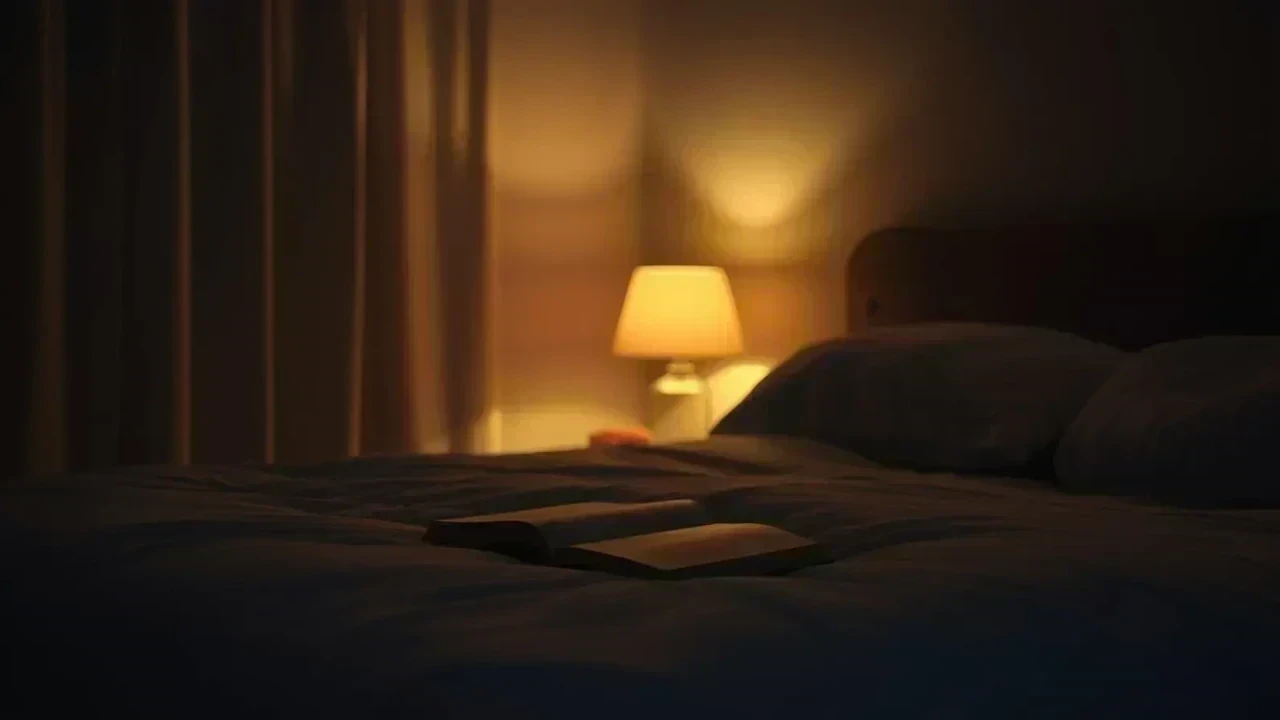
Bedrooms
Reading corners
Evening spaces
Warm light signals the brain to prepare for sleep.
Lighting design is not only about bulbs—it is about where light comes from.
Bright overhead lighting creates uniform brightness but can feel harsh at night. It should be adjustable or avoided in sleep spaces.
Layered lighting combines:
Ambient light
Task light
Accent light
This allows flexibility based on time of day and activity.
Indirect lighting reduces glare and creates a soothing environment. Wall washers, floor lamps, and concealed LED strips provide gentle illumination.
Thoughtful placement reduces sensory overload.
Chronic exposure to poor lighting conditions can contribute to long-term emotional effects.
Studies associate inadequate light exposure with:
Low mood
Increased stress
Sleep disorders
Reduced motivation
Conversely, well-designed lighting supports emotional resilience and mental stability.
Light therapy is often used to treat mood-related conditions, highlighting how powerful lighting truly is.
Screens emit blue light that directly affects sleep hormones.
Screens are:
Close to the eyes
High in blue wavelength
Often used at night
This combination makes them especially disruptive.
Reduce screen brightness at night
Use warm display settings
Stop screen use at least one hour before bed
Lighting design must work alongside digital habits.
Bedrooms should support rest, not stimulation.
Effective bedroom lighting includes:
Warm-toned bulbs
Low-intensity fixtures
Bedside lamps instead of ceiling lights
Minimal night-time light exposure
Bedrooms with proper lighting encourage deeper and more consistent sleep.
Each space has a purpose, and lighting should match it.
Living spaces benefit from flexible lighting that can transition from bright to soft. Work areas need clarity without glare. When lighting aligns with activity, both mood and performance improve.
Improving lighting design is not a cosmetic upgrade—it is a health investment.
Long-term benefits include:
Improved sleep quality
Better emotional regulation
Increased daily energy
Reduced stress and fatigue
Enhanced focus and productivity
Small lighting changes can produce lasting results.
You do not need a full redesign to improve lighting.
Practical steps include:
Switching to warm bulbs in bedrooms
Using dimmers
Maximizing natural daylight
Reducing night-time brightness
Creating consistent light routines
These changes align the body with its natural rhythm.
Lighting tells the brain when to wake up, focus, relax, and sleep. When lighting design respects biology, life feels more balanced. When it ignores it, fatigue and restlessness become normal.
Lighting should support life, not fight it.
This article is for general informational purposes only and does not replace medical or professional advice. Individual responses to light exposure may vary based on health conditions, lifestyle, and environment. For persistent sleep or mood-related issues, consult a qualified healthcare professional or sleep specialist.

US Stocks Slide as AI Fears, Inflation and Oil Surge Weigh
US stocks dropped as AI disruption fears hit tech firms, inflation rose above forecasts, and oil pri

Pacific Prime Wins Top Honors at Cigna Awards 2026
Pacific Prime secured Top Individual Broker and Top SME Broker awards at Cigna’s Annual Broker Award

QatarEnergy Halts LNG Output After Military Attack
QatarEnergy has stopped LNG production after military attacks hit its facilities in Ras Laffan and M

Strong 6.1 Magnitude Earthquake Hits West Sumatra, No Damage
A 6.1 earthquake struck off West Sumatra, Indonesia. No casualties, damage, or tsunami alert reporte

Saudi Confirms Drone Strike on US Embassy Riyadh
Two drones hit the US Embassy in Riyadh, causing a small fire and minor damage. No injuries were rep

UAE Restarts Limited Flights as Regional Airspace Disruptions Continue
UAE restarts limited flights from Dubai as US-Israel attacks on Iran disrupt regional airspace, forc

Asia Faces Energy Shock After Iran Closes Strait
Iran shuts Strait of Hormuz amid US-Israel strikes, sending oil prices higher and raising serious en


Bank of Baroda Faces Abu Dhabi Legal Battle over NMC Collapse
Bank of Baroda’s involvement in Abu Dhabi litigation tied to the NMC Healthcare collapse raises repu

Top Museum Openings of 2026 Set to Transform Global Tourism
From Los Angeles to Abu Dhabi and Brussels, 2026 brings major museum launches—Lucas Museum, Guggenhe

UAE Tour Highlights UAE’s Strength in Hosting Global Sports Events
Abu Dhabi Sports Council says the successful UAE Tour reflects the UAE’s leading role in hosting maj

EU Seeks Clarity from US After Supreme Court IEEPA Ruling
European Commission urges full transparency from the US on steps after Supreme Court ruling, emphasi

SpaceX Launches 53 New Satellites for Expanding Starlink Network
SpaceX launches 53 Starlink satellites in two Falcon 9 missions, breaking reuse records and expandin
RTA Awards Contract for Phase II of Hessa Street Upgrade in Dubai
Phase II of Hessa Street Development to add bridges, tunnel, and upgraded intersections, doubling ca

UAE Gold Prices Today, Monday 16 February 2026: Dubai & Abu Dhabi Updated Rates
Gold prices in UAE on 16 Feb 2026 updated: 24K around AED 599.75/gm, 22K AED 555.25/gm, and 18K AED

Over 25 Ahmedabad Schools Receive Bomb Threat Email, Authorities Investigate
More than 25 schools in Ahmedabad evacuated after bomb threat emails mentioning Khalistan. Authoriti