
Post by : Sam Jeet Rahman
Lifestyle inflation is one of the most underestimated financial problems today. It doesn’t arrive suddenly, doesn’t feel dangerous, and often looks like “progress.” A better phone, frequent food deliveries, premium subscriptions, a bigger house, upgraded vacations—all seem deserved as income grows. But quietly, month by month, your expenses rise at the same pace as your income, leaving you with little to no real financial improvement.
This article explains what lifestyle inflation really is, why it is so dangerous, how it silently damages your monthly budget, and what practical steps you can take to regain control without sacrificing comfort or happiness.
Lifestyle inflation happens when your standard of living increases automatically with income, instead of your savings, investments, or financial security increasing.
You earn more, so you:
Spend more without planning
Upgrade wants into “needs”
Normalize higher expenses quickly
Feel broke despite higher income
The problem is not spending—it’s spending without intention.
Lifestyle inflation rarely feels like a mistake because it happens gradually.
A slightly better phone plan, frequent café visits, or premium subscriptions don’t feel expensive individually.
When everyone around you upgrades their lifestyle, it feels normal—not excessive.
People associate higher spending with success, reward, or self-care.
Over time, these small upgrades become fixed monthly costs, quietly eating your budget.
Many people believe budgeting is about restriction. In reality, lifestyle inflation destroys budgets because expenses become automatic.
Higher rent or EMI
Costlier internet and phone plans
More subscriptions
Increased utility bills
Once fixed costs rise, flexibility disappears.
Food delivery, shopping, weekend outings, and travel increase without clear boundaries.
The result is a budget that looks full—but has no breathing room.
One of the biggest myths is that earning more solves money problems.
Income grows
Expenses grow equally
Savings remain flat
Stress continues
This is why many high-income individuals still live paycheck to paycheck.
Lifestyle inflation creates the illusion of financial progress without actual security.
Savings are usually the first casualty.
Emergency funds stop growing
Investments get postponed
Long-term goals get delayed
“I’ll save later” becomes a habit
Over time, savings feel optional rather than essential.
Credit cards don’t cause lifestyle inflation—but they accelerate it.
Reduce spending friction
Delay the pain of payment
Encourage impulse upgrades
Normalize EMI culture
People often underestimate how much they’re spending monthly until balances accumulate.
Spending is often emotional, not logical.
Stress relief shopping
“I deserve this” mindset
Comparison with peers
Fear of missing out
When emotional spending becomes habitual, budgets lose structure.
Social platforms constantly showcase:
Luxury travel
Perfect homes
Expensive routines
Curated success stories
This creates false benchmarks, pushing people to spend to “keep up,” even when finances don’t support it.
Lifestyle inflation doesn’t just affect this month—it reshapes your future.
Higher expenses mean you need more income just to maintain life.
Any job loss or income dip becomes a crisis.
Without savings, people avoid opportunities due to financial fear.
Future goals require larger contributions that never happen.
Salary increases but savings don’t
Monthly expenses feel “fixed” and unavoidable
No clear idea where money goes
Emergency fund stays stagnant
Frequent “unexpected” expenses
These are not income problems—they are spending structure problems.
Many people respond by cutting everything aggressively.
Feels restrictive
Leads to burnout
Causes rebound overspending
Creates guilt around money
The goal is not to eliminate comfort, but to spend intentionally.
When income increases, decide in advance:
What percentage goes to savings
What percentage upgrades lifestyle
This prevents automatic expansion.
Keep rent, EMIs, and subscriptions below comfort limits, not maximum affordability.
Allocate guilt-free money for enjoyment. When it’s used up, spending stops naturally.
Waiting 30–60 days before upgrading reduces impulse decisions significantly.
A stable baseline lifestyle gives:
Predictable expenses
Faster savings growth
Lower stress
Greater flexibility
Upgrades then feel intentional, not necessary.
Income jumps quickly, spending follows faster than planning.
Family responsibilities combine with lifestyle upgrades.
Expenses scale dramatically, making downsizing difficult.
Lifestyle inflation doesn’t discriminate—it adapts to income level.
True financial success is not visible.
It looks like:
Strong emergency funds
Consistent investments
Low financial anxiety
Freedom to say no
Spending less than you earn consistently is the real luxury.
The biggest shift comes from awareness, not spreadsheets.
Track:
Where upgrades happened
Which expenses truly add value
What spending is habit-driven
Awareness creates control.
When lifestyle inflation is controlled:
Savings grow automatically
Financial goals become realistic
Income increases create freedom, not pressure
Money feels supportive, not stressful
Small decisions today shape years of financial stability.
Lifestyle inflation doesn’t ruin finances overnight—it erodes them quietly. It convinces you that you’re moving forward while keeping you stuck in the same place financially. The solution is not extreme frugality, but intentional spending aligned with long-term goals.
The moment income increases, discipline matters more—not less.
This article is intended for informational and educational purposes only and does not constitute financial or investment advice. Financial outcomes vary based on individual income, expenses, goals, and circumstances. Readers are encouraged to consult a qualified financial advisor before making significant financial or budgeting decisions.

US Stocks Slide as AI Fears, Inflation and Oil Surge Weigh
US stocks dropped as AI disruption fears hit tech firms, inflation rose above forecasts, and oil pri

Pacific Prime Wins Top Honors at Cigna Awards 2026
Pacific Prime secured Top Individual Broker and Top SME Broker awards at Cigna’s Annual Broker Award
QatarEnergy Halts LNG Output After Military Attack
QatarEnergy has stopped LNG production after military attacks hit its facilities in Ras Laffan and M

Strong 6.1 Magnitude Earthquake Hits West Sumatra, No Damage
A 6.1 earthquake struck off West Sumatra, Indonesia. No casualties, damage, or tsunami alert reporte

Saudi Confirms Drone Strike on US Embassy Riyadh
Two drones hit the US Embassy in Riyadh, causing a small fire and minor damage. No injuries were rep

UAE Restarts Limited Flights as Regional Airspace Disruptions Continue
UAE restarts limited flights from Dubai as US-Israel attacks on Iran disrupt regional airspace, forc
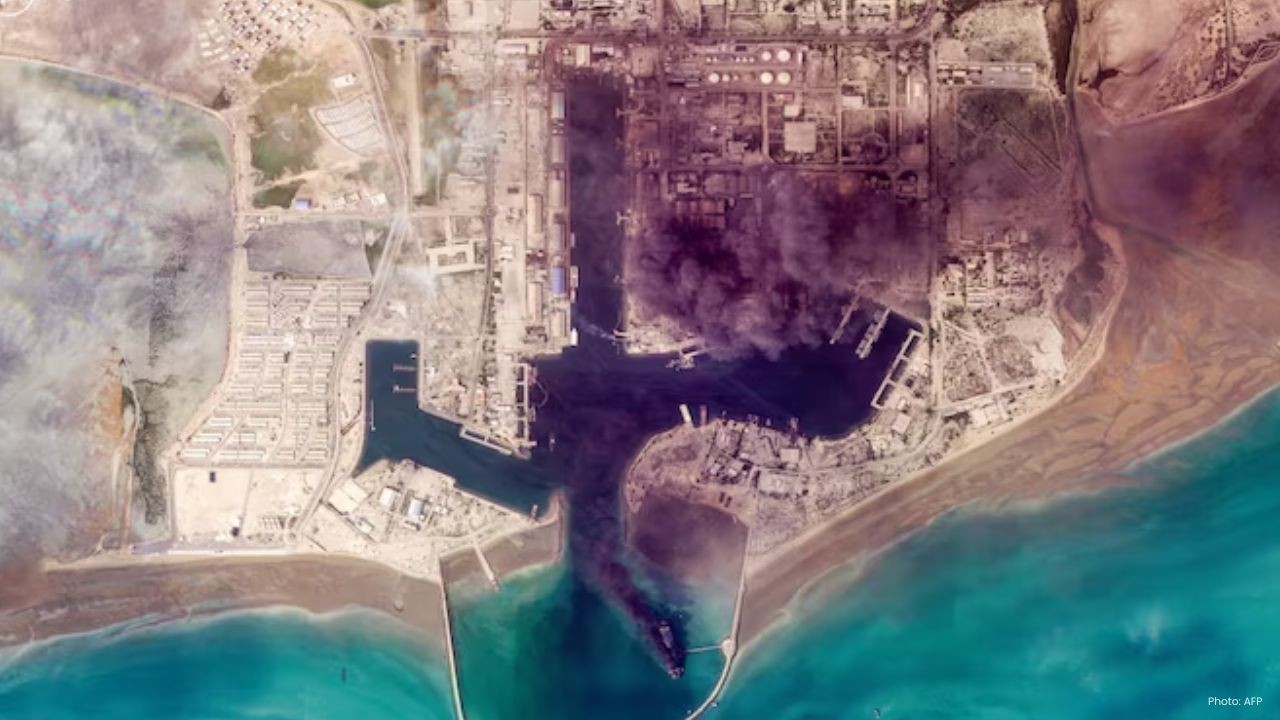
Asia Faces Energy Shock After Iran Closes Strait
Iran shuts Strait of Hormuz amid US-Israel strikes, sending oil prices higher and raising serious en

Bank of Baroda Faces Abu Dhabi Legal Battle over NMC Collapse
Bank of Baroda’s involvement in Abu Dhabi litigation tied to the NMC Healthcare collapse raises repu

Top Museum Openings of 2026 Set to Transform Global Tourism
From Los Angeles to Abu Dhabi and Brussels, 2026 brings major museum launches—Lucas Museum, Guggenhe

UAE Tour Highlights UAE’s Strength in Hosting Global Sports Events
Abu Dhabi Sports Council says the successful UAE Tour reflects the UAE’s leading role in hosting maj
EU Seeks Clarity from US After Supreme Court IEEPA Ruling
European Commission urges full transparency from the US on steps after Supreme Court ruling, emphasi
SpaceX Launches 53 New Satellites for Expanding Starlink Network
SpaceX launches 53 Starlink satellites in two Falcon 9 missions, breaking reuse records and expandin
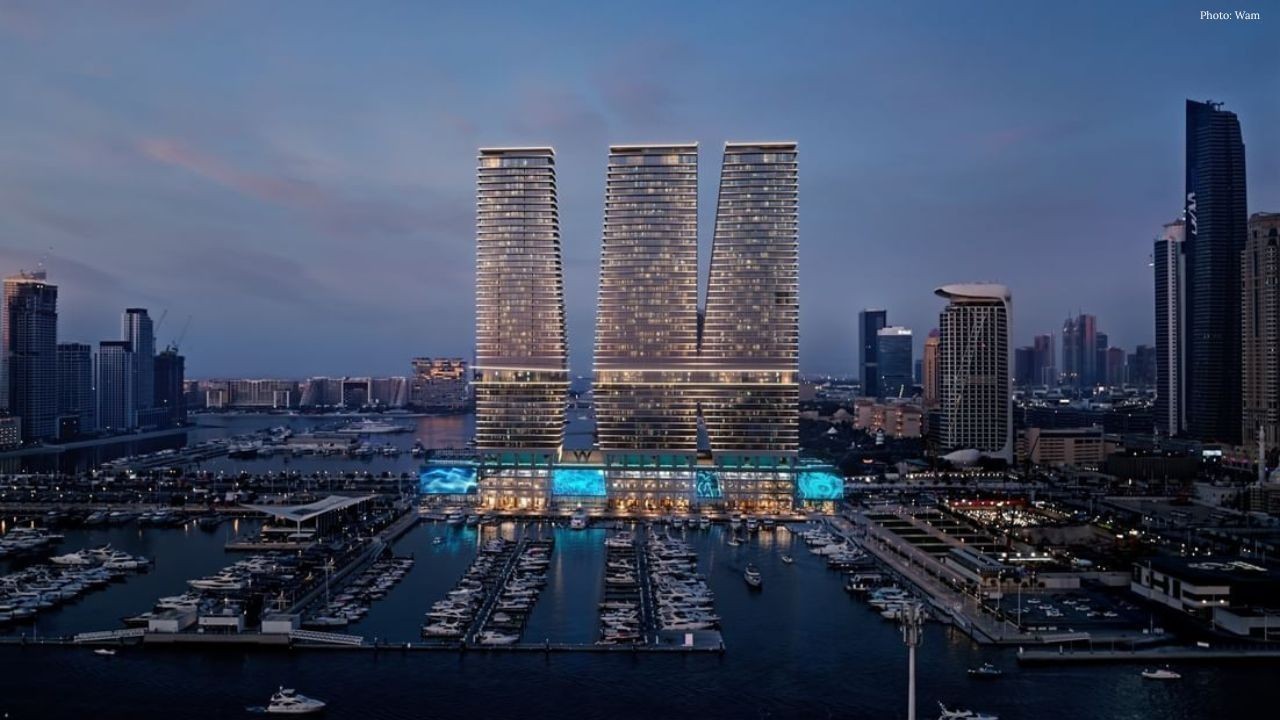
RTA Awards Contract for Phase II of Hessa Street Upgrade in Dubai
Phase II of Hessa Street Development to add bridges, tunnel, and upgraded intersections, doubling ca

UAE Gold Prices Today, Monday 16 February 2026: Dubai & Abu Dhabi Updated Rates
Gold prices in UAE on 16 Feb 2026 updated: 24K around AED 599.75/gm, 22K AED 555.25/gm, and 18K AED
Over 25 Ahmedabad Schools Receive Bomb Threat Email, Authorities Investigate
More than 25 schools in Ahmedabad evacuated after bomb threat emails mentioning Khalistan. Authoriti