Post by : Sam Jeet Rahman
Daily hair styling has become a normal part of modern life. Blow-drying before work, straightening for a polished look, curling for events, tying tight ponytails, using gels or sprays—these habits often feel harmless because the damage does not appear immediately. However, long-term hair damage is usually the result of repeated daily styling habits, not sudden mistakes.
This article explains how everyday hair styling slowly weakens hair structure, why damage often becomes visible years later, and what you can do to protect your hair without giving up styling completely.
Hair looks simple, but it is biologically complex.
Cuticle: The outer protective layer made of overlapping scales
Cortex: The inner layer that gives hair strength, color, and elasticity
Medulla: The innermost core, present mainly in thick hair
Healthy hair depends on an intact cuticle. Most styling damage begins by lifting, cracking, or stripping the cuticle, exposing the cortex underneath.
Once the cuticle is damaged, hair becomes dry, weak, frizzy, and prone to breakage.
Heat styling is the most common and most damaging daily habit.
High heat evaporates moisture from the hair shaft
Protein bonds inside the cortex weaken
Cuticle layers lift and crack
Hair loses elasticity and strength
Repeated exposure leads to permanent structural changes that cannot be fully reversed.
Blow dryers used daily
Flat irons and straighteners
Curling wands and rollers
Hot brushes
Even “medium heat” becomes damaging when used daily.
Many people assume their hair is fine because it looks healthy initially.
Hair grows slowly, so damage accumulates over months
Outer layers may hide internal weakness
Breakage starts at mid-lengths and ends
Thinning becomes noticeable only after volume loss
By the time hair looks dull or thin, damage has already been ongoing for a long time.
Not all damage comes from heat.
Tight ponytails pull hair from the root
Braids and buns strain follicles
Repeated tension weakens hair anchoring
This leads to traction alopecia, a form of hair loss caused by constant pulling.
High ponytails
Tight buns
Cornrows and tight braids
Constant hair tying at the same spot
Over time, follicles become inflamed and stop producing strong hair.
Daily styling often involves multiple products.
Alcohol-based sprays dry the hair shaft
Excess gel hardens hair, causing breakage
Silicone buildup blocks moisture penetration
Residue irritates the scalp
Heavy product use creates hair that looks styled but is internally dehydrated and fragile.
Applying styling products before heat styling intensifies damage.
Product residue heats unevenly
Alcohol and polymers burn the cuticle
Hair becomes brittle faster
This combination accelerates split ends and thinning.
Frequent styling often leads to frequent washing.
Natural oils are stripped repeatedly
Hair loses lubrication and flexibility
Scalp becomes dry or overproduces oil
Dry hair is far more vulnerable to styling stress.
Wet hair is at its weakest.
Hair stretches easily when wet
Aggressive brushing snaps strands
Rough towel drying creates friction
Daily damage from poor wet-hair handling adds up silently.
Hair coloring weakens hair structure even before styling.
Chemical treatments open the cuticle
Heat seals damage deeper into the cortex
Hair loses protein faster
Styled, colored hair requires far more protection than natural hair.
Styling damage does not affect only strands.
Heat dries scalp skin
Product buildup clogs follicles
Tight styles reduce blood circulation
Poor scalp health leads to weaker new hair growth, not just breakage.
Damage from styling does not show as sudden hair fall.
Increased split ends
Hair snapping while combing
Loss of natural shine
Frizz that doesn’t improve
Thinner ponytail over time
Hair that won’t grow past a certain length
These signs indicate structural damage, not just dryness.
Conditioners and serums can improve appearance but not structure.
Hair is dead tissue once grown
Products smooth damage temporarily
Protein overload can worsen brittleness
Real improvement comes from reducing damage, not masking it.
You don’t need to stop styling—you need to style smarter.
Limit heat styling to a few times per week
Use lowest effective heat settings
Allow air-drying whenever possible
Apply heat protectant on damp hair
Distribute evenly before styling
Do not skip protection even for blow-drying
Avoid tying hair at the same spot daily
Switch between loose styles
Give hair roots rest days
Use microfiber towels
Detangle with wide-tooth combs
Avoid aggressive brushing
Wash based on scalp needs, not habit
Use gentle, sulfate-balanced cleansers
Avoid over-cleansing
Damage control is possible with consistency.
Adequate protein intake
Balanced nutrition
Hydration
Stress management
Hair health reflects overall health.
Gentle scalp massages
Regular buildup removal
Avoid heavy layering of products
Healthy scalp supports stronger regrowth.
If styling damage continues unchecked, it can progress to:
Chronic breakage
Thinning hair density
Traction-related hair loss
Slow or stalled hair growth
Early awareness prevents irreversible follicle damage.
Hair damage rarely comes from one bad styling day. It comes from small daily habits repeated for years. Modern hair tools are powerful, but hair biology has not changed. Respecting hair limits is essential for long-term thickness, strength, and growth.
Healthy hair is not unstyled hair—it is well-managed, well-protected hair.
This article is intended for general informational purposes only and does not constitute medical or dermatological advice. Hair damage and hair loss causes vary based on individual hair type, genetics, health conditions, and styling habits. For persistent hair breakage or hair loss, consult a qualified dermatologist or hair care professional for proper evaluation and guidance.

US Stocks Slide as AI Fears, Inflation and Oil Surge Weigh
US stocks dropped as AI disruption fears hit tech firms, inflation rose above forecasts, and oil pri

Pacific Prime Wins Top Honors at Cigna Awards 2026
Pacific Prime secured Top Individual Broker and Top SME Broker awards at Cigna’s Annual Broker Award
QatarEnergy Halts LNG Output After Military Attack
QatarEnergy has stopped LNG production after military attacks hit its facilities in Ras Laffan and M
Strong 6.1 Magnitude Earthquake Hits West Sumatra, No Damage
A 6.1 earthquake struck off West Sumatra, Indonesia. No casualties, damage, or tsunami alert reporte

Saudi Confirms Drone Strike on US Embassy Riyadh
Two drones hit the US Embassy in Riyadh, causing a small fire and minor damage. No injuries were rep

UAE Restarts Limited Flights as Regional Airspace Disruptions Continue
UAE restarts limited flights from Dubai as US-Israel attacks on Iran disrupt regional airspace, forc
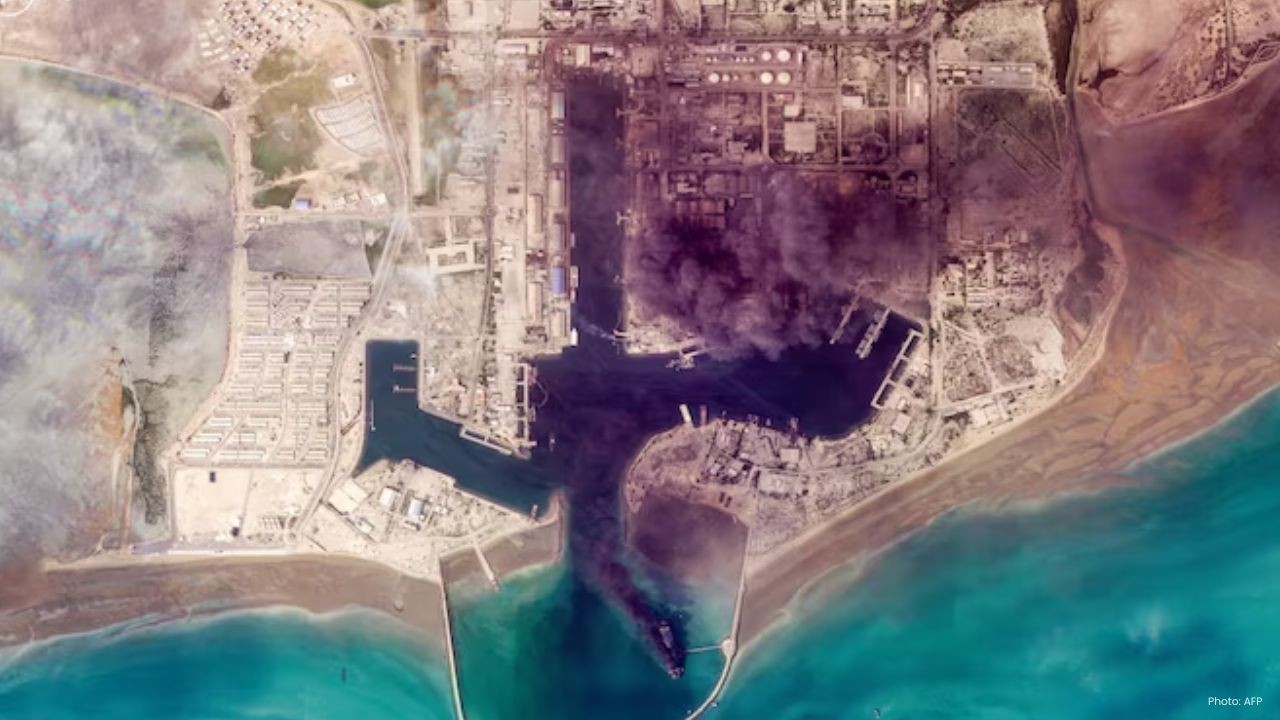
Asia Faces Energy Shock After Iran Closes Strait
Iran shuts Strait of Hormuz amid US-Israel strikes, sending oil prices higher and raising serious en


Bank of Baroda Faces Abu Dhabi Legal Battle over NMC Collapse
Bank of Baroda’s involvement in Abu Dhabi litigation tied to the NMC Healthcare collapse raises repu

Top Museum Openings of 2026 Set to Transform Global Tourism
From Los Angeles to Abu Dhabi and Brussels, 2026 brings major museum launches—Lucas Museum, Guggenhe

UAE Tour Highlights UAE’s Strength in Hosting Global Sports Events
Abu Dhabi Sports Council says the successful UAE Tour reflects the UAE’s leading role in hosting maj

EU Seeks Clarity from US After Supreme Court IEEPA Ruling
European Commission urges full transparency from the US on steps after Supreme Court ruling, emphasi
SpaceX Launches 53 New Satellites for Expanding Starlink Network
SpaceX launches 53 Starlink satellites in two Falcon 9 missions, breaking reuse records and expandin

RTA Awards Contract for Phase II of Hessa Street Upgrade in Dubai
Phase II of Hessa Street Development to add bridges, tunnel, and upgraded intersections, doubling ca

UAE Gold Prices Today, Monday 16 February 2026: Dubai & Abu Dhabi Updated Rates
Gold prices in UAE on 16 Feb 2026 updated: 24K around AED 599.75/gm, 22K AED 555.25/gm, and 18K AED
Over 25 Ahmedabad Schools Receive Bomb Threat Email, Authorities Investigate
More than 25 schools in Ahmedabad evacuated after bomb threat emails mentioning Khalistan. Authoriti