
Post by : Sam Jeet Rahman
Skin health is not determined by skincare products alone. The condition of your skin is shaped daily by a powerful combination of climate factors and lifestyle habits. Temperature, humidity, pollution, sun exposure, diet, sleep, stress, and daily routines work together—either strengthening your skin barrier or slowly damaging it over time.
Understanding how climate and lifestyle interact helps you make smarter choices, prevent long-term skin problems, and maintain healthy skin across seasons, locations, and age groups.
Skin is the body’s first line of defense against the environment. It constantly adapts to external stressors while reflecting internal health.
When climate stress combines with poor lifestyle habits, the skin’s natural repair ability weakens. This leads to dryness, breakouts, pigmentation, premature aging, sensitivity, and chronic conditions.
Healthy skin depends on balance, not perfection.
Different climates affect the skin in different ways. Ignoring climate-specific care is one of the most common skincare mistakes.
High humidity increases sweat and oil production.
Clogged pores become more common
Acne and fungal infections increase
Makeup and sunscreen wear off faster
Skin feels greasy but may still be dehydrated
Without proper cleansing and hydration, breakouts worsen.
Dry heat strips moisture rapidly.
Skin barrier weakens
Fine lines appear faster
Irritation and redness increase
Lips and under-eyes dry out quickly
Moisture loss occurs even without visible dryness.
Cold air holds less moisture.
Skin becomes flaky and tight
Eczema and sensitivity flare up
Blood circulation reduces, dulling complexion
Healing slows down
Over-cleansing in cold weather makes damage worse.
Pollution affects all climates.
Free radicals damage skin cells
Pigmentation deepens
Collagen breaks down faster
Skin looks tired and uneven
Pollution combined with sun exposure accelerates aging.
Sun damage is cumulative and climate-independent.
UV rays cause pigmentation, wrinkles, and loss of elasticity
Cloudy or cold weather does not block UV damage
Indoor exposure near windows still affects skin
Consistent sun protection is essential regardless of location.
Lifestyle determines how well your skin handles environmental stress.
What you eat directly affects inflammation and repair.
High sugar diets trigger acne and dullness
Low protein slows skin healing
Lack of healthy fats weakens the skin barrier
Antioxidant-rich foods support glow and resilience
Poor diet amplifies climate damage.
Climate increases water loss through skin.
Dehydration worsens dryness and oil imbalance
Skin loses elasticity faster
Fine lines appear more prominent
External moisturizers cannot replace internal hydration.
Skin repairs itself during deep sleep.
Poor sleep delays cell regeneration
Dark circles worsen
Breakouts heal slower
Sensitivity increases
Climate stress combined with sleep deprivation accelerates aging.
Chronic stress affects hormones that control oil production and inflammation.
Acne flare-ups increase
Skin conditions become unpredictable
Healing time slows
Stress makes skin more reactive to climate changes.
Problems rarely come from one factor alone.
Examples include:
Humid climate + oily diet = persistent acne
Cold weather + long hot showers = extreme dryness
High pollution + poor cleansing = pigmentation
Strong sun + irregular sunscreen use = premature aging
Skin problems intensify when climate stress and lifestyle habits move in the same negative direction.
Your routine should shift with the seasons.
Lighter, non-comedogenic moisturizers
Increased water intake
Gentle cleansing to remove sweat and pollution
Strong sun protection
Avoid harsh exfoliation during peak heat.
Richer moisturizers and barrier creams
Shorter, lukewarm showers
Humidifier use indoors
Increased intake of healthy fats
Protecting moisture becomes priority.
Gel-based hydration
Proper scalp and skin hygiene
Avoid heavy occlusive products
Antifungal awareness
Balance oil without stripping skin.
Some habits protect skin regardless of environment.
Remove pollution, sweat, sunscreen, and dirt daily without over-cleansing.
Healthy skin barrier adapts better to climate stress.
Use ceramides
Avoid excessive actives
Repair before correcting
Barrier health determines resilience.
Overloading products confuses skin.
Climate-friendly textures matter more than brand names
Fewer, well-chosen products work better
Listen to skin responses, not trends.
Skin reacts strongly to climate change.
Breakouts during travel are common
Dryness increases during flights
New pollution levels trigger reactions
Gradual adjustment and simplified routines help skin adapt faster.
Skin response changes with age.
Produces more oil
Reacts quickly to diet and sleep changes
Breakouts are common but heal faster
Loses moisture faster
Sensitive to climate extremes
Shows damage more visibly
Lifestyle discipline becomes more important with age.
Watch for:
Sudden texture changes
Increased sensitivity
Persistent dullness
Frequent breakouts or dryness
Products no longer working
These are signals to reassess habits, not just products.
Healthy skin requires alignment.
Match products to climate
Adjust habits seasonally
Support skin internally with nutrition and sleep
Reduce unnecessary stressors
Consistency matters more than complexity.
Perfect skin is not realistic, but resilient skin is achievable. Skin that adapts well recovers faster, reacts less, and ages more slowly.
Climate will always change. Lifestyle pressures will always exist. Skin health depends on how intelligently you respond to both.
This article is for general informational purposes only and does not replace professional dermatological or medical advice. Skin conditions and responses vary based on individual health, environment, and genetics. Readers experiencing persistent or severe skin issues should consult a qualified dermatologist or healthcare professional before making significant skincare or lifestyle changes.

US Stocks Slide as AI Fears, Inflation and Oil Surge Weigh
US stocks dropped as AI disruption fears hit tech firms, inflation rose above forecasts, and oil pri

Pacific Prime Wins Top Honors at Cigna Awards 2026
Pacific Prime secured Top Individual Broker and Top SME Broker awards at Cigna’s Annual Broker Award
QatarEnergy Halts LNG Output After Military Attack
QatarEnergy has stopped LNG production after military attacks hit its facilities in Ras Laffan and M
Strong 6.1 Magnitude Earthquake Hits West Sumatra, No Damage
A 6.1 earthquake struck off West Sumatra, Indonesia. No casualties, damage, or tsunami alert reporte

Saudi Confirms Drone Strike on US Embassy Riyadh
Two drones hit the US Embassy in Riyadh, causing a small fire and minor damage. No injuries were rep

UAE Restarts Limited Flights as Regional Airspace Disruptions Continue
UAE restarts limited flights from Dubai as US-Israel attacks on Iran disrupt regional airspace, forc
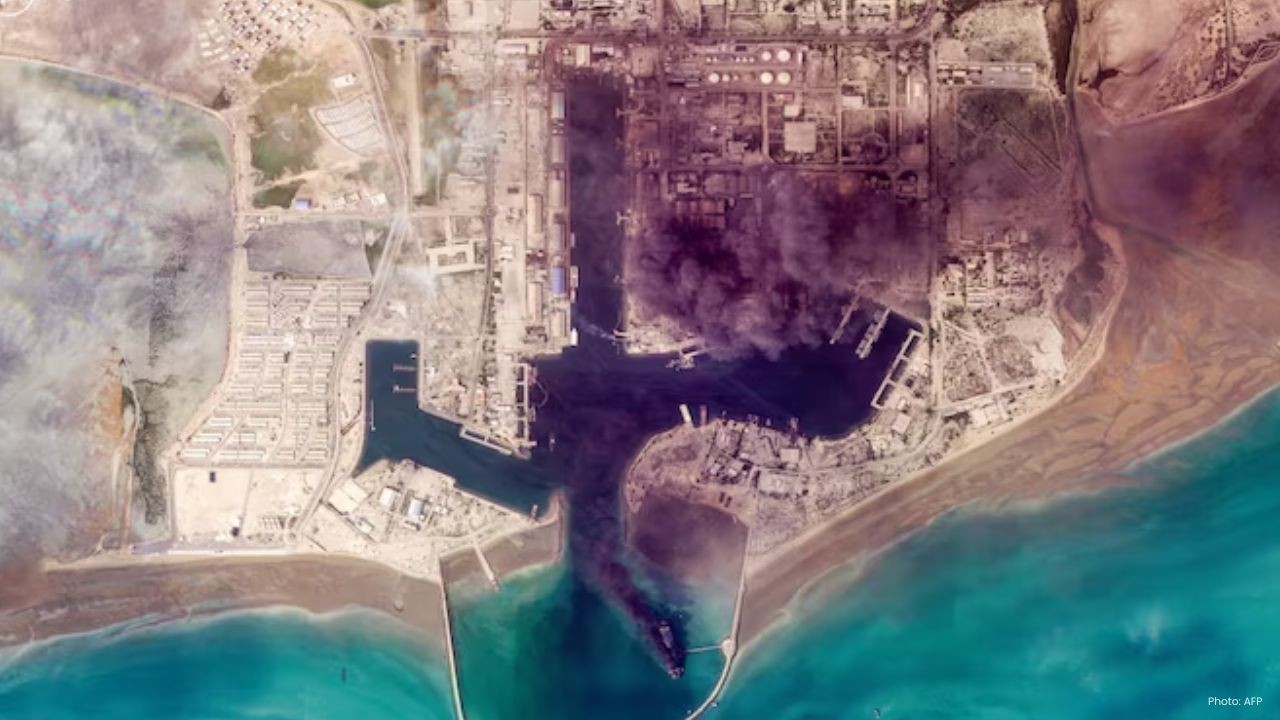
Asia Faces Energy Shock After Iran Closes Strait
Iran shuts Strait of Hormuz amid US-Israel strikes, sending oil prices higher and raising serious en


Bank of Baroda Faces Abu Dhabi Legal Battle over NMC Collapse
Bank of Baroda’s involvement in Abu Dhabi litigation tied to the NMC Healthcare collapse raises repu

Top Museum Openings of 2026 Set to Transform Global Tourism
From Los Angeles to Abu Dhabi and Brussels, 2026 brings major museum launches—Lucas Museum, Guggenhe

UAE Tour Highlights UAE’s Strength in Hosting Global Sports Events
Abu Dhabi Sports Council says the successful UAE Tour reflects the UAE’s leading role in hosting maj

EU Seeks Clarity from US After Supreme Court IEEPA Ruling
European Commission urges full transparency from the US on steps after Supreme Court ruling, emphasi
SpaceX Launches 53 New Satellites for Expanding Starlink Network
SpaceX launches 53 Starlink satellites in two Falcon 9 missions, breaking reuse records and expandin
RTA Awards Contract for Phase II of Hessa Street Upgrade in Dubai
Phase II of Hessa Street Development to add bridges, tunnel, and upgraded intersections, doubling ca

UAE Gold Prices Today, Monday 16 February 2026: Dubai & Abu Dhabi Updated Rates
Gold prices in UAE on 16 Feb 2026 updated: 24K around AED 599.75/gm, 22K AED 555.25/gm, and 18K AED

Over 25 Ahmedabad Schools Receive Bomb Threat Email, Authorities Investigate
More than 25 schools in Ahmedabad evacuated after bomb threat emails mentioning Khalistan. Authoriti