Post by : Anis Karim
This week, multiple municipalities announced a fresh wave of housing repair programs aimed at helping families manage essential maintenance, improve safety, and preserve older homes. These initiatives respond to growing concerns about structural deterioration, rising repair costs, shifting weather patterns, and the widening gap between homeowners who can afford repairs and those who cannot.
The newly launched packages prioritise affordability, accessibility, and quick intervention. They reflect the increasing recognition that well-maintained homes are critical not only for individual safety but for community resilience. Families struggling with repair expenses, elderly residents living in aging structures, and low-to-moderate income households stand to benefit the most from the programs rolling out this week.
Municipal leaders have emphasised that these programs go beyond patchwork fixes. They aim to create homes that can withstand environmental changes, reduce long-term costs for owners, and support neighbourhood stability.
Several developments over the past week have pushed municipalities to accelerate housing repair assistance. Rising material prices and labour shortages have made maintenance more expensive, leaving many homeowners postponing critical fixes. Additionally, sudden weather fluctuations—heavy rains, cold waves, or early heat spikes—have increased the rate of wear and tear on homes.
Reports from community welfare departments highlighted a worrying pattern: small, manageable repairs were turning into major safety threats because households could not afford immediate intervention. Municipalities, recognising the risks, responded by introducing emergency support mechanisms that ensure timely upkeep.
Another factor is the growing emphasis on energy efficiency. Many older homes struggle with insulation issues, outdated wiring, and inefficient plumbing. The latest repair programs integrate modern solutions that improve both safety and utility efficiency, reducing long-term costs for residents.
The programs introduced this week vary by region, but they share the core goal of providing both financial support and technical guidance. Key features include:
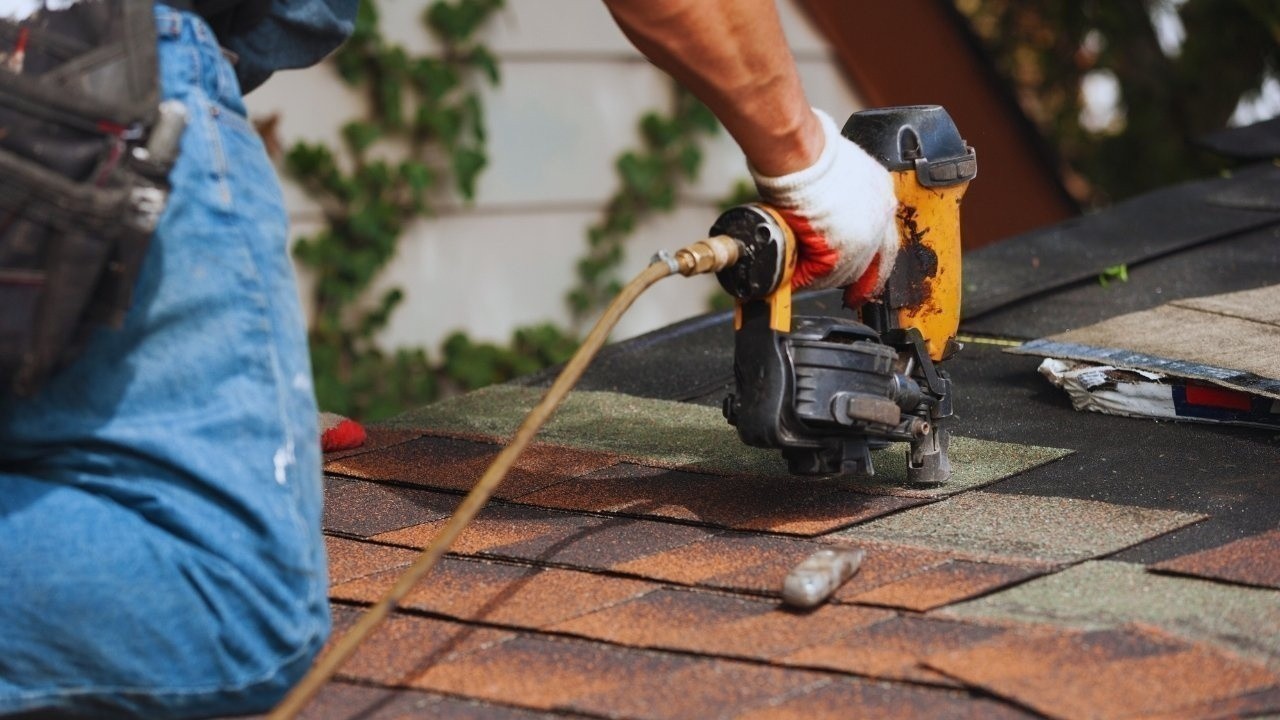
Municipalities are now offering partial or full grants to help with essential repairs such as roof reinforcement, plumbing replacements, electrical rewiring, damp-proofing, and structural fixes. These grants target families with limited income or those living in high-risk conditions.
For households that don’t qualify for grants but still face financial strain, low-interest loans are being rolled out. These loans cover major repair work and allow flexible repayment schedules.
Trained municipal teams are conducting home inspections to identify repair needs, prioritize urgent issues, and guide homeowners on safe, cost-effective solutions. This step ensures repairs are strategic rather than cosmetic.
Some cities have introduced rapid-response repair units that handle immediate risks such as broken roofs, exposed wiring, or unstable walls. These teams intervene within short timeframes, especially for elderly residents or families with young children.
To counter high construction material costs, municipalities are partnering with suppliers to offer subsidised prices on cement, metal sheets, insulation materials, and plumbing fittings.
Recognising the long-term benefits of reduced utility usage, several packages include assistance for installing efficient lighting, better roofing insulation, and improved ventilation.
Municipalities recognise that housing needs vary widely, so the support packages launched this week are structured to address diverse living situations:
Families struggling with day-to-day expenses often push home repairs to the background until emergencies arise. For them, programs include high-subsidy grants and doorstep technical guidance.
Older adults living independently face mobility and affordability challenges. Municipalities have added priority services for seniors—quick inspections, free minor repairs, and safety upgrades such as grab bars, railing fixes, and non-slip surfaces.
Ageing homes require more intensive structural repairs. The new programs focus on strengthening foundations, waterproofing, roof stabilisation, and repairing cracked walls. These fixes improve safety and curb long-term damage.
Homes in regions vulnerable to storms, floods, or heatwaves are receiving targeted support. Municipal engineers assess these structures for vulnerability and suggest reinforcement measures.
In some cities, new guidelines ensure landlords address safety issues more promptly, and tenants can report urgent problems directly for municipal intervention when required.
Properly maintained homes uplift entire neighbourhoods. When families can address structural issues without overwhelming debt, communities become safer and more stable. This week’s initiatives highlight several long-term benefits:
Reduced risk of accidents and structural failures
Lower healthcare costs due to improved indoor conditions
Better protection during extreme weather
Higher property values and neighbourhood morale
More energy-efficient communities
Stronger resilience against future disruptions
Home repairs also support local businesses—carpenters, electricians, masons, and hardware shops—all gain from the increased activity generated by these municipal packages.
Early feedback shows strong enthusiasm. Many families who had postponed repairs due to cost constraints are now scheduling inspections. Elderly residents, often hesitant to request help, are participating more actively because of simplified procedures and direct support channels.
Working professionals appreciate the flexible loan options, while single parents find value in the free assessments that help them understand repair priorities without relying on costly private evaluations.
Contractors and small repair businesses also see opportunity in the flow of repair activity initiated by these programs.
Despite the positive response, there are challenges to overcome:
High demand leading to service delays
Shortage of trained repair technicians in some regions
Budget limitations for grant-based assistance
Logistical challenges during extreme weather periods
Difficulties identifying the truly urgent cases among large populations
Municipalities are addressing these issues with phased rollouts, partnerships with local construction networks, volunteer engineer groups, and digital application systems to prioritise cases more efficiently.
Technology is playing a larger role this week than ever before. Municipalities have adopted digital platforms where residents can:
Submit repair requests
Upload photos of damage
Track application status
Receive cost estimates
Schedule inspections
Some regions are even experimenting with AI-driven assessment tools that identify potential structural risks from images. Mobile apps are also simplifying updates, notifications, and emergency responses.
This week’s initiatives reflect a proactive approach toward city planning. Municipalities are moving beyond reactive repairs and aiming to create homes that can withstand environmental shifts and reduce long-term maintenance burdens. Over time, these programs will likely expand to include:
Annual home safety audits
Government-backed home insurance support
Climate-resilient construction incentives
Neighbourhood repair volunteers
Community repair workshops teaching basic DIY skills
This holistic approach builds stronger, healthier living environments for everyone.
Housing repair programs launched this week demonstrate a strong commitment by municipalities to improve living conditions, support vulnerable households, and strengthen community resilience. By offering financial assistance, technical expertise, and rapid-response services, these programs aim to reduce risks, promote safety, and enhance long-term home stability. Families now have better access to the tools and support they need to maintain their homes confidently and affordably.
This article is for informational purposes only and does not substitute official legal or financial advice.

US Stocks Slide as AI Fears, Inflation and Oil Surge Weigh
US stocks dropped as AI disruption fears hit tech firms, inflation rose above forecasts, and oil pri

Pacific Prime Wins Top Honors at Cigna Awards 2026
Pacific Prime secured Top Individual Broker and Top SME Broker awards at Cigna’s Annual Broker Award

QatarEnergy Halts LNG Output After Military Attack
QatarEnergy has stopped LNG production after military attacks hit its facilities in Ras Laffan and M

Strong 6.1 Magnitude Earthquake Hits West Sumatra, No Damage
A 6.1 earthquake struck off West Sumatra, Indonesia. No casualties, damage, or tsunami alert reporte

Saudi Confirms Drone Strike on US Embassy Riyadh
Two drones hit the US Embassy in Riyadh, causing a small fire and minor damage. No injuries were rep

UAE Restarts Limited Flights as Regional Airspace Disruptions Continue
UAE restarts limited flights from Dubai as US-Israel attacks on Iran disrupt regional airspace, forc
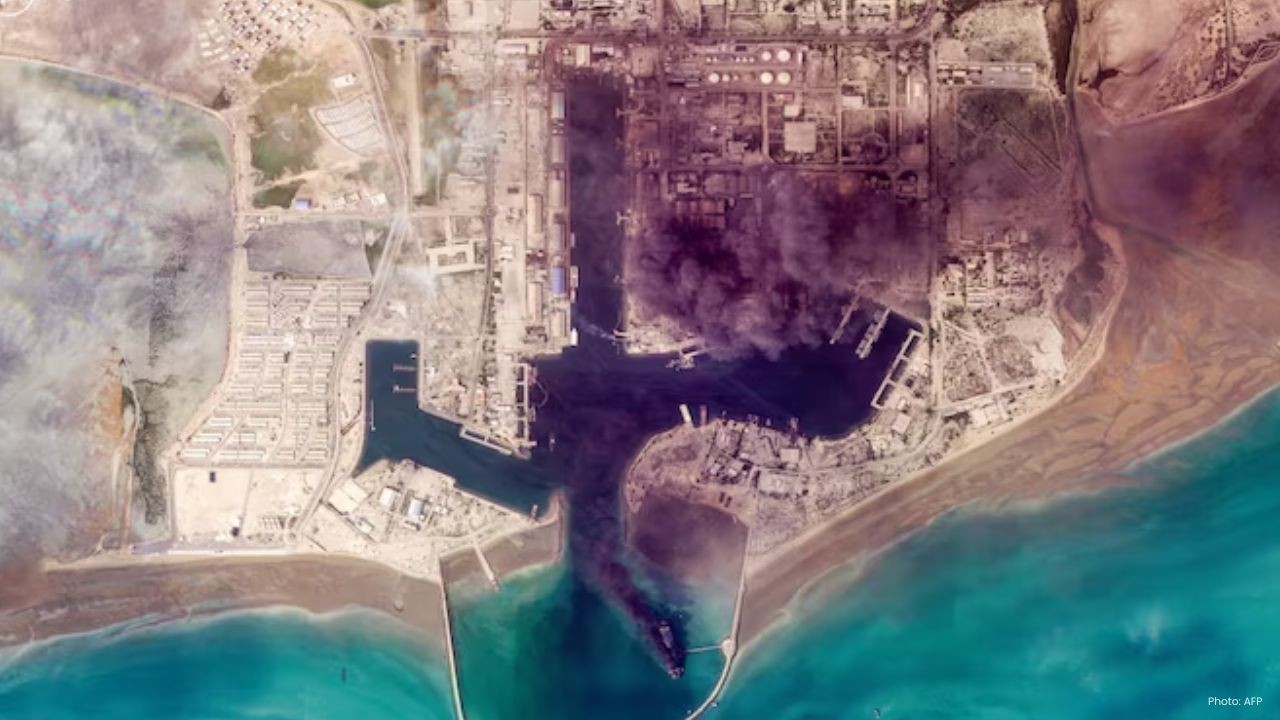
Asia Faces Energy Shock After Iran Closes Strait
Iran shuts Strait of Hormuz amid US-Israel strikes, sending oil prices higher and raising serious en


Bank of Baroda Faces Abu Dhabi Legal Battle over NMC Collapse
Bank of Baroda’s involvement in Abu Dhabi litigation tied to the NMC Healthcare collapse raises repu

Top Museum Openings of 2026 Set to Transform Global Tourism
From Los Angeles to Abu Dhabi and Brussels, 2026 brings major museum launches—Lucas Museum, Guggenhe

UAE Tour Highlights UAE’s Strength in Hosting Global Sports Events
Abu Dhabi Sports Council says the successful UAE Tour reflects the UAE’s leading role in hosting maj

EU Seeks Clarity from US After Supreme Court IEEPA Ruling
European Commission urges full transparency from the US on steps after Supreme Court ruling, emphasi
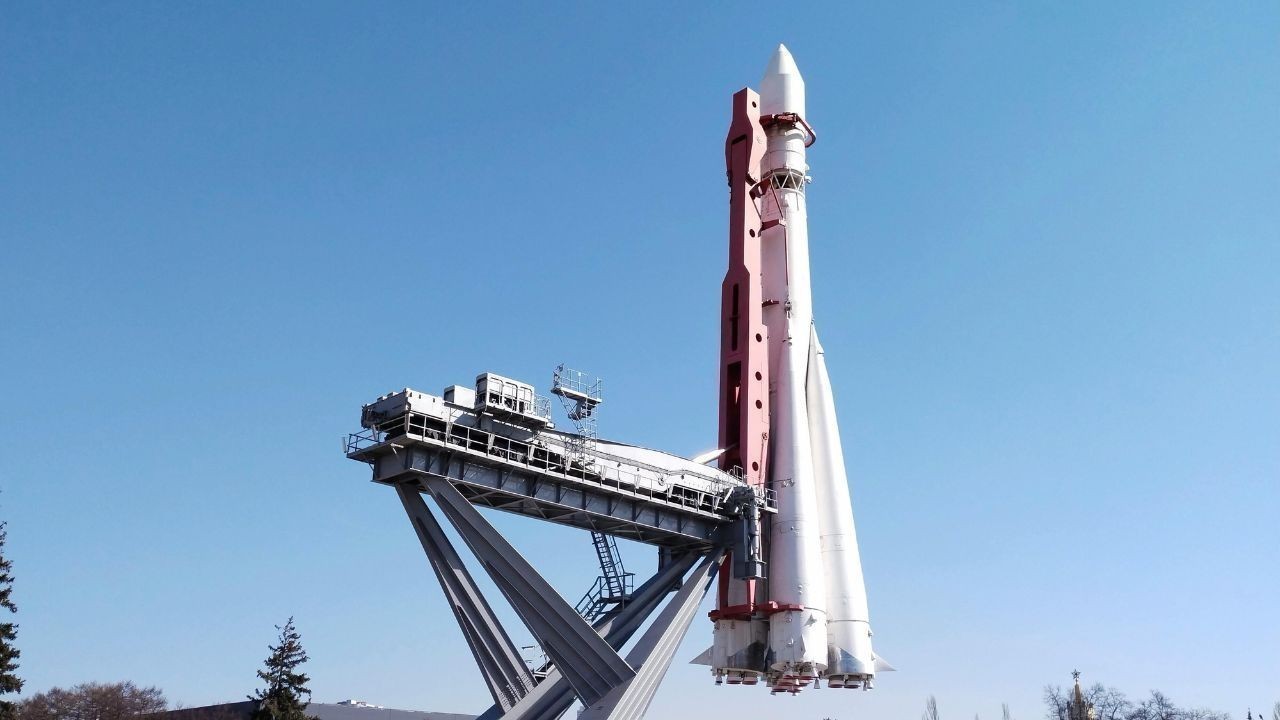
SpaceX Launches 53 New Satellites for Expanding Starlink Network
SpaceX launches 53 Starlink satellites in two Falcon 9 missions, breaking reuse records and expandin

RTA Awards Contract for Phase II of Hessa Street Upgrade in Dubai
Phase II of Hessa Street Development to add bridges, tunnel, and upgraded intersections, doubling ca

UAE Gold Prices Today, Monday 16 February 2026: Dubai & Abu Dhabi Updated Rates
Gold prices in UAE on 16 Feb 2026 updated: 24K around AED 599.75/gm, 22K AED 555.25/gm, and 18K AED

Over 25 Ahmedabad Schools Receive Bomb Threat Email, Authorities Investigate
More than 25 schools in Ahmedabad evacuated after bomb threat emails mentioning Khalistan. Authoriti