Post by : Michael Darzi
People often say that a child’s first school is not a classroom with desks and books, but the home. This idea is very true. Long before children go to school or meet teachers, they begin learning from their family. Parents, grandparents, and the home environment play the first and most important role in shaping a child’s life. That is why home is called a child’s first classroom, where values and habits begin to grow and stay for years to come.
From a very young age, children closely watch everything around them. They notice how adults talk to each other, how they react to problems, and how they behave in daily life. These small, everyday moments slowly shape a child’s thoughts, behavior, and way of seeing the world.
Children begin learning as soon as they are born. Even before they can speak or understand words, they observe actions and expressions. The way parents greet others, stay calm during stress, or show patience leaves a strong mark on a child’s mind.
Learning at home is different from school learning. There are no lessons, tests, or homework. Still, this kind of learning is very powerful. A caring and respectful home helps children feel safe, confident, and emotionally strong, which helps them later in life.
Parents often explain to children what is right and wrong. But children learn more by watching than by listening. When they see kindness, honesty, and respect at home, they slowly begin to follow the same behavior.
For example, if parents speak politely, children learn to speak politely too. If parents respect time, children learn discipline. If parents show care for others, children learn empathy. These lessons happen naturally without pressure.
At the same time, negative behavior can also affect children. Anger, rude language, or careless habits are easily copied. That is why parents are encouraged to lead by example.
Many parents do not realize that they are teaching their children every day. Teaching does not always mean studying books. It happens through daily activities and simple moments.
Habits like sharing, helping others, telling the truth, and taking responsibility are learned at home. When parents practice these habits themselves, children follow naturally. This is how good character is built step by step.
Experts believe that values learned in early childhood remain strong throughout life. Schools teach subjects, but values begin at home.
The environment at home plays a major role in a child’s emotional development. A peaceful and supportive home helps children feel loved and respected. When children feel safe, they are more confident and open.
Homes where children are allowed to ask questions, share feelings, and express opinions help build independent thinking. Such children usually perform better in school and form better relationships with others.
Even small actions, like listening carefully or spending time together, can have a lasting impact.
Teachers have an important role in a child’s education, but their work becomes easier when children come from strong home backgrounds. Children who learn discipline and respect at home adjust better to school rules and learning.
Education works best when parents and teachers work together. Parents build values at home, while teachers develop skills and knowledge at school. Together, they help shape balanced individuals.
Habits formed during childhood often stay for life. Simple routines such as waking up on time, keeping things clean, and finishing tasks responsibly usually begin at home.
Children who learn good habits early find it easier to succeed later in studies, work, and relationships. Bad habits, once formed, are harder to change in adulthood.
This is why parents are advised to focus on daily routines and consistency.
Today’s parents face many challenges. Busy work schedules, screen time, and social media often reduce family interaction. Many parents want to do their best but struggle to spend enough time with their children.
However, time spent with care matters more than long hours. Eating meals together, talking openly, and giving full attention—even for a short time—helps strengthen the parent-child bond. Children do not expect perfect parents, only loving and present ones.
When families focus on teaching good values, the entire society benefits. Children raised with honesty, respect, and responsibility grow into better citizens. They contribute positively to schools, workplaces, and communities.
Strong homes help build strong societies. What children learn at home shapes not just their future, but the future of the country.
Home is truly a child’s first classroom, where values and habits take shape long before school education begins. Parents and family members influence a child’s character through daily actions and behavior. While schools focus on learning subjects, the foundation of values is always built at home.
In a fast-changing world, strong and supportive homes remain essential. When families understand their role in early learning, they help raise confident, respectful, and responsible children—creating a brighter future for everyone.
This article is published for general information and awareness purposes only. It is based on commonly observed parenting practices and everyday experiences shared by families. Parenting methods, home environments, and child development may vary from one household to another. The views expressed in this article are not meant to replace professional, educational, or medical advice. Readers are encouraged to use their own understanding and consult qualified experts or professionals if they have specific concerns related to parenting, education, or child development.

US Stocks Slide as AI Fears, Inflation and Oil Surge Weigh
US stocks dropped as AI disruption fears hit tech firms, inflation rose above forecasts, and oil pri

Pacific Prime Wins Top Honors at Cigna Awards 2026
Pacific Prime secured Top Individual Broker and Top SME Broker awards at Cigna’s Annual Broker Award

QatarEnergy Halts LNG Output After Military Attack
QatarEnergy has stopped LNG production after military attacks hit its facilities in Ras Laffan and M

Strong 6.1 Magnitude Earthquake Hits West Sumatra, No Damage
A 6.1 earthquake struck off West Sumatra, Indonesia. No casualties, damage, or tsunami alert reporte

Saudi Confirms Drone Strike on US Embassy Riyadh
Two drones hit the US Embassy in Riyadh, causing a small fire and minor damage. No injuries were rep

UAE Restarts Limited Flights as Regional Airspace Disruptions Continue
UAE restarts limited flights from Dubai as US-Israel attacks on Iran disrupt regional airspace, forc

Asia Faces Energy Shock After Iran Closes Strait
Iran shuts Strait of Hormuz amid US-Israel strikes, sending oil prices higher and raising serious en


Bank of Baroda Faces Abu Dhabi Legal Battle over NMC Collapse
Bank of Baroda’s involvement in Abu Dhabi litigation tied to the NMC Healthcare collapse raises repu

Top Museum Openings of 2026 Set to Transform Global Tourism
From Los Angeles to Abu Dhabi and Brussels, 2026 brings major museum launches—Lucas Museum, Guggenhe

UAE Tour Highlights UAE’s Strength in Hosting Global Sports Events
Abu Dhabi Sports Council says the successful UAE Tour reflects the UAE’s leading role in hosting maj

EU Seeks Clarity from US After Supreme Court IEEPA Ruling
European Commission urges full transparency from the US on steps after Supreme Court ruling, emphasi
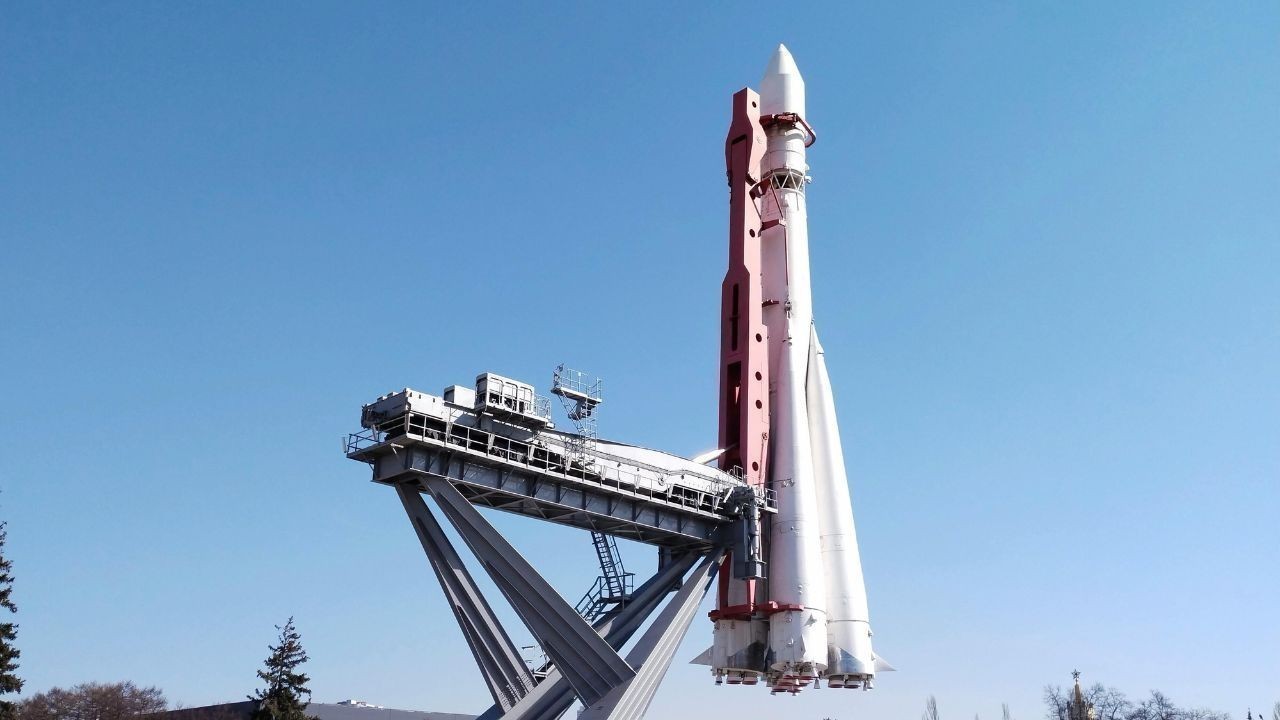
SpaceX Launches 53 New Satellites for Expanding Starlink Network
SpaceX launches 53 Starlink satellites in two Falcon 9 missions, breaking reuse records and expandin

RTA Awards Contract for Phase II of Hessa Street Upgrade in Dubai
Phase II of Hessa Street Development to add bridges, tunnel, and upgraded intersections, doubling ca

UAE Gold Prices Today, Monday 16 February 2026: Dubai & Abu Dhabi Updated Rates
Gold prices in UAE on 16 Feb 2026 updated: 24K around AED 599.75/gm, 22K AED 555.25/gm, and 18K AED
Over 25 Ahmedabad Schools Receive Bomb Threat Email, Authorities Investigate
More than 25 schools in Ahmedabad evacuated after bomb threat emails mentioning Khalistan. Authoriti