Post by : Sam Haleem
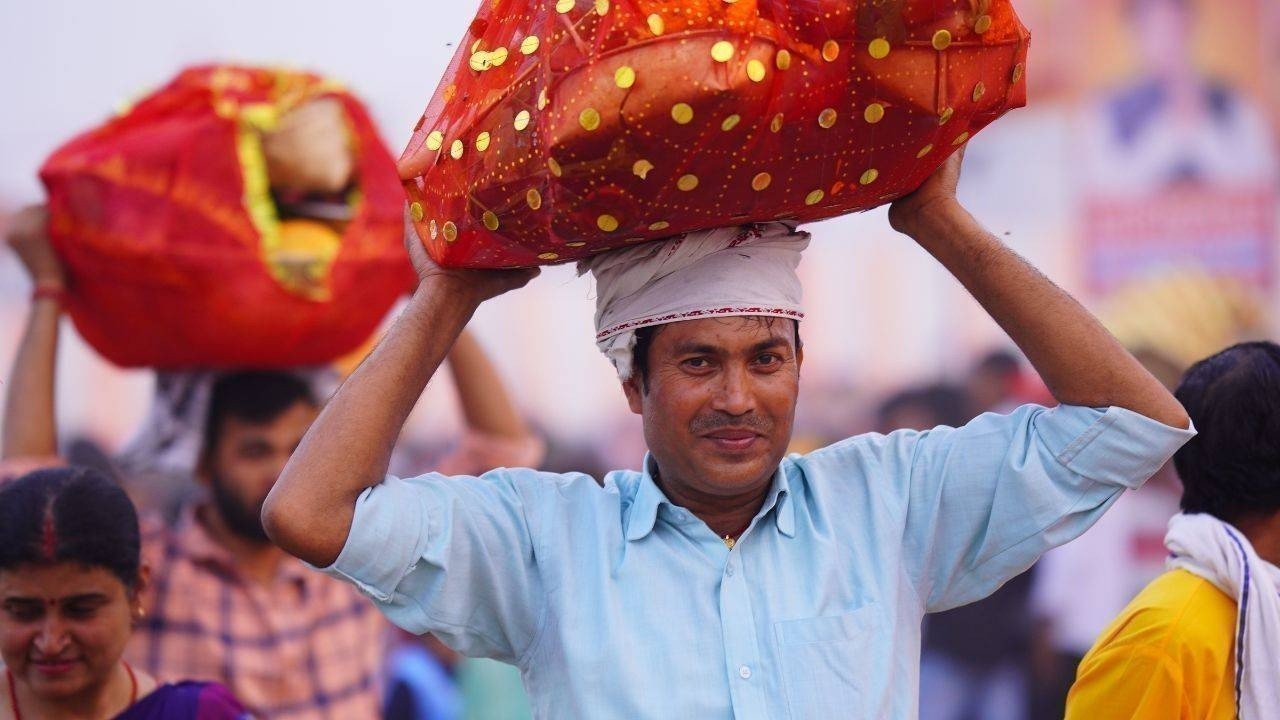
Chhath Puja is one of the most revered festivals in Hinduism, particularly celebrated in Bihar, Jharkhand, Uttar Pradesh, and Nepal. Dedicated to Lord Surya (Sun God) and Chhathi Maiya (Goddess of Power), the festival is a beautiful blend of devotion, gratitude, and harmony with nature. Observed six days after Diwali, Chhath Puja is unique for its strict fasting, holy bathing, and offering prayers at riverbanks or ponds. The rituals emphasize not only devotion but also environmental consciousness, health, and family bonding.
Chhath Puja has roots in ancient Vedic traditions and is mentioned in various Hindu scriptures. According to legends, Lord Ram and Sita observed Chhath Puja after returning from exile, while Draupadi performed similar rituals in the Mahabharata to ensure her husbands’ welfare.
Over centuries, the festival became widely celebrated in eastern India, especially under the patronage of local kings who encouraged the practice. Its continued observance over thousands of years reflects its deep spiritual and cultural significance, honoring the Sun as the life-sustaining force.
Chhath Puja is more than a festival; it’s a spiritual practice with multiple layers of meaning.
The festival emphasizes gratitude to the Sun God, who sustains life and provides energy for crops, humans, and animals. Devotees offer arghya (water offerings) to the rising and setting sun, praying for health, prosperity, and longevity.
It also teaches respect for nature. Observing rituals by rivers or ponds encourages environmental mindfulness and hygiene. The fasting, abstinence, and disciplined lifestyle reflect self-control, purity, and mental resilience. Moreover, the festival fosters family unity and community bonding, as rituals are performed collectively and offerings are shared.
Chhath Puja spans four main days, each with distinct rituals:
1. Nahay-Khay (First Day)
Devotees take a holy bath in rivers or ponds and consume a single meal of rice, lentils, and vegetables, marking the beginning of the festival. This ritual emphasizes physical and spiritual purification.
2. Lohanda and Kharna (Second Day)
Fasting begins with Kharna, where devotees abstain from water and eat only after sunset. They prepare khichdi, puris, and jaggery-based sweets for the offering, followed by Lohanda, which involves family prayers and setting up the Chhath Puja altar.
3. Sandhya Arghya (Evening Offerings)
The most significant ritual involves offering arghya to the setting sun. Devotees stand in water, holding offerings of fruits, sugarcane, and thekua (a traditional wheat and jaggery cookie). Evening prayers include chants, folk songs, and devotion to Chhathi Maiya.
4. Usha Arghya (Morning Offerings)
The final day begins with offerings to the rising sun, after which devotees break their fast. This day symbolizes the culmination of devotion, gratitude, and spiritual fulfillment.
The foods prepared during Chhath Puja are sattvic, simple, and symbolic, reflecting devotion and gratitude:
Thekua: A sweet cookie made with wheat flour, jaggery, and ghee, symbolizing purity.
Fruits: Seasonal fruits like bananas, sugarcane, and coconuts represent health and abundance.
Rice and Lentils: Staples offered to the Sun, representing sustenance.
Jaggery-based sweets: Signify the sweetness of life and divine blessings.
These dishes are prepared without onion, garlic, or tamasic ingredients, keeping the offerings spiritually pure.
While Bihar and Uttar Pradesh are the heartlands of Chhath Puja, the festival has spread to other regions and countries. In Nepal, it is celebrated on riverbanks and ponds with similar fasting and offerings. Communities in Jharkhand and Madhya Pradesh celebrate with folk songs, fairs, and collective prayers. Indian diaspora communities in Mauritius, Trinidad, Guyana, and other countries maintain the traditions near lakes or artificial water bodies. Despite regional variations, the core spiritual essence of gratitude and sun worship remains the same.
Chhath Puja imparts several life lessons:
Discipline and Devotion: Fasting and rituals cultivate resilience and dedication.
Respect for Nature: Performing rituals near water bodies promotes environmental consciousness.
Gratitude and Service: The festival teaches thankfulness for life’s blessings and encourages community service.
Health and Wellness: Fasting and dietary restrictions promote detoxification and overall well-being.
This festival is a perfect example of how spirituality, culture, and ecological balance can coexist.
This article is for educational and informational purposes only. The rituals and significance of Chhath Puja may vary across regions and communities. Readers are encouraged to follow local customs or consult knowledgeable elders. Participation in fasting or rituals should consider personal health, dietary restrictions, or medical conditions. The authors and publishers do not assume responsibility for any outcomes resulting from the practices mentioned here.

US Stocks Slide as AI Fears, Inflation and Oil Surge Weigh
US stocks dropped as AI disruption fears hit tech firms, inflation rose above forecasts, and oil pri

Pacific Prime Wins Top Honors at Cigna Awards 2026
Pacific Prime secured Top Individual Broker and Top SME Broker awards at Cigna’s Annual Broker Award

QatarEnergy Halts LNG Output After Military Attack
QatarEnergy has stopped LNG production after military attacks hit its facilities in Ras Laffan and M

Strong 6.1 Magnitude Earthquake Hits West Sumatra, No Damage
A 6.1 earthquake struck off West Sumatra, Indonesia. No casualties, damage, or tsunami alert reporte

Saudi Confirms Drone Strike on US Embassy Riyadh
Two drones hit the US Embassy in Riyadh, causing a small fire and minor damage. No injuries were rep

UAE Restarts Limited Flights as Regional Airspace Disruptions Continue
UAE restarts limited flights from Dubai as US-Israel attacks on Iran disrupt regional airspace, forc

Asia Faces Energy Shock After Iran Closes Strait
Iran shuts Strait of Hormuz amid US-Israel strikes, sending oil prices higher and raising serious en


Bank of Baroda Faces Abu Dhabi Legal Battle over NMC Collapse
Bank of Baroda’s involvement in Abu Dhabi litigation tied to the NMC Healthcare collapse raises repu

Top Museum Openings of 2026 Set to Transform Global Tourism
From Los Angeles to Abu Dhabi and Brussels, 2026 brings major museum launches—Lucas Museum, Guggenhe

UAE Tour Highlights UAE’s Strength in Hosting Global Sports Events
Abu Dhabi Sports Council says the successful UAE Tour reflects the UAE’s leading role in hosting maj

EU Seeks Clarity from US After Supreme Court IEEPA Ruling
European Commission urges full transparency from the US on steps after Supreme Court ruling, emphasi

SpaceX Launches 53 New Satellites for Expanding Starlink Network
SpaceX launches 53 Starlink satellites in two Falcon 9 missions, breaking reuse records and expandin

RTA Awards Contract for Phase II of Hessa Street Upgrade in Dubai
Phase II of Hessa Street Development to add bridges, tunnel, and upgraded intersections, doubling ca

UAE Gold Prices Today, Monday 16 February 2026: Dubai & Abu Dhabi Updated Rates
Gold prices in UAE on 16 Feb 2026 updated: 24K around AED 599.75/gm, 22K AED 555.25/gm, and 18K AED

Over 25 Ahmedabad Schools Receive Bomb Threat Email, Authorities Investigate
More than 25 schools in Ahmedabad evacuated after bomb threat emails mentioning Khalistan. Authoriti





