Post by : Sam Jeet Rahman
Heatwaves are no longer rare events. Around the world, rising temperatures are making summers hotter, longer, and more dangerous than ever before. In recent years, cities from Europe to Asia have reported record-breaking temperatures, forcing people to rethink how they live and work in the heat. Scientists warn that as climate change continues, heatwaves will become stronger and more frequent in the coming decades.
While governments and cities work on large-scale solutions, individuals must also learn how to protect their bodies and health during extreme heat. Staying cool in a heatwave is not only about comfort—it can be the difference between staying healthy and facing serious health risks like heat exhaustion or heatstroke.
In this guide, we’ll explore why heatwaves are getting worse and share practical tips to keep your body cool, hydrated, and safe when temperatures soar.
Heatwaves are periods of abnormally high temperatures that last for several days or weeks. They are intensifying due to:
Global warming caused by greenhouse gas emissions.
Urban heat islands, where cities trap heat because of concrete, asphalt, and fewer green spaces.
Shifting weather patterns linked to climate change.
According to climate experts, the number of extreme heat days has doubled in the last 40 years. In 2022, India and Pakistan faced temperatures above 49°C (120°F) in several regions, while parts of Europe reached over 40°C (104°F).
Heatwaves are not just uncomfortable; they can be life-threatening. The main health risks include:
Dehydration: Losing too much water and salt from sweating.
Heat exhaustion: Symptoms include dizziness, nausea, and headaches.
Heatstroke: A medical emergency where body temperature rises dangerously high.
Exacerbation of existing conditions: Heart disease, asthma, and diabetes can worsen in extreme heat.
The elderly, children, outdoor workers, and people with chronic illnesses are the most vulnerable.
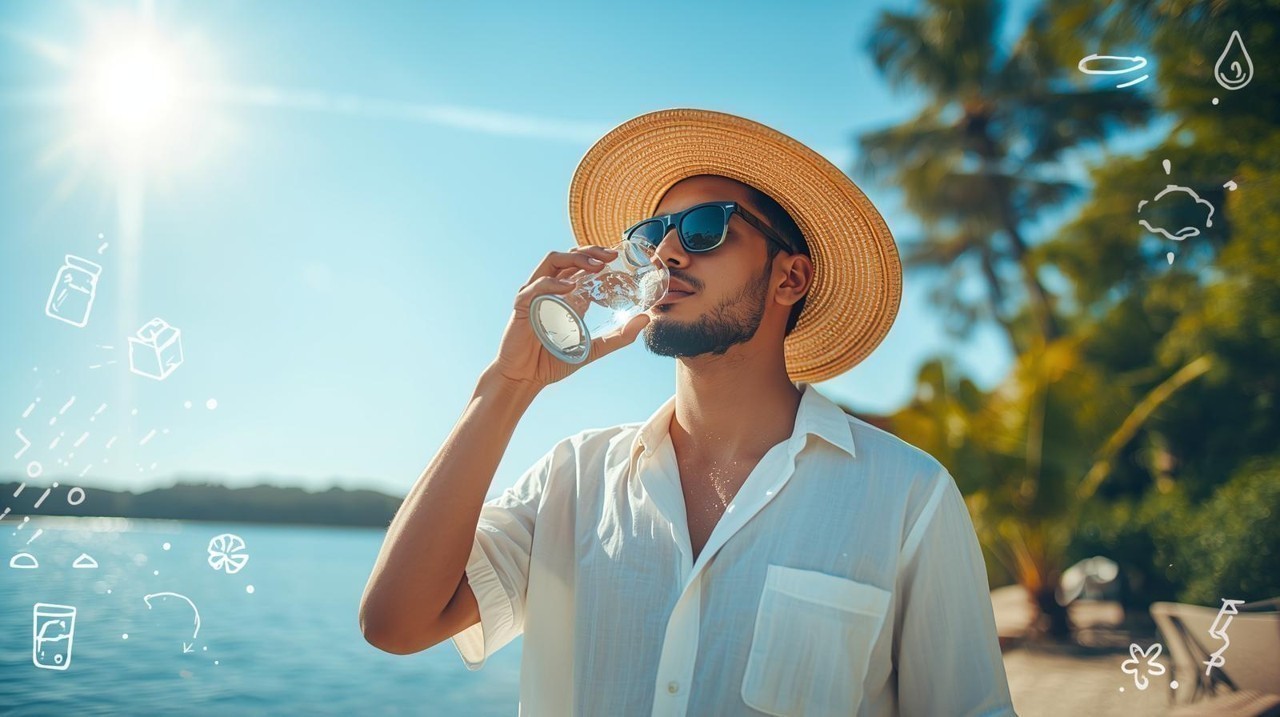
Drinking enough water is the most effective way to keep your body cool. But hydration isn’t just about quantity—it’s about balance.
Drink 8–10 glasses of water daily, or more if you sweat heavily.
Include electrolytes (sodium, potassium, magnesium) through coconut water, lemon water, or sports drinks.
Avoid excess caffeine and alcohol, which dehydrate the body.
Eat water-rich foods like watermelon, cucumber, and oranges.
Carrying a reusable water bottle when you step out is one of the simplest ways to stay safe during a heatwave.
Your clothing choices can make a big difference in regulating body temperature.
Wear light-colored, loose, and breathable fabrics like cotton and linen.
Avoid dark colors that absorb heat.
Use wide-brimmed hats and UV-protective sunglasses when outdoors.
Opt for open footwear or sandals instead of heavy shoes.
This simple switch can help your body release heat more effectively.
When heatwaves strike, your home should become a cooling shelter.
Keep curtains and blinds closed during the day to block sunlight.
Use cross ventilation by opening windows in the evening.
Place bowls of ice in front of fans for instant cooling.
Switch to energy-efficient cooling appliances like ceiling fans or portable air conditioners.
If air conditioning isn’t available, creating shaded, airy spaces can still bring significant relief.
Adapting your schedule helps reduce heat exposure.
Avoid outdoor work or exercise between 12 PM and 4 PM, when heat is strongest.
Plan outdoor activities in the early morning or late evening.
Take short breaks if working outdoors and rest in shaded areas.
Wear sunscreen (SPF 30 or higher) to protect skin from harmful UV rays.
Listening to your body’s signals is crucial—if you feel faint, stop and rest immediately.
Food plays a surprising role in how your body handles heat.
Choose smaller, lighter meals instead of heavy, oily foods.
Incorporate fresh fruits and vegetables that keep you hydrated.
Avoid red meat and spicy foods that increase internal body heat.
Try cold soups, smoothies, and salads to cool down naturally.
A refreshing diet can help maintain energy while preventing overheating.
There are simple tricks to cool your body quickly:
Place a damp towel on your neck, wrists, or forehead.
Take cool showers or soak your feet in cold water.
Sleep with a wet sheet (Egyptian method) in front of a fan.
Use mist sprays to cool your skin on the go.
These methods can provide quick relief during sudden heat spikes.
Understanding the symptoms of heat-related illness can save lives.
Heat exhaustion: Excessive sweating, weakness, dizziness, nausea.
Heatstroke: Body temperature above 40°C (104°F), confusion, loss of consciousness.
If heatstroke symptoms appear, seek emergency medical help immediately. Cooling the person rapidly with water, fans, or ice packs is essential while waiting for medical aid.
While individual actions matter, communities and households can also adopt long-term solutions:
Plant trees and greenery around homes to reduce urban heat.
Invest in energy-efficient cooling systems.
Advocate for climate-friendly policies that reduce greenhouse gas emissions.
Educate vulnerable groups about heat safety practices.
Building resilience against heatwaves is becoming a necessity for modern living.
Heatwaves are no longer just a seasonal inconvenience—they are a serious global health challenge. With rising temperatures linked to climate change, simple daily habits like staying hydrated, eating light meals, dressing appropriately, and recognizing early warning signs can save lives.
By combining personal responsibility with community efforts, we can stay healthy, safe, and cool, even as heatwaves grow stronger in the future.
Water is the best option, but drinks like coconut water, lemon water, and buttermilk also help replace electrolytes lost through sweating.
Yes. Repeated exposure to extreme heat can worsen heart, lung, and kidney diseases. It also increases the risk of chronic dehydration and fatigue.
Most adults should aim for 2.5–3 liters (10–12 cups) per day, but those working outdoors or exercising may need more.
Avoid spicy, oily, fried foods and red meat, as they increase body heat and slow digestion. Opt for light, water-rich meals instead.
The elderly, children, pregnant women, outdoor workers, and people with chronic illnesses are most vulnerable to heat-related illnesses.
No. While AC helps, fans, shade, hydration, ventilation, and cooling techniques are effective and more sustainable alternatives.
Heat exhaustion causes sweating, dizziness, and weakness, while heatstroke is more severe, with high body temperature, confusion, and loss of consciousness. Heatstroke requires immediate medical attention.

US Stocks Slide as AI Fears, Inflation and Oil Surge Weigh
US stocks dropped as AI disruption fears hit tech firms, inflation rose above forecasts, and oil pri

Pacific Prime Wins Top Honors at Cigna Awards 2026
Pacific Prime secured Top Individual Broker and Top SME Broker awards at Cigna’s Annual Broker Award
QatarEnergy Halts LNG Output After Military Attack
QatarEnergy has stopped LNG production after military attacks hit its facilities in Ras Laffan and M
Strong 6.1 Magnitude Earthquake Hits West Sumatra, No Damage
A 6.1 earthquake struck off West Sumatra, Indonesia. No casualties, damage, or tsunami alert reporte

Saudi Confirms Drone Strike on US Embassy Riyadh
Two drones hit the US Embassy in Riyadh, causing a small fire and minor damage. No injuries were rep

UAE Restarts Limited Flights as Regional Airspace Disruptions Continue
UAE restarts limited flights from Dubai as US-Israel attacks on Iran disrupt regional airspace, forc
Asia Faces Energy Shock After Iran Closes Strait
Iran shuts Strait of Hormuz amid US-Israel strikes, sending oil prices higher and raising serious en


Bank of Baroda Faces Abu Dhabi Legal Battle over NMC Collapse
Bank of Baroda’s involvement in Abu Dhabi litigation tied to the NMC Healthcare collapse raises repu

Top Museum Openings of 2026 Set to Transform Global Tourism
From Los Angeles to Abu Dhabi and Brussels, 2026 brings major museum launches—Lucas Museum, Guggenhe
UAE Tour Highlights UAE’s Strength in Hosting Global Sports Events
Abu Dhabi Sports Council says the successful UAE Tour reflects the UAE’s leading role in hosting maj

EU Seeks Clarity from US After Supreme Court IEEPA Ruling
European Commission urges full transparency from the US on steps after Supreme Court ruling, emphasi

SpaceX Launches 53 New Satellites for Expanding Starlink Network
SpaceX launches 53 Starlink satellites in two Falcon 9 missions, breaking reuse records and expandin

RTA Awards Contract for Phase II of Hessa Street Upgrade in Dubai
Phase II of Hessa Street Development to add bridges, tunnel, and upgraded intersections, doubling ca

UAE Gold Prices Today, Monday 16 February 2026: Dubai & Abu Dhabi Updated Rates
Gold prices in UAE on 16 Feb 2026 updated: 24K around AED 599.75/gm, 22K AED 555.25/gm, and 18K AED

Over 25 Ahmedabad Schools Receive Bomb Threat Email, Authorities Investigate
More than 25 schools in Ahmedabad evacuated after bomb threat emails mentioning Khalistan. Authoriti