Post by : Anis Karim
For millennia, gold has woven its way through human history, yet the fervor observed in 2026 is strikingly renewed. This surge in interest transcends mere financial markets, capturing the attention of households and national reserves as well. Investors, once enamored with rapid-growth options, are reigniting their affinity for physical gold, which seems to offer tranquility amid financial volatility.
Early in the year, currency markets exhibited unexpected swings. Rising public debt in developed nations and diminishing trade revenues in emerging markets served as reminders of the fleeting nature of paper-based instruments. Gold, unconstrained by any particular flag, benefitted from these revelations.
Monetary authorities have become prominent advocates for gold. In light of past economic shocks, these institutions recognized that tying reserves to a handful of currencies poses significant risks. By 2026, the acquisition of gold emerged as a strategic policy choice rather than an antiquated practice. Each ton secured in vaults contributes quietly yet effectively to rising gold prices.
Countries are now regarding gold as a hallmark of financial independence. Expanding their holdings enables nations to navigate unforeseen sanctions or payment hurdles. Countries in Asia and the Gulf have ramped up their procurement efforts, leading to noticeable market shifts.
When government officials opt for gold, public sentiment tends to follow. Citizens are inclined to trust that authorities possess deeper economic insights. This imitation effect saw jewelry stores experiencing increased demand, with many reporting waiting lists for minted products. The surge in official demand has effectively established a psychological support level for the metal.
The 2026 financial landscape is characterized by numerous experiments. The swift expansion of digital currencies has faced regulatory hurdles, while traditional paper currencies have struggled under inflationary pressures. Exchange rates fluctuated erratically, disrupting long-term strategies. Savers gravitated toward tangible assets with universal appeal.
Many regions witnessed spikes in living costs, particularly in essentials like food and transportation, attributed to the expensive shift towards sustainable energy sources. Meanwhile, stagnant wage growth eroded real household comfort. In this context, hard assets emerged as a logical choice, with gold presenting a straightforward solution to complicated financial situations.
Political unrest has played a significant role in driving gold's upward trajectory. Disruptions in trade routes, particularly in the Red Sea and Eastern Europe, have underscored the fragility of supply chains. Gold, unaffected by political disputes, commands a premium as a safe-haven asset.
The unpredictable nature of financial assets has been starkly evident in recent history. Gold, secured in friendly territories, offers practical insurance. In 2026, numerous governments turned to gold for facilitating bilateral trade as traditional currency pathways grew narrower. This newfound utility has significantly boosted structural demand.
News related to tariffs and regional tensions has consistently added a slight premium to gold prices. This geopolitical context enhances the value of gold beyond mere jewelry purchases. While analysts may view it as fear-driven, families perceive it as essential protection for future generations.
Global stock indices have demonstrated erratic performance in early 2026. Concerns about technology companies’ valuations have arisen, and real estate markets in major cities like Dubai and Doha have shown signs of cooling. Commodity prices have fluctuated due to unpredictable weather patterns. Portfolios that appeared stable suddenly seemed vulnerable.
Funds have observed significant inflows into gold-backed assets. Pension managers set modest targets, while wealth advisors increasingly recommend clients allocate a portion of their portfolios to gold for risk mitigation. This widespread repositioning is evident in rising trading volumes.
In the Middle East and Southeast Asia, purchasing jewelry has evolved into a dual-purpose strategy—investment and adornment. Families favor pieces that are both celebratory items and emergency liquidity options. This 2026 resurgence in jewelry buying has prompted simplification in designs to reduce manufacturing costs.
Mints have introduced one-gram and five-gram gold products to attract new savers. Shops in Dubai's historic souks now experience tourist inquiries about purity and storage techniques. First-time buyers are broadening the demand beyond the realm of large investors.
Gold remains integral to wedding traditions from Cairo to Kuala Lumpur. As prices rise, the urge to acquire even a small quantity of gold strengthens. This cultural resilience has underpinned the remarkable performance of gold in 2026.
The gold mining sector faces hurdles in ramping up output swiftly. Delays in securing environmental approvals and a shortage of new discoveries hamper production capabilities. Meanwhile, the transition to cleaner energy has increased miners' operational costs. Thus, the gold available in 2026 comes with heightened production expenses.
Efforts to recycle gold have provided limited relief, as many households prefer to hold onto vintage pieces, anticipating future price increases. The combination of constrained supply and escalating demand has driven prices accordingly.
The U.S. dollar remains strong yet controversial. Attracting capital through higher interest rates, it nonetheless raises concerns about the sustainability of U.S. public debt. Investors in global hubs like Dubai and Hong Kong view gold as a counterbalance against dollar volatility.
Market speculation around potential future interest rate reductions has resulted in sharp spikes in gold prices. Lower returns decrease the opportunity cost associated with holding gold, adding to its allure. This ongoing debate regarding monetary policy continues to shape market momentum.
With gold predominantly priced in dollars, fluctuations in the currency significantly impact bullion prices. In 2026, while this correlation is evident, the rally has also stood strong due to heightened buying from banks and households alike.
Dubai has consolidated its position as a key global hub for gold trading. The establishment of new refineries on its outskirts and the expansion of secure storage facilities have drawn attention from investors. Dubai's strategic location bridging East and West and its emphasis on privacy make it a preferred destination for gold enthusiasts.
Visitors to Dubai's renowned gold souks are now just as likely to engage in investment discussions as they are to discuss fashion trends. This hub status has injected liquidity into the global market, enabling the 2026 rally to unfold with minimal hindrances.
Historically, gold serves as a bulwark against inflation. When the prices of everyday goods soar, gold often maintains its value or appreciates further. Given the inflationary pressures seen in many regions in 2026, this classic relationship is back in the spotlight.
The shift towards sustainable energy systems has escalated expenses related to transportation and manufacturing. These escalating costs have shifted inflation from luxury goods to essentials. Households grappling with these increases have turned to gold as a protective measure.
Anticipated inflation often prompts buyers to act preemptively, fueling demand before prices spike even higher. Thus, the 2026 gold rally has been spurred as much by sentiment as by the hard data available. Perception has become a critical driving force.
Though some critics contend that large market players might influence prices through futures trading, the robustness of physical demand in 2026 indicates that genuine purchasing drives the narrative. Central bank transactions are transparent and substantial.
Regulators in Dubai and Singapore have intensified their monitoring efforts to ensure equitable trading practices. While discussions about possible manipulation continue, consumers have shown greater interest in ensuring the purity of their gold than in conspiracy theories.
While gold has applications in electronics and healthcare, its industrial demand remains modest. The surge in artificial intelligence has raised the need for high-quality chips, which utilize a small portion of gold for stability. However, this industrial demand pales compared to the larger investment interest; investors procure tons of gold, while industries typically seek grams. The rally underscores a financial narrative.
Digital currencies have promised liberation but are entangled in fears of hacking and regulatory challenges. Gold, impervious to deletion or tech failures, has found a new audience in those skeptical of digital systems. In 2026, many investors have opted to reduce their exposure to digital assets in favor of gold.
Various countries are debating the need for tracking digital wallets, while gold stored in places like Dubai or Zurich appears more straightforward. This ongoing privacy discussion has fueled structural demand for gold.
Older generations continue to recommend that their children purchase at least a small amount of gold each year. While digital tokens may offer quick returns, families often consider them unpredictable. Gold, on the other hand, appears stable and secure.
Market analysts express divided opinions regarding the latter half of 2026. Some predict a tempered consolidation following the recent upsurge, while others hold that robust demand from banks and restricted mining output will sustain the rally. The reality may fall somewhere in between optimism and caution.
Investors in Dubai are advised to resist the temptation to pursue gold recklessly and instead adopt a disciplined approach. Gold is more effective as a stabilizing agent than an obsession. If currency instability persists, the allure of gold might shine brightly.
An unexpected ceasefire in global conflict zones could diminish gold's safe haven appeal. Additionally, aggressive interest rate hikes could disrupt the rally's momentum. Nevertheless, families assess these risks as manageable against the looming threat of currency devaluation.
With few mining advancements, supply constraints may endure. The primary risk lies in psychological momentum: when excitement morphs into panic buying, fluctuations can be pronounced. Maintaining discipline will be critical.
Families venturing into gold investments in 2026 should diligently review purity certificates and choose pieces with lower manufacturing fees. Secure storage in recognized hubs like Dubai ensures increased trust. Regular, small purchases are advisable over hasty investments.
This approach is intended to provide protection for significant life events—marriages, education, and emergencies. Gold should complement life's journey rather than complicate it—a sentiment echoed by financial advisors across the Middle East.
The unprecedented gold rally of 2026 encapsulates a world yearning for stability amid rapid change. Gold, though ancient, has emerged as a contemporary sanctuary. In vibrant souks of Dubai and in the calm of central vaults, gold is regarded as a safeguard for our times.
Regardless of whether this upward momentum continues or halts, gold has reaffirmed its clarity of purpose when other investments falter. The year stands as a testament to the world’s renewed faith in the timeless metal.
Disclaimer:
This article serves informational purposes only, reflecting market dynamics and public sentiment captured in 2026. Gold prices are susceptible to rapid fluctuations influenced by currency trends, policy shifts, and international events. Readers should consult with qualified financial experts prior to making investment decisions.

US Stocks Slide as AI Fears, Inflation and Oil Surge Weigh
US stocks dropped as AI disruption fears hit tech firms, inflation rose above forecasts, and oil pri

Pacific Prime Wins Top Honors at Cigna Awards 2026
Pacific Prime secured Top Individual Broker and Top SME Broker awards at Cigna’s Annual Broker Award
QatarEnergy Halts LNG Output After Military Attack
QatarEnergy has stopped LNG production after military attacks hit its facilities in Ras Laffan and M
Strong 6.1 Magnitude Earthquake Hits West Sumatra, No Damage
A 6.1 earthquake struck off West Sumatra, Indonesia. No casualties, damage, or tsunami alert reporte

Saudi Confirms Drone Strike on US Embassy Riyadh
Two drones hit the US Embassy in Riyadh, causing a small fire and minor damage. No injuries were rep

UAE Restarts Limited Flights as Regional Airspace Disruptions Continue
UAE restarts limited flights from Dubai as US-Israel attacks on Iran disrupt regional airspace, forc
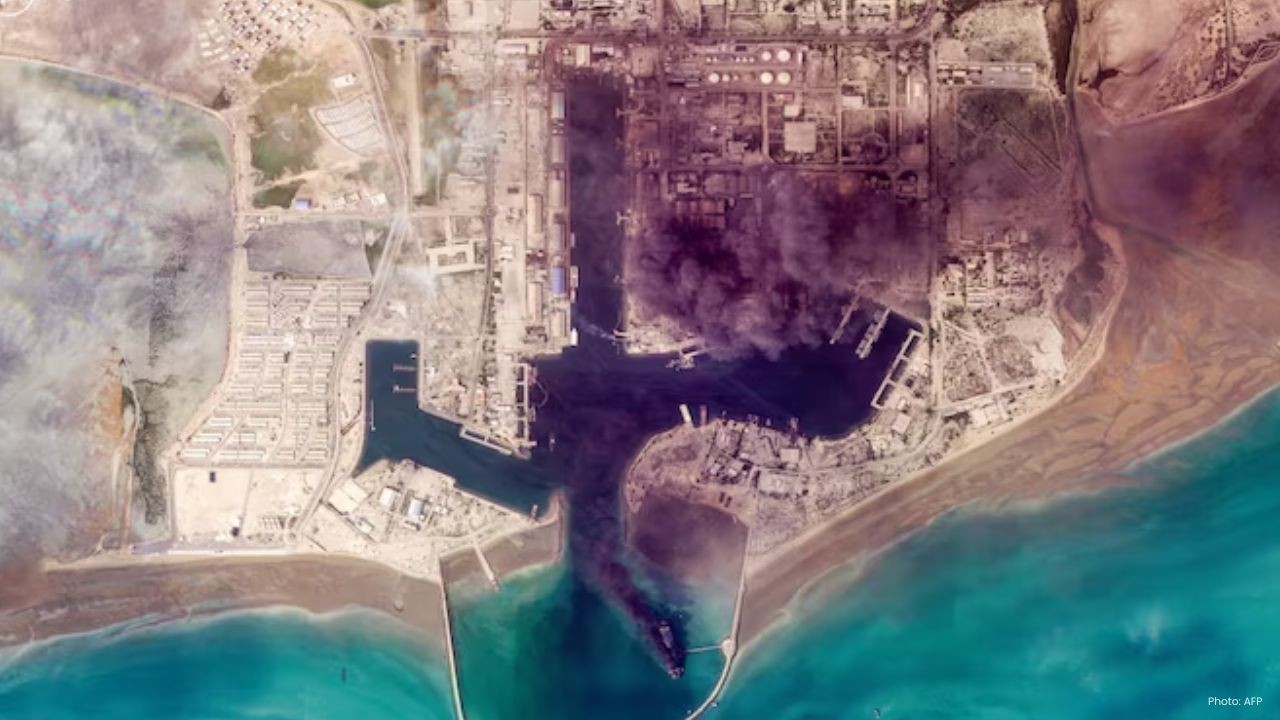
Asia Faces Energy Shock After Iran Closes Strait
Iran shuts Strait of Hormuz amid US-Israel strikes, sending oil prices higher and raising serious en

Bank of Baroda Faces Abu Dhabi Legal Battle over NMC Collapse
Bank of Baroda’s involvement in Abu Dhabi litigation tied to the NMC Healthcare collapse raises repu

Top Museum Openings of 2026 Set to Transform Global Tourism
From Los Angeles to Abu Dhabi and Brussels, 2026 brings major museum launches—Lucas Museum, Guggenhe

UAE Tour Highlights UAE’s Strength in Hosting Global Sports Events
Abu Dhabi Sports Council says the successful UAE Tour reflects the UAE’s leading role in hosting maj
EU Seeks Clarity from US After Supreme Court IEEPA Ruling
European Commission urges full transparency from the US on steps after Supreme Court ruling, emphasi
SpaceX Launches 53 New Satellites for Expanding Starlink Network
SpaceX launches 53 Starlink satellites in two Falcon 9 missions, breaking reuse records and expandin
RTA Awards Contract for Phase II of Hessa Street Upgrade in Dubai
Phase II of Hessa Street Development to add bridges, tunnel, and upgraded intersections, doubling ca
UAE Gold Prices Today, Monday 16 February 2026: Dubai & Abu Dhabi Updated Rates
Gold prices in UAE on 16 Feb 2026 updated: 24K around AED 599.75/gm, 22K AED 555.25/gm, and 18K AED
Over 25 Ahmedabad Schools Receive Bomb Threat Email, Authorities Investigate
More than 25 schools in Ahmedabad evacuated after bomb threat emails mentioning Khalistan. Authoriti