Post by : Anis Karim
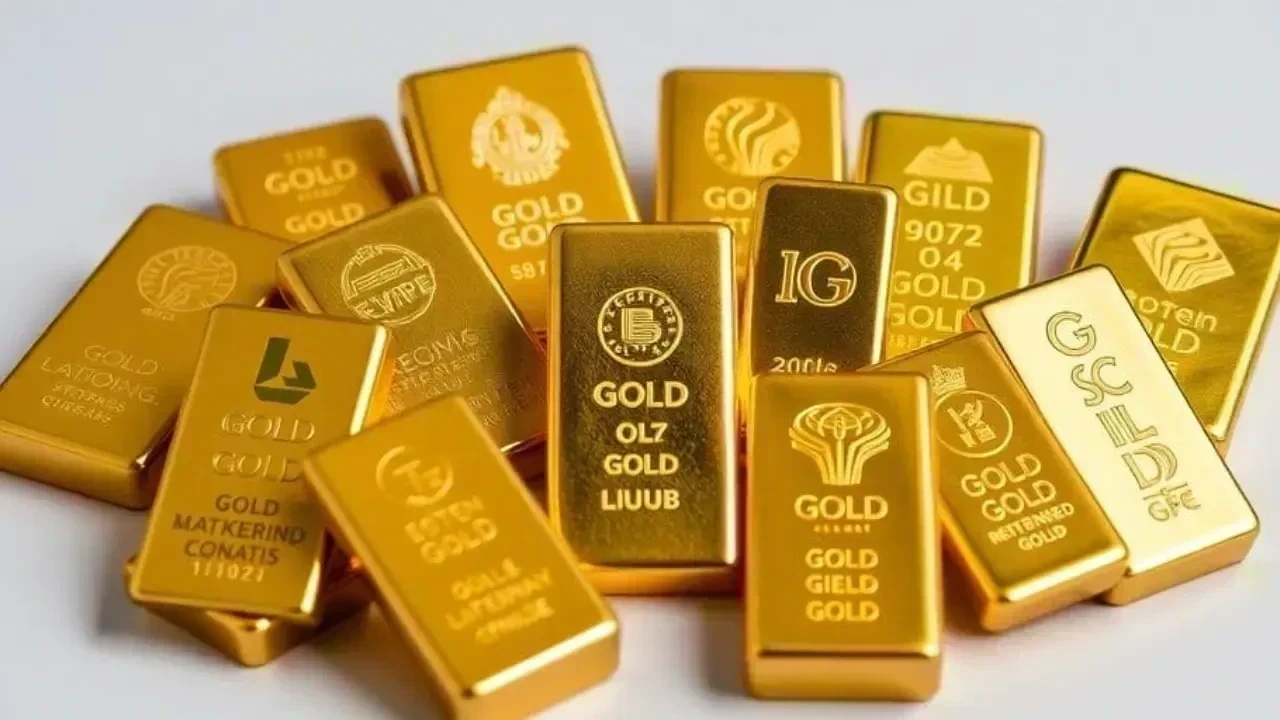
As global uncertainties loom, gold prices are soaring, nearing historic highs. Investors are turning to gold as a safe haven amid escalating trade tensions, particularly between the U.S. and Europe. Renewed threats of tariffs have resulted in a cautious market environment, pushing participants to seek refuge in precious metals like gold and silver, amid rising anxieties over the global economic outlook.
Spot gold remains robust, recently hitting record levels, highlighting a strong demand underpinned by macroeconomic and geopolitical pressures. U.S. gold futures are exhibiting a bullish trend, reflecting heightened trading activity in the commodities sector.
Silver, positioned as a complementary asset to gold, is also performing well, supported by similar investor sentiment and a diversification strategy among precious metals enthusiasts.
The resurgence of trade war discussions has emerged as a pivotal factor driving gold prices higher. The threat of renewed tariffs from major economies has destabilized market confidence, intensifying fears of economic downturns.
Statements from national leaders regarding potential tariffs have fostered beliefs that global cooperation may be at risk. In response, defensive assets like gold have gained appeal, as investors seek protection from anticipated market uncertainties and currency fluctuations.
The rippling effects of these trade conflicts are evident in global markets. Stock indices are under pressure, and bond markets are exhibiting increased volatility, which is driving more investors toward precious metals.
This interplay illustrates the complex relationships among different financial sectors—trade policy fluctuations can significantly influence commodity values, stock market performance, and currency dynamics.
A significant contributor to gold's upward trends has been the decline of the U.S. dollar. Generally, when the dollar weakens, gold becomes relatively more affordable for international buyers, supporting higher gold prices in local currencies.
In periods of dollar weakness, other safe-haven currencies, such as the Japanese yen and Swiss franc, may strengthen, revealing a collective risk-averse behavior from investors.
In key markets, like India, where gold is priced in local currency, a weaker dollar can prompt elevated domestic prices. Fluctuations in global markets can lead to increased supplier premiums, reshaping local demand.
The surge in gold prices has prompted major gold-backed exchange-traded funds (ETFs) to increase their holdings, reflecting institutional investors' strategies to incorporate gold as part of risk management. ETF inflows are often key indicators of confidence in gold's defensive characteristics during volatile periods.
Physical demand remains a key factor contributing to gold price stability. Countries like India and China, known for their love of gold jewelry, continue to actively purchase, although elevated prices can influence buying patterns. Variations in supply and local sentiments impact premiums in these markets, giving additional support to international pricing.
Staying close to gold's performance, silver also struggles with recent dips but remains buoyed by persistent investor interest. Its unique dual role in monetary and industrial sectors ensures resilience despite varying demand.
The movements of platinum and palladium reveal mixed trends; while platinum benefits from safe haven demand, palladium responds mainly to shifting industrial needs. These metals signify broader shifts in market sentiments and investor behavior.
A notable aspect driving the ongoing rally is the evolving investor psychology, leaning towards safety in turbulent times. This transitional mindset triggers heightened allocations in defensive assets like gold, particularly amid concrete macroeconomic indicators of instability.
Technically, gold prices have breached significant resistance levels, attracting traders and encouraging momentum-buying. These technical signals combine with underlying demand to support an upward trajectory.
Anticipated cuts in interest rates from central banks have been pivotal in enhancing gold's appeal. Reduced rates decrease the opportunity costs associated with holding non-yielding gold, stimulating investment.
Current inflationary trends globally continue to shape demand for precious metals. Gold serves as a traditional hedge against inflation, with many investors inclined to retain positions in gold as a safeguard against long-term wealth erosion.
Retail investor sentiment mirrors local cultural contexts. Elevated prices may deter immediate purchases, yet sustained high values can induce urgency among investors who view gold as a reliable store of value.
Institutional investors, such as pension funds and sovereign wealth entities, are increasingly allocating gold as a hedge against economic uncertainties, particularly during turbulent times.
Many analysts speculate that gold could soar to new heights in the coming months, potentially surpassing current records if risk-off behavior prevails. Psychological price points often dictate trading strategies, and breakouts above established thresholds attract speculation.
As events unfold, geopolitical factors, monetary policy changes, and economic data will significantly influence gold prices. Any further escalation in trade disputes or unanticipated shifts in economic growth could bolster gold's status as a safe haven.
Disclaimer:
This article serves informational purposes and should not be considered financial advice. Market conditions may shift swiftly, and investments should be based on thorough research or professional consultation.

US Stocks Slide as AI Fears, Inflation and Oil Surge Weigh
US stocks dropped as AI disruption fears hit tech firms, inflation rose above forecasts, and oil pri

Pacific Prime Wins Top Honors at Cigna Awards 2026
Pacific Prime secured Top Individual Broker and Top SME Broker awards at Cigna’s Annual Broker Award

QatarEnergy Halts LNG Output After Military Attack
QatarEnergy has stopped LNG production after military attacks hit its facilities in Ras Laffan and M

Strong 6.1 Magnitude Earthquake Hits West Sumatra, No Damage
A 6.1 earthquake struck off West Sumatra, Indonesia. No casualties, damage, or tsunami alert reporte

Saudi Confirms Drone Strike on US Embassy Riyadh
Two drones hit the US Embassy in Riyadh, causing a small fire and minor damage. No injuries were rep

UAE Restarts Limited Flights as Regional Airspace Disruptions Continue
UAE restarts limited flights from Dubai as US-Israel attacks on Iran disrupt regional airspace, forc

Asia Faces Energy Shock After Iran Closes Strait
Iran shuts Strait of Hormuz amid US-Israel strikes, sending oil prices higher and raising serious en


Bank of Baroda Faces Abu Dhabi Legal Battle over NMC Collapse
Bank of Baroda’s involvement in Abu Dhabi litigation tied to the NMC Healthcare collapse raises repu

Top Museum Openings of 2026 Set to Transform Global Tourism
From Los Angeles to Abu Dhabi and Brussels, 2026 brings major museum launches—Lucas Museum, Guggenhe

UAE Tour Highlights UAE’s Strength in Hosting Global Sports Events
Abu Dhabi Sports Council says the successful UAE Tour reflects the UAE’s leading role in hosting maj

EU Seeks Clarity from US After Supreme Court IEEPA Ruling
European Commission urges full transparency from the US on steps after Supreme Court ruling, emphasi

SpaceX Launches 53 New Satellites for Expanding Starlink Network
SpaceX launches 53 Starlink satellites in two Falcon 9 missions, breaking reuse records and expandin

RTA Awards Contract for Phase II of Hessa Street Upgrade in Dubai
Phase II of Hessa Street Development to add bridges, tunnel, and upgraded intersections, doubling ca

UAE Gold Prices Today, Monday 16 February 2026: Dubai & Abu Dhabi Updated Rates
Gold prices in UAE on 16 Feb 2026 updated: 24K around AED 599.75/gm, 22K AED 555.25/gm, and 18K AED

Over 25 Ahmedabad Schools Receive Bomb Threat Email, Authorities Investigate
More than 25 schools in Ahmedabad evacuated after bomb threat emails mentioning Khalistan. Authoriti





