Post by : Anis Karim
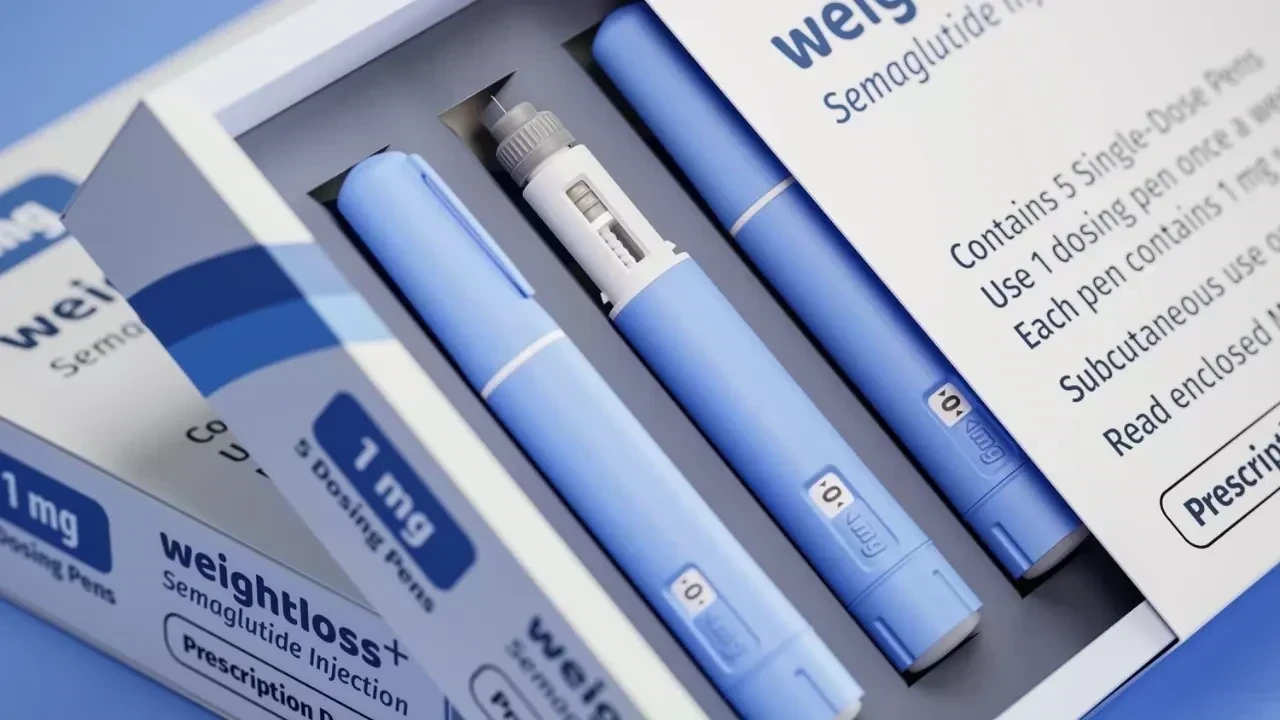
GLP-1 receptor agonists stand out in the medical landscape, evolving from diabetes treatments to pivotal players in obesity and health discussions. Their rapid ascent into the cultural lexicon covers topics like aging, self-control, and overall wellness.
By 2026, these medications are present in wellness agendas, boardroom discussions, and everyday conversations, highlighting a significant push for demand, ethical concerns, and a reassessment of how our bodies manage hunger and energy.
As their scope stretches beyond simple weight management, an essential question arises: are GLP-1 medications heralding a metabolic medicine revolution, or are they simply benefitting from a trend?
GLP-1, or glucagon-like peptide-1, is a hormone produced in the gastrointestinal tract that helps control blood sugar and appetite. After eating, it instructs the brain about satiety, slows stomach emptying, and encourages insulin production.
Medications emulate this hormone, enhancing its effects to aid patients in eating less and controlling glucose levels with greater efficiency.
These agents were first approved for managing type 2 diabetes, demonstrating efficacy in both blood sugar control and cardiovascular risk reduction—unexpected benefits that later influenced their broader clinical importance.
Unlike prior weight-loss drugs that focused on stimulation, GLP-1 solutions align with natural bodily signals. Trials show they provide weight loss comparable to surgical outcomes.
This shift redefined perceptions of obesity, transitioning it from a matter of personal discipline to a biological condition with legitimate treatment options—a significant development in both medical and psychological understanding.
By the mid-2020s, demand for prescriptions surged. As access and affordability became hot topics, what began as specialist prescriptions became ordinary therapy.
Research indicates that GLP-1 medications may contribute to improved heart health, evidenced by reduced heart attack, stroke, and cardiovascular death risks among certain populations.
This has positioned GLP-1 as a critical instrument not merely for weight management but also as a significant preventive cardiology tool.
Metabolic syndrome, a cluster of conditions including obesity and high blood pressure, drives many chronic diseases. GLP-1 medications address multiple components, distinguishing them as effective in treating systemic metabolic dysfunction rather than merely symptoms.
Emerging evidence shows GLP-1 receptors may affect brain reward pathways. Some users report diminished cravings not just for food, but for substances like nicotine and alcohol, sparking interest in their potential for treating addiction.
With roots in numerous chronic ailments, chronic inflammation is a target of current GLP-1 research, which suggests these medications might play a role in slowing disease progression.
This could extend their application into autoimmune and age-related conditions.
As science focuses on healthspan—the years lived in good health—GLP-1 drugs are under investigation for their role in enhancing longevity, given their metabolic and cardiovascular benefits.
While definitive evidence of lifespan extension isn't confirmed, GLP-1s are increasingly relevant in longevity discussions.
Regulatory authorities, notably the U.S. Food and Drug Administration, are deliberating over the broader use of GLP-1 medications, balancing innovation with the necessity for long-term safety data.
The pace of medical adoption has surpassed traditional outcome studies, emphasizing the need for vigilant post-market monitoring.
GLP-1 medications come with side effects, including nausea and fatigue, especially during dosage adjustments. Ongoing studies are evaluating concerns such as gallbladder risks and long-term impacts on hormones.
Weight regain post-treatment is a concern, as GLP-1 medications do not fundamentally alter biological systems but manage them, leading to discussion around long-term use and its feasibility.
There are valid critiques regarding the potential medicalization of body diversity and the promotion of narrow beauty ideals. However, opponents highlight that withholding obesity treatments perpetuates stigma and inequality.
This debate navigates the crossroads of ethics, medicine, and culture.
The high cost and limited insurance coverage present barriers, resulting in unequal access. Often, affluent patients secure prescriptions while those in dire medical need face hurdles.
Questions surrounding health equity loom as society navigates the era of groundbreaking therapies.
Throughout wellness history, many miracle solutions have faded quickly. GLP-1 medications stand out due to their reproducibility, biological basis, and clinical validation.
Unlike fleeting trends, these treatments benefit from rigorous trials and tangible outcomes.
Pharmaceutical advancements are underway, with next-generation drugs targeting GLP-1 pathways aiming for even broader therapeutic effects.
Current developments signal just the beginning of potentially revolutionary therapies.
GLP-1 medications prompt a reevaluation of longstanding beliefs about willpower and chronic illness. They illuminate the intricate links between biology, environment, and behavior.
This transformation could lessen stigma and enhance treatment efficacy—if applied judiciously.
GLP-1 medications signify a pivotal moment in the understanding of metabolism and chronic ailments. Their future role hinges on responsible prescription methods, ongoing study, equitable access, and transparent dialogues regarding risks.
If applied wisely, GLP-1 meds could emerge as essential therapeutic agents in the 21st century. Conversely, mismanagement could reinforce inequality and overmedicalization.
The narrative surrounding GLP-1 medications continues to evolve, firmly establishing them as more than a mere wellness trend by 2026. This signifies a deep transformation in body treatment methods.
This content is designed for informational purposes and does not equate to medical guidance. GLP-1 medications should be utilized under the supervision of certified healthcare providers, as outcomes and side effects can differ among individuals.

US Stocks Slide as AI Fears, Inflation and Oil Surge Weigh
US stocks dropped as AI disruption fears hit tech firms, inflation rose above forecasts, and oil pri

Pacific Prime Wins Top Honors at Cigna Awards 2026
Pacific Prime secured Top Individual Broker and Top SME Broker awards at Cigna’s Annual Broker Award

QatarEnergy Halts LNG Output After Military Attack
QatarEnergy has stopped LNG production after military attacks hit its facilities in Ras Laffan and M

Strong 6.1 Magnitude Earthquake Hits West Sumatra, No Damage
A 6.1 earthquake struck off West Sumatra, Indonesia. No casualties, damage, or tsunami alert reporte

Saudi Confirms Drone Strike on US Embassy Riyadh
Two drones hit the US Embassy in Riyadh, causing a small fire and minor damage. No injuries were rep

UAE Restarts Limited Flights as Regional Airspace Disruptions Continue
UAE restarts limited flights from Dubai as US-Israel attacks on Iran disrupt regional airspace, forc

Asia Faces Energy Shock After Iran Closes Strait
Iran shuts Strait of Hormuz amid US-Israel strikes, sending oil prices higher and raising serious en


Bank of Baroda Faces Abu Dhabi Legal Battle over NMC Collapse
Bank of Baroda’s involvement in Abu Dhabi litigation tied to the NMC Healthcare collapse raises repu

Top Museum Openings of 2026 Set to Transform Global Tourism
From Los Angeles to Abu Dhabi and Brussels, 2026 brings major museum launches—Lucas Museum, Guggenhe

UAE Tour Highlights UAE’s Strength in Hosting Global Sports Events
Abu Dhabi Sports Council says the successful UAE Tour reflects the UAE’s leading role in hosting maj

EU Seeks Clarity from US After Supreme Court IEEPA Ruling
European Commission urges full transparency from the US on steps after Supreme Court ruling, emphasi

SpaceX Launches 53 New Satellites for Expanding Starlink Network
SpaceX launches 53 Starlink satellites in two Falcon 9 missions, breaking reuse records and expandin

RTA Awards Contract for Phase II of Hessa Street Upgrade in Dubai
Phase II of Hessa Street Development to add bridges, tunnel, and upgraded intersections, doubling ca

UAE Gold Prices Today, Monday 16 February 2026: Dubai & Abu Dhabi Updated Rates
Gold prices in UAE on 16 Feb 2026 updated: 24K around AED 599.75/gm, 22K AED 555.25/gm, and 18K AED

Over 25 Ahmedabad Schools Receive Bomb Threat Email, Authorities Investigate
More than 25 schools in Ahmedabad evacuated after bomb threat emails mentioning Khalistan. Authoriti