Post by : Sourav Sehgal
The world is moving fast into a digital future, where technology is no longer just a support system but the main driver of change. Every part of our lives — from how we work in offices, how children learn in schools, to how businesses design products and how we communicate daily — is being shaped by new innovations. Artificial Intelligence (AI) is creating smarter tools that can think, write, and even make decisions. At the same time, the amount of data being produced every day is growing at record speed, giving companies and governments new power to analyze, predict, and improve services. Add to this the rise of advanced technologies like cloud computing, quantum research, mobile connectivity, and renewable tech solutions — and we see a future that is both exciting and challenging.
This article explores the most important global technology trends that are already reshaping the world in 2025 and beyond. Backed by verified facts, reliable reports, and official sources, the insights here will help readers clearly understand not only the changes happening today but also the opportunities and risks waiting in the near future.
Artificial Intelligence is no longer just a buzzword — it is at the center of global innovation. According to the Stanford HAI 2025 AI Index, almost 90% of the world’s leading AI models are now being developed by companies, while universities are contributing less compared to previous years. This shows how big tech firms are driving AI research with huge investments. Countries like the United States, China, and the United Kingdom are currently leading the race in AI innovation and policy-making, which means they are setting the standards the rest of the world will follow.
Technology spending is reaching record levels. Research firm Gartner predicts that global IT spending will cross USD 5.4 trillion in 2025, with AI adoption being the biggest driver. Within this, spending on data center systems is expected to rise sharply — by about 42% in 2025. But this growth also comes with challenges. The International Energy Agency (IEA) warns that the electricity demand from AI-driven data centers could soon match the power usage of an entire country like Japan. This highlights the urgent need for energy-efficient infrastructure.
Digital connectivity continues to expand rapidly. By 2025, there are about 5.65 billion people using the internet worldwide, which means more than two-thirds of the global population is online. Mobile phones are even more widespread, with 5.76 billion users. Social media is also booming, adding 241 million new users in just the past year. This rapid growth shows how deeply digital platforms are integrated into everyday life, driving business, entertainment, and communication worldwide.
Innovation is not slowing down. Reports from the World Intellectual Property Organization (WIPO) show a clear rise in patents in areas like Artificial Intelligence, clean energy, and biotechnology. This indicates where the future breakthroughs are expected. At the same time, McKinsey’s 2025 Technology Outlook highlights a surge of investments in quantum computing and edge computing — two technologies that could completely change how data is processed and used in the future.
With all this growth, the world also faces a big question: how to keep technology sustainable? Encouragingly, between 2019 and 2023, the global mobile industry managed to cut carbon emissions by 8%, even though worldwide data traffic grew four times during the same period. This was possible because of better efficiency and a stronger focus on renewable energy. Today, companies are under more pressure than ever to invest in green energy solutions, low-power devices, and sustainable data centers.
The global boom in Artificial Intelligence and cloud services comes with a heavy cost: energy demand. Data centers are the backbone of digital life — storing information, powering cloud platforms, and running AI models. However, they consume massive amounts of electricity.
While billions of people are now connected to the internet, many countries and communities are still left behind.
As AI grows more powerful, it raises serious concerns about trust, safety, and fairness.
The challenge is to balance innovation with responsibility: making sure AI helps society while protecting individuals’ rights.
Future Opportunities
Quantum computing, once seen as purely experimental, is now moving closer to real-world applications.
This shift means that within the next decade, industries could unlock solutions to problems that today’s supercomputers cannot solve — from climate modeling to financial risk analysis.
2. Edge AI & On-Device AI
Artificial Intelligence is moving away from relying only on powerful cloud servers. Instead, Edge AI allows data processing directly on local devices such as smartphones, IoT sensors, and self-driving cars.
This change could create a new generation of smarter, more secure, and highly personalized digital tools.
Perhaps the most exciting opportunities for the future lie in the combination of AI and biotechnology.
According to the World Health Organization (WHO), AI in healthcare has the potential to make medical systems more efficient and accessible, especially in regions with limited resources.
The years 2025–26 mark a critical turning point in the global technology landscape. The rise of Artificial Intelligence, the rapid growth of data and connectivity, and the increasing demand for sustainable solutions are reshaping industries, economies, and societies at large. These changes are not isolated — they influence everything from healthcare and education to business strategy and government policy.
What makes this era unique is the balance between opportunity and responsibility. On one hand, technologies like quantum computing, edge AI, and biotechnology promise to unlock breakthroughs that were unimaginable a decade ago. On the other hand, challenges such as energy demand, digital inequality, and data privacy remind us that progress must be guided with care, regulation, and innovation in sustainability.
For DXB News Network, delivering such well-researched insights provides real value to readers, especially when combined with local perspectives from the UAE and the wider Middle East. The region is already a fast-growing hub for AI, smart cities, and digital transformation. By connecting global technology trends with regional developments, DXB News Network can not only inform but also establish itself as a leading voice in technology journalism — trusted by both casual readers and serious researchers.
In short, the digital future is being written now. Those who understand these shifts early will be best prepared to adapt, innovate, and lead in the years ahead.

US Stocks Slide as AI Fears, Inflation and Oil Surge Weigh
US stocks dropped as AI disruption fears hit tech firms, inflation rose above forecasts, and oil pri

Pacific Prime Wins Top Honors at Cigna Awards 2026
Pacific Prime secured Top Individual Broker and Top SME Broker awards at Cigna’s Annual Broker Award
QatarEnergy Halts LNG Output After Military Attack
QatarEnergy has stopped LNG production after military attacks hit its facilities in Ras Laffan and M

Strong 6.1 Magnitude Earthquake Hits West Sumatra, No Damage
A 6.1 earthquake struck off West Sumatra, Indonesia. No casualties, damage, or tsunami alert reporte

Saudi Confirms Drone Strike on US Embassy Riyadh
Two drones hit the US Embassy in Riyadh, causing a small fire and minor damage. No injuries were rep

UAE Restarts Limited Flights as Regional Airspace Disruptions Continue
UAE restarts limited flights from Dubai as US-Israel attacks on Iran disrupt regional airspace, forc

Asia Faces Energy Shock After Iran Closes Strait
Iran shuts Strait of Hormuz amid US-Israel strikes, sending oil prices higher and raising serious en


Bank of Baroda Faces Abu Dhabi Legal Battle over NMC Collapse
Bank of Baroda’s involvement in Abu Dhabi litigation tied to the NMC Healthcare collapse raises repu

Top Museum Openings of 2026 Set to Transform Global Tourism
From Los Angeles to Abu Dhabi and Brussels, 2026 brings major museum launches—Lucas Museum, Guggenhe

UAE Tour Highlights UAE’s Strength in Hosting Global Sports Events
Abu Dhabi Sports Council says the successful UAE Tour reflects the UAE’s leading role in hosting maj
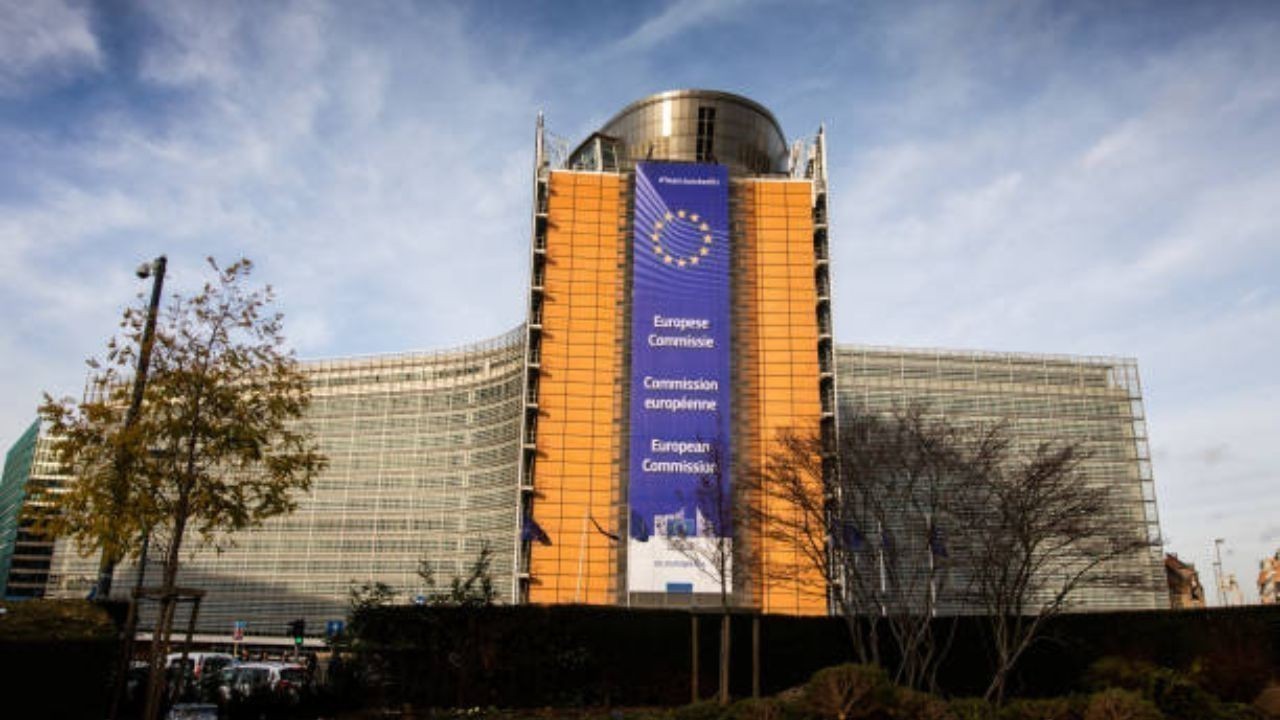
EU Seeks Clarity from US After Supreme Court IEEPA Ruling
European Commission urges full transparency from the US on steps after Supreme Court ruling, emphasi
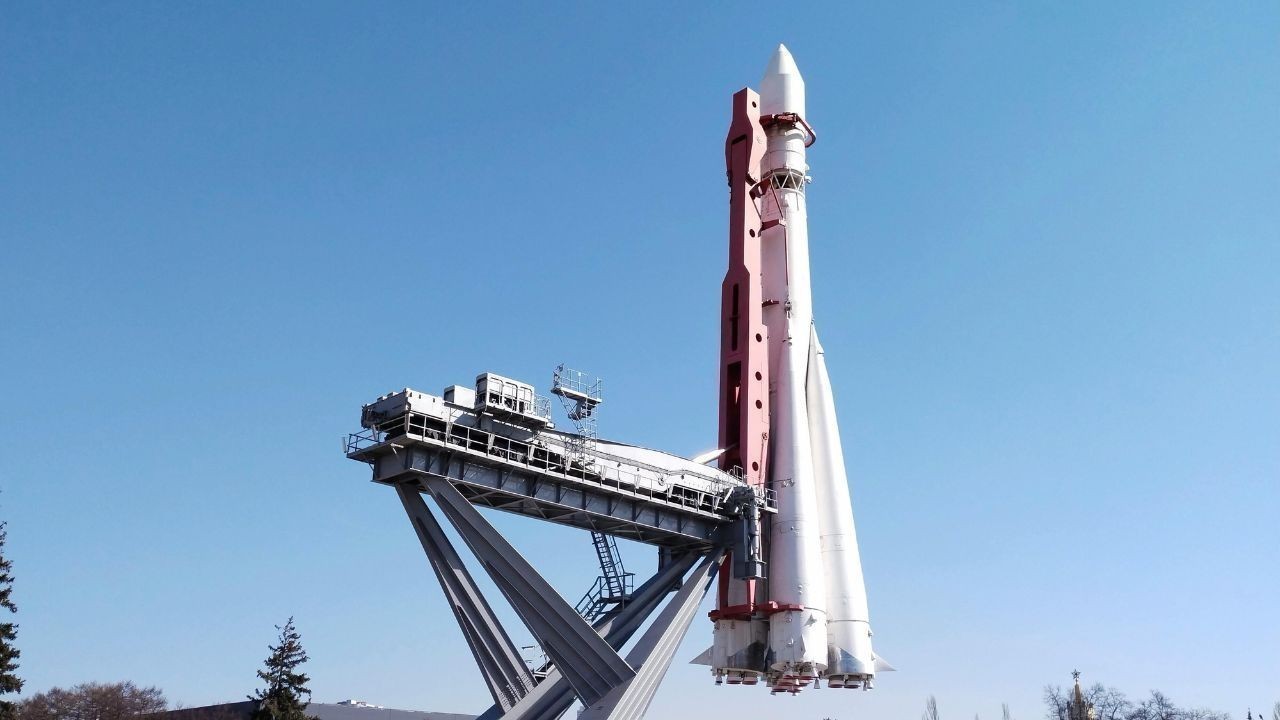
SpaceX Launches 53 New Satellites for Expanding Starlink Network
SpaceX launches 53 Starlink satellites in two Falcon 9 missions, breaking reuse records and expandin

RTA Awards Contract for Phase II of Hessa Street Upgrade in Dubai
Phase II of Hessa Street Development to add bridges, tunnel, and upgraded intersections, doubling ca

UAE Gold Prices Today, Monday 16 February 2026: Dubai & Abu Dhabi Updated Rates
Gold prices in UAE on 16 Feb 2026 updated: 24K around AED 599.75/gm, 22K AED 555.25/gm, and 18K AED

Over 25 Ahmedabad Schools Receive Bomb Threat Email, Authorities Investigate
More than 25 schools in Ahmedabad evacuated after bomb threat emails mentioning Khalistan. Authoriti