Post by : Anis Karim
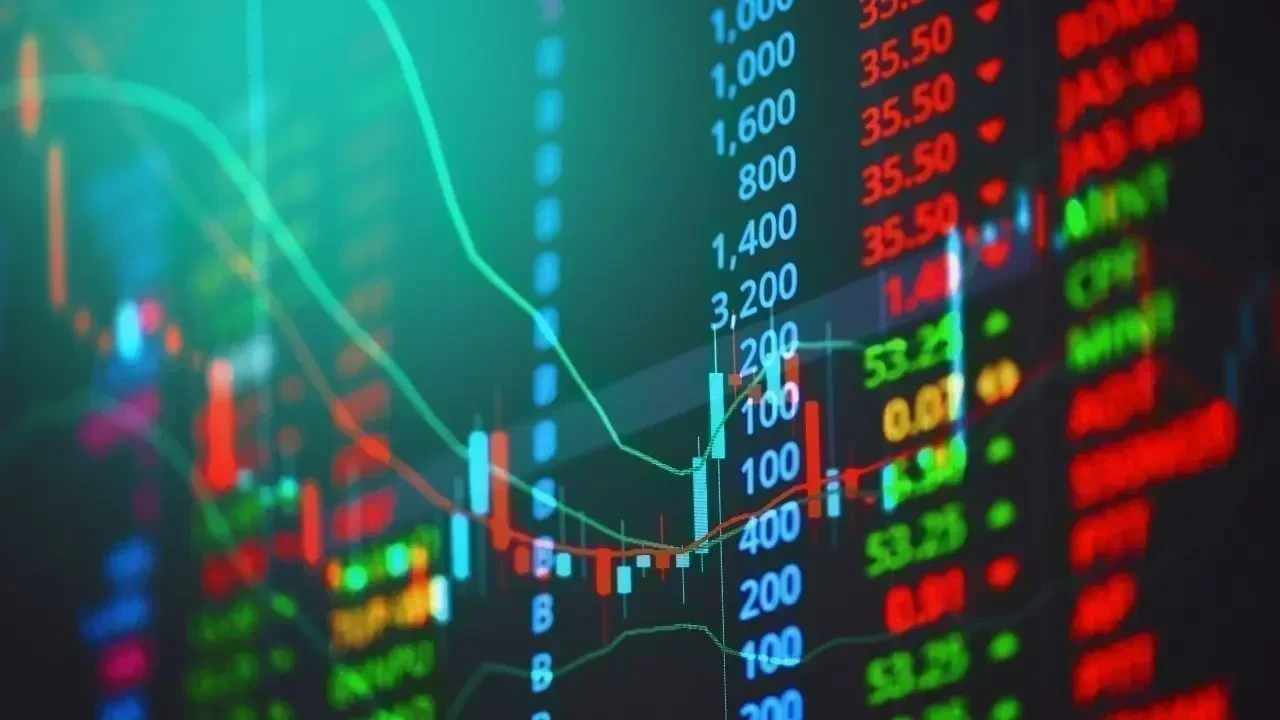
In recent months, global equity markets celebrated a strong performance with major indices across the US, Europe, and Asia reaching record highs. This surge was fueled by diminishing inflation worries, optimistic interest rate expectations, and tech-driven enthusiasm. For many, it seemed the worst was over.
However, markets rarely maintain a steady course. The recent climb led to stretched valuations and an air of complacency. As new concerns arose, volatility crept back in, reminding investors just how fragile market sentiment can be.
A key reason for the rebound in volatility is profit booking. Post-rally, investors frequently secure their earnings, especially when there are no immediate triggers to propel prices higher.
This selling isn’t necessarily panic-driven; it represents a typical market correction to accommodate earlier gains.
Technology and growth stocks, which led the recent rally, are exhibiting greater fluctuations. When valuations are elevated, even minor negative news tends to evoke exaggerated reactions.
As such, this volatility is particularly pronounced in stocks that were previously top performers.
Investors had anticipated significant interest rate reductions from major central banks. However, the latest economic indicators have complicated this outlook. Although inflation has retreated from its peak, it persists in several economies.
This has led investors to reconsider the speed and extent of potential rate dips, resulting in abrupt adjustments across various asset classes.
Fluctuations in bond yields have significantly influenced market dynamics. Rising yields make equities, particularly growth stocks, less appealing by increasing borrowing costs.
Even slight shifts in yields are sufficient to instigate unrest in equity markets.
While some economies demonstrate robustness, others are showing signs of decline. Mixed manufacturing, consumer spending trends, and fluctuating business confidence make it challenging for markets to find a clear path forward.
In such settings, markets often falter due to the absence of distinct growth optimism or recession fears.
Investor apprehension surrounds China's economic recovery, with insufficient demand and pressures within the property sector dampening expectations. Given China's pivotal role in global trade, any slowdown reverberates throughout international markets.
Renewed geopolitical tensions, including conflicts and trade disputes, have introduced additional risks. Markets are particularly sensitive to any developments that could disrupt energy supplies or trade corridors.
Even mere rumors or diplomatic setbacks can elicit sharp market reactions.
Energy prices exhibit volatility, influenced by geopolitical factors and production choices. Sudden spikes revive inflation anxieties, prompting immediate market responses.
Optimism surrounding artificial intelligence significantly bolstered the recent rally. While long-term prospects remain bright, investors are now closely examining earnings, margins, and execution.
High expectations make even minor disappointments catalysts for increased volatility.
Investors are reallocating from heavily favored stocks towards other sectors or safer investments, a dynamic leading to uneven market fluctuations throughout trading sessions.
The strengthening US dollar has imposed additional pressures on global markets, particularly on emerging nations. Currency shifts can disrupt capital flows and influence commodity rates and corporate earnings.
Emerging market equities often react sharply to appreciation in the dollar.
Global investors have adopted a more cautious approach to capital allocation. Rapid inflows have been frequently followed by swift withdrawals, resulting in increased market volatility.
A significant portion of market activity is driven by short-term traders and automated algorithms. These actors react instantly to headlines, economic data, and market signals.
This behavior can amplify volatility, even when foundational conditions remain unchanged.
Market narratives now spread more swiftly via social media and forums. Both optimism and trepidation can escalate rapidly, contributing to sharp market fluctuations.
With numerous unresolved issues—ranging from interest rates to geopolitical tensions—short-term volatility appears likely to persist. Markets may experience significant interim swings.
In this environment, a cautious approach is more prudent than aggressive positioning.
Despite recent fluctuations, essential long-term trends such as digital transformation, energy shifts, and emerging market growth remain pertinent.
Volatility does not necessarily denote the end of a bull market; it often represents a phase of necessary adjustment.
Investors are focusing more on firms with strong balance sheets and stable cash flows. Defensive sectors and well-diversified portfolios have gained traction.
This approach serves to protect against sudden market jolts.
Seasoned investors view fluctuations as a natural component of market cycles rather than a necessity for exit. Maintaining discipline during turbulent times often yields greater rewards than chasing short-term gains.
Essential economic indicators, including inflation and employment figures, along with central bank insights, will influence market trends. Unexpected developments could spark further volatility.
Investors will closely follow upcoming earnings reports for indications of demand fluctuations or pressures. Company-level results may dictate market movements more than broader trends in the near future.
The resurgence of volatility following an impressive rally serves not as a warning of collapse, but rather as a reminder of market dynamics. Stock prices react to changing expectations—and slight variations can trigger swift adjustments.
For investors, this period highlights the significance of patience, perspective, and strategic discipline. While volatility can be unsettling, it remains a crucial component of markets seeking their next trajectory.
This article is for informational purposes only and does not provide financial or investment recommendations. Market conditions are open to change, and readers should seek guidance from qualified professionals before making investment choices.

US Stocks Slide as AI Fears, Inflation and Oil Surge Weigh
US stocks dropped as AI disruption fears hit tech firms, inflation rose above forecasts, and oil pri

Pacific Prime Wins Top Honors at Cigna Awards 2026
Pacific Prime secured Top Individual Broker and Top SME Broker awards at Cigna’s Annual Broker Award

QatarEnergy Halts LNG Output After Military Attack
QatarEnergy has stopped LNG production after military attacks hit its facilities in Ras Laffan and M
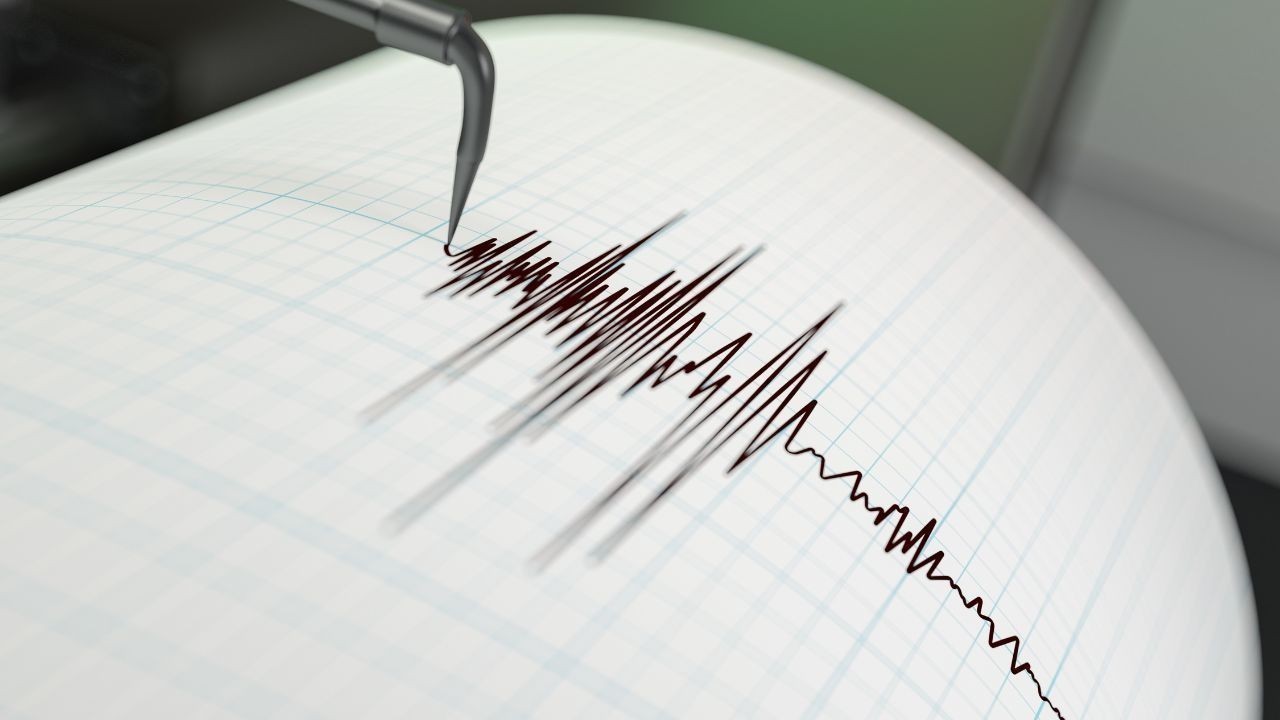
Strong 6.1 Magnitude Earthquake Hits West Sumatra, No Damage
A 6.1 earthquake struck off West Sumatra, Indonesia. No casualties, damage, or tsunami alert reporte

Saudi Confirms Drone Strike on US Embassy Riyadh
Two drones hit the US Embassy in Riyadh, causing a small fire and minor damage. No injuries were rep

UAE Restarts Limited Flights as Regional Airspace Disruptions Continue
UAE restarts limited flights from Dubai as US-Israel attacks on Iran disrupt regional airspace, forc
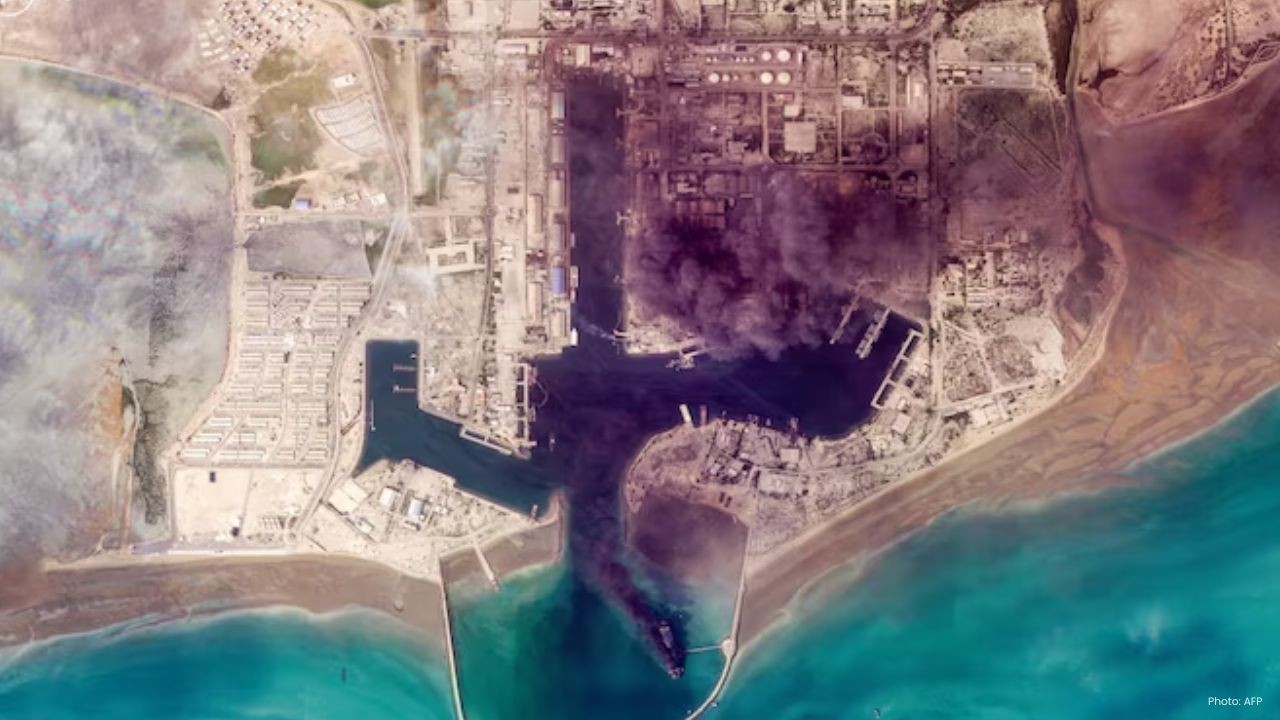
Asia Faces Energy Shock After Iran Closes Strait
Iran shuts Strait of Hormuz amid US-Israel strikes, sending oil prices higher and raising serious en


Bank of Baroda Faces Abu Dhabi Legal Battle over NMC Collapse
Bank of Baroda’s involvement in Abu Dhabi litigation tied to the NMC Healthcare collapse raises repu

Top Museum Openings of 2026 Set to Transform Global Tourism
From Los Angeles to Abu Dhabi and Brussels, 2026 brings major museum launches—Lucas Museum, Guggenhe

UAE Tour Highlights UAE’s Strength in Hosting Global Sports Events
Abu Dhabi Sports Council says the successful UAE Tour reflects the UAE’s leading role in hosting maj
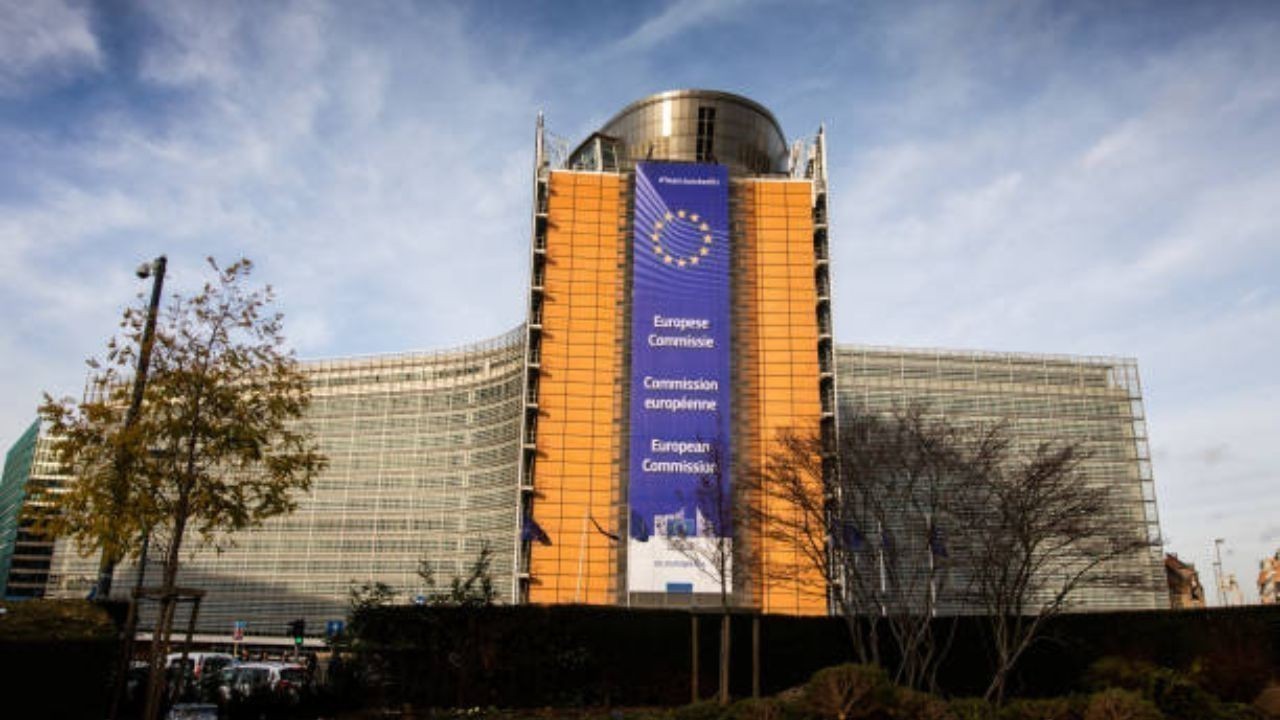
EU Seeks Clarity from US After Supreme Court IEEPA Ruling
European Commission urges full transparency from the US on steps after Supreme Court ruling, emphasi
SpaceX Launches 53 New Satellites for Expanding Starlink Network
SpaceX launches 53 Starlink satellites in two Falcon 9 missions, breaking reuse records and expandin

RTA Awards Contract for Phase II of Hessa Street Upgrade in Dubai
Phase II of Hessa Street Development to add bridges, tunnel, and upgraded intersections, doubling ca

UAE Gold Prices Today, Monday 16 February 2026: Dubai & Abu Dhabi Updated Rates
Gold prices in UAE on 16 Feb 2026 updated: 24K around AED 599.75/gm, 22K AED 555.25/gm, and 18K AED

Over 25 Ahmedabad Schools Receive Bomb Threat Email, Authorities Investigate
More than 25 schools in Ahmedabad evacuated after bomb threat emails mentioning Khalistan. Authoriti