Post by : Anis Karim
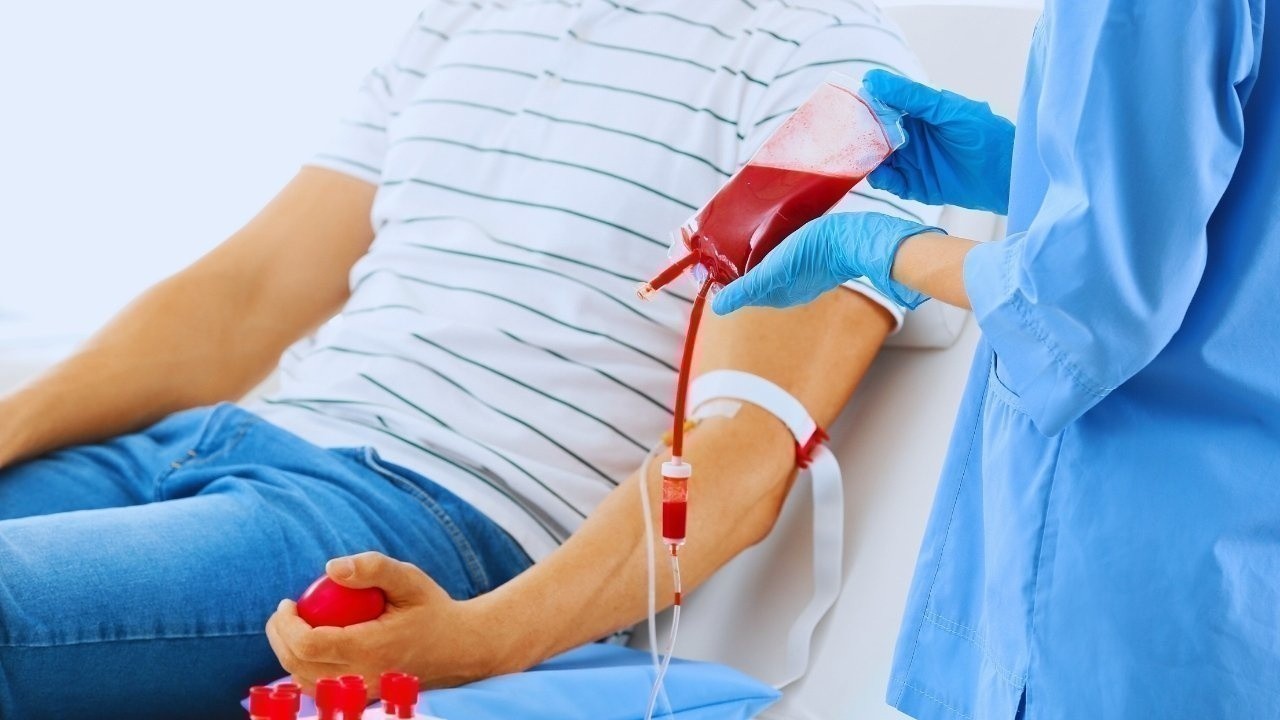
A new wave of global blood-donation campaigns launched this week has done more than increase donor registrations — it has reignited conversations around community responsibility, health literacy, emergency preparedness and the collective strength of public participation. Countries across Asia, Europe, Africa and the Americas launched coordinated and highly visible initiatives encouraging individuals, workplaces, universities and local groups to donate blood amid rising demand and seasonal shortages. What sets this week’s campaigns apart is not just their global scale but the way they are reshaping how communities engage with health systems.
In many regions, blood donation still carries myths, misconceptions and emotional hesitation. But the storytelling-based campaigns, real-life patient narratives and transparent data shared this week have struck a chord with people of all ages. Social-media feeds are filled with first-time donors sharing personal experiences, workplaces are organising group donation drives, schools are hosting awareness sessions, and local governments are emphasising the long-term public-health benefits of regular blood contribution.
Blood donation has always been vital, but these new campaigns are reframing it as an act of community solidarity rather than a medical chore. This shift reflects deeper changes in how people view health participation — not as an individual responsibility alone, but as a collaborative effort that strengthens entire communities.
This 1800-word article dives into the impact of this week’s campaigns, why they matter, how participation is evolving, and what this means for the future of community health engagement across the world.
While blood-donation events happen regularly, this week’s initiatives stand out for several reasons.
Multiple nations launched drives simultaneously, creating a shared sense of urgency and unity. When people see countries participating together, the message becomes stronger and more compelling.
The campaigns avoided clinical jargon and instead used human stories, focusing on patients whose lives were saved because a stranger chose to donate.
Schools, universities and youth groups were heavily involved, sparking curiosity among first-time donors and normalising donation at a younger age.
For the first time in many regions, rural communities received equal attention, with mobile donation units reaching people who previously lacked access.
Campaigns clarified doubts about safety, frequency of donation, eligibility and misconceptions around health risks.
These differences have created a more inviting environment, encouraging people who never considered donating to step forward.
Blood shortages continue to challenge health systems worldwide, especially during seasonal dips or in countries with limited donor pools.
Advanced medical treatments, emergency procedures, childbirth complications and chronic conditions rely on a consistent blood supply. As healthcare access expands globally, demand has naturally increased.
Road accidents remain a major cause of emergency transfusions. Countries with high traffic density often report recurring shortages.
Older adults require more medical interventions, driving up demand for blood components such as platelets and plasma.
More surgeries — from organ transplants to cancer treatments — require steady blood reserves.
Weather changes, exam seasons and flu waves affect donor turnout, leading to recurring shortages.
This week’s campaigns emphasised that donating blood is not a seasonal act — it is a continuous community requirement.
Campaigns framed donation not as a duty but as a shared gesture of solidarity, shifting public mindset.
Companies arranged voluntary transportation, allowed time off and encouraged employees to donate together. This group approach eases anxiety for first-time donors and builds morale.
Families visited donation centers collectively, turning donation into a shared value rather than an individual errand.
Local leaders, social activists and influencers publicly donated and posted their experiences, reducing stigma.
Some communities set up localised donation points, fostering grassroots participation.
Many who donated for the first time are now pledging future visits, marking a shift toward long-term commitment.
Collectively, this week marked a cultural turning point in how societies participate in public health.
The campaigns used digital media with remarkable strategy.
Videos featuring patients who survived thanks to blood transfusions provided emotional context and transformed abstract needs into real human outcomes.
Quick videos demystified the donation process, walking viewers through safety, eligibility and recovery.
People shared personal motivations — helping friends, honouring loved ones or simply supporting community health — inspiring others to join.
Badges indicating “I Donated Today” encouraged sharing and multiplied campaign reach.
Streaming live donation drives built trust and visibility.
These strategies helped convert awareness into action.
Youth turnout saw a major spike, thanks to campus campaigns and relatable digital content.
This week witnessed an unusually high number of first-time donors, largely due to improved clarity and reduced fear.
More women participated than in previous years, encouraged by targeted outreach addressing iron-health myths and eligibility criteria.
Workplace campaigns brought busy employees into the donor ecosystem.
With mobile units reaching deeper regions, rural participation recorded a notable increase.
These groups collectively made this week one of the most impactful global donation movements in recent years.
Higher donation volumes replenish reserves, ensuring hospitals can respond swiftly during medical emergencies or disasters.
Transparent communication during campaigns increased public confidence in health institutions.
Communities now better understand blood types, donation frequency and the connection between donation and survival rates.
Many donors underwent basic health checks at the camps, leading to early detection of potential issues.
Campaigns established databases of willing repeat donors and volunteer organisers.
The health system benefits extend far beyond this week’s events.
In many places, blood donation is becoming more than an individual act — it is becoming a ritualised community experience.
Communities plan regular donation events rather than waiting for shortages.
Music, refreshments, yoga sessions and small celebrations turn donation drives into friendly gatherings.
Cities and towns take pride in donation numbers, sparking healthy community competition.
For many, donation has become a way of celebrating birthdays, anniversaries or community milestones.
This shift strengthens social bonds while supporting healthcare.
Despite increased participation, some myths still linger.
Reality: Healthy individuals recover quickly.
Reality: Sterile, single-use equipment ensures high safety standards.
Reality: Many lifestyle factors do not restrict eligibility.
Reality: All types are essential, especially O and A groups.
Campaigns played a crucial role in correcting these misconceptions.
Healthcare workers guided donors step-by-step, easing anxiety.
Brief screenings ensured donor safety.
Organised queues and rapid processing helped donors feel valued.
Thank-you cards, small tokens and personalised messages strengthened donor morale.
Health workers have been the backbone of this movement.
People are beginning to view health participation as a community norm, not a rare duty.
Early experiences shape future behaviour; young donors today likely become lifelong donors.
Volunteer organisations and community groups formed this week will remain active agents of awareness.
Worldwide participation cultivated a sense of shared responsibility and compassion.
These shifts have potential to transform public-health culture in the long run.
Many donors participate once; consistent engagement is essential.
Mobile units must continue reaching underserved communities.
Platelet and plasma donation awareness remains low.
Clearer communication is needed for borderline cases.
Campaigns must continue refining messaging and accessibility.
The global blood-donation campaigns launched this week have created far more than temporary spikes in donor numbers. They are reshaping how society understands participation in public health, transforming donation into an act of community solidarity, empowering first-time donors, strengthening trust in health systems and encouraging a culture of responsibility that goes beyond individual benefit.
As the world faces growing medical demands, fluctuating blood reserves and unpredictable emergencies, these campaigns offer a blueprint for how public engagement can be mobilised effectively. If the momentum continues, blood donation could become one of the most celebrated and unifying community health habits of our time — a simple act with a profound ripple effect on survival, resilience and collective wellbeing.
This article is for informational and editorial purposes only. It does not provide medical advice. Eligibility for blood donation varies by region and individual health, and readers should consult official guidelines or healthcare professionals before donating.

US Stocks Slide as AI Fears, Inflation and Oil Surge Weigh
US stocks dropped as AI disruption fears hit tech firms, inflation rose above forecasts, and oil pri

Pacific Prime Wins Top Honors at Cigna Awards 2026
Pacific Prime secured Top Individual Broker and Top SME Broker awards at Cigna’s Annual Broker Award
QatarEnergy Halts LNG Output After Military Attack
QatarEnergy has stopped LNG production after military attacks hit its facilities in Ras Laffan and M

Strong 6.1 Magnitude Earthquake Hits West Sumatra, No Damage
A 6.1 earthquake struck off West Sumatra, Indonesia. No casualties, damage, or tsunami alert reporte

Saudi Confirms Drone Strike on US Embassy Riyadh
Two drones hit the US Embassy in Riyadh, causing a small fire and minor damage. No injuries were rep

UAE Restarts Limited Flights as Regional Airspace Disruptions Continue
UAE restarts limited flights from Dubai as US-Israel attacks on Iran disrupt regional airspace, forc
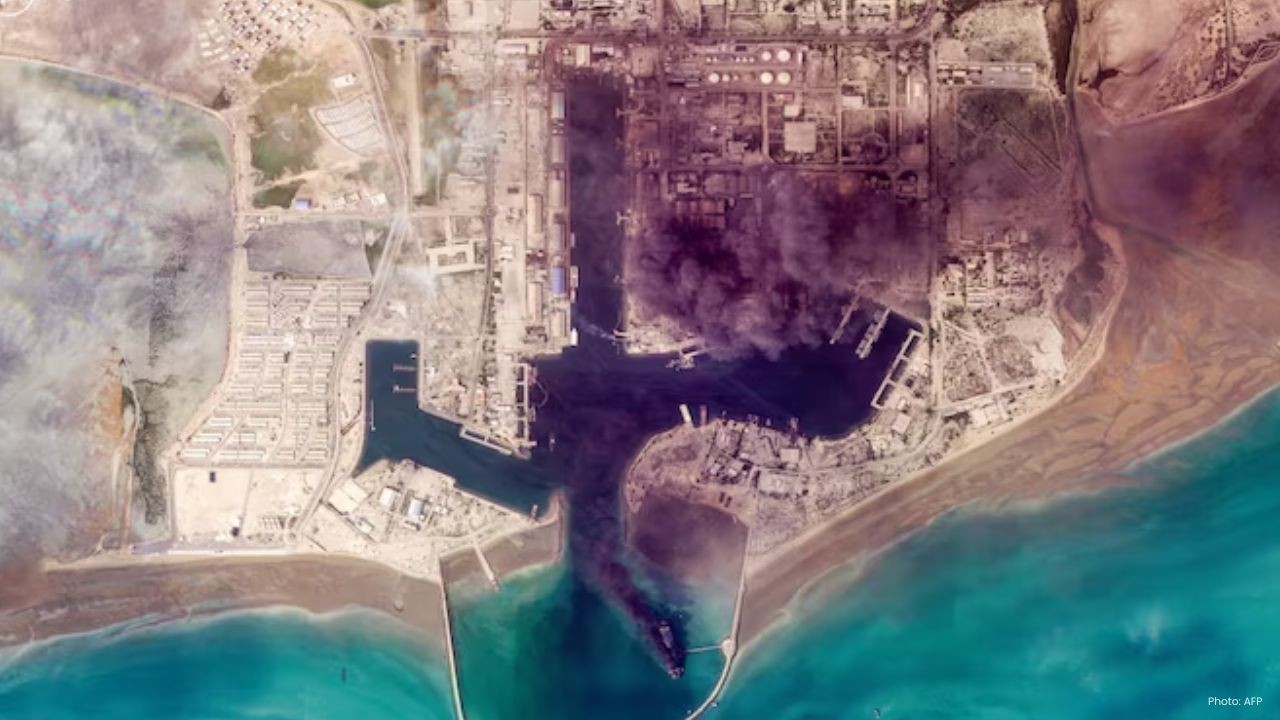
Asia Faces Energy Shock After Iran Closes Strait
Iran shuts Strait of Hormuz amid US-Israel strikes, sending oil prices higher and raising serious en

Bank of Baroda Faces Abu Dhabi Legal Battle over NMC Collapse
Bank of Baroda’s involvement in Abu Dhabi litigation tied to the NMC Healthcare collapse raises repu

Top Museum Openings of 2026 Set to Transform Global Tourism
From Los Angeles to Abu Dhabi and Brussels, 2026 brings major museum launches—Lucas Museum, Guggenhe
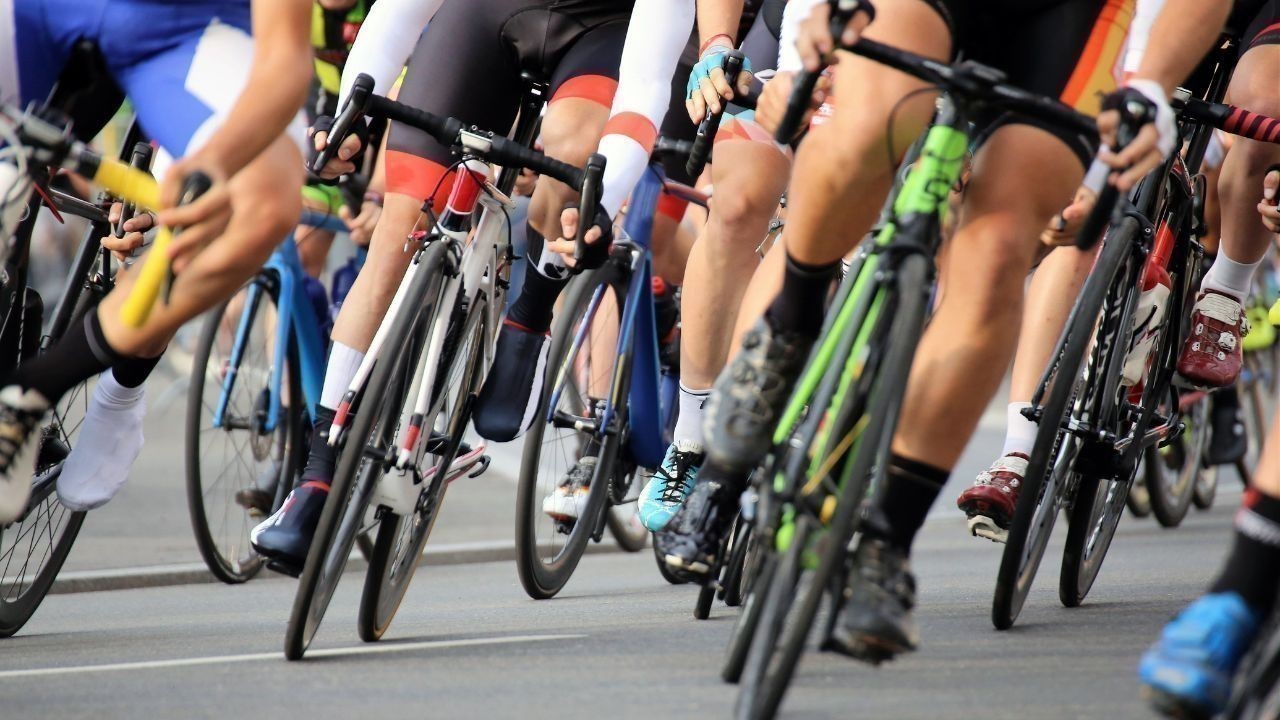
UAE Tour Highlights UAE’s Strength in Hosting Global Sports Events
Abu Dhabi Sports Council says the successful UAE Tour reflects the UAE’s leading role in hosting maj
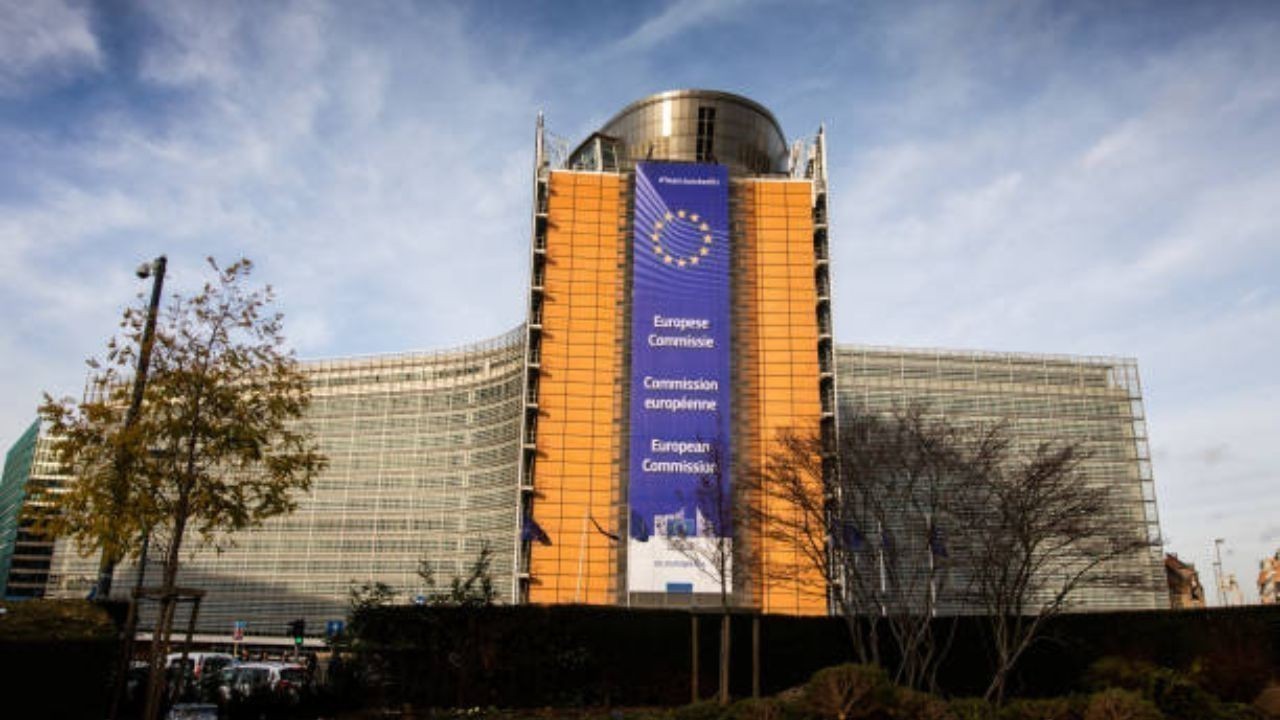
EU Seeks Clarity from US After Supreme Court IEEPA Ruling
European Commission urges full transparency from the US on steps after Supreme Court ruling, emphasi

SpaceX Launches 53 New Satellites for Expanding Starlink Network
SpaceX launches 53 Starlink satellites in two Falcon 9 missions, breaking reuse records and expandin

RTA Awards Contract for Phase II of Hessa Street Upgrade in Dubai
Phase II of Hessa Street Development to add bridges, tunnel, and upgraded intersections, doubling ca

UAE Gold Prices Today, Monday 16 February 2026: Dubai & Abu Dhabi Updated Rates
Gold prices in UAE on 16 Feb 2026 updated: 24K around AED 599.75/gm, 22K AED 555.25/gm, and 18K AED

Over 25 Ahmedabad Schools Receive Bomb Threat Email, Authorities Investigate
More than 25 schools in Ahmedabad evacuated after bomb threat emails mentioning Khalistan. Authoriti