Post by : Anis Karim
For generations, medicine was something you swallowed after falling sick. Pills symbolised power. Tonics symbolised cure. Food was merely fuel — a cultural ritual, a comfort, a habit.
Then lifestyle diseases exploded. Diabetes numbers climbed. Gut health issues surged. Metabolic syndromes spread. Anxiety and fatigue became everyday complaints. The healthcare conversation changed.
Suddenly, the most powerful treatment wasn’t in a capsule — it was on a plate.
Today, the world is witnessing a shift: doctors and clinics are prescribing food, nutrition routines, ingredient kits, and grocery lists as actively as medicines.
Healing is moving from pharmacy counters to local markets.
And prescriptions are beginning with kitchen staples, not chemical formulas.
Food hasn’t become medicine overnight — we simply remembered what our grandmothers always knew.
The human body thrives not on medicine first, but on nourishment first. Food interacts with biology more consistently than any pill ever can.
Chronic diseases fueled by diet and stress
Ultra-processed food fatigue
Gut-brain research breakthroughs
Metabolic health awareness
Preventive healthcare wave
Medical community embracing nutrition science
Rising cost of long-term pharmaceutical dependency
Realisation that lifestyle diseases need lifestyle tools
Modern medicine is powerful — but it works best when partnered with nutrition intelligence.
The stethoscope meets the spice box.
Walk into progressive clinics in global wellness hubs, and you’ll notice something unusual:
A nutrition counselling desk
A bulletin board with seasonal vegetable charts
A “prescription pantry”
QR codes for grocery lists
Ferment jars for gut-health demos
Access to nutrition cooking classes
Plant-protein and dal education panels
Millet recipe booklets
A trained food coach instead of just a pharmacist
Instead of “Take this pill twice daily,” doctors say:
“Add 1 cup of dal daily.”
“Replace evening biscuits with sprout bowls.”
“Swap refined oil for cold-pressed oils.”
“Include fermented foods three days a week.”
“Add a fruit with fibre, not juice.”
“Half your plate vegetables.”
Medicine doesn’t disappear.
Food takes the front seat.
Food-as-medicine isn’t imported thinking — India lived it for centuries.
Turmeric milk wasn’t a trend — it was tradition.
Kanji, buttermilk, curd rice supported gut health before science caught up.
Methi, ajwain, saunf after meals supported digestion organically.
Ghee wasn’t indulgence; it aided nutrient absorption and hormonal balance.
Lentils and millets offered complete nutrition long before protein shakes existed.
Our food wisdom was quiet, consistent, scientific in its own rhythm.
Now, it’s coming back — backed by lab research and modern validation.
A modern food prescription is structured like a medical one — only tastier.
Whole grains (millets, brown rice, whole wheat)
Protein staples (dal, eggs, paneer, tofu, sprouts, legumes, fish)
Healthy fats (nuts, seeds, ghee, cold-pressed oils)
Seasonal produce rotation lists
Fermented foods
Hydration protocols (herbal infusions, infused water)
Spice guidance (jeera for digestion, black pepper for absorption, cinnamon for sugar balance)
Refined sugars
Trans fats
Highly processed snacks
Sugary drinks
Excess oils
Packaged sauces high in sodium
The mantra is not elimination — it's elevation.
Food isn’t removed. It’s upgraded, gentled, and grounded.
Clinics now include:
Board-certified nutritionists
Culinary coaches
Mental-wellness counsellors
Metabolic educators
Gut-health guides
Sleep and lifestyle coaches
Because health isn’t just a pill problem — it’s a plate, habit, and mindset equation.
The most advanced wellness tool in the world is still routine.
Food subscription models are partnering with clinics to deliver:
weekly vegetable boxes
region-specific grains
portioned protein kits
pre-ferment mixes
spice-medicinal blends
millet combos
gut-friendly meal packs
diabetic-friendly staples
Some clinics now offer farmer-partnership grocery kits to ensure clean produce.
The supply chain becomes a health chain.
Gyms and wellness centres now run nutrition labs alongside workout floors.
| Old mindset | New mindset |
|---|---|
| Burn calories | Nourish before you burn |
| Protein shake obsession | Balanced plate first |
| Carb fear | Smart carb timing |
| Cheat meals | Conscious indulgence |
| Workouts only | Habit + sleep + meal + stress |
Food isn't the enemy of fitness — it is the engine of it.
Food now plays a psychological role in mental-health programs.
Why?
Gut bacteria influence mood
Micronutrients affect brain chemistry
Stable energy levels calm anxiety swings
Real food reduces inflammation linked to mood disorders
Food as therapy is not poetic — it's biochemical reality.
Warm dal can comfort.
Rich magnesium can calm.
Probiotic curd can reset stress pathways.
Emotions live in the stomach too.
It’s no longer enough for clinicians to talk about pills — they explain:
how to read ingredient labels
how much protein Indians genuinely need
how to build a simple balanced plate
why oil quantity matters
why gut bacteria need fibre
how slow eating supports hormones
Imagine a doctor drawing a chapati-sabzi-dal proportion circle instead of writing only a drug dose.
Healthcare becomes human-scale again.
Cities are witnessing community-based food care:
millet cooking clubs
neighbourhood ferment collectives
farmer-connect subscription groups
temple-kitchen nutrition workshops
senior citizen cooking circles
corporate lunch-learning programs
Wellness becomes social.
Healing becomes shared.
A society that eats together heals together.
Food-as-medicine is not a fad; it's a return to sanity.
People tired of:
band-aid wellness solutions
pharmaceutical dependence
sugar spikes and crashes
gut troubles masked with tablets
gym culture without nutrition foundation
stress eating followed by guilt
They are choosing clarity — not confusion.
Fresh coriander over synthetic flavouring.
Cumin tea over chemical bloat-relief.
Seasonal vegetables over artificial supplements.
Warm rotis over ultra-processed bars.
It feels new only because we drifted so far from simplicity.
The movement is hopeful but not automatic.
Key hurdles:
affordability of fresh produce in cities
access to quality food education
time-pressured working populations
packaged food marketing dominance
medical community still catching up
food literacy gaps
emotional attachment to convenience foods
Change must be community-scaled — not individual-burdened.
Expect to see:
metabolic meal kits delivered like medicines
wearable-synced diet coaching from clinics
hyper-local farmer contracts with hospitals
corporate food therapy programs
school nutrition counselling desks
insurance incentives for lifestyle compliance
AI-assisted custom grocery lists
food-mood tracking diaries
recipe-prescription QR stickers
nutrition credit programs for underserved groups
Medicine expands beyond hospitals — into kitchens, communities, and farms.
We are not inventing something new — we are remembering something true.
Health never lived in packets alone.
It lived in:
ginger grated into boiling water
turmeric bloomed in ghee
curd set fresh at home
dal simmered slowly
greens cooked with love
fruit chosen for season, not trend
water sipped through the day
spices balanced with instinct
The clinic of the future is not sterile.
It smells like cooking.
It feels like home.
It begins at breakfast.
The future of medicine is plated — not packaged.
And the prescription is written in flavours, not formulas.
This article reflects emerging nutrition and wellness trends and is not a substitute for medical advice. Individuals should consult qualified healthcare professionals before making therapeutic dietary changes, particularly those with chronic conditions or special nutritional needs.

US Stocks Slide as AI Fears, Inflation and Oil Surge Weigh
US stocks dropped as AI disruption fears hit tech firms, inflation rose above forecasts, and oil pri

Pacific Prime Wins Top Honors at Cigna Awards 2026
Pacific Prime secured Top Individual Broker and Top SME Broker awards at Cigna’s Annual Broker Award

QatarEnergy Halts LNG Output After Military Attack
QatarEnergy has stopped LNG production after military attacks hit its facilities in Ras Laffan and M
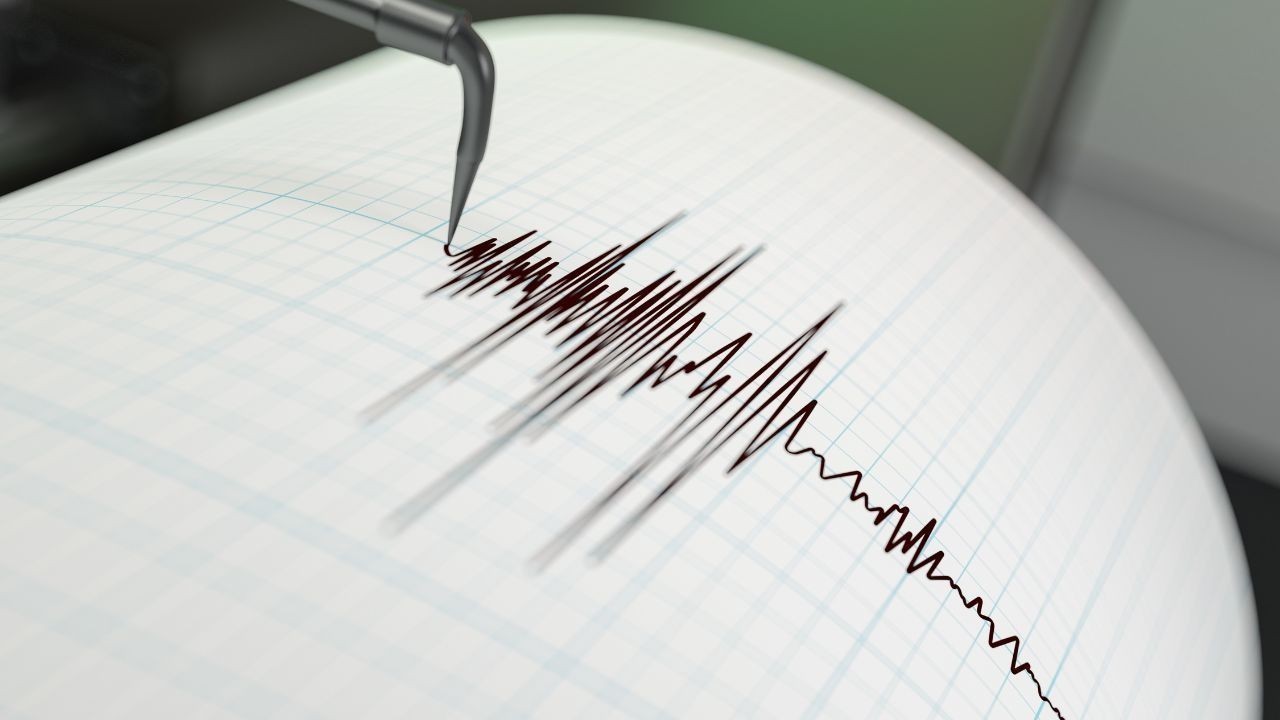
Strong 6.1 Magnitude Earthquake Hits West Sumatra, No Damage
A 6.1 earthquake struck off West Sumatra, Indonesia. No casualties, damage, or tsunami alert reporte

Saudi Confirms Drone Strike on US Embassy Riyadh
Two drones hit the US Embassy in Riyadh, causing a small fire and minor damage. No injuries were rep

UAE Restarts Limited Flights as Regional Airspace Disruptions Continue
UAE restarts limited flights from Dubai as US-Israel attacks on Iran disrupt regional airspace, forc

Asia Faces Energy Shock After Iran Closes Strait
Iran shuts Strait of Hormuz amid US-Israel strikes, sending oil prices higher and raising serious en


Bank of Baroda Faces Abu Dhabi Legal Battle over NMC Collapse
Bank of Baroda’s involvement in Abu Dhabi litigation tied to the NMC Healthcare collapse raises repu

Top Museum Openings of 2026 Set to Transform Global Tourism
From Los Angeles to Abu Dhabi and Brussels, 2026 brings major museum launches—Lucas Museum, Guggenhe
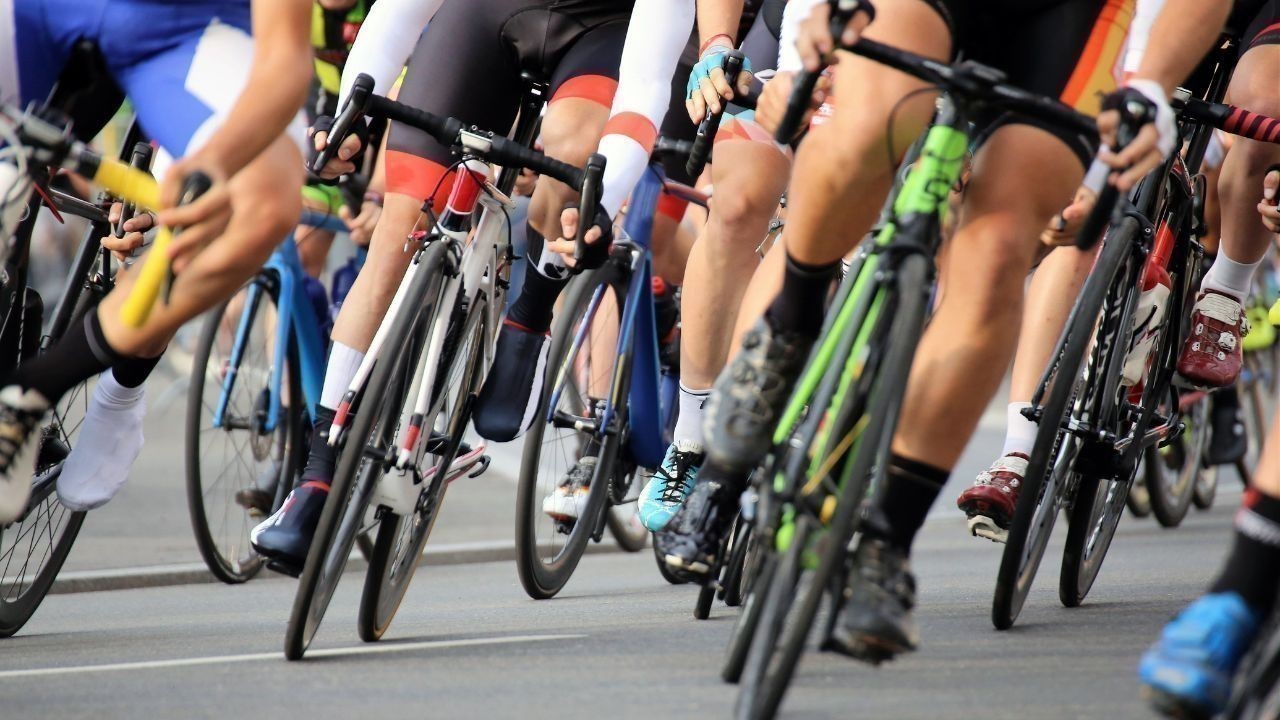
UAE Tour Highlights UAE’s Strength in Hosting Global Sports Events
Abu Dhabi Sports Council says the successful UAE Tour reflects the UAE’s leading role in hosting maj

EU Seeks Clarity from US After Supreme Court IEEPA Ruling
European Commission urges full transparency from the US on steps after Supreme Court ruling, emphasi
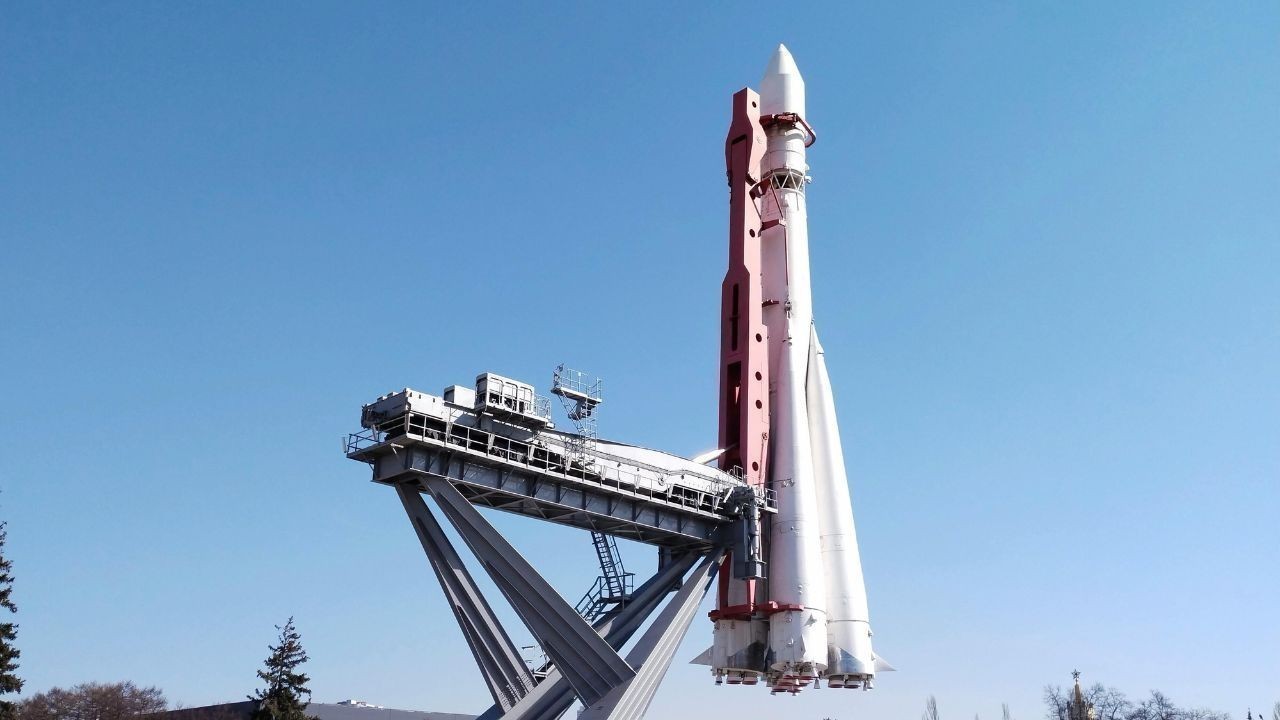
SpaceX Launches 53 New Satellites for Expanding Starlink Network
SpaceX launches 53 Starlink satellites in two Falcon 9 missions, breaking reuse records and expandin

RTA Awards Contract for Phase II of Hessa Street Upgrade in Dubai
Phase II of Hessa Street Development to add bridges, tunnel, and upgraded intersections, doubling ca
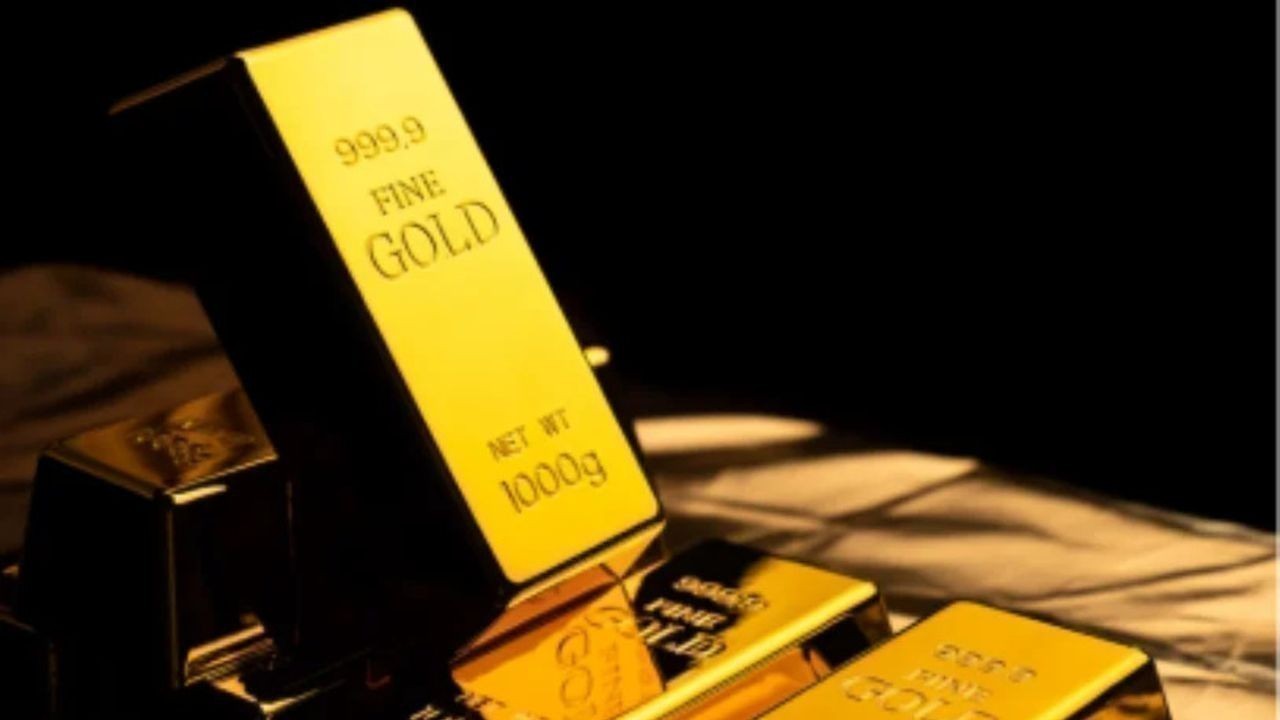
UAE Gold Prices Today, Monday 16 February 2026: Dubai & Abu Dhabi Updated Rates
Gold prices in UAE on 16 Feb 2026 updated: 24K around AED 599.75/gm, 22K AED 555.25/gm, and 18K AED
Over 25 Ahmedabad Schools Receive Bomb Threat Email, Authorities Investigate
More than 25 schools in Ahmedabad evacuated after bomb threat emails mentioning Khalistan. Authoriti