
Post by : Sam Jeet Rahman
Personal growth is often discussed in terms of mindset, skills, confidence, or discipline, but financial behavior quietly shapes all of these areas. Money decisions influence where you live, the risks you can take, the opportunities you can pursue, and even the stress levels you carry daily. When finances are mismanaged, growth slows—not because of lack of talent or effort, but because poor financial choices create constant pressure and limitation.
Many people work hard, stay busy, and remain ambitious, yet feel stuck for years. In most cases, the root cause is not income but repeating financial mistakes that delay personal growth. This article breaks down those mistakes in detail, explains why they are harmful, and shows how they quietly block progress in life, career, and mindset.
One of the biggest mistakes is seeing money only as something to pay bills and survive month to month.
When money is treated purely as a tool for survival, people:
Focus only on immediate expenses
Avoid long-term planning
Fear investing or upgrading skills
Stay stuck in safe but limiting routines
This mindset prevents growth because personal development requires financial breathing room. Growth often involves learning new skills, changing environments, taking calculated risks, or investing time without immediate income.
When money thinking is limited to survival, growth feels dangerous rather than strategic.
Many people delay growth simply because they don’t know where their money goes.
This includes:
Not tracking expenses
Not knowing monthly savings rate
Not understanding debt obligations
Not reviewing bank statements regularly
Without awareness, financial decisions are emotional rather than intentional. This leads to stress, guilt, and avoidance.
Lack of awareness creates a false sense of progress. You may feel busy and productive while your financial position stays stagnant.
Earning more money does not automatically mean growing.
A common mistake is assuming that a salary hike or higher revenue equals personal advancement. In reality, income growth without financial structure often leads to lifestyle inflation, not progress.
Examples include:
Upgrading lifestyle with every income increase
Increasing fixed expenses too early
Taking on unnecessary liabilities
Saving nothing despite higher earnings
This keeps financial pressure constant regardless of income level, limiting freedom and long-term choices.
True personal growth comes from what you keep, not just what you earn.
Debt is often normalized as a shortcut to a better life, but unmanaged debt is one of the strongest blockers of growth.
High-interest debt:
Reduces monthly flexibility
Creates mental stress
Forces short-term thinking
Limits risk-taking ability
When large portions of income go toward EMIs, credit cards, or personal loans, energy is spent maintaining the present instead of building the future.
Debt-driven comfort delays growth by trapping you in obligation rather than opportunity.
Many people postpone planning because the future feels uncertain.
This results in:
No clear savings goals
No retirement vision
No emergency buffer
No timeline for major life decisions
Without planning, every decision feels reactive. Opportunities are missed not because they are unavailable, but because finances are unprepared.
Personal growth requires long-term clarity, not just short-term action.
Avoiding investing due to fear is another major mistake.
This fear usually comes from:
Market volatility
Past losses or stories
Lack of financial education
Desire for guaranteed safety
While caution is important, avoiding investing entirely leads to slow erosion of purchasing power due to inflation.
Over time, this reduces:
Wealth-building ability
Confidence in decision-making
Willingness to think long-term
Personal growth thrives on learning and adapting. Avoiding investing often reflects deeper resistance to growth and calculated risk.
Saving money is good, but saving without direction can still delay growth.
Examples include:
Saving randomly without goals
Hoarding cash due to fear
Not aligning savings with life priorities
When savings lack purpose, people hesitate to use money for education, relocation, health, or opportunities that could improve long-term outcomes.
Money should support growth, not just sit unused.
Many people spend freely on lifestyle but hesitate to invest in skills.
This includes:
Avoiding paid learning
Delaying certifications
Not upgrading professional tools
Skipping mentorship or coaching
Skills are among the highest-return investments, but they require upfront spending and patience.
Ignoring skill investment keeps income and opportunities limited, directly delaying personal and financial growth.
Emotions heavily influence money behavior.
Common emotional patterns include:
Spending to cope with stress
Overspending to feel successful
Avoiding money discussions due to fear
Making impulsive purchases
These decisions create cycles of regret and correction that drain energy and focus.
Growth requires calm, rational decision-making. Emotional money habits keep people reacting instead of progressing.
The desire for fast financial improvement often leads to poor choices.
Examples include:
High-risk schemes
Unrealistic returns
Overtrading
Following trends without understanding
These behaviors usually result in losses or burnout, reinforcing fear and mistrust in financial systems.
Personal growth is built on stable foundations, not shortcuts.
Lack of emergency funds is one of the most underestimated growth blockers.
Without emergency reserves:
Unexpected expenses cause panic
Debt increases suddenly
Long-term plans get postponed
Mental energy is consumed by uncertainty
Emergency preparedness provides psychological safety, which is essential for growth, creativity, and decision-making.
Comparison is toxic to personal growth.
Social media amplifies:
Unrealistic lifestyles
Highlight reels of success
Pressure to match appearances
This leads to overspending, rushed decisions, and dissatisfaction.
Growth slows when decisions are made to impress rather than to align with personal values and timelines.
Many people tie self-worth directly to income or possessions.
This causes:
Fear of financial mistakes
Avoidance of learning
Resistance to change
Shame around setbacks
When identity is tied to money, growth feels threatening because mistakes feel personal.
Separating identity from finances allows learning, adaptation, and resilience.
Income alone does not determine financial strength.
Poor cash flow management results in:
Constant tightness
Stress despite decent earnings
Missed opportunities
Delayed investments
Healthy cash flow gives control over time, decisions, and priorities.
Personal growth thrives when daily finances feel manageable.
Financial stress quietly consumes mental bandwidth.
This affects:
Focus
Motivation
Creativity
Confidence
Even small unresolved money issues drain energy over time.
Reducing financial friction creates space for personal development, better decisions, and long-term thinking.
Waiting for someone else to manage finances is a growth blocker.
This includes:
Relying entirely on family
Avoiding financial learning
Delegating without understanding
Financial literacy is a personal responsibility. Without it, decisions are made blindly, limiting independence and growth.
Individually, these mistakes seem manageable. Together, they compound.
They result in:
Missed opportunities
Chronic stress
Delayed milestones
Reduced confidence
Personal growth slows not because of lack of effort, but because financial foundations are weak.
Growth-oriented financial behavior includes:
Clear goals
Intentional spending
Skill investment
Long-term thinking
Emotional discipline
Small changes made consistently create powerful long-term transformation.
Money is not the goal of personal growth, but it is a critical enabler. When finances are mismanaged, growth becomes harder, slower, and more stressful. When financial habits are aligned with long-term values, personal growth accelerates naturally.
Personal growth is not delayed by lack of ambition—it is delayed by financial patterns that quietly limit choice and confidence.
This article is for informational and educational purposes only and should not be considered financial, investment, or legal advice. Financial situations vary based on individual income, goals, and circumstances. Readers are advised to consult a qualified financial professional before making major financial decisions.

US Stocks Slide as AI Fears, Inflation and Oil Surge Weigh
US stocks dropped as AI disruption fears hit tech firms, inflation rose above forecasts, and oil pri

Pacific Prime Wins Top Honors at Cigna Awards 2026
Pacific Prime secured Top Individual Broker and Top SME Broker awards at Cigna’s Annual Broker Award
QatarEnergy Halts LNG Output After Military Attack
QatarEnergy has stopped LNG production after military attacks hit its facilities in Ras Laffan and M

Strong 6.1 Magnitude Earthquake Hits West Sumatra, No Damage
A 6.1 earthquake struck off West Sumatra, Indonesia. No casualties, damage, or tsunami alert reporte

Saudi Confirms Drone Strike on US Embassy Riyadh
Two drones hit the US Embassy in Riyadh, causing a small fire and minor damage. No injuries were rep

UAE Restarts Limited Flights as Regional Airspace Disruptions Continue
UAE restarts limited flights from Dubai as US-Israel attacks on Iran disrupt regional airspace, forc
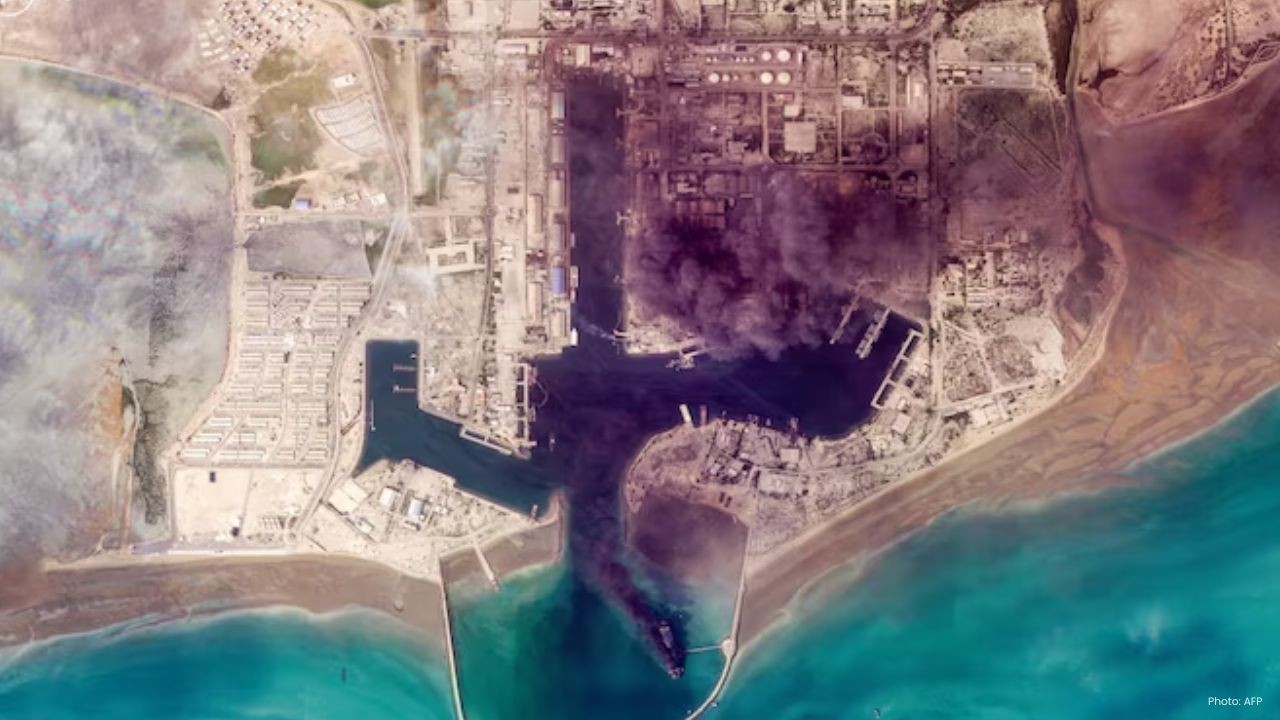
Asia Faces Energy Shock After Iran Closes Strait
Iran shuts Strait of Hormuz amid US-Israel strikes, sending oil prices higher and raising serious en


Bank of Baroda Faces Abu Dhabi Legal Battle over NMC Collapse
Bank of Baroda’s involvement in Abu Dhabi litigation tied to the NMC Healthcare collapse raises repu

Top Museum Openings of 2026 Set to Transform Global Tourism
From Los Angeles to Abu Dhabi and Brussels, 2026 brings major museum launches—Lucas Museum, Guggenhe

UAE Tour Highlights UAE’s Strength in Hosting Global Sports Events
Abu Dhabi Sports Council says the successful UAE Tour reflects the UAE’s leading role in hosting maj
EU Seeks Clarity from US After Supreme Court IEEPA Ruling
European Commission urges full transparency from the US on steps after Supreme Court ruling, emphasi

SpaceX Launches 53 New Satellites for Expanding Starlink Network
SpaceX launches 53 Starlink satellites in two Falcon 9 missions, breaking reuse records and expandin
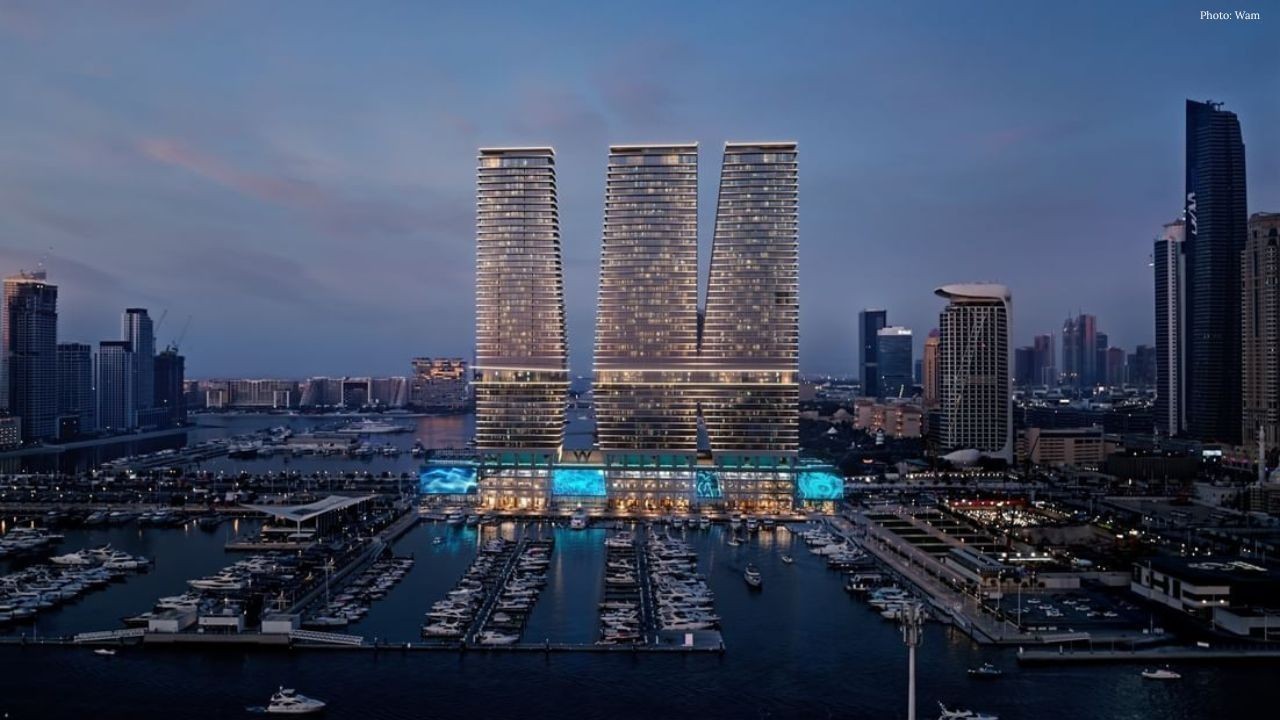
RTA Awards Contract for Phase II of Hessa Street Upgrade in Dubai
Phase II of Hessa Street Development to add bridges, tunnel, and upgraded intersections, doubling ca

UAE Gold Prices Today, Monday 16 February 2026: Dubai & Abu Dhabi Updated Rates
Gold prices in UAE on 16 Feb 2026 updated: 24K around AED 599.75/gm, 22K AED 555.25/gm, and 18K AED

Over 25 Ahmedabad Schools Receive Bomb Threat Email, Authorities Investigate
More than 25 schools in Ahmedabad evacuated after bomb threat emails mentioning Khalistan. Authoriti