Post by : Anis Karim
Food festivals have long been a playground for culinary experimentation. Chefs debut new flavors, street food vendors showcase signature dishes, and food enthusiasts crowd tents to sample inventive offerings. However, as we approach 2026, the line between temporary festival favorites and permanent restaurant menu staples is increasingly blurred. Dishes once limited to tents are inspiring full-scale menus, creating lasting trends, and shaping how restaurants innovate. This shift reflects evolving consumer tastes, business strategies, and the broader gastronomic landscape. In this article, we explore the phenomenon of festival-to-menu migration, highlight influential dishes, and examine their potential impact on dining in the coming year.
Several factors are driving the transformation from festival novelty to permanent menu item.
Consumer Demand: Foodies today crave unique experiences and bold flavors. When a festival dish becomes a hit—sold out, Instagrammed, shared widely online—restaurants take notice. They recognize an opportunity to satisfy existing demand while attracting new patrons seeking the latest culinary innovation.
Testing Ground for Innovation: Festivals serve as low-risk environments to experiment. Chefs can gauge reactions, refine recipes, and assess feasibility for larger-scale production. A successful festival dish signals a promising addition to permanent menus, backed by consumer validation.
Brand Differentiation: Restaurants are increasingly competing on creativity, not just cuisine. Offering a dish that has generated buzz at a festival gives establishments instant credibility and differentiates them from competitors.
Economic Viability: While festivals generate immediate revenue, converting popular dishes to a permanent menu leverages existing supply chains and reduces reliance on seasonal events. Over time, it can become a consistent profit center for restaurants.
Certain dishes that debuted in festival tents are already shaping dining trends.
1. Gourmet Street Food Revivals: Chefs are transforming casual street food into upscale presentations. Think elevated tacos with truffle oil, kimchi-infused sliders, or tempura-fried delicacies paired with specialty sauces.
2. Fusion Innovations: Festival-goers have embraced cross-cultural mashups, such as ramen burgers, sushi burritos, or Indian-inspired tacos. These dishes challenge traditional boundaries and appeal to adventurous palates.
3. Plant-Based Creativity: Vegan and plant-forward dishes have gained traction at festivals, from jackfruit “pulled pork” sandwiches to mushroom-based gourmet sliders. Successful items are now being integrated into permanent menus to meet rising plant-based demand.
4. Interactive and Experiential Dishes: Some dishes encourage diners to assemble or customize elements at the table, creating a participatory experience. This trend is gaining traction in 2026 as restaurants seek to replicate festival excitement.
5. Dessert Innovations: Artisan desserts—like nitrogen ice cream, stuffed churros, or molecular gastronomy-inspired sweets—first wowed festival attendees. Chefs are now introducing them as signature desserts on permanent menus, pairing them with seasonal or local ingredients for broader appeal.
The influence of digital platforms cannot be overstated. Instagram, TikTok, and food blogs amplify the visibility of festival dishes, often creating viral sensations overnight. Chefs and restaurants monitor engagement metrics, user-generated content, and reviews to identify which dishes have staying power.
Direct Consumer Input: Festivals provide real-time feedback. Patrons can share opinions instantly via social media or apps, offering chefs actionable insights. Positive reception often signals that a dish is ready for a broader rollout.
Marketing Advantage: Launching a festival-favorite dish on a permanent menu comes with built-in buzz. Patrons familiar with the festival version are likely to visit the restaurant, generating organic marketing and increasing foot traffic.
Transitioning a festival dish to a permanent menu is not without challenges.
Consistency and Scalability: Festival dishes often rely on small batches and unique preparation techniques. Scaling production while maintaining quality and flavor consistency is essential.
Supply Chain Management: Sourcing specialty ingredients consistently is crucial. For seasonal or rare items, restaurants must secure reliable suppliers or adapt recipes without compromising quality.
Staff Training: Culinary teams must be trained to execute dishes to exact standards. Techniques that worked in a temporary setting may require adaptation for daily service.
Menu Integration: Incorporating a festival dish requires strategic placement on the menu to complement existing offerings, manage kitchen workflow, and meet customer expectations.
Pricing Strategy: Chefs must balance premium pricing with perceived value. A dish that felt special at a festival must translate to a restaurant environment without appearing overpriced.
Festival-to-menu migration transforms how diners perceive restaurant visits. Patrons expect novelty, creativity, and engagement.
Interactive Dining: Many festival dishes encourage participation, which restaurants replicate through plating techniques, DIY elements, or chef interactions.
Instagram-Worthy Presentation: Visual appeal remains critical. Dishes that became popular online often retain elaborate presentation, even in a permanent setting, to sustain excitement and social sharing.
Flavor Innovation: Consumers now anticipate bold and unexpected flavor combinations, encouraging chefs to continuously innovate and keep menus dynamic.
Cultural Storytelling: Successful dishes often carry cultural or personal stories. Restaurants leverage these narratives to enhance customer engagement and brand identity.
Across Asia, Europe, and North America, regional influences are shaping the dishes that transition from tents to tables.
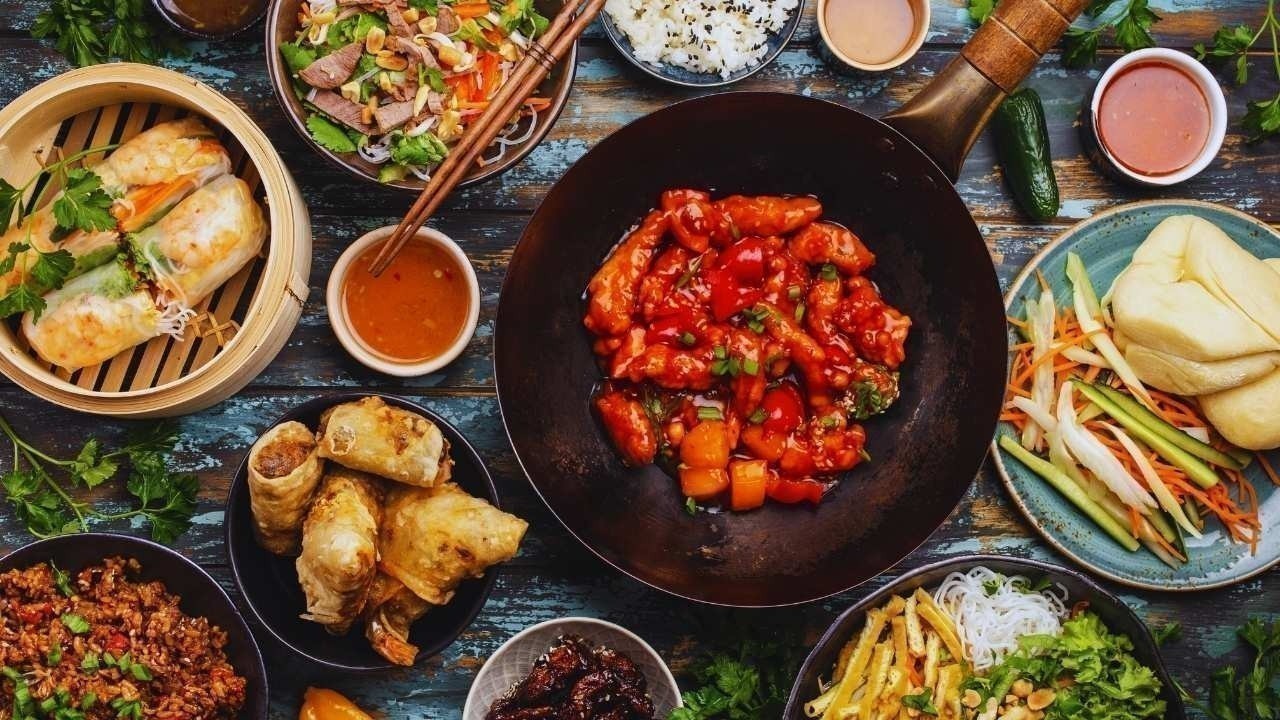
Asia: Street food-inspired dishes are being elevated in fine dining settings. Urban festival staples like bao buns, sushi hand rolls, and specialty noodles are becoming permanent menu fixtures.
Europe: Artisanal approaches dominate. Chefs are experimenting with molecular gastronomy and locally-sourced ingredients, transforming festival hits into signature items in bistros and casual fine-dining restaurants.
North America: Fusion cuisine is thriving. Festival favorites blending global flavors, plant-based innovations, and indulgent desserts are increasingly standard on permanent menus.
These trends highlight the global appeal and adaptability of festival-origin dishes, reflecting diverse consumer tastes and dining preferences.
Many festival dishes moving to permanent menus embrace sustainability. Restaurants are sourcing seasonal, local, and ethically produced ingredients. This approach resonates with environmentally-conscious diners, reduces waste, and aligns with global sustainability initiatives.
Zero-Waste Practices: Ingredients used in festival settings are often repurposed creatively in permanent dishes. For example, vegetable scraps are transformed into stocks or condiments, minimizing waste.
Ethical Sourcing: Premium proteins and seafood featured in festival hits now require ethical sourcing to ensure long-term sustainability and consumer trust.
Plant-Forward Options: Increased integration of plant-based festival favorites supports environmental goals while appealing to health-conscious consumers.
The movement of festival dishes into permanent restaurant menus is indicative of a broader shift in dining culture. Consumers seek experiences that are authentic, creative, and shareable. Restaurants, in turn, are embracing agility, testing new concepts in festivals, and scaling successes strategically.
In 2026, we anticipate:
Expanded Menu Innovation: More restaurants will adopt a festival-testing approach, rotating experimental dishes into permanent offerings.
Hybrid Concepts: Pop-up concepts and micro-dining experiences will become integrated into regular restaurant operations.
Technology Integration: Ordering apps, social media, and virtual reality experiences will enhance engagement around signature dishes.
Global Culinary Fusion: Festival-driven flavor mashups will continue influencing menus worldwide, reflecting evolving consumer palates
Festival-to-menu migration is redefining modern dining. Dishes that once delighted crowds under tents are now becoming permanent culinary experiences, shaping restaurant strategy, consumer expectations, and the gastronomic landscape. As we approach 2026, restaurants that can successfully identify, adapt, and integrate these dishes will thrive. Diners can look forward to vibrant, creative, and memorable meals that began as festival favorites, now accessible year-round. The evolution of these dishes underscores the dynamic relationship between innovation, culture, and consumer experience in contemporary dining.
This article is intended for general informational purposes only. Restaurant concepts, dishes, and trends may vary by region, and results or experiences may differ. Readers and restaurateurs should consider local factors and consult professionals when implementing culinary or business decisions.

US Stocks Slide as AI Fears, Inflation and Oil Surge Weigh
US stocks dropped as AI disruption fears hit tech firms, inflation rose above forecasts, and oil pri

Pacific Prime Wins Top Honors at Cigna Awards 2026
Pacific Prime secured Top Individual Broker and Top SME Broker awards at Cigna’s Annual Broker Award

QatarEnergy Halts LNG Output After Military Attack
QatarEnergy has stopped LNG production after military attacks hit its facilities in Ras Laffan and M

Strong 6.1 Magnitude Earthquake Hits West Sumatra, No Damage
A 6.1 earthquake struck off West Sumatra, Indonesia. No casualties, damage, or tsunami alert reporte

Saudi Confirms Drone Strike on US Embassy Riyadh
Two drones hit the US Embassy in Riyadh, causing a small fire and minor damage. No injuries were rep

UAE Restarts Limited Flights as Regional Airspace Disruptions Continue
UAE restarts limited flights from Dubai as US-Israel attacks on Iran disrupt regional airspace, forc

Asia Faces Energy Shock After Iran Closes Strait
Iran shuts Strait of Hormuz amid US-Israel strikes, sending oil prices higher and raising serious en


Bank of Baroda Faces Abu Dhabi Legal Battle over NMC Collapse
Bank of Baroda’s involvement in Abu Dhabi litigation tied to the NMC Healthcare collapse raises repu

Top Museum Openings of 2026 Set to Transform Global Tourism
From Los Angeles to Abu Dhabi and Brussels, 2026 brings major museum launches—Lucas Museum, Guggenhe

UAE Tour Highlights UAE’s Strength in Hosting Global Sports Events
Abu Dhabi Sports Council says the successful UAE Tour reflects the UAE’s leading role in hosting maj

EU Seeks Clarity from US After Supreme Court IEEPA Ruling
European Commission urges full transparency from the US on steps after Supreme Court ruling, emphasi

SpaceX Launches 53 New Satellites for Expanding Starlink Network
SpaceX launches 53 Starlink satellites in two Falcon 9 missions, breaking reuse records and expandin

RTA Awards Contract for Phase II of Hessa Street Upgrade in Dubai
Phase II of Hessa Street Development to add bridges, tunnel, and upgraded intersections, doubling ca

UAE Gold Prices Today, Monday 16 February 2026: Dubai & Abu Dhabi Updated Rates
Gold prices in UAE on 16 Feb 2026 updated: 24K around AED 599.75/gm, 22K AED 555.25/gm, and 18K AED

Over 25 Ahmedabad Schools Receive Bomb Threat Email, Authorities Investigate
More than 25 schools in Ahmedabad evacuated after bomb threat emails mentioning Khalistan. Authoriti





