Post by : Anis Karim
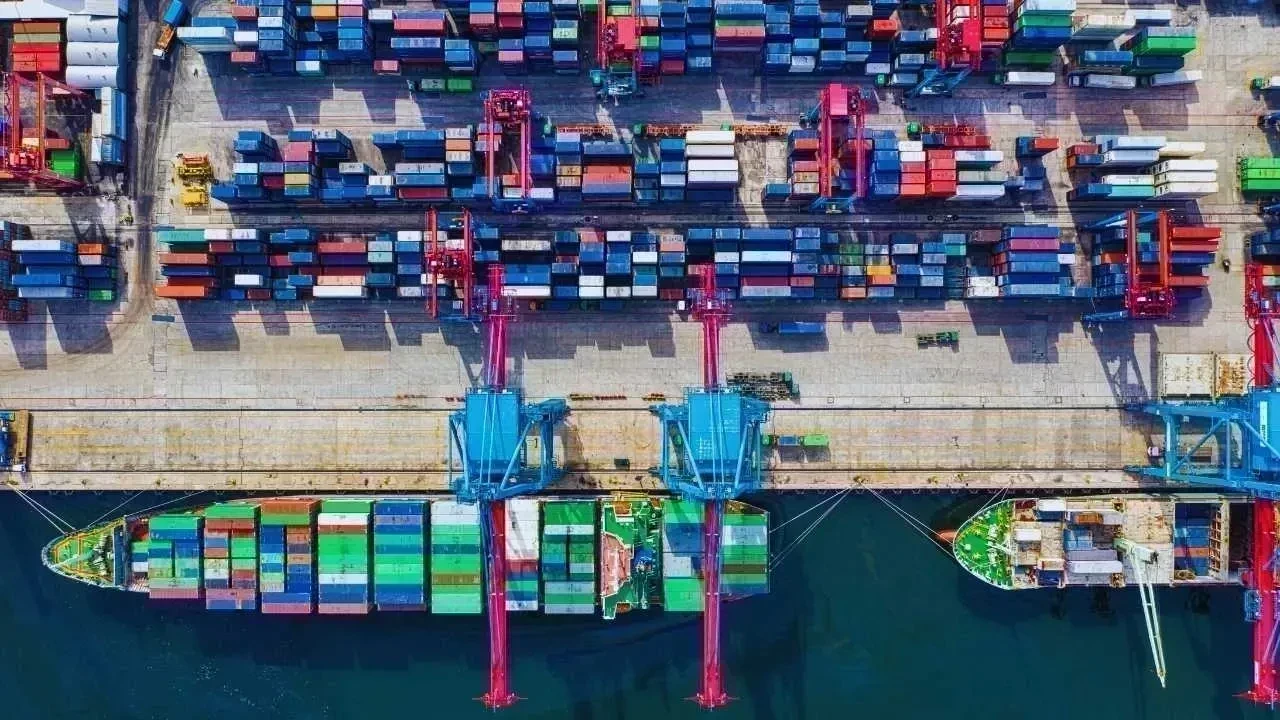
Global commerce is often dictated by power dynamics, geography, and economic forces. However, recent global disruptions—ranging from pandemics to geopolitical tensions—have highlighted the vulnerabilities in established trade routes. The new international agreement set to overhaul cross-border connectivity is therefore seen as a pivotal shift.
In contrast to traditional free trade agreements that primarily address tariffs, this deal emphasizes logistical integration, alternative transport corridors, digital trade streamlining, and a focus on long-term infrastructure investments. Its influence extends across regions covering a major portion of global manufacturing, energy, and consumer markets.
Recent years have seen global supply chains encounter a series of disruptive events. Port congestions, factory closures, equipment shortages, and geopolitical tensions have made reliability a higher priority than cost-effectiveness.
Ongoing conflicts have necessitated businesses and nations to re-evaluate previously stable routes. Certain chokepoints are now politically charged, leading to increased risk premiums.
From extreme weather phenomena to climate regulations, the shifting landscape is altering shipping methods. Vulnerable routes are coming under scrutiny, while eco-friendly logistics paths are gaining prominence.
The pact advocates for a multi-faceted transport network involving maritime, rail, road, and digital routes, thus diminishing reliance on any single channel.
One key element of the agreement is the alignment of customs protocols, digital systems, and logistics standards, potentially expediting transit times and lowering costs.
Countries committed to the agreement will invest in ports, rail systems, logistics hubs, and energy routes, promoting seamless trade across borders.
For years, global trade has relied on a few major sea routes. This agreement presents new viable alternatives, which could alleviate congestion and geopolitical risks.
Countries previously overlooked due to their geography may rise as essential transit hubs, with opportunities for logistics and industrial growth.
The agreement proposes a realignment of trade routes, creating direct links between production zones and consumer markets.
Beyond economic benefits, this pact carries significant geopolitical implications. It gives participating nations a framework for trading that reduces dependence on any solitary global power.
By intertwining economic interests across borders, the pact aims to strengthen diplomatic relationships and lessen the chances of unilateral trade interruptions.
Key global players are closely monitoring this agreement as control over trading routes can translate into considerable political power.
Prioritizing resilience allows firms to more swiftly adjust shipment routes amid crises, marking a transition from conventional just-in-time strategies.
By optimizing customs processes, the agreement could significantly expedite delivery timelines for vital goods such as energy, food, and technology.
Facilitated cross-border travel may motivate companies to establish manufacturing bases in regions instead of relying on centralized production.
Countries situated along the new transport corridors are likely to see increased investment, job creation, and expanded export abilities.
Ports and pathways that once ruled global trade could experience a decline in traffic unless they promptly adapt to the new landscape.
Being part of a large, rules-based framework can enhance the negotiation capabilities of smaller nations in the global market.
Though initial expenditures are substantial, integrated corridors are forecast to lessen transportation expenses over time.
Streamlined processes and expedited goods movement could lead to significant trade volume increases among participating countries.
Certainty in infrastructure encourages long-term investments in logistics, renewable energy, and industrial initiatives.
Large agreements often encounter delays arising from shifts in political landscapes, funding limitations, or bureaucratic hurdles.
Not all countries involved may enjoy equal advantages, potentially leading to internal strains within the alliance.
Enhanced digital trade frameworks raise issues regarding data sovereignty and cybersecurity risks.
The agreement pledges to reduce carbon emissions through better logistics and integration of cleaner energy sources.
Expanding infrastructure must consider environmental impacts, especially in areas sensitive to ecological changes.
New transport corridors are being developed to withstand climate-related disruptions, ensuring durability over the long term.
Fewer interruptions should aid in stabilizing the prices of imported goods, offering benefits to consumers worldwide.
Small and medium enterprises gain improved opportunities for engaging in international markets through simplified trade practices.
Digital advancements promote better traceability and compliance across international borders.
This agreement signals a transition from fragmented trade agreements towards unified connectivity models.
By diversifying trade routes and partners, countries can lower their susceptibility to external shocks.
Trade pathways are often emblematic of power dynamics. Their redefinition signals broader transitions in global influence.
The true impact hinges on how effectively nations turn their commitments into tangible actions.
Businesses are crucial for aligning their investment and logistics strategies with this new framework.
The longevity of the agreement will rely on its capability to adjust to evolving technologies, climate challenges, and global politics.
This international agreement is set to reshape global trade routes—offering more than just expedited or cost-effective goods movement. It signifies a more profound transition in nations' perspectives on economic security and cooperation, fostering resilience in a volatile world. By enhancing connectivity, this pact has the potential to redefine global commerce for decades to come, altering the dynamics of trade winners and alliances.
The agreement's success as a landmark achievement or a missed chance will ultimately depend on political resolve and execution, alongside the collective understanding that trade should not be viewed as a zero-sum game, but rather as a shared framework for global stability.
Disclaimer:
This article serves only informational and analytical purposes. It is not intended as trade, investment, or policy guidance. Readers should consult official resource channels and experts for informed decision-making.

US Stocks Slide as AI Fears, Inflation and Oil Surge Weigh
US stocks dropped as AI disruption fears hit tech firms, inflation rose above forecasts, and oil pri

Pacific Prime Wins Top Honors at Cigna Awards 2026
Pacific Prime secured Top Individual Broker and Top SME Broker awards at Cigna’s Annual Broker Award

QatarEnergy Halts LNG Output After Military Attack
QatarEnergy has stopped LNG production after military attacks hit its facilities in Ras Laffan and M

Strong 6.1 Magnitude Earthquake Hits West Sumatra, No Damage
A 6.1 earthquake struck off West Sumatra, Indonesia. No casualties, damage, or tsunami alert reporte

Saudi Confirms Drone Strike on US Embassy Riyadh
Two drones hit the US Embassy in Riyadh, causing a small fire and minor damage. No injuries were rep

UAE Restarts Limited Flights as Regional Airspace Disruptions Continue
UAE restarts limited flights from Dubai as US-Israel attacks on Iran disrupt regional airspace, forc
Asia Faces Energy Shock After Iran Closes Strait
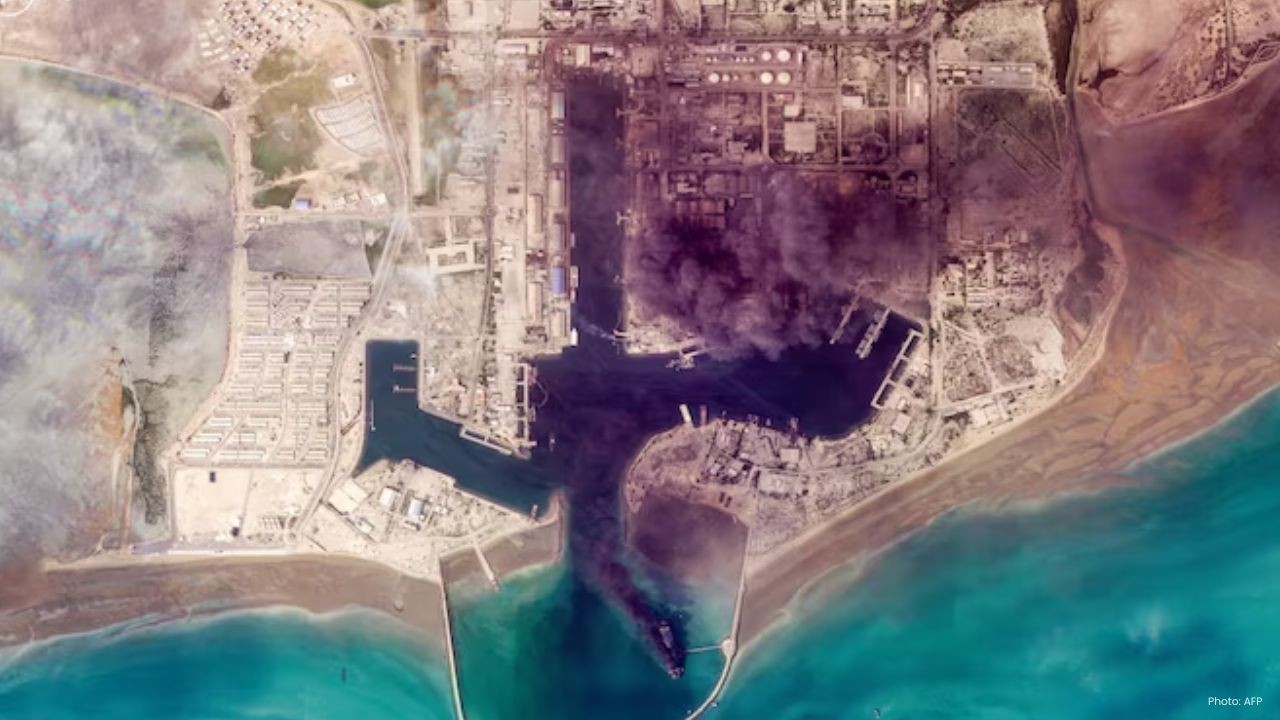
Iran shuts Strait of Hormuz amid US-Israel strikes, sending oil prices higher and raising serious en


Bank of Baroda Faces Abu Dhabi Legal Battle over NMC Collapse
Bank of Baroda’s involvement in Abu Dhabi litigation tied to the NMC Healthcare collapse raises repu

Top Museum Openings of 2026 Set to Transform Global Tourism
From Los Angeles to Abu Dhabi and Brussels, 2026 brings major museum launches—Lucas Museum, Guggenhe

UAE Tour Highlights UAE’s Strength in Hosting Global Sports Events
Abu Dhabi Sports Council says the successful UAE Tour reflects the UAE’s leading role in hosting maj
EU Seeks Clarity from US After Supreme Court IEEPA Ruling
European Commission urges full transparency from the US on steps after Supreme Court ruling, emphasi
SpaceX Launches 53 New Satellites for Expanding Starlink Network
SpaceX launches 53 Starlink satellites in two Falcon 9 missions, breaking reuse records and expandin

RTA Awards Contract for Phase II of Hessa Street Upgrade in Dubai
Phase II of Hessa Street Development to add bridges, tunnel, and upgraded intersections, doubling ca

UAE Gold Prices Today, Monday 16 February 2026: Dubai & Abu Dhabi Updated Rates
Gold prices in UAE on 16 Feb 2026 updated: 24K around AED 599.75/gm, 22K AED 555.25/gm, and 18K AED

Over 25 Ahmedabad Schools Receive Bomb Threat Email, Authorities Investigate
More than 25 schools in Ahmedabad evacuated after bomb threat emails mentioning Khalistan. Authoriti