
Post by : Anis Karim
A salary increase is often a cause for celebration—representing achievement and a sense of financial uplift. Yet, soon after, many find that their enhanced earnings don’t provide the expected relief. Monthly expenses can feel just as daunting, if not worse, as the cost of living escalates at a similar or faster rate.
This brings forth a common complaint: “Why, if salaries are on the rise, isn't life becoming more affordable?”
To grasp this conundrum, we must explore the interplay of global economics, supply chains, government actions, consumer habits, and corporate tactics. The relationship between rising salaries and escalating prices is intricate and often misunderstood.
As firms raise salaries, they inevitably face higher operational costs. To safeguard their profitability, companies may raise the prices of:
products
services
subscriptions
delivery fees
consultation charges
This transference of costs is a key driver of inflation. Even a slight uptick in wages for some can prompt a widespread price recalibration across various sectors.
When people's earnings rise, their spending often follows suit. This surge in demand compels businesses to:
increase prices
hike production expenses
compete for resources
This straightforward cycle can be described as:
Higher income → greater demand → rising prices.
Economists refer to this effect as demand-pull inflation, impacting everything from groceries to travel.
Issues like delays in shipping, fuel shortages, logistical challenges, geopolitical tensions, and the ongoing aftereffects of the pandemic continue to plague global supply chains. When supply becomes erratic:
the cost of raw materials surges
imports grow pricier
manufacturing slows down
retail prices increase
A single disruption in the supply chain can have far-reaching effects on global inflation.
Both oil and gas prices directly influence:
transportation
manufacturing
electricity production
agricultural costs
packaging expenses
A spike in energy costs invariably leads to greater prices throughout the entire economy, regardless of local salary trends.
Factors including extreme weather events, diminished crop yields, soaring fertilizer costs, and disruptions in global agriculture create food inflation that often outpaces general inflation. Since food is a necessity, rising costs impact families immediately.
In efforts to foster economic growth, many governments increase spending, injecting more money into the economy. This boosts liquidity and consumer spending.
When more money chases the same products, prices inevitably rise.
When central banks raise interest rates to curb inflation:
loans turn costlier
home EMIs rise
credit card rates increase
business investment decreases
At the same time, these actions might result in higher costs in sectors like real estate and transportation.
Taxes levied on:
fuel
essentials
imported goods
directly contribute to price increases.
The removal of subsidies causes essential goods to become costlier almost instantly.
Corporations typically review salaries on an annual or semi-annual basis.
Conversely, prices can shift:
weekly
daily
even hourly
This disparity fosters the sentiment that salaries are perpetually lagging.
A business might choose to:
reduce expenses
put hiring on hold
delay raises
This occurs even in the face of high inflation.
In contrast, prices are adjusted almost immediately when costs rise.
Even when the average salary climbs nationally, personal growth rates can hinge on factors such as:
qualifications
demand in specific industries
scarcity of roles
individual performance
This system often results in many individuals experiencing stagnant wages even during periods of robust economic expansion.
As expenses connected to wages, rents, utilities, and materials rise, companies often raise prices to protect their profit margins.
Businesses are increasingly leaning towards automation to:
lessen reliance on human labor
accelerate production
reduce errors
This shift tends to favor high-skilled workers, while wages for routine positions remain stagnant.
To afford raises for current employees, some businesses will:
curtail hiring
merge departments
outsource certain positions
increase each employee's workload
These strategic adjustments can suppress overall income growth.
Most people tend to clearly recall:
last year’s grocery prices
previous month’s fuel costs
past utility bills
However, salary raises often fade quickly from memory as spending becomes routine.
As salaries increase, many unwittingly upgrade:
dining options
technological devices
travel experiences
subscription services
clothing selections
These small upgrades lead to significant budgetary pressures.
Observing peers with higher living standards often compels many to adjust their spending habits, even needlessly—heightening the feeling of financial constraint.
With rising incomes, the demand for:
upgraded housing
more secure neighborhoods
premium facilities
Prompt landlords to increase rents.
Labor costs in agriculture, logistics, processing, and retail inevitably result in higher grocery expenses.
These sectors, reliant on skilled labor, consistently see salaries rise, directly reflecting in their pricing strategies.
An increase in disposable income elevates travel expectations, leading to escalated expenses for accommodations and airlines, particularly during peak travel periods.
Keeping tabs on expenses can empower consumers and travelers to adjust before costs spiral out of control. Those who consistently budget tend to experience less financial burden, even at inflation's peak.
As individuals boost their skill sets, they become qualified for:
higher-paying positions
competitive sectors
global employment opportunities
This ability allows income to rise faster than inflationary pressures.
Ventures such as freelance work, online services, rental income, or consultancy options can significantly reduce dependence on a singular paycheck.
Such habits might include:
bulk purchasing
selecting generic products
limiting impulse buys
reducing subscription overload
Global economies are intricately linked. Factors like conflicts, supply chain issues, climate changes, and demographic trends will continue to influence prices.
Fields such as technology, healthcare, digital services, and skilled trades will likely see salary growth more rapidly than traditional industries.
Economic predictions indicate:
middle-income families will face heightened financial pressure
essential commodities will consistently rise in cost
discretionary spending may decrease
Mastering financial knowledge will become just as crucial as earning an income.
While rising salaries ideally should enhance life quality—and for some, they do—the simultaneous rise in prices often makes financial improvements feel elusive. It’s vital to recognize that salary increases and price escalations are interlinked events within the broader economic framework.
Higher wages elevate operational costs for businesses.
Elevated business expenses lead to increased consumer prices.
And soaring prices prompt demands for even greater wages.
This cycle is likely to persist, but those who adapt via effective financial management, skill improvements, diversified income, and prudent spending will navigate it successfully.
The aim isn’t necessarily to escape inflation—it’s to stay a step ahead of it.
Disclaimer:
This article serves information and editorial intentions only, not financial guidance. Economic landscapes shift frequently; readers should assess decisions based on their own situations.

US Stocks Slide as AI Fears, Inflation and Oil Surge Weigh
US stocks dropped as AI disruption fears hit tech firms, inflation rose above forecasts, and oil pri

Pacific Prime Wins Top Honors at Cigna Awards 2026
Pacific Prime secured Top Individual Broker and Top SME Broker awards at Cigna’s Annual Broker Award

QatarEnergy Halts LNG Output After Military Attack
QatarEnergy has stopped LNG production after military attacks hit its facilities in Ras Laffan and M

Strong 6.1 Magnitude Earthquake Hits West Sumatra, No Damage
A 6.1 earthquake struck off West Sumatra, Indonesia. No casualties, damage, or tsunami alert reporte

Saudi Confirms Drone Strike on US Embassy Riyadh
Two drones hit the US Embassy in Riyadh, causing a small fire and minor damage. No injuries were rep

UAE Restarts Limited Flights as Regional Airspace Disruptions Continue
UAE restarts limited flights from Dubai as US-Israel attacks on Iran disrupt regional airspace, forc
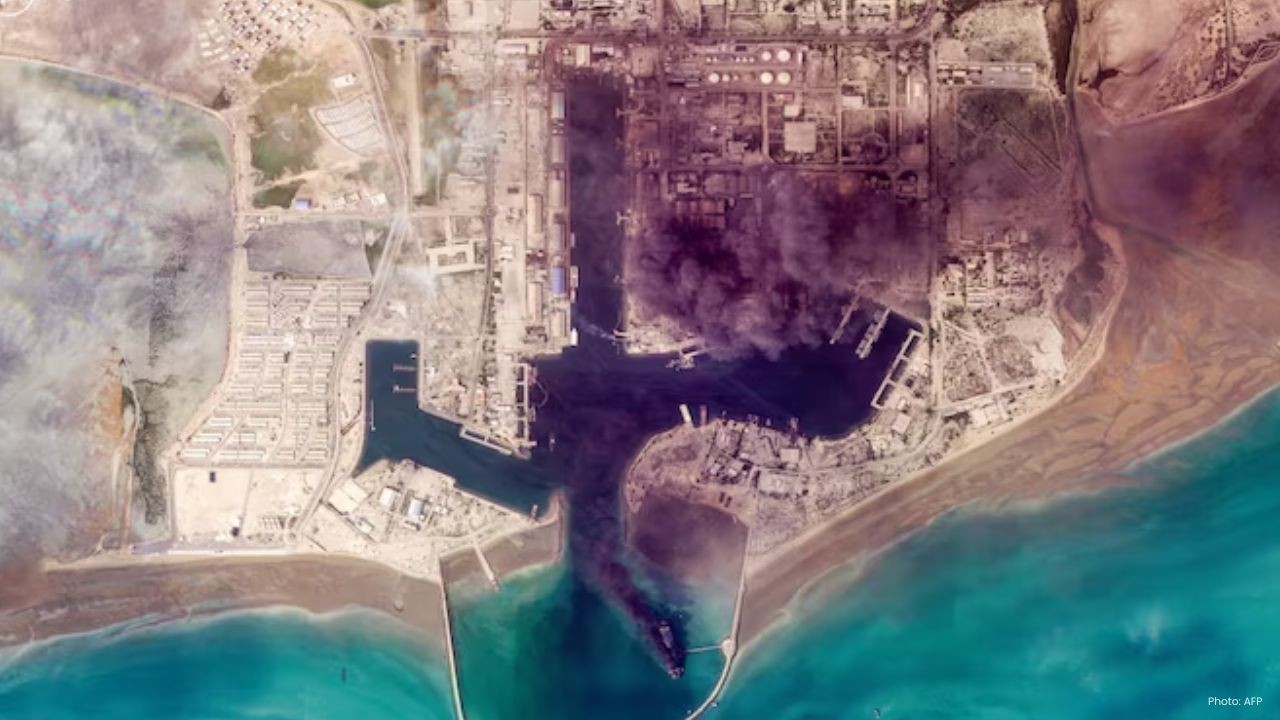
Asia Faces Energy Shock After Iran Closes Strait
Iran shuts Strait of Hormuz amid US-Israel strikes, sending oil prices higher and raising serious en


Bank of Baroda Faces Abu Dhabi Legal Battle over NMC Collapse
Bank of Baroda’s involvement in Abu Dhabi litigation tied to the NMC Healthcare collapse raises repu

Top Museum Openings of 2026 Set to Transform Global Tourism
From Los Angeles to Abu Dhabi and Brussels, 2026 brings major museum launches—Lucas Museum, Guggenhe

UAE Tour Highlights UAE’s Strength in Hosting Global Sports Events
Abu Dhabi Sports Council says the successful UAE Tour reflects the UAE’s leading role in hosting maj

EU Seeks Clarity from US After Supreme Court IEEPA Ruling
European Commission urges full transparency from the US on steps after Supreme Court ruling, emphasi

SpaceX Launches 53 New Satellites for Expanding Starlink Network
SpaceX launches 53 Starlink satellites in two Falcon 9 missions, breaking reuse records and expandin

RTA Awards Contract for Phase II of Hessa Street Upgrade in Dubai
Phase II of Hessa Street Development to add bridges, tunnel, and upgraded intersections, doubling ca

UAE Gold Prices Today, Monday 16 February 2026: Dubai & Abu Dhabi Updated Rates
Gold prices in UAE on 16 Feb 2026 updated: 24K around AED 599.75/gm, 22K AED 555.25/gm, and 18K AED

Over 25 Ahmedabad Schools Receive Bomb Threat Email, Authorities Investigate
More than 25 schools in Ahmedabad evacuated after bomb threat emails mentioning Khalistan. Authoriti