Post by : Anis Karim
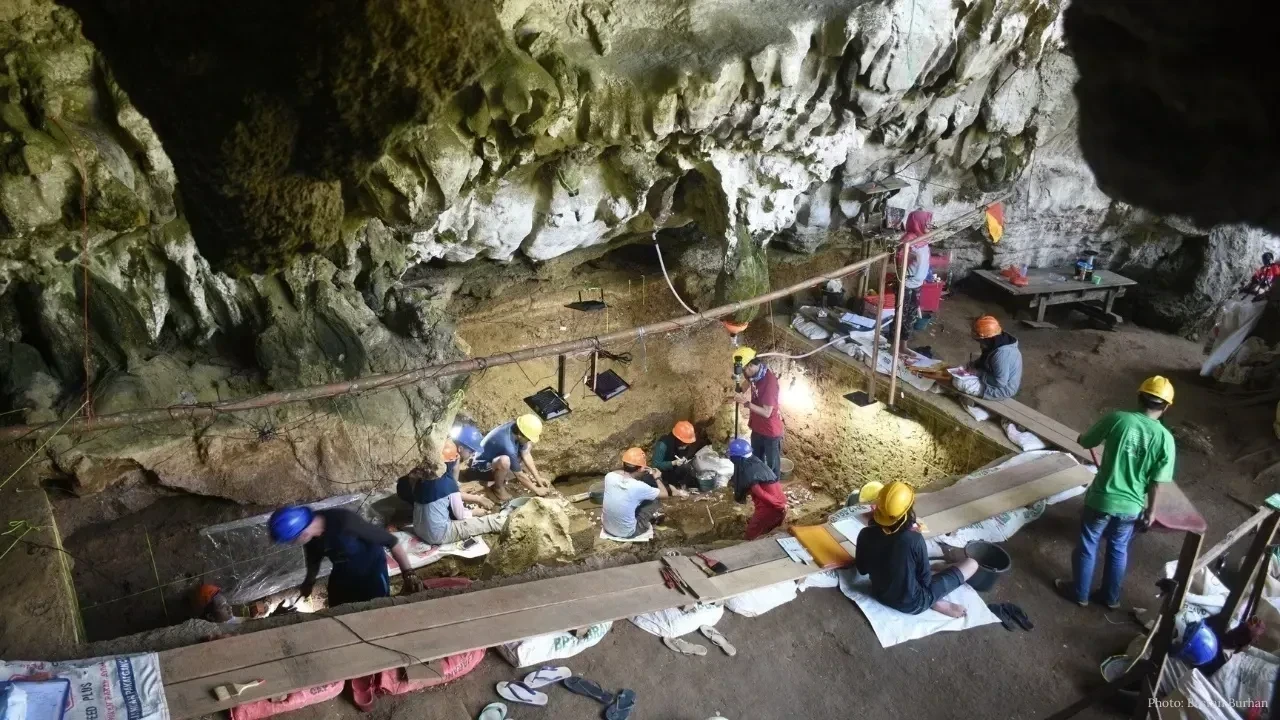
Located in the heart of Sulawesi, the Leang Bulu Bettue archaeological site has become crucial in exploring ancient human history in Southeast Asia. For more than ten years, experts have excavated this limestone cave within the Maros-Pangkep karst region, uncovering a continuous narrative of hominin activities that extend well beyond prior findings. The site's staggering stratified deposits, some possibly as ancient as 208,000 years, showcase successive phases of stone tool usage, animal remains, and cultural materials.
Traditionally, the story of early human presence in Island Southeast Asia was constrained by limited artifacts. However, Leang Bulu Bettue changes this, offering an invaluable glimpse into the lifestyles, innovations, and interactions of various human lineages in Sulawesi over extended periods.
Distinct from other archaeological sites, Leang Bulu Bettue offers a profound stratigraphic sequence of deposits. Systematic excavations have unveiled layers extending at least eight meters beneath the surface, showcasing stone tools and remains dating to around 208,000 years ago. This makes it one of the most significant records of human occupation in Sulawesi.
The depth of these deposits is invaluable, allowing researchers to track behavioral and technological shifts in hominins over extensive periods. The site reveals not isolated discoveries, but a continuum of changes in tool technology, faunal consumption patterns, and early symbolic behaviors.
Among the earliest artifacts in Leang Bulu Bettue's lower layers are heavy-duty stone tools—including various implements and butchered animal bones—signifying a longstanding hominin activity in this area, well before the advent of modern humans.
The early technologies unearthed suggest unique cultural traditions, indicative of archaic hominins—relatives of modern humans, whose exact classification remains uncertain, but who were undoubtedly adept tool users engaged in hunting and processing larger vertebrate species.
A fascinating aspect of the archaeological layers at Leang Bulu Bettue is the evident behavioral transition. Approximately 40,000 years ago, a discernible change in technologies and cultural artifacts becomes apparent, with tools growing more sophisticated and the first signs of symbolic behavior emerging—such as pigment usage, commonly associated with modern humans (Homo sapiens).
This transition aligns with broader evidence that modern humans migrated to Island Southeast Asia far earlier, potentially around 65,000 years ago, during the early colonization of Australia. The emergence of advanced tools and cultural expressions suggests that modern humans may have replaced or assimilated earlier hominin populations, marking a significant evolution in material culture.
The findings at Leang Bulu Bettue raise intriguing questions about the possibility that archaic hominins and early modern humans overlapped in Sulawesi. The continuous layers present here uniquely position it for exploring this question.
If confirmed, this overlap could implicate Southeast Asia in interactions among various human species, similar to the documented encounters between Neanderthals, Denisovans, and Homo sapiens in Eurasia. Leang Bulu Bettue emerges as a vital site for studying human evolutionary trends beyond Africa and Europe.
Experts emphasize that the area’s archaeological records reflect distinct cultural phases, hinting at varying technologies and possibly different populations. The emergence of modern humans is characterized by refined tools and symbolisms, while earlier layers retain key elements of archaic traditions that prevailed over considerable time.
The archaeological findings at Leang Bulu Bettue reshape traditional views regarding the timelines, routes, and interactions of early human populations across Australasia and Southeast Asia. This extensive record predates prior assumptions regarding the region's earliest hominin presence, contributing fresh perspectives on how early human ancestors traversed island landscapes divided by vast oceans.
By presenting one of the most comprehensive sequences of early human presence in Wallacea— the biogeographical region linking continental Asia with the ancient landmass of Sahul (Australia-New Guinea)—the research plays a crucial role in broader discussions regarding adaptability, migration patterns, and cultural evolution of early humans and their evolutionary relatives.
Despite the exceptional strides at Leang Bulu Bettue, archaeologists suspect even older deposits may lie beneath the presently excavated levels. These deeper layers might yield more insights into the original inhabitants of Sulawesi, along with details regarding their environments, tools, and survival strategies.
Future excavations and analyses are expected to further enlighten researchers about how early hominin groups adapted to island ecosystems, navigated climatic shifts, and potentially interacted with competing hominin species.
The archaeological findings at Leang Bulu Bettue have ushered in a new era in understanding human evolution. This site’s rich stratigraphic record, encompassing at least 200,000 years, highlights a tradition of archaic hominins preceding modern humans in Sulawesi, along with intricate shifts in technology and cultural practices, as well as the exciting potential for linkages between human lineages.
As research continues, Leang Bulu Bettue stands as a pivotal site for unraveling the complexities of human history in Southeast Asia, a location where ancient artifacts weave a compelling narrative of our collective past.
Disclaimer:
This article relies on the most current archaeological research and interpretations available as of this writing. The scientific understanding of human evolution and prehistoric contexts evolves with new discoveries and insights; readers are encouraged to consult additional resources for a more comprehensive examination.

US Stocks Slide as AI Fears, Inflation and Oil Surge Weigh
US stocks dropped as AI disruption fears hit tech firms, inflation rose above forecasts, and oil pri

Pacific Prime Wins Top Honors at Cigna Awards 2026
Pacific Prime secured Top Individual Broker and Top SME Broker awards at Cigna’s Annual Broker Award

QatarEnergy Halts LNG Output After Military Attack
QatarEnergy has stopped LNG production after military attacks hit its facilities in Ras Laffan and M

Strong 6.1 Magnitude Earthquake Hits West Sumatra, No Damage
A 6.1 earthquake struck off West Sumatra, Indonesia. No casualties, damage, or tsunami alert reporte

Saudi Confirms Drone Strike on US Embassy Riyadh
Two drones hit the US Embassy in Riyadh, causing a small fire and minor damage. No injuries were rep
UAE Restarts Limited Flights as Regional Airspace Disruptions Continue
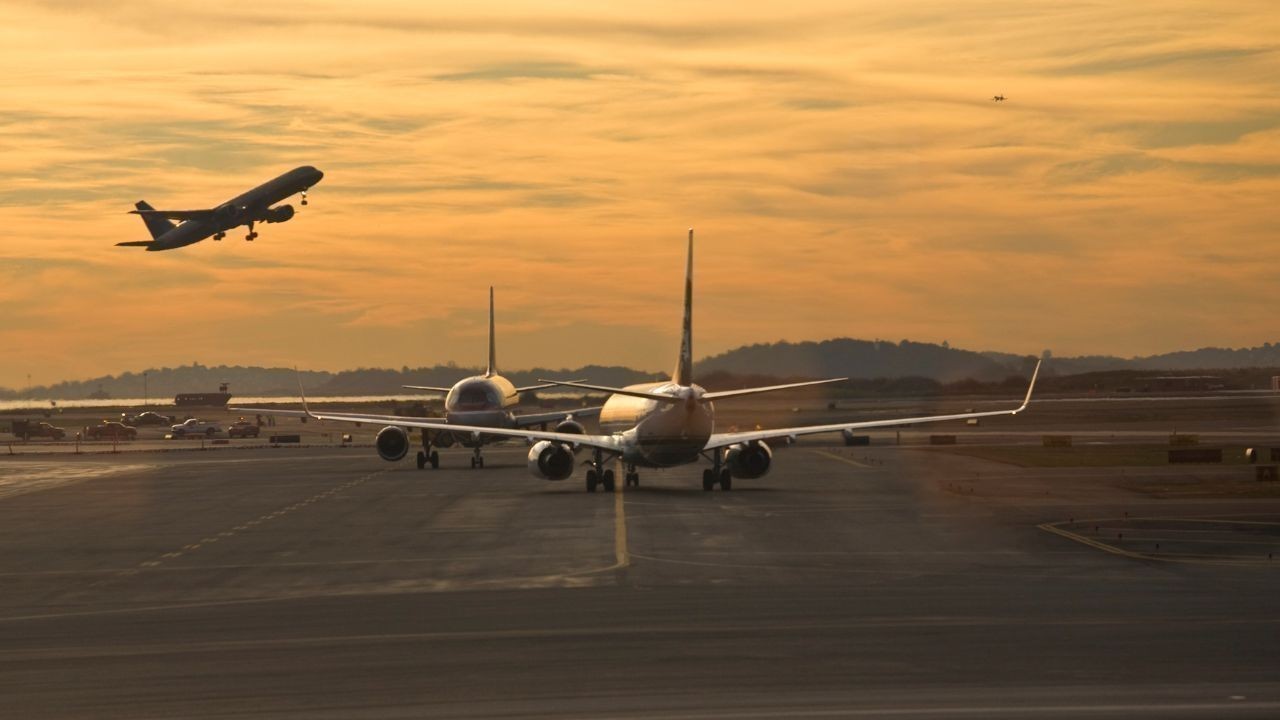
UAE restarts limited flights from Dubai as US-Israel attacks on Iran disrupt regional airspace, forc
Asia Faces Energy Shock After Iran Closes Strait
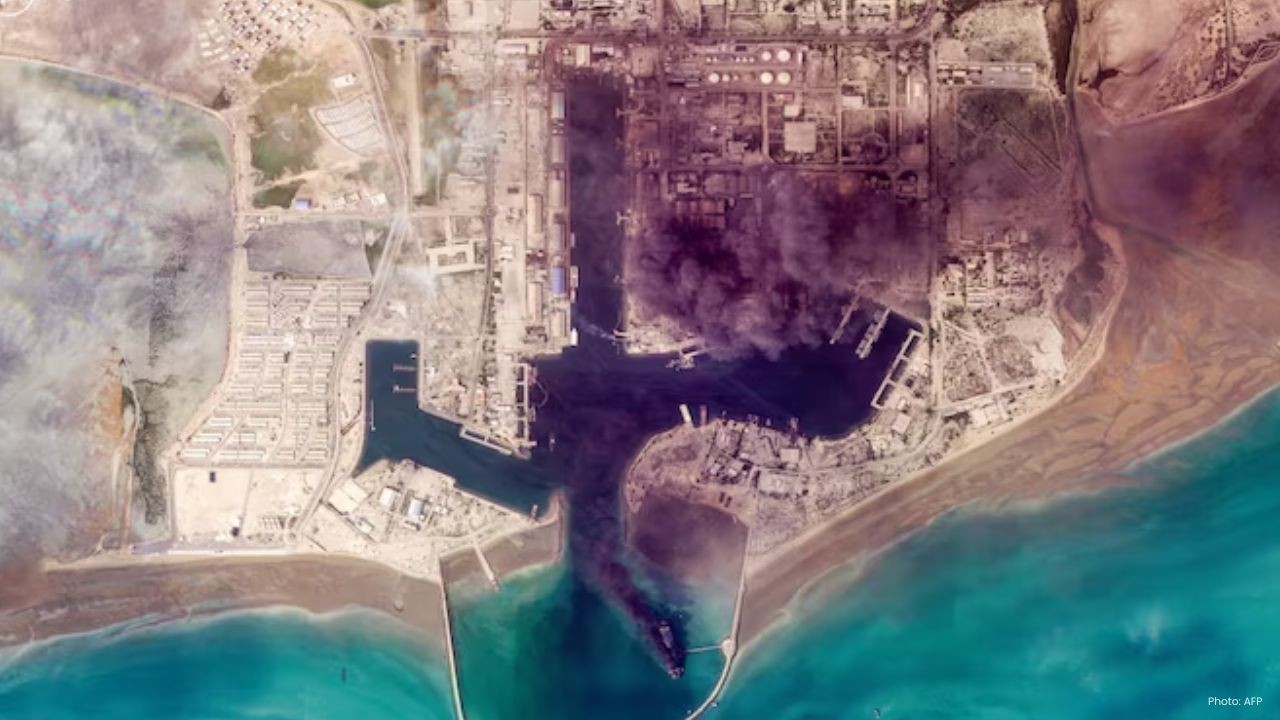
Iran shuts Strait of Hormuz amid US-Israel strikes, sending oil prices higher and raising serious en


Bank of Baroda Faces Abu Dhabi Legal Battle over NMC Collapse
Bank of Baroda’s involvement in Abu Dhabi litigation tied to the NMC Healthcare collapse raises repu

Top Museum Openings of 2026 Set to Transform Global Tourism
From Los Angeles to Abu Dhabi and Brussels, 2026 brings major museum launches—Lucas Museum, Guggenhe

UAE Tour Highlights UAE’s Strength in Hosting Global Sports Events
Abu Dhabi Sports Council says the successful UAE Tour reflects the UAE’s leading role in hosting maj

EU Seeks Clarity from US After Supreme Court IEEPA Ruling
European Commission urges full transparency from the US on steps after Supreme Court ruling, emphasi
SpaceX Launches 53 New Satellites for Expanding Starlink Network
SpaceX launches 53 Starlink satellites in two Falcon 9 missions, breaking reuse records and expandin

RTA Awards Contract for Phase II of Hessa Street Upgrade in Dubai
Phase II of Hessa Street Development to add bridges, tunnel, and upgraded intersections, doubling ca

UAE Gold Prices Today, Monday 16 February 2026: Dubai & Abu Dhabi Updated Rates
Gold prices in UAE on 16 Feb 2026 updated: 24K around AED 599.75/gm, 22K AED 555.25/gm, and 18K AED

Over 25 Ahmedabad Schools Receive Bomb Threat Email, Authorities Investigate
More than 25 schools in Ahmedabad evacuated after bomb threat emails mentioning Khalistan. Authoriti