Post by : Anis Karim
In February 2026, NASA will embark on a transformative journey with Artemis II, the first crewed lunar mission in over fifty years. As a significant leap in our quest for deep-space discovery, this mission aims to establish a sustainable human presence beyond Earth. Unlike prior robotic missions, Artemis II will send astronauts around the Moon, rigorously assessing essential systems and validating our capabilities in deep space.
Beyond its technical aspects, NASA is also offering a unique chance for public involvement, allowing individuals worldwide to send their names aboard the mission. This initiative establishes a connection between global citizens and the remarkable events unfolding in space history.
Artemis II is set for a 10-day crewed lunar flyby, reaching farther from Earth than any human since the Apollo missions. The journey will follow a free-return trajectory, circling the Moon before safely diving back to Earth with a splashdown in the Pacific Ocean close to San Diego.
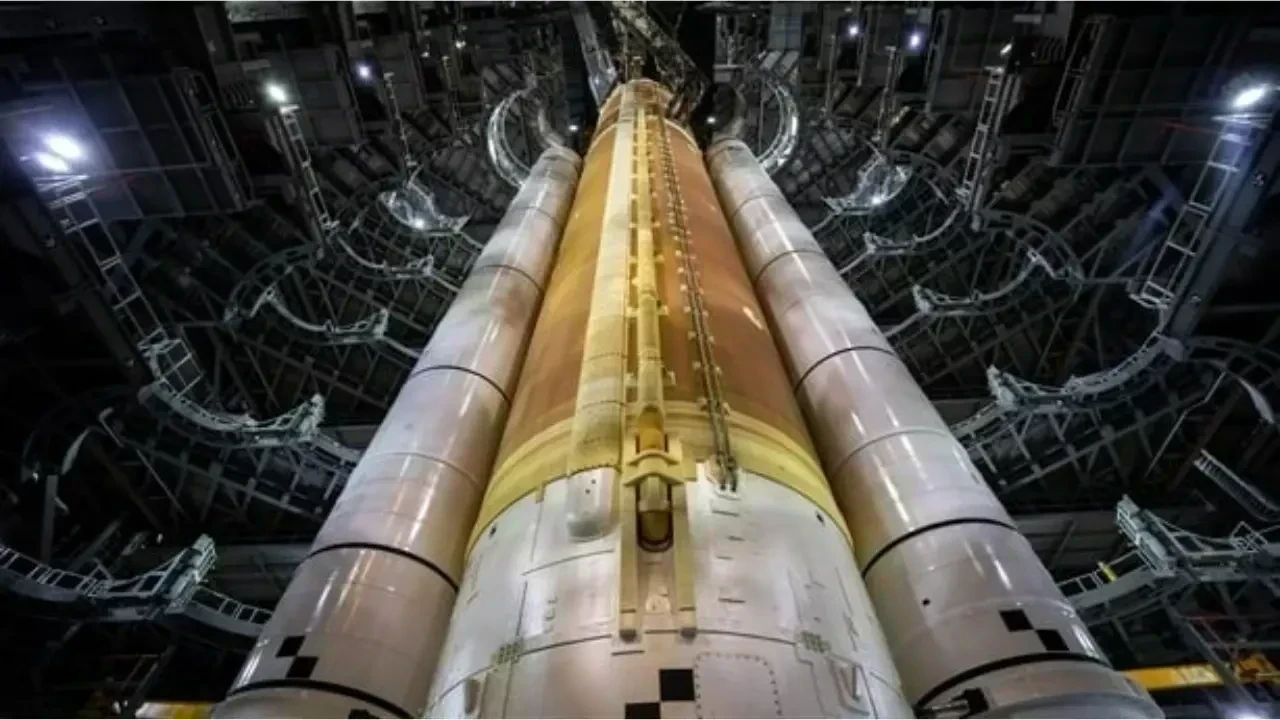
Launch Vehicle: Space Launch System (SLS) Block 1 rocket
Spacecraft: Orion MPCV (Multi-Purpose Crew Vehicle)
Launch Location: Kennedy Space Center, Launch Complex 39B, Florida
Duration: Approximately 10 days
Mission Type: Crewed lunar flyby (no landing)
This flight will evaluate Orion’s life-support, navigational, and communication systems with a human crew on board. It will be the first human venture beyond low Earth orbit since Apollo 17 in 1972.
The Artemis II team comprises four seasoned astronauts:
Reid Wiseman (Commander): Experienced NASA astronaut with a depth of mission knowledge.
Victor Glover (Pilot): The first person of colour to journey beyond low Earth orbit, previously piloted a Crew Dragon mission to the ISS.
Christina Koch (Mission Specialist): A record-setting astronaut with substantial time in space and ISS experience.
Jeremy Hansen (Mission Specialist): A Canadian Space Agency astronaut, marking the first non-American in a NASA lunar mission.
Their mission aims to enhance understanding of human spaceflight and bolster NASA’s objectives for lunar and Martian exploration.
The Artemis program symbolizes NASA’s foremost goal to return humans to the Moon while crafting a sustainable exploration foundation. The preceding Artemis I mission effectively evaluated the SLS rocket and Orion spacecraft in lunar proximity, laying the groundwork for Artemis II. Future tasks, particularly Artemis III, intend to land astronauts, including the first woman and first person of colour, in the Moon's south pole region.
As Artemis II prepares for launch, it reflects technical advancement and signifies humanity's commitment to exploration, innovation, and scientific discovery. This aligns with NASA's broader goals: enhancing scientific knowledge, creating economic opportunities in space, and inspiring upcoming generations to pursue careers in science, technology, engineering, and mathematics.
A key highlight of Artemis II is NASA’s public participation program — a chance for anyone to submit their names to join the mission. These names will be stored digitally on an SD card aboard the Orion spacecraft, which will orbit the Moon during the crewed flight.
This effort continues initiatives from earlier missions where millions sent their names on spacecraft, such as the Mars rovers. Its aim is to not only excite space exploration but also to involve individuals of every age in NASA's venture into outer space.
Joining is easy and complimentary:
Visit NASA’s Official Registration Portal: Go to the “Send Your Name with Artemis II” site hosted by NASA.
Provide Your Information: Fill in your first name, last name, and create a four- to seven-digit PIN.
Download Your Digital Boarding Pass: After registration, acquire a personalized digital boarding pass as a keepsake.
Deadline: Submit your name before January 21, 2026 to be included.
Names will remain aboard Orion during Artemis II's journey, creating a symbolic link between people globally and this monumental mission.
Having one's name associated with a mission exploring beyond Earth resonates with the collective imagination. This initiative transforms passive interest into direct involvement in scientific exploration, encouraging a culture of contemplation and awareness.
While the names printed on an SD card may not influence the mission itself, their significance is profound, representing global participation in humanity's pursuit of knowledge. It marks humanity's journey from the small cadre of early astronauts to a collective group eager to engage with interstellar missions.
Artemis II is vital for assessing Orion’s life-support functions, navigation, and communication with crew members. The spacecraft's capacity to keep astronauts healthy and return safely is critical for agenda-driven lunar landings and ambitious missions to Mars.
The endeavor will also shed light on human adaptability to deep space conditions, including exposure to radiation and microgravity effects on bodily functions. Insights gained will direct the future development of habitats, spacesuits, and protocols for extended-duration missions.
The participation of a Canadian Space Agency astronaut underlines the collaborative aspect of contemporary space endeavors. Cooperation with global space agencies enhances the outcomes of these missions while extending the dividends of discoveries beyond borders. This cooperative spirit anticipates broader involvement in future lunar initiatives and beyond.
Placing humans beyond low Earth orbit involves significant technical hurdles and logistical issues. The mighty Space Launch System (SLS) must perform reliably to elevate Orion on its lunar expedition. Engineers are conducting extensive tests, including a “wet dress rehearsal,” to confirm fueling and countdown protocols ahead of the launch.
Ensuring spacecraft resilience amid launch pressures, radiation threats, and thermal variations necessitates rigorous testing and design. The phased strategy of the Artemis program—beginning with uncrewed trials, then crewed flybys, and ultimately landings—helps mitigate these risks through careful validation of systems and procedures.
Ensuring astronaut well-being and performance in deep space involves challenges such as radiation shielding, psychological health, and medical preparedness—all vital as missions extend in time and distance. Artemis II’s 10-day journey will deliver critical insights on how humans withstand extended exposures in space.
Although Artemis II is not destined to touch down on the Moon, its success is imperative for Artemis III, which aspires to return humans to the lunar surface, especially the Moon's south pole. Lunar exploration promises valuable scientific insight and resource utilization, developing technology beneficial for future Mars missions and beyond.
By successfully demonstrating human travel in deep space, Artemis II builds the confidence required for the spacecraft and operational protocols in future undertakings.
Beyond human exploration, Artemis missions create avenues for scientific investigations of the Moon’s environment, geology, and resources. Learning about lunar water ice, and regolith composition unlocks potential for in-situ resource utilization, a fundamental element to minimize costs and complexities for extended space presence.
The Artemis II mission signifies a pivotal moment in human exploration—an opportunity for astronauts to circle the Moon after over fifty years. Its success will be a landmark achievement for NASA’s Artemis program, paving the way for future lunar landings and deeper cosmic exploration.
Simultaneously, NASA’s “Send Your Name” initiative offers a chance for individuals globally to connect with this extraordinary journey, creating involvement and linking citizens worldwide to our shared journey into space.
As Artemis II approaches its launch, it represents the intersection of scientific ambition, technological prowess, and community aspirations—celebrating past accomplishments while moving confidently toward humanity's future beyond Earth.
Disclaimer:
This article provides a detailed overview of NASA’s Artemis II mission and public participation options based on information available as of January 2026. It is intended for educational purposes and does not represent NASA's official guidance.

US Stocks Slide as AI Fears, Inflation and Oil Surge Weigh
US stocks dropped as AI disruption fears hit tech firms, inflation rose above forecasts, and oil pri

Pacific Prime Wins Top Honors at Cigna Awards 2026
Pacific Prime secured Top Individual Broker and Top SME Broker awards at Cigna’s Annual Broker Award
QatarEnergy Halts LNG Output After Military Attack
QatarEnergy has stopped LNG production after military attacks hit its facilities in Ras Laffan and M

Strong 6.1 Magnitude Earthquake Hits West Sumatra, No Damage
A 6.1 earthquake struck off West Sumatra, Indonesia. No casualties, damage, or tsunami alert reporte

Saudi Confirms Drone Strike on US Embassy Riyadh
Two drones hit the US Embassy in Riyadh, causing a small fire and minor damage. No injuries were rep
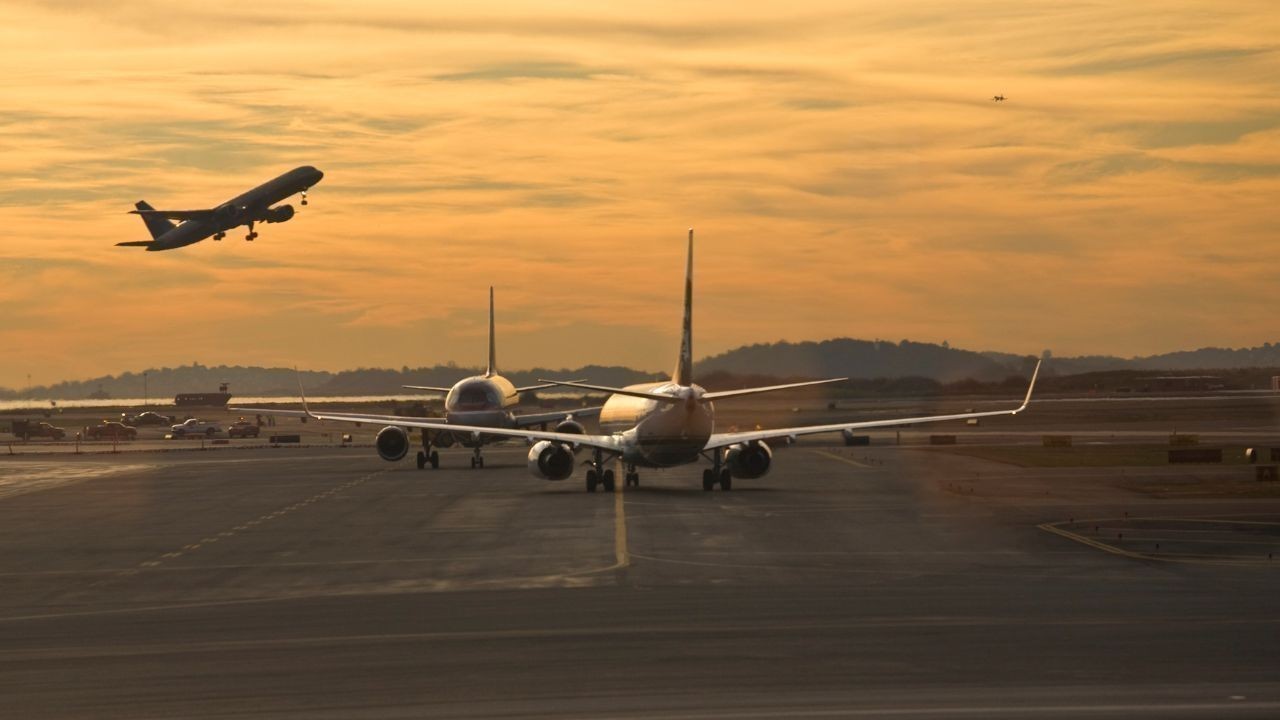
UAE Restarts Limited Flights as Regional Airspace Disruptions Continue
UAE restarts limited flights from Dubai as US-Israel attacks on Iran disrupt regional airspace, forc
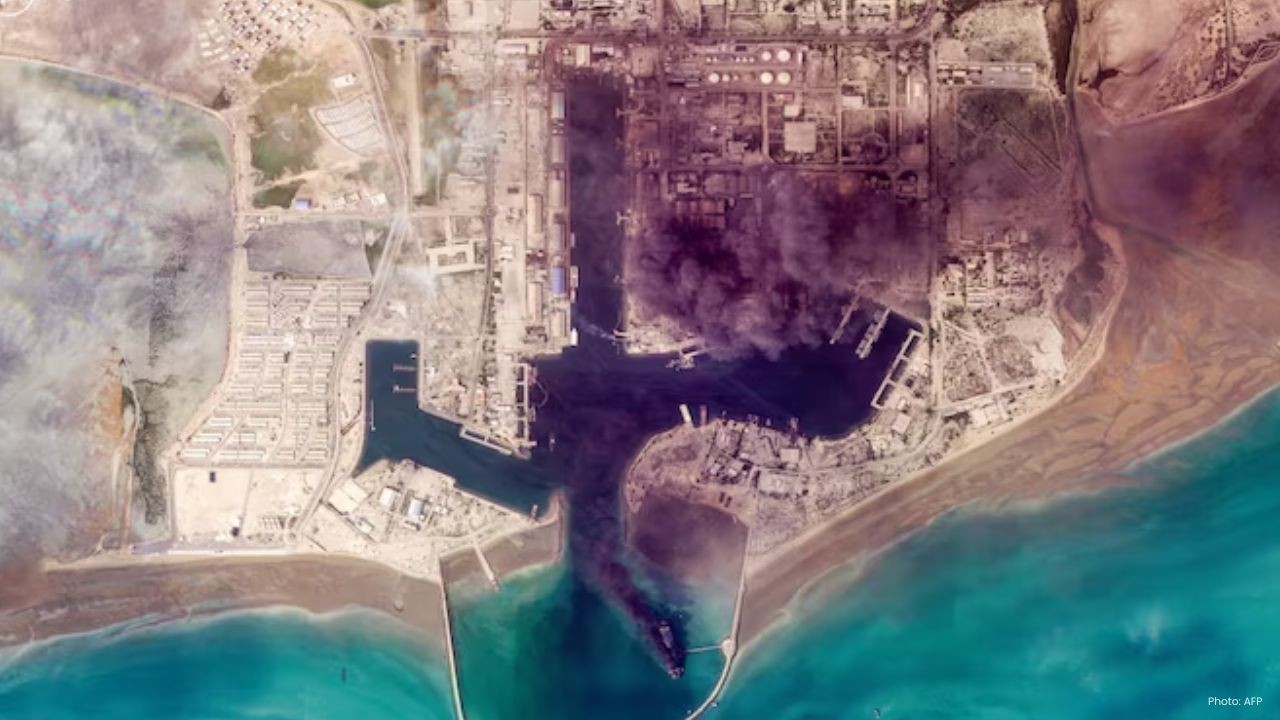
Asia Faces Energy Shock After Iran Closes Strait
Iran shuts Strait of Hormuz amid US-Israel strikes, sending oil prices higher and raising serious en


Bank of Baroda Faces Abu Dhabi Legal Battle over NMC Collapse
Bank of Baroda’s involvement in Abu Dhabi litigation tied to the NMC Healthcare collapse raises repu

Top Museum Openings of 2026 Set to Transform Global Tourism
From Los Angeles to Abu Dhabi and Brussels, 2026 brings major museum launches—Lucas Museum, Guggenhe

UAE Tour Highlights UAE’s Strength in Hosting Global Sports Events
Abu Dhabi Sports Council says the successful UAE Tour reflects the UAE’s leading role in hosting maj

EU Seeks Clarity from US After Supreme Court IEEPA Ruling
European Commission urges full transparency from the US on steps after Supreme Court ruling, emphasi
SpaceX Launches 53 New Satellites for Expanding Starlink Network
SpaceX launches 53 Starlink satellites in two Falcon 9 missions, breaking reuse records and expandin

RTA Awards Contract for Phase II of Hessa Street Upgrade in Dubai
Phase II of Hessa Street Development to add bridges, tunnel, and upgraded intersections, doubling ca

UAE Gold Prices Today, Monday 16 February 2026: Dubai & Abu Dhabi Updated Rates
Gold prices in UAE on 16 Feb 2026 updated: 24K around AED 599.75/gm, 22K AED 555.25/gm, and 18K AED

Over 25 Ahmedabad Schools Receive Bomb Threat Email, Authorities Investigate
More than 25 schools in Ahmedabad evacuated after bomb threat emails mentioning Khalistan. Authoriti