Post by : Anis Karim
As we approach 2026, the landscape of international travel has evolved beyond just obtaining passports and tickets. Health compliance is now fundamental to entering many nations. Authorities, including governments and airlines, are prioritizing vaccination status, health preparedness, and mandatory insurance coverage.
The Covid-19 pandemic has significantly altered how countries manage border crossings. Although emergency measures may have lessened, the frameworks established during that period are firmly entrenched. Health checks, digital verification, and proof of insurance have become standard requirements for travelers.
Neglecting health regulations can lead to situations including boarding denials, entry rejections, mandatory quarantines, or unexpected medical expenses while abroad.
Certain vaccinations are legally necessary for entry into specific countries, irrespective of the traveler’s nationality. These stipulations are strictly enforced at border checkpoints.
Among the most common mandatory vaccines is the Yellow Fever shot, required by numerous African and South American countries. Travelers coming from or passing through high-risk areas must possess an International Certificate of Vaccination, often referred to as the yellow card.
Failure to present valid documentation may result in:
Denial of entry
Mandatory quarantine at the traveler's expense
On-the-spot vaccinations at the airport
While most regions have phased out immediate Covid-19 measures, vaccination status continues to be significant in certain parts of Asia and the Middle East, particularly for long-term visas.
Travelers might be required to show:
Verification of full vaccination for work, study, or residency permits
Booster vaccinations for older travelers or those with weakened immune systems
Health declarations during health surges or outbreaks
Airlines may also enforce their health protocols, separate from government requirements.
While many vaccinations are not legally required, they are strongly advised by health authorities to safeguard travelers.
These commonly include:
Hepatitis A and B
Typhoid
Tetanus
Rabies (for extended stays or rural expeditions)
Japanese Encephalitis (specific to Asian regions)
Health organizations like the World Health Organization and the Centers for Disease Control and Prevention provide up-to-date recommendations regarding vaccinations for different destinations.
Numerous countries now mandate travelers to submit digital health forms prior to arrival, which may include:
Recent travel histories
Vaccination proofs
Self-assessment health forms
These systems help authorities track and manage potential health risks efficiently.
Not completing these forms appropriately may result in delays at immigration or potential fines.
Several nations accept digital vaccination certificates linked to government or airline systems. However, not all border control authorities accept screenshots or unofficial applications.
Travelers are advised to:
Carry physical copies of vaccination certificates
Confirm names on documents match passport details
Investigate acceptable formats before departing
By 2026, obtaining travel insurance is essential for entering numerous destinations, particularly across Europe, the Middle East, and parts of Asia.
Governments impose insurance mandates to ensure:
Travelers can afford medical services
Public healthcare systems are preserved
Emergency evacuations are adequately covered
For instance, the Schengen zone specifies minimum medical coverage mandates as part of the visa application process.
A standard insurance plan may not suffice. Most nations now seek policies that cover:
Medical emergencies
In-patient stays
Emergency evacuations
Repatriation of remains
Covid-19 related medical coverage
Some destinations may also require coverage for adventure sports or other high-risk activities.
Countless travelers may inadvertently invalidate their insurance due to:
Selecting policies with inadequate coverage
Overlooking pre-existing condition exclusions
Failing to disclose adventure endeavors
Believing credit card offerings are sufficient
Medical care abroad can be prohibitively expensive, especially in North America, Europe, and certain regions of East Asia.
While widespread screening has diminished, random health checks at international airports still take place, particularly during outbreaks involving:
Influenza
Mpox
Dengue
Recent Covid variants
Travelers exhibiting symptoms may need to:
Undergo medical evaluations
Be temporarily isolated
Provide health documentation
While mandatory quarantine practices are less common, they can be instituted quickly amid health emergencies. Travelers should remain updated on destination advisory notices before their trips.
Some nations may impose:
Hotel quarantines
Home isolation
Daily health status reports
Travelers seeking employment, education, or residency will face stricter standards.
These may comprise:
Chest X-rays
Blood examinations
Medical fitness confirmations
Vaccination documentation
Middle Eastern countries, in particular, enforce strict health protocols for long-term visas.
Senior travelers may experience:
Increased insurance rates
Additional vaccination recommendations
Fitness assessments to travel
Certain airlines may demand medical clearance for travelers with ongoing health issues.
Traveling while pregnant requires awareness of:
Restrictions on specific vaccines
Insurance policies that may limit coverage post certain gestation periods
Doctor clearance requirements from airlines
Consult a specialist in travel medicine
Understand vaccine requirements for your destinations
Initiate vaccination schedules
Finalise any needed insurance policies
Acquire health form downloads
Organize medical documentation
Have both printed and digital health documents available
Pack prescriptions along with dispensing information
Ensure emergency contact information is easily accessible
Neglecting to adhere to health standards could result in:
Travelers being barred from flights
Refused entry by immigration officials
Mandatory quarantine at the traveler’s cost
Substantial medical charges while overseas
Such consequences frequently result in costs that far exceed those of proactive planning.
Health regulations are no longer seen as temporary. They have truly become part of global travel infrastructure, akin to passports and visas.
Countries view health preparedness as a vital issue relating to national security and economic stability. For travelers, compliance facilitates:
Effortless entry
Safer travel experiences
Financial safeguards
As we head into 2026, international travel necessitates heightened levels of scrutiny and preparation. Vaccinations, health declarations, and travel insurance have evolved into essential elements rather than optional enhancements.
Those who navigate these health requirements effectively will not only sidestep disruptions but also shield themselves from significant financial and health-related challenges. In an age where global mobility and health consciousness shape travel norms, being well-informed is the best tool a traveler can possess.
Disclaimer: Health regulations, vaccine requirements, and insurance policies can vary between countries and are subject to change. It is imperative for travelers to confirm information with official government and embassy sources prior to making travel arrangements.

US Stocks Slide as AI Fears, Inflation and Oil Surge Weigh
US stocks dropped as AI disruption fears hit tech firms, inflation rose above forecasts, and oil pri

Pacific Prime Wins Top Honors at Cigna Awards 2026
Pacific Prime secured Top Individual Broker and Top SME Broker awards at Cigna’s Annual Broker Award

QatarEnergy Halts LNG Output After Military Attack
QatarEnergy has stopped LNG production after military attacks hit its facilities in Ras Laffan and M

Strong 6.1 Magnitude Earthquake Hits West Sumatra, No Damage
A 6.1 earthquake struck off West Sumatra, Indonesia. No casualties, damage, or tsunami alert reporte

Saudi Confirms Drone Strike on US Embassy Riyadh
Two drones hit the US Embassy in Riyadh, causing a small fire and minor damage. No injuries were rep

UAE Restarts Limited Flights as Regional Airspace Disruptions Continue
UAE restarts limited flights from Dubai as US-Israel attacks on Iran disrupt regional airspace, forc
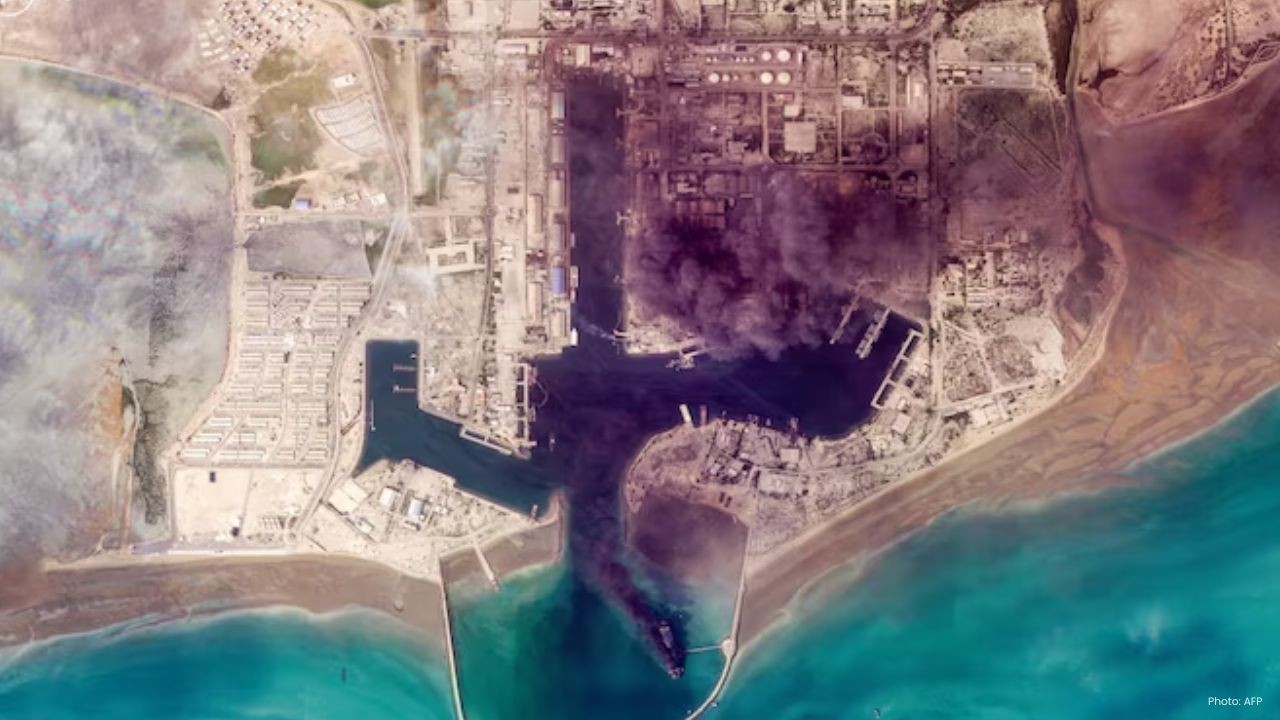
Asia Faces Energy Shock After Iran Closes Strait
Iran shuts Strait of Hormuz amid US-Israel strikes, sending oil prices higher and raising serious en


Bank of Baroda Faces Abu Dhabi Legal Battle over NMC Collapse
Bank of Baroda’s involvement in Abu Dhabi litigation tied to the NMC Healthcare collapse raises repu

Top Museum Openings of 2026 Set to Transform Global Tourism
From Los Angeles to Abu Dhabi and Brussels, 2026 brings major museum launches—Lucas Museum, Guggenhe

UAE Tour Highlights UAE’s Strength in Hosting Global Sports Events
Abu Dhabi Sports Council says the successful UAE Tour reflects the UAE’s leading role in hosting maj
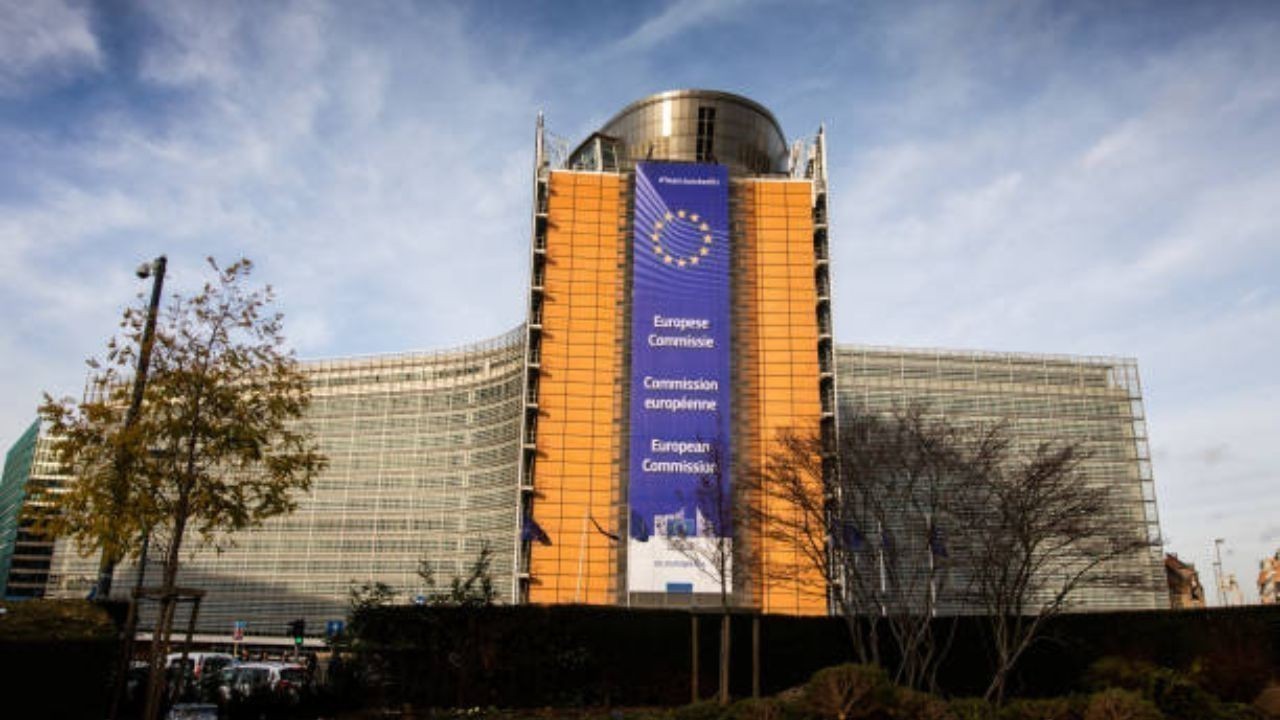
EU Seeks Clarity from US After Supreme Court IEEPA Ruling
European Commission urges full transparency from the US on steps after Supreme Court ruling, emphasi

SpaceX Launches 53 New Satellites for Expanding Starlink Network
SpaceX launches 53 Starlink satellites in two Falcon 9 missions, breaking reuse records and expandin

RTA Awards Contract for Phase II of Hessa Street Upgrade in Dubai
Phase II of Hessa Street Development to add bridges, tunnel, and upgraded intersections, doubling ca

UAE Gold Prices Today, Monday 16 February 2026: Dubai & Abu Dhabi Updated Rates
Gold prices in UAE on 16 Feb 2026 updated: 24K around AED 599.75/gm, 22K AED 555.25/gm, and 18K AED

Over 25 Ahmedabad Schools Receive Bomb Threat Email, Authorities Investigate
More than 25 schools in Ahmedabad evacuated after bomb threat emails mentioning Khalistan. Authoriti