Post by : Sam Jeet Rahman
Environmental changes are no longer distant warnings discussed only in reports or global conferences. They are visible, measurable, and deeply felt in everyday life. From the food we eat and the air we breathe to how we work, travel, and stay healthy, environmental shifts are reshaping daily routines across the world. What makes these changes more concerning is that many of them happen gradually, making their impact easy to ignore—until they become unavoidable.
This article explains the key environmental changes affecting daily life, how they show up in simple routines, and why understanding them is essential for individuals, families, and communities.
One of the most noticeable environmental changes is the steady rise in global and local temperatures.
Increased heat exhaustion and dehydration
Higher electricity bills due to cooling needs
Reduced productivity in outdoor and physical jobs
Sleep disturbances due to warmer nights
Heat waves now last longer and occur more frequently, affecting not just comfort but also health and economic stability.
Elderly individuals, children, outdoor workers, and people with chronic illnesses are at higher risk of heat-related complications. Daily schedules are increasingly adjusted to avoid peak heat hours.
Air pollution has become a silent daily health threat, even in cities previously considered safe.
Vehicle emissions
Construction dust
Industrial pollutants
Wildfires and crop burning
Increased allergies and asthma cases
Eye irritation and headaches
Reduced outdoor activity
Greater dependence on air purifiers and masks
Poor air quality directly affects work efficiency, school attendance, and healthcare costs.
Rainfall has become unpredictable—either excessive or insufficient.
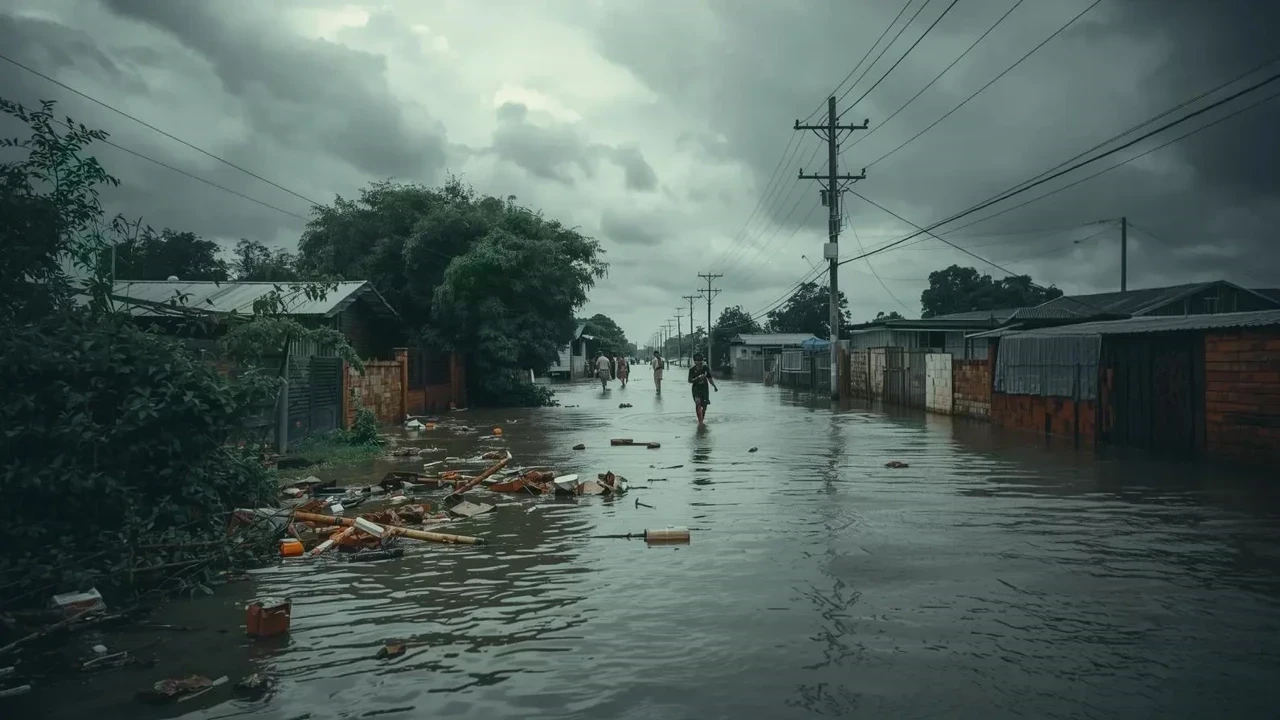
Urban flooding disrupting transport
Water shortages during dry spells
Damage to roads and infrastructure
Higher water storage and purification costs
Daily routines such as commuting, household water use, and sanitation planning are now influenced by water availability.
Environmental degradation has affected both surface and groundwater quality.
Increased use of water filters
Higher bottled water consumption
Concerns over contamination and health risks
Rising household expenses
Access to clean water is no longer guaranteed in many regions, turning a basic necessity into a daily concern.
Environmental changes are altering how food is grown, transported, and priced.
Crop failures due to heat or floods
Reduced nutritional quality of produce
Increased dependence on imports
Rising food prices
These changes affect daily meal planning, nutrition, and household budgets.
Seasons are becoming less predictable.
Uncertain clothing needs
Health issues from sudden temperature shifts
Agricultural planning challenges
Increased illness during seasonal transitions
People now experience multiple weather extremes within short periods, affecting physical and mental well-being.
Environmental uncertainty contributes to chronic psychological stress.
Anxiety related to extreme weather
Stress from rising living costs
Fear of long-term environmental instability
Reduced sense of safety
This form of stress, often called environmental or climate anxiety, affects concentration, sleep, and emotional balance.
Extreme weather is no longer rare.
Flooded streets and damaged homes
Power outages
Disrupted internet and communication
Emergency evacuations
These events interrupt work, education, healthcare access, and daily mobility.
Cities are especially vulnerable to environmental changes.
Heat islands increasing local temperatures
Drainage systems overwhelmed by heavy rain
Reduced green spaces
Higher pollution exposure
Daily life in cities now requires adaptive planning, from commute timing to housing choices.
Environmental changes directly influence energy demand.
Higher electricity usage
Increased fuel costs
Greater interest in energy-efficient appliances
Shift toward renewable energy options
Households are becoming more conscious of energy use as costs and reliability fluctuate.
Environmental pressure has increased awareness around waste.
Increased waste segregation
Reduced plastic usage
Shift toward reusable products
Community recycling efforts
Daily choices now carry environmental consequences that many people actively consider.
Environmental changes increase exposure to health risks.
Heat-related illnesses
Waterborne diseases
Respiratory infections
Skin conditions
Healthcare routines and preventive measures have become part of everyday life.
Environmental factors influence how people move.
Road damage from flooding
Increased fuel consumption
Shift toward public transport or electric vehicles
Travel delays due to weather conditions
Mobility planning now includes environmental considerations.
Environmental changes affect work environments.
Reduced productivity during extreme heat
Increased sick leaves
Remote work adoption during environmental disruptions
Infrastructure adaptation costs
Employers and employees must adapt work structures to changing conditions.
Not everyone is affected equally.
Limited access to clean air and water
Higher exposure in low-income areas
Fewer resources for adaptation
Environmental changes often widen social and economic gaps, making daily survival harder for vulnerable populations.
People are adjusting routines in small but meaningful ways.
Monitoring weather forecasts closely
Adjusting meal choices
Investing in health and safety tools
Supporting sustainable products
Adaptation has become part of daily decision-making.
Understanding environmental changes helps people respond effectively rather than react emotionally.
Awareness allows:
Better planning
Health protection
Financial preparedness
Community cooperation
Ignoring these changes increases long-term risk.
Environmental changes will continue to influence daily living patterns. The goal is not panic, but preparedness, resilience, and informed choices. Small adjustments today can reduce stress and improve quality of life tomorrow.
Environmental changes are shaping daily life quietly but powerfully. From health and food to work and mental well-being, their impact is deeply personal. Recognizing these shifts helps individuals adapt, protect themselves, and make choices that support both personal stability and environmental balance.
This article is intended for general informational and educational purposes only. Environmental impacts vary by location, lifestyle, and individual circumstances. The content does not replace professional environmental, medical, or policy advice. Readers are encouraged to seek expert guidance for region-specific or health-related concerns.

US Stocks Slide as AI Fears, Inflation and Oil Surge Weigh
US stocks dropped as AI disruption fears hit tech firms, inflation rose above forecasts, and oil pri

Pacific Prime Wins Top Honors at Cigna Awards 2026
Pacific Prime secured Top Individual Broker and Top SME Broker awards at Cigna’s Annual Broker Award

QatarEnergy Halts LNG Output After Military Attack
QatarEnergy has stopped LNG production after military attacks hit its facilities in Ras Laffan and M
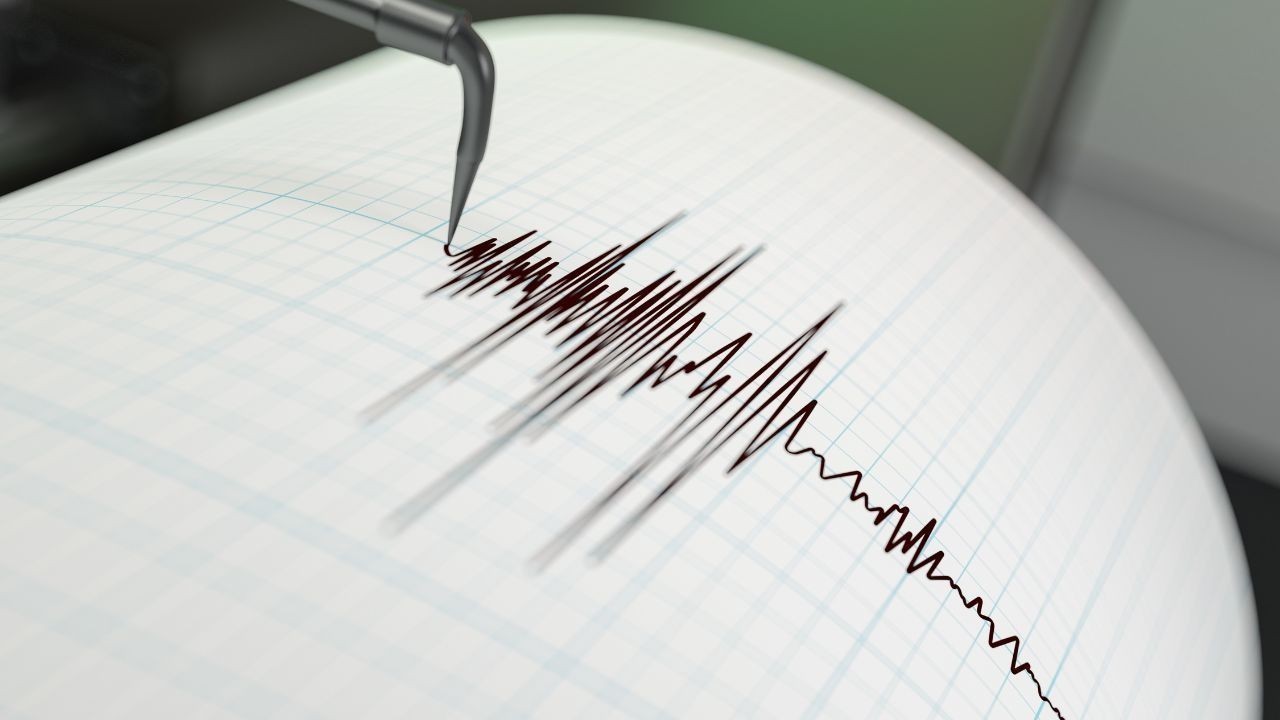
Strong 6.1 Magnitude Earthquake Hits West Sumatra, No Damage
A 6.1 earthquake struck off West Sumatra, Indonesia. No casualties, damage, or tsunami alert reporte
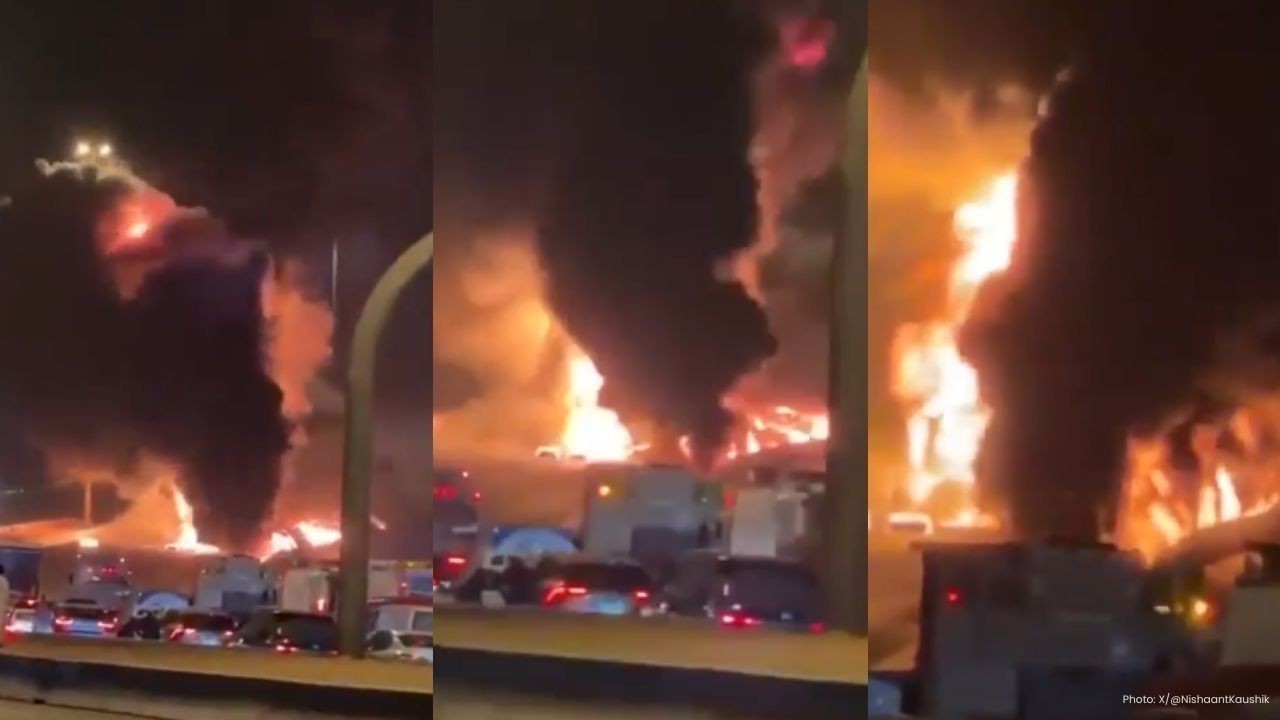
Saudi Confirms Drone Strike on US Embassy Riyadh
Two drones hit the US Embassy in Riyadh, causing a small fire and minor damage. No injuries were rep
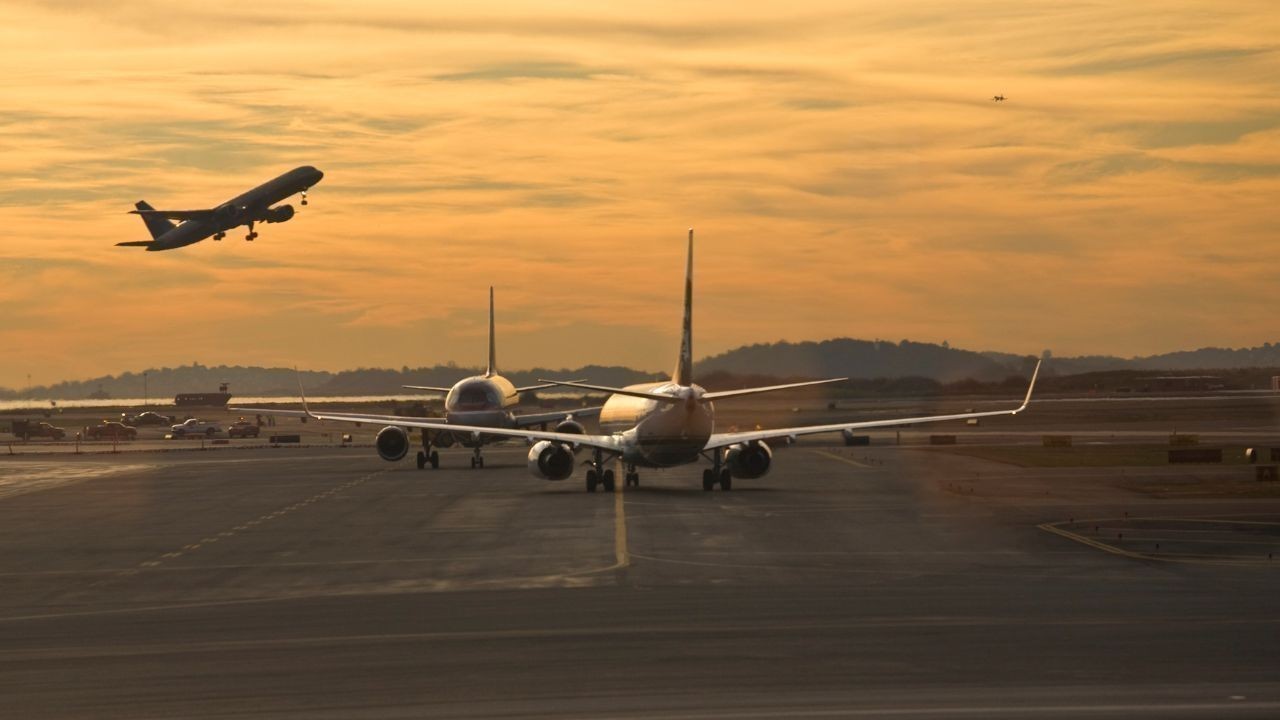
UAE Restarts Limited Flights as Regional Airspace Disruptions Continue
UAE restarts limited flights from Dubai as US-Israel attacks on Iran disrupt regional airspace, forc
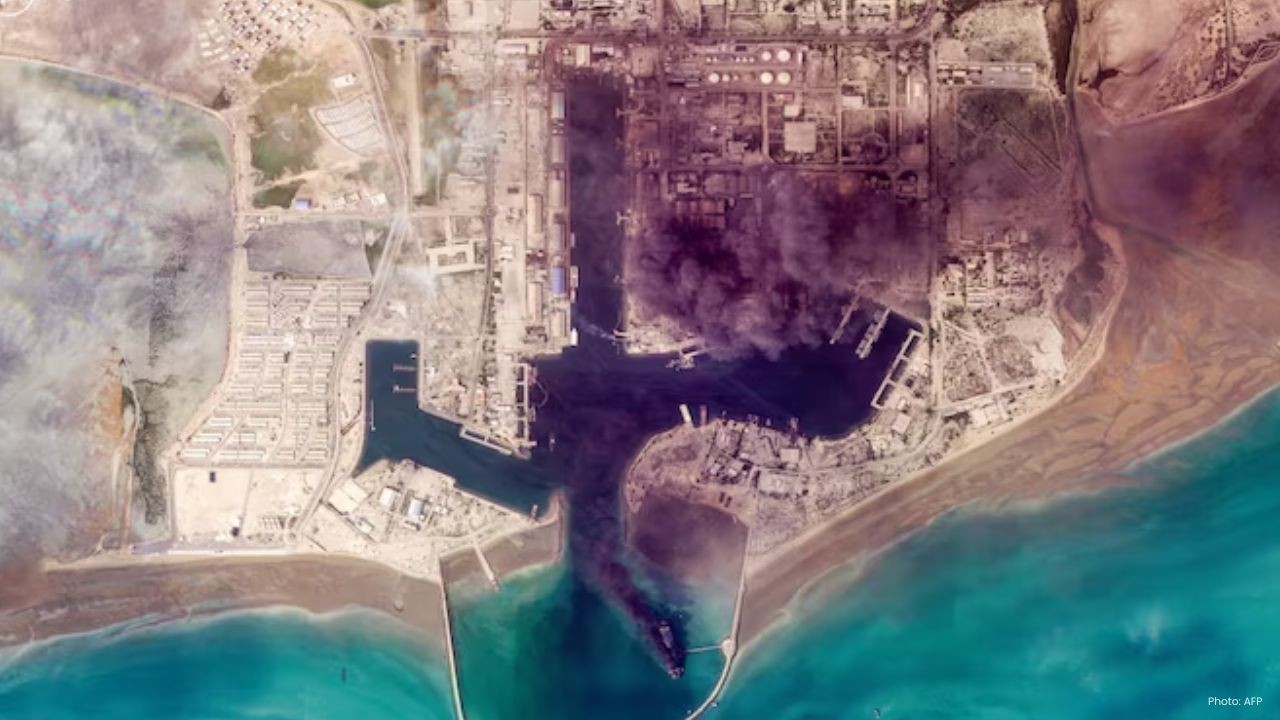
Asia Faces Energy Shock After Iran Closes Strait
Iran shuts Strait of Hormuz amid US-Israel strikes, sending oil prices higher and raising serious en


Bank of Baroda Faces Abu Dhabi Legal Battle over NMC Collapse
Bank of Baroda’s involvement in Abu Dhabi litigation tied to the NMC Healthcare collapse raises repu

Top Museum Openings of 2026 Set to Transform Global Tourism
From Los Angeles to Abu Dhabi and Brussels, 2026 brings major museum launches—Lucas Museum, Guggenhe

UAE Tour Highlights UAE’s Strength in Hosting Global Sports Events
Abu Dhabi Sports Council says the successful UAE Tour reflects the UAE’s leading role in hosting maj
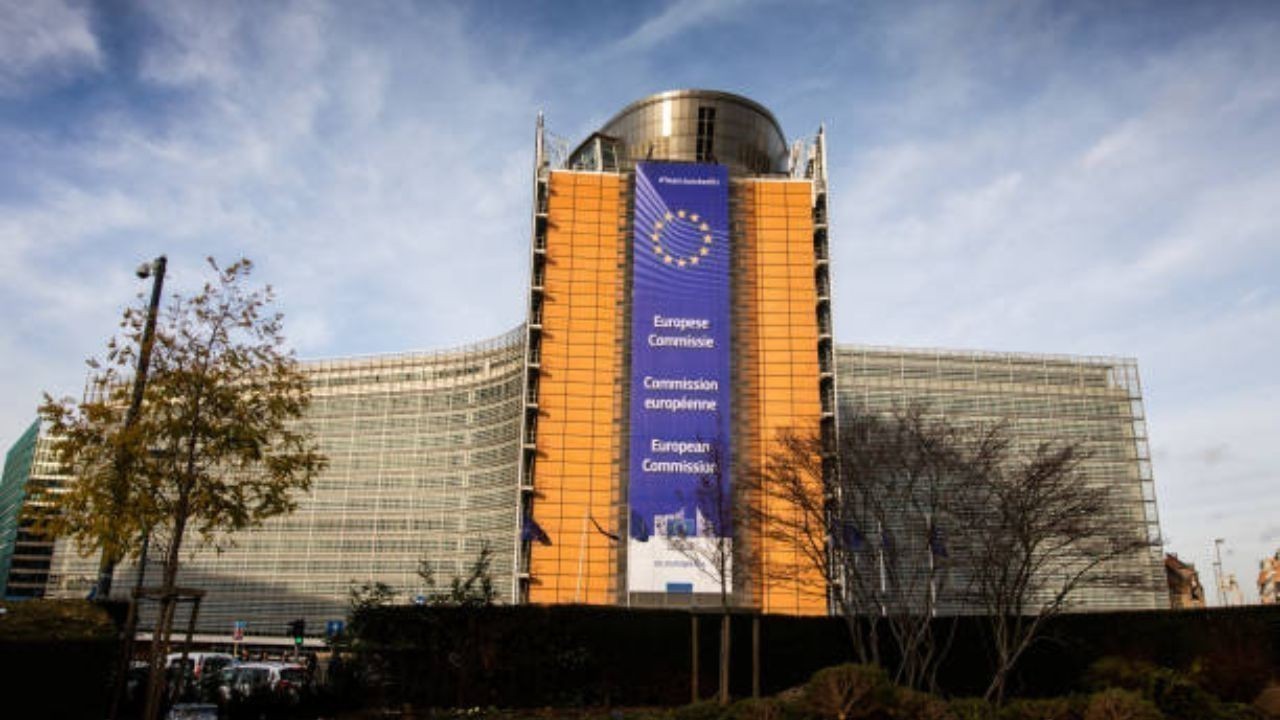
EU Seeks Clarity from US After Supreme Court IEEPA Ruling
European Commission urges full transparency from the US on steps after Supreme Court ruling, emphasi
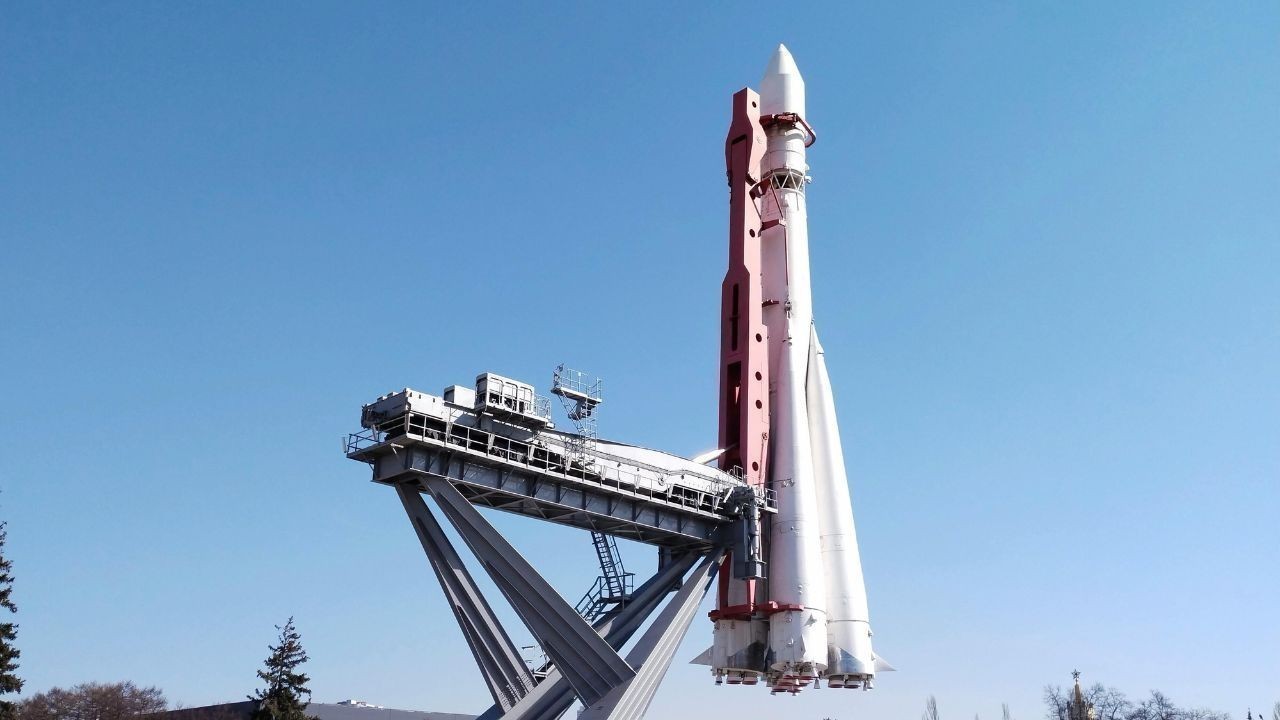
SpaceX Launches 53 New Satellites for Expanding Starlink Network
SpaceX launches 53 Starlink satellites in two Falcon 9 missions, breaking reuse records and expandin

RTA Awards Contract for Phase II of Hessa Street Upgrade in Dubai
Phase II of Hessa Street Development to add bridges, tunnel, and upgraded intersections, doubling ca

UAE Gold Prices Today, Monday 16 February 2026: Dubai & Abu Dhabi Updated Rates
Gold prices in UAE on 16 Feb 2026 updated: 24K around AED 599.75/gm, 22K AED 555.25/gm, and 18K AED

Over 25 Ahmedabad Schools Receive Bomb Threat Email, Authorities Investigate
More than 25 schools in Ahmedabad evacuated after bomb threat emails mentioning Khalistan. Authoriti