Post by : Sam Jeet Rahman
Work culture rarely collapses overnight. Long before productivity drops, resignations increase, or engagement surveys show red flags, employees sense subtle cultural shifts that leaders often miss. These early signals appear in daily behavior, communication patterns, and emotional tone—not in reports or dashboards.
Understanding these signals is critical because culture issues are easiest to fix when they are still small. This article explains the early work culture warning signs employees notice first, why leaders overlook them, and how these signals quietly shape retention, performance, and trust.
Employees experience culture at ground level. They feel how decisions affect workloads, morale, respect, and fairness in real time.
Leaders, on the other hand, often see culture through:
Metrics and KPIs
Formal meetings
Filtered feedback
Success-focused narratives
This gap means cultural erosion usually becomes visible to leadership months too late.
One of the earliest signals employees notice is a change in how people communicate.
Messages become more transactional
Fewer explanations behind decisions
Increased use of urgency language
Reduced empathy in emails or chats
Communication may still be frequent, but it feels colder and more directive.
Leaders often see this as efficiency or speed, not realizing that tone affects psychological safety.
Meetings are cultural mirrors.
Fewer people speak up
The same voices dominate discussions
Questions are framed cautiously
Silence replaces disagreement
Employees begin to self-censor long before leaders notice engagement loss.
Fear of being judged, ignored, or penalized. Innovation and honesty decline quietly.
Workload issues are often invisible on paper.
Tasks added without removing others
“Quick requests” becoming routine
Urgent deadlines becoming normal
Recovery time disappearing
Employees feel stretched, even if output appears stable.
Results still get delivered—until burnout appears suddenly and intensely.
Healthy cultures have informal human interactions.
Fewer casual check-ins
Reduced laughter or light conversation
Teams stick strictly to task-related talk
People log off immediately after meetings
This signals emotional disengagement.
Belonging disappears before performance drops. Employees disconnect emotionally before resigning physically.
Feedback style reveals culture health.
Feedback becomes delayed or vague
Only negative feedback gets attention
Appreciation becomes rare
Feedback feels personal instead of developmental
Employees feel evaluated, not supported.
Leaders may believe less feedback equals autonomy, while employees interpret it as disinterest or avoidance.
Ownership disappears quietly.
Employees avoid volunteering
“That’s not my role” appears more often
Initiative drops
Innovation slows
This is not laziness—it is self-protection.
When effort is not recognized or mistakes are punished, people minimize risk.
Compliance without commitment is dangerous.
Tasks are completed exactly as asked
No suggestions or improvements
Minimal emotional investment
“Just doing my job” mindset
Employees are present but not engaged.
Compliance looks like control and efficiency—but it signals cultural fatigue.
Culture issues spread horizontally before vertically.
Blame shifting between departments
Information hoarding
Reduced collaboration
Defensive communication
Teams stop trusting each other when leadership alignment feels unclear.
Silos form long before leaders see organizational friction.
Employees pay attention to what leaders do, not what they say.
Values promoted but not practiced
Exceptions made for certain people
Performance rewarded at the cost of behavior
Ethics bent under pressure
This creates quiet cynicism.
Once credibility is lost, trust becomes extremely hard to rebuild.
Silence is not satisfaction.
Constant mental fatigue
Low enthusiasm
Reduced patience
Emotional detachment
Employees often stop complaining when they stop believing change is possible.
“No complaints” is mistaken for stability.
Language reveals loyalty.
“They” instead of “we”
Neutral or distant tone
Avoidance of pride-based language
Less advocacy outside the organization
This shift happens internally long before employer brand damage appears externally.
Healthy cultures encourage growth.
Employees ask fewer career questions
Learning slows
Risk-taking declines
Survival mindset dominates
People focus on staying safe instead of developing.
Several factors delay leadership awareness:
Power distance limits honest feedback
Middle layers filter information
Success metrics hide cultural decay
Leaders equate silence with alignment
By the time surveys show issues, emotional disengagement has already occurred.
Watch how people interact, not just what they deliver.
Casual conversations often reveal more than formal reports.
Make disagreement safe and visible.
Early action prevents major cultural damage.
Culture does not fail loudly—it fails quietly. Metrics lag behind emotion, trust, and engagement. Employees sense decline long before productivity falls or attrition rises.
Organizations that respond early:
Retain top talent
Maintain innovation
Build long-term trust
Avoid sudden culture crises
Employees feel culture every day. Leaders shape it, but employees live it. The gap between these perspectives determines whether a company thrives or struggles silently.
The strongest leaders are not the ones who react to exits—they are the ones who notice discomfort before resignation letters appear.
This article is intended for general informational and educational purposes only. Workplace culture experiences may vary based on organization size, leadership style, industry, and individual perspectives. The insights shared here should not be considered legal, HR, or organizational consulting advice. For workplace-specific concerns, consult qualified professionals.

US Stocks Slide as AI Fears, Inflation and Oil Surge Weigh
US stocks dropped as AI disruption fears hit tech firms, inflation rose above forecasts, and oil pri

Pacific Prime Wins Top Honors at Cigna Awards 2026
Pacific Prime secured Top Individual Broker and Top SME Broker awards at Cigna’s Annual Broker Award
QatarEnergy Halts LNG Output After Military Attack
QatarEnergy has stopped LNG production after military attacks hit its facilities in Ras Laffan and M
Strong 6.1 Magnitude Earthquake Hits West Sumatra, No Damage
A 6.1 earthquake struck off West Sumatra, Indonesia. No casualties, damage, or tsunami alert reporte
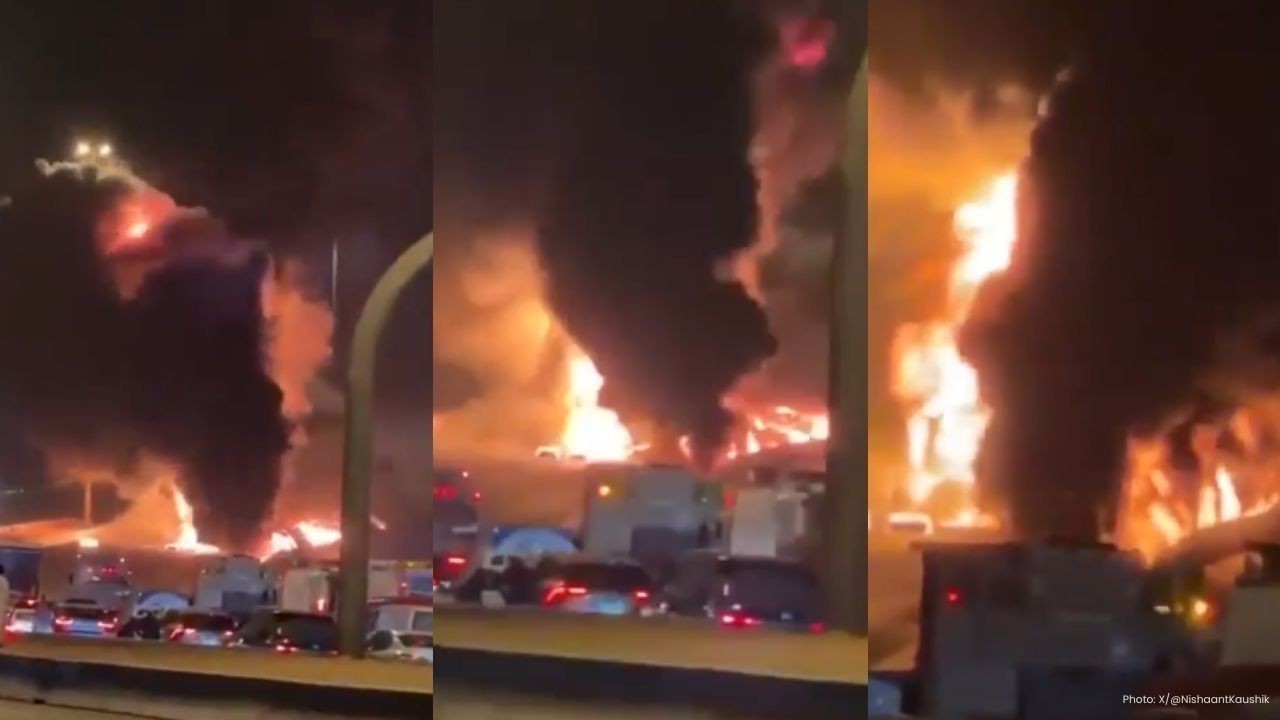
Saudi Confirms Drone Strike on US Embassy Riyadh
Two drones hit the US Embassy in Riyadh, causing a small fire and minor damage. No injuries were rep

UAE Restarts Limited Flights as Regional Airspace Disruptions Continue
UAE restarts limited flights from Dubai as US-Israel attacks on Iran disrupt regional airspace, forc
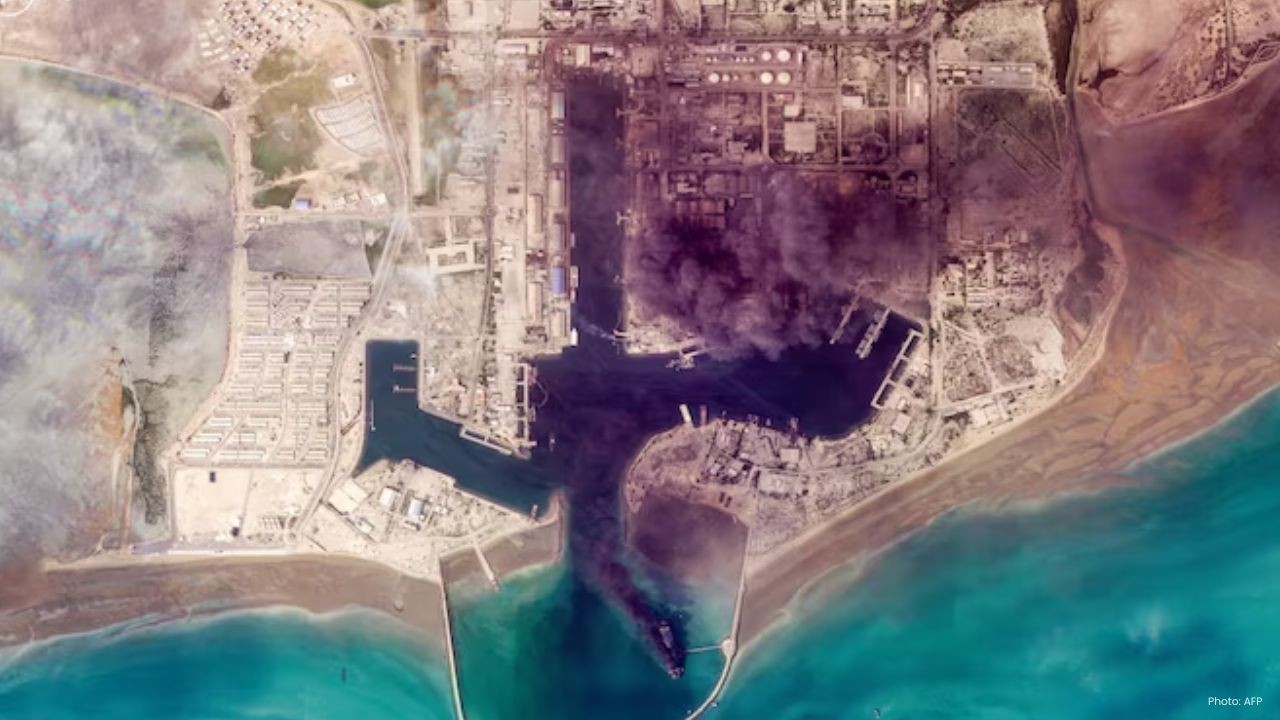
Asia Faces Energy Shock After Iran Closes Strait
Iran shuts Strait of Hormuz amid US-Israel strikes, sending oil prices higher and raising serious en

Bank of Baroda Faces Abu Dhabi Legal Battle over NMC Collapse
Bank of Baroda’s involvement in Abu Dhabi litigation tied to the NMC Healthcare collapse raises repu

Top Museum Openings of 2026 Set to Transform Global Tourism
From Los Angeles to Abu Dhabi and Brussels, 2026 brings major museum launches—Lucas Museum, Guggenhe

UAE Tour Highlights UAE’s Strength in Hosting Global Sports Events
Abu Dhabi Sports Council says the successful UAE Tour reflects the UAE’s leading role in hosting maj
EU Seeks Clarity from US After Supreme Court IEEPA Ruling
European Commission urges full transparency from the US on steps after Supreme Court ruling, emphasi
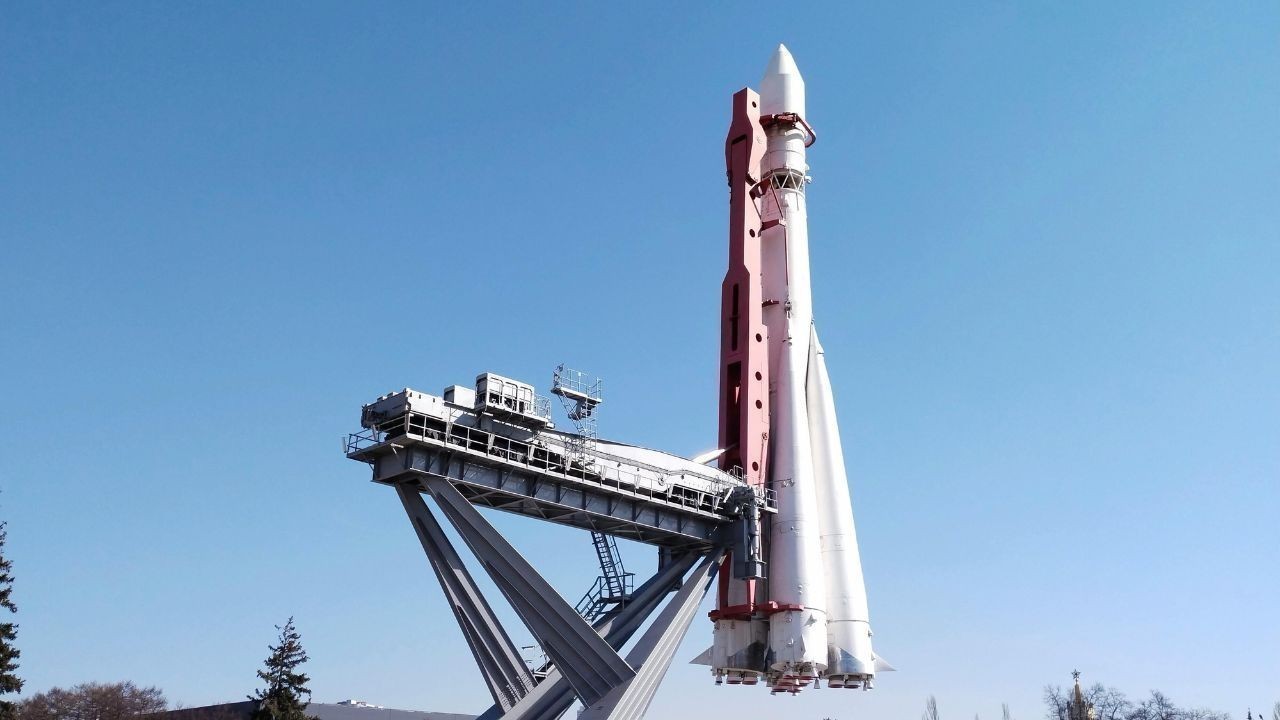
SpaceX Launches 53 New Satellites for Expanding Starlink Network
SpaceX launches 53 Starlink satellites in two Falcon 9 missions, breaking reuse records and expandin

RTA Awards Contract for Phase II of Hessa Street Upgrade in Dubai
Phase II of Hessa Street Development to add bridges, tunnel, and upgraded intersections, doubling ca
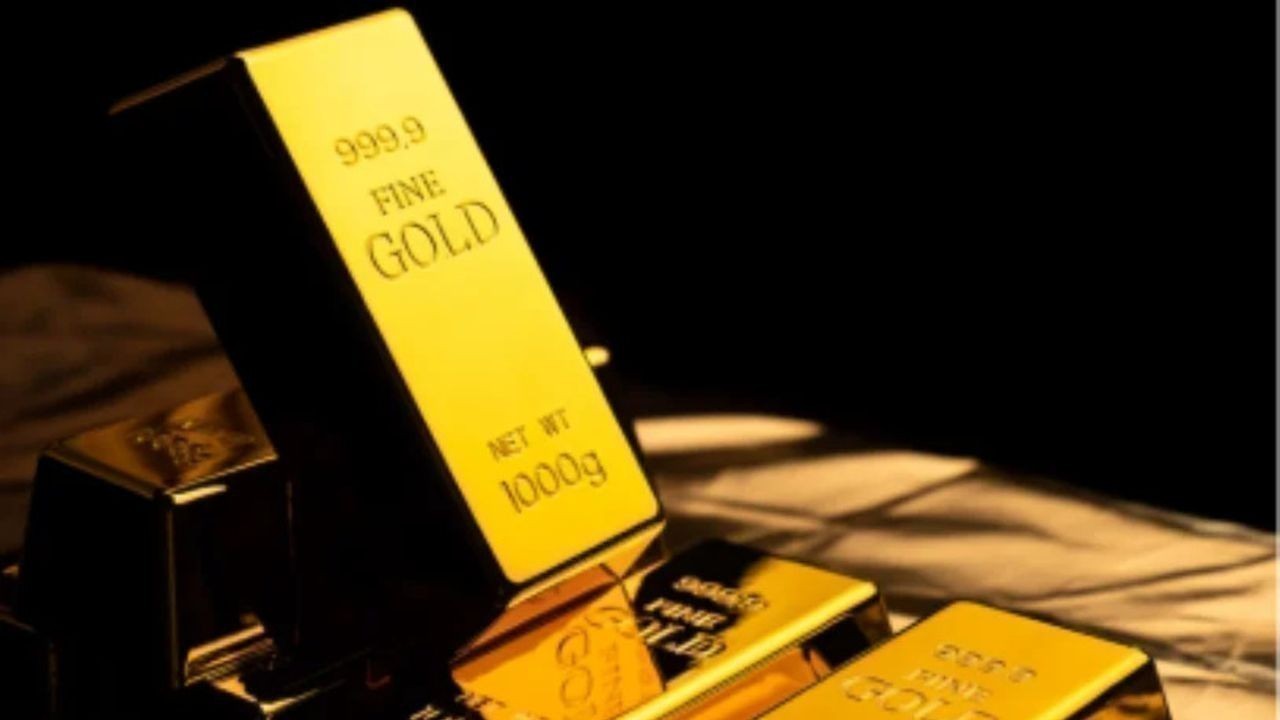
UAE Gold Prices Today, Monday 16 February 2026: Dubai & Abu Dhabi Updated Rates
Gold prices in UAE on 16 Feb 2026 updated: 24K around AED 599.75/gm, 22K AED 555.25/gm, and 18K AED
Over 25 Ahmedabad Schools Receive Bomb Threat Email, Authorities Investigate
More than 25 schools in Ahmedabad evacuated after bomb threat emails mentioning Khalistan. Authoriti