Post by : Sam Jeet Rahman
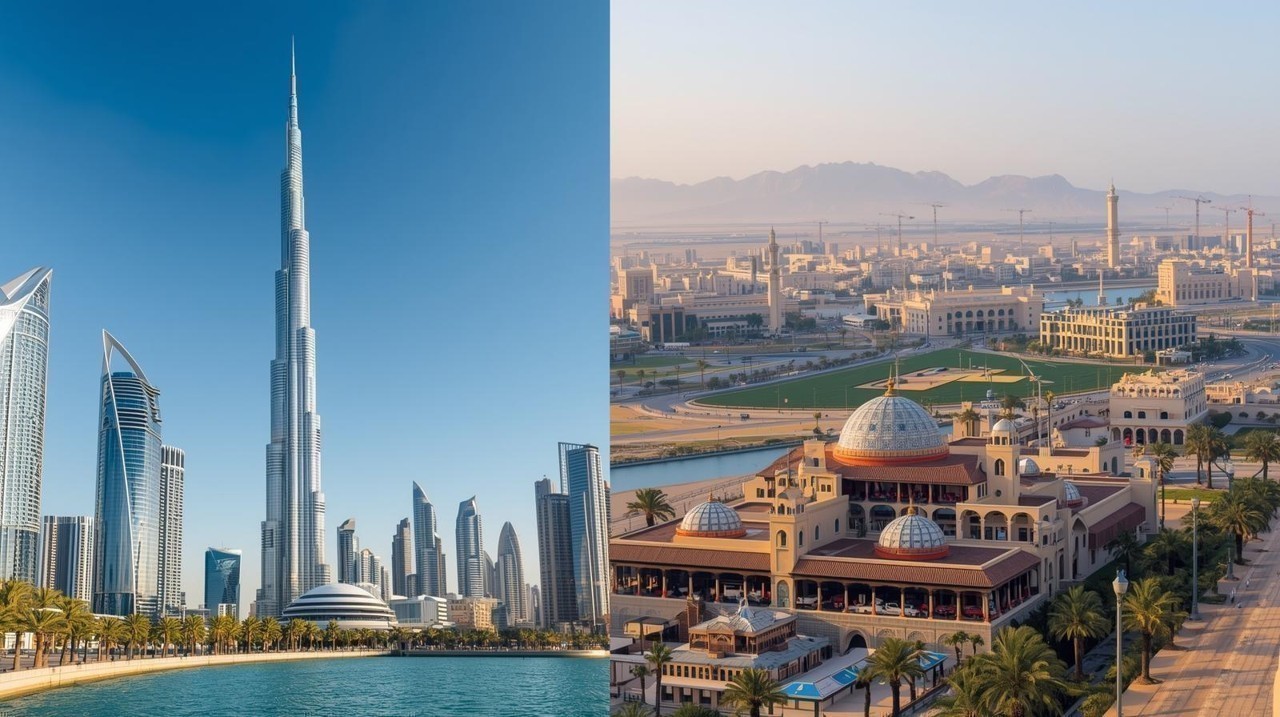
The real estate markets in the Gulf Cooperation Council (GCC) region have seen remarkable growth over the past decade, led by two powerhouses — Dubai in the UAE and Riyadh in Saudi Arabia. Both cities are experiencing a wave of investment, infrastructure expansion, and population growth, but when it comes to long-term returns over the next ten years, which city stands out as the better bet for investors?
Let’s take a closer look at both real estate markets — their economic drivers, growth potential, and investment outlook — to understand where your money might grow faster.
Dubai has built its economy around global trade, tourism, and finance. The emirate’s “Dubai Economic Agenda D33”, launched to double the economy in the next decade, is attracting foreign investors through relaxed visa laws, 100% foreign ownership, and an investor-friendly tax regime.
Dubai’s business-friendly environment and world-class infrastructure continue to attract entrepreneurs, expatriates, and corporations, all of which fuel housing demand and capital appreciation.
Riyadh is undergoing one of the most ambitious transformations in modern history. Saudi Vision 2030 aims to reduce dependence on oil and transform the capital into a global business hub. The Saudi government is investing billions into mega projects like King Salman Park, Diriyah Gate, and Qiddiya, which are redefining the city’s landscape and creating enormous real estate potential.
The Public Investment Fund (PIF) is also playing a massive role in driving urban growth, making Riyadh a rising star for long-term investors.
Verdict: Both cities have strong policy backing, but Riyadh’s transformation is newer, meaning higher growth potential, while Dubai offers more stability and mature returns.
Dubai’s property prices surged by over 20% year-on-year in 2023 and continued strong into 2024–2025. Luxury villas and waterfront apartments remain in high demand, particularly in areas like Palm Jumeirah, Downtown Dubai, and Dubai Marina.
However, Dubai’s market is cyclical — it tends to heat up quickly during booms and cool off sharply during global slowdowns. Yet, the city’s ability to rebound makes it one of the world’s most resilient real estate destinations.
Riyadh’s residential and commercial property prices have seen steady growth — averaging 7–10% annually over the past few years. The government’s plans to grow Riyadh’s population to 15–20 million by 2030 (from around 8 million today) will keep housing demand strong.
The supply pipeline is also expanding, with a focus on smart cities, affordable housing, and mixed-use developments that blend work, leisure, and lifestyle.
Verdict: Dubai offers faster short-term capital gains, while Riyadh presents sustainable, steady appreciation over a decade.
Dubai is known for some of the highest rental yields globally, averaging 6–8% annually depending on the area. Short-term rentals (via platforms like Airbnb) have further boosted income potential, especially around tourist hotspots.
Additionally, there’s no property tax, which enhances net returns for investors.
Riyadh’s rental yields currently range from 4–6%, slightly lower than Dubai’s, but they’re rising steadily as more expatriates relocate for work opportunities. The demand for rental properties is increasing with the influx of multinational companies and government-backed projects.
Saudi Arabia’s introduction of real estate investment trusts (REITs) and regulatory reforms is making the market more accessible to both local and foreign investors.
Verdict: For pure rental income, Dubai currently outperforms Riyadh, but Riyadh’s yields could rise significantly by 2030 as urban expansion accelerates.
Dubai’s real estate market is among the most transparent in the region. It features a well-regulated property registration system, strong investor protections, and high liquidity. The Dubai Land Department (DLD) ensures clear ownership rights, making transactions smooth and reliable.
Saudi Arabia is catching up fast, with new property laws and digital platforms introduced by the Real Estate General Authority (REGA) to boost market transparency. Still, it’s a relatively new investment destination, and processes are not yet as streamlined as Dubai’s.
Verdict: Dubai’s maturity and ease of doing business make it more investor-friendly at present, while Riyadh offers early-stage entry potential with future transparency gains.
Foreigners can buy freehold properties in many areas of Dubai, including Business Bay, Downtown, and Jumeirah Lake Towers. Combined with long-term residence visas for investors, this makes Dubai one of the easiest cities for international buyers.
Saudi Arabia has recently opened its market to foreign property buyers, though with certain restrictions. Foreign ownership is still limited compared to Dubai, but regulations are evolving to encourage more international participation, especially in the commercial sector.
Verdict: Dubai remains the easier entry point for foreign investors today, but Riyadh’s policy reforms could change that in the next decade.
Both Dubai and Riyadh are positioned for strong real estate growth in the next decade, but their trajectories differ:
Dubai’s 10-Year Return Potential:
Stable 6–8% annual ROI from rental and resale gains.
Continued demand from expats, digital nomads, and investors.
Growth driven by sustainability, technology, and tourism.
Riyadh’s 10-Year Return Potential:
Projected 8–10% annual ROI as Vision 2030 projects mature.
Lower entry prices now could mean higher percentage returns later.
Significant long-term value in infrastructure and population growth.
Final Verdict:
If you’re seeking immediate returns and liquidity, Dubai remains the better option. However, for long-term investors willing to hold property for 7–10 years, Riyadh offers stronger appreciation potential as Saudi Arabia’s mega projects and reforms reshape its economy.
Dubai and Riyadh aren’t competitors — they represent two distinct investment opportunities in the GCC. Dubai is a mature, high-yield market ideal for short to medium-term investors, while Riyadh is an emerging growth story for those who believe in the transformative power of Vision 2030.
The smart investor might not have to choose one over the other. A diversified portfolio with assets in both cities could offer the best of both worlds — Dubai’s immediate returns and Riyadh’s long-term upside.

US Stocks Slide as AI Fears, Inflation and Oil Surge Weigh
US stocks dropped as AI disruption fears hit tech firms, inflation rose above forecasts, and oil pri

Pacific Prime Wins Top Honors at Cigna Awards 2026
Pacific Prime secured Top Individual Broker and Top SME Broker awards at Cigna’s Annual Broker Award
QatarEnergy Halts LNG Output After Military Attack
QatarEnergy has stopped LNG production after military attacks hit its facilities in Ras Laffan and M
Strong 6.1 Magnitude Earthquake Hits West Sumatra, No Damage
A 6.1 earthquake struck off West Sumatra, Indonesia. No casualties, damage, or tsunami alert reporte

Saudi Confirms Drone Strike on US Embassy Riyadh
Two drones hit the US Embassy in Riyadh, causing a small fire and minor damage. No injuries were rep
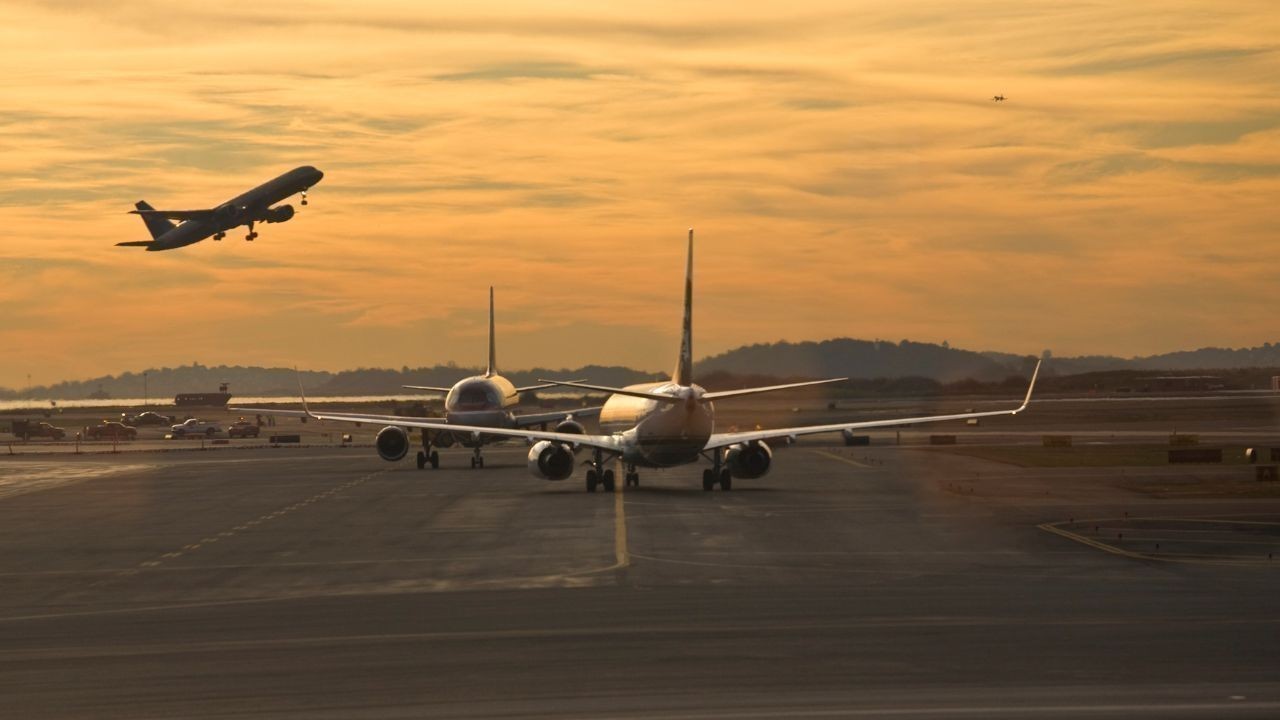
UAE Restarts Limited Flights as Regional Airspace Disruptions Continue
UAE restarts limited flights from Dubai as US-Israel attacks on Iran disrupt regional airspace, forc
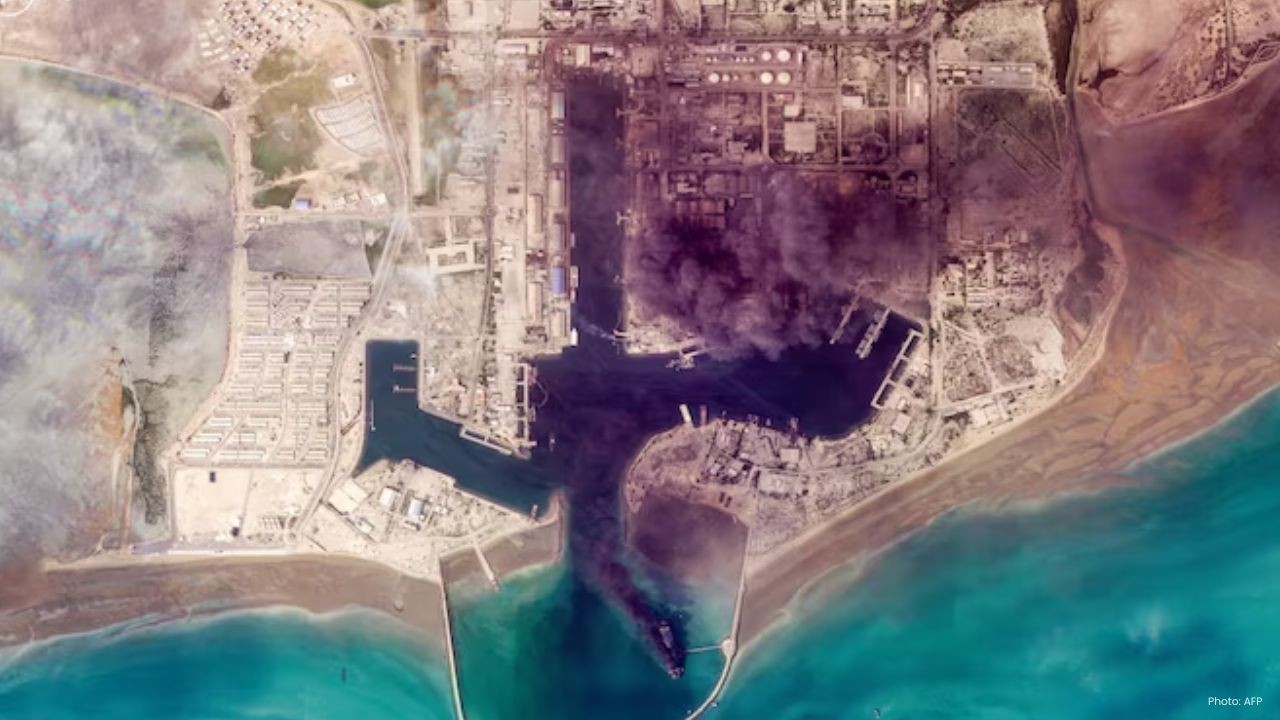
Asia Faces Energy Shock After Iran Closes Strait
Iran shuts Strait of Hormuz amid US-Israel strikes, sending oil prices higher and raising serious en

Bank of Baroda Faces Abu Dhabi Legal Battle over NMC Collapse
Bank of Baroda’s involvement in Abu Dhabi litigation tied to the NMC Healthcare collapse raises repu

Top Museum Openings of 2026 Set to Transform Global Tourism
From Los Angeles to Abu Dhabi and Brussels, 2026 brings major museum launches—Lucas Museum, Guggenhe

UAE Tour Highlights UAE’s Strength in Hosting Global Sports Events
Abu Dhabi Sports Council says the successful UAE Tour reflects the UAE’s leading role in hosting maj
EU Seeks Clarity from US After Supreme Court IEEPA Ruling
European Commission urges full transparency from the US on steps after Supreme Court ruling, emphasi
SpaceX Launches 53 New Satellites for Expanding Starlink Network
SpaceX launches 53 Starlink satellites in two Falcon 9 missions, breaking reuse records and expandin
RTA Awards Contract for Phase II of Hessa Street Upgrade in Dubai
Phase II of Hessa Street Development to add bridges, tunnel, and upgraded intersections, doubling ca

UAE Gold Prices Today, Monday 16 February 2026: Dubai & Abu Dhabi Updated Rates
Gold prices in UAE on 16 Feb 2026 updated: 24K around AED 599.75/gm, 22K AED 555.25/gm, and 18K AED

Over 25 Ahmedabad Schools Receive Bomb Threat Email, Authorities Investigate
More than 25 schools in Ahmedabad evacuated after bomb threat emails mentioning Khalistan. Authoriti