Post by : Sam Jeet Rahman
Dubai’s rental market in 2026 is entering a new adjustment phase. After years of population growth, infrastructure expansion, global investor interest, and rising living standards, rents across many parts of the city are increasing steadily. For tenants, this is no longer a short-term spike but a structural shift that requires understanding, planning, and smart decision-making.
This article explains why rents are rising in 2026, which tenants are most affected, what areas are seeing the biggest changes, how regulations impact increases, and what practical steps tenants can take to manage higher rental pressure.
Dubai’s rent increase is driven by multiple long-term factors rather than a single market event.
Dubai continues to attract professionals, entrepreneurs, remote workers, and investors. With population growth outpacing new rental supply in certain segments, demand naturally pushes prices upward.
Established communities with strong connectivity, schools, offices, and lifestyle infrastructure are seeing supply saturation, making landlords more confident about increasing rents.
Landlords are facing higher:
Service charges
Maintenance costs
Mortgage rates
Insurance premiums
These costs are increasingly passed on to tenants through rent adjustments.
Tenants now demand better amenities, upgraded interiors, smart home features, and community facilities. Properties offering these features command higher rents.
Not all areas are affected equally. Rent increases vary based on location, unit type, and tenant profile.
Areas like Dubai Marina, Downtown Dubai, JLT, Business Bay, and Palm Jumeirah continue to experience strong demand, particularly for well-maintained units near workplaces and lifestyle hubs.
Locations with schools, parks, and healthcare access such as Dubai Hills, JVC, Mirdif, and Arabian Ranches are seeing steady rent appreciation due to family relocation demand.
Newer areas with improving infrastructure may show moderate increases, but rapid development can still keep rents relatively competitive compared to core zones.
Dubai has clear rental regulations, but many tenants misunderstand them.
Rent increases are regulated through the RERA Rental Index, which determines:
Whether a landlord can increase rent
The maximum percentage allowed
If the current rent is significantly below market average, landlords may be allowed to increase it within defined limits.
Landlords must provide 90 days’ written notice before contract renewal if they plan to increase rent or change terms.
Rent hikes beyond RERA limits or without proper notice are not legally enforceable.
Understanding these rules empowers tenants during negotiations.
Certain tenant groups are feeling the pressure more than others.
Tenants who have lived in the same unit for several years often face sharper increases because their rent may be far below current market rates.
Families tied to specific school locations have limited relocation flexibility, reducing negotiation leverage.
Tenants earning stable but non-adjusting incomes are squeezed between rising rents and unchanged salary structures.
Those on annual or project-based contracts face uncertainty when rents rise faster than income stability.
Even modest percentage increases feel heavy due to compounding expenses.
Increases in utilities, fuel, schooling, healthcare, and groceries reduce disposable income, making rent hikes harder to absorb.
Some landlords are reducing the number of cheques or insisting on fewer payment installments, increasing cash flow pressure.
Relocation costs, agent fees, deposits, and Ejari charges discourage tenants from moving, even when rent rises significantly.
Despite market strength, tenants still have negotiation opportunities.
Reliable tenants with:
On-time payment history
Good maintenance records
Long-term stay intentions
Have stronger negotiation positions.
Tenants can negotiate:
More cheques instead of fewer
Minor upgrades instead of rent reduction
Fixed multi-year agreements
Landlords often prefer stability over frequent turnover.
Renewal negotiations during lower-demand seasons can yield better results.
Many tenants are adapting rather than exiting.
Some tenants are moving from larger units to more compact layouts within the same community to maintain lifestyle access.
Professional tenants increasingly opt for co-living or shared accommodations to manage rising costs.
Hybrid work allows tenants to move slightly farther from central hubs without daily commuting pressure.
New renters entering the Dubai market in 2026 face a different reality.
Entry-level apartments now cost significantly more than pre-2024 averages.
Landlords are becoming more selective, favoring stable employment and longer-term commitments.
High-demand listings receive multiple inquiries, reducing negotiation windows.
Prepared renters secure better deals.
Rent increases affect more than finances.
Housing insecurity creates mental pressure, especially for families and expats without long-term residency certainty.
Tenants may reduce leisure spending, travel, or savings to accommodate higher housing costs.
Frequent moves disrupt social stability and daily routines.
Planning reduces emotional strain.
Proactive planning is essential.
Tenants should treat rent as a priority fixed cost and adjust discretionary spending early.
Maintaining at least 3–6 months of expenses provides protection against sudden increases.
Exploring side income or salary renegotiation before renewal season reduces pressure.
Some tenants explore ownership as rents rise.
Long-term stay plans
Stable income
Ability to manage upfront costs
Ownership can stabilize housing costs, but it is not suitable for everyone.
Career mobility needs
Uncertain residency timelines
Preference for flexibility
Decision should be financial, not emotional.
Dubai’s rental market is maturing.
Short-term volatility is reducing
Long-term pricing stability is improving
Quality properties retain value
Tenants who adapt strategically will manage costs better than those reacting late.
Check RERA index before renewal
Track market rents in your area
Start negotiations early
Keep documentation organized
Maintain good landlord relationships
Preparation creates leverage.
Dubai’s rent increases in 2026 reflect the city’s growth, desirability, and evolving lifestyle standards. While higher rents create pressure, knowledge, timing, and planning give tenants control. Those who understand regulations, assess options calmly, and plan finances proactively will navigate the market far more confidently.
Renting in Dubai is no longer passive—it is a strategic decision.
This article is for general informational purposes only and does not constitute legal, financial, or real estate advice. Rental regulations, market conditions, and individual circumstances may vary. Tenants are advised to verify current rules with official authorities or consult qualified real estate professionals before making housing decisions.

US Stocks Slide as AI Fears, Inflation and Oil Surge Weigh
US stocks dropped as AI disruption fears hit tech firms, inflation rose above forecasts, and oil pri

Pacific Prime Wins Top Honors at Cigna Awards 2026
Pacific Prime secured Top Individual Broker and Top SME Broker awards at Cigna’s Annual Broker Award
QatarEnergy Halts LNG Output After Military Attack
QatarEnergy has stopped LNG production after military attacks hit its facilities in Ras Laffan and M

Strong 6.1 Magnitude Earthquake Hits West Sumatra, No Damage
A 6.1 earthquake struck off West Sumatra, Indonesia. No casualties, damage, or tsunami alert reporte

Saudi Confirms Drone Strike on US Embassy Riyadh
Two drones hit the US Embassy in Riyadh, causing a small fire and minor damage. No injuries were rep

UAE Restarts Limited Flights as Regional Airspace Disruptions Continue
UAE restarts limited flights from Dubai as US-Israel attacks on Iran disrupt regional airspace, forc
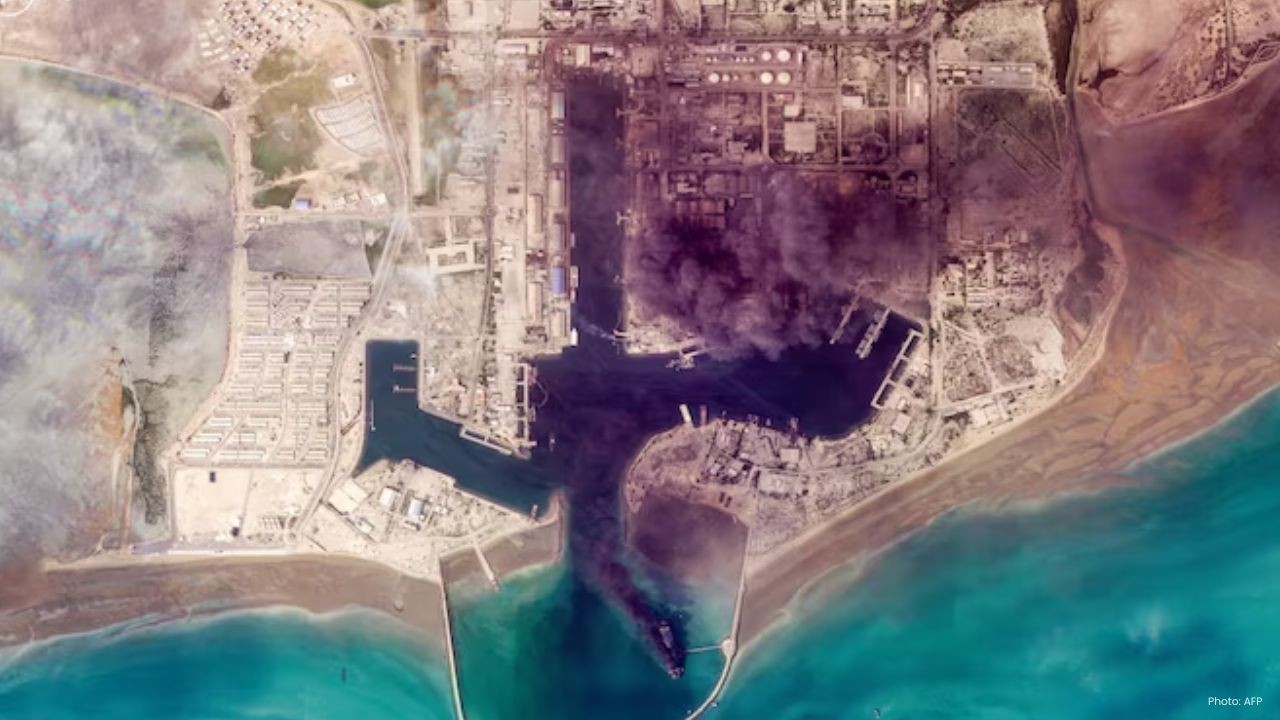
Asia Faces Energy Shock After Iran Closes Strait
Iran shuts Strait of Hormuz amid US-Israel strikes, sending oil prices higher and raising serious en


Bank of Baroda Faces Abu Dhabi Legal Battle over NMC Collapse
Bank of Baroda’s involvement in Abu Dhabi litigation tied to the NMC Healthcare collapse raises repu

Top Museum Openings of 2026 Set to Transform Global Tourism
From Los Angeles to Abu Dhabi and Brussels, 2026 brings major museum launches—Lucas Museum, Guggenhe

UAE Tour Highlights UAE’s Strength in Hosting Global Sports Events
Abu Dhabi Sports Council says the successful UAE Tour reflects the UAE’s leading role in hosting maj
EU Seeks Clarity from US After Supreme Court IEEPA Ruling
European Commission urges full transparency from the US on steps after Supreme Court ruling, emphasi
SpaceX Launches 53 New Satellites for Expanding Starlink Network
SpaceX launches 53 Starlink satellites in two Falcon 9 missions, breaking reuse records and expandin
RTA Awards Contract for Phase II of Hessa Street Upgrade in Dubai
Phase II of Hessa Street Development to add bridges, tunnel, and upgraded intersections, doubling ca

UAE Gold Prices Today, Monday 16 February 2026: Dubai & Abu Dhabi Updated Rates
Gold prices in UAE on 16 Feb 2026 updated: 24K around AED 599.75/gm, 22K AED 555.25/gm, and 18K AED

Over 25 Ahmedabad Schools Receive Bomb Threat Email, Authorities Investigate
More than 25 schools in Ahmedabad evacuated after bomb threat emails mentioning Khalistan. Authoriti