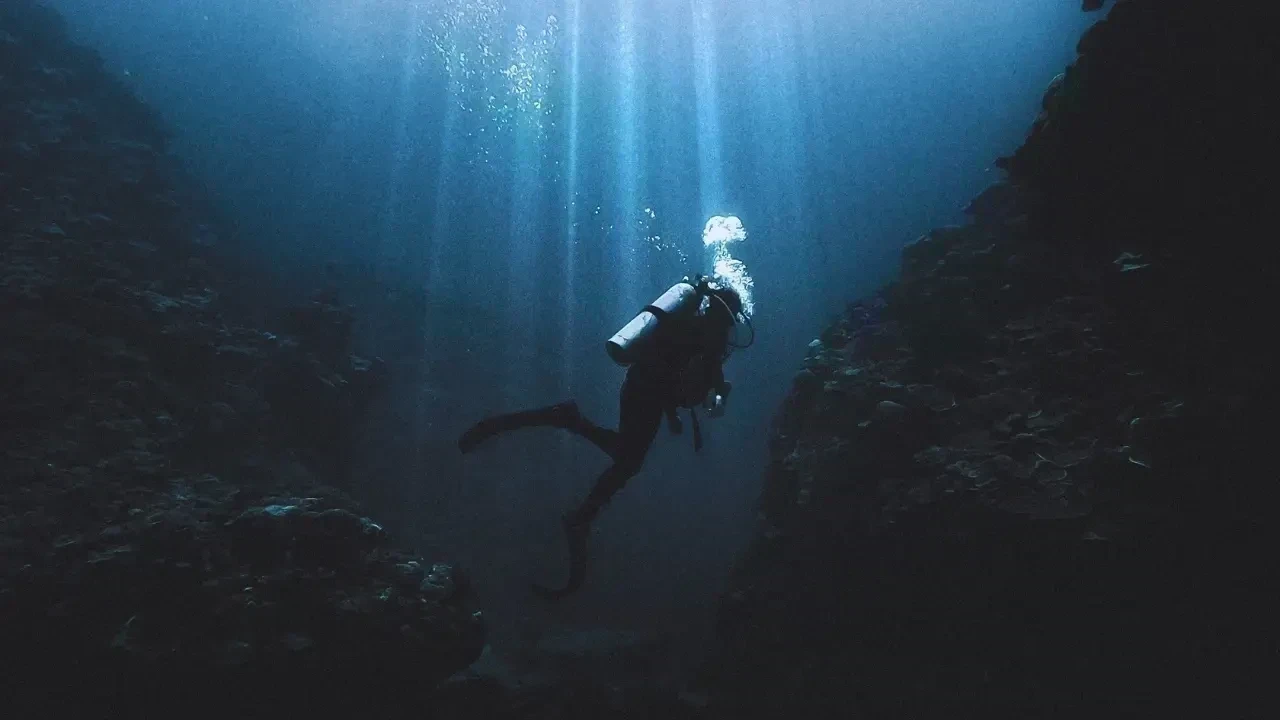
Post by : Anis Karim
The deep ocean, a largely uncharted expanse, is home to environments that resemble alien worlds. At depths nearing 10,000 meters, extreme pressures and total darkness define this realm known as the hadal zone. Scientists continue to explore this underworld, discovering strange organisms and ecosystems that flourish in conditions previously thought uninhabitable.
Despite remarkable advancements in underwater technology, the abyss remains less understood than the Moon. Each dive uncovers extraordinary findings—new species, unheard geological formations, and insights into Earth’s formation.
This article delves into the extreme conditions at 10,000 meters, how life adapts there, and the importance of these discoveries in reshaping our understanding of our planet.
Beginning around 6,000 meters and reaching depths like the Mariana Trench, the hadal zone encompasses an inhospitable environment.
No sunlight penetrates
Temperatures near freezing
Pressures exceeding 16,000 psi
Energy from chemicals, not sunlight
Named for Hades, this extreme environment harbors an array of life forms, waiting to be discovered.
At 10,000 meters, pressure is over a thousand times that at sea level. Only specially designed submersibles can endure such conditions.
Temperature ranges:
1°C to 4°C
Near freezing yet stable
The absence of sunlight complicates survival even further.
Amphipods, resembling small shrimp, thrive at extreme depths, often growing larger due to fewer predators.
Key adaptations include:
Cell membranes resistant to pressure
Reduced metabolic activity
Flexible proteins
Despite their size, they are crucial for the deep-sea ecosystem.
Snailfish, found at depths over 8,000 meters, exhibit remarkable adaptations such as:
Gel-like bodies that withstand compression
Flexible skeletal structures
Scavenging feeding methods
Their translucent bodies enhance their otherworldly aspect.
Deep-sea sea cucumbers play a pivotal role in consuming organic particles that filter down from above, thus maintaining ecological balance.
Microbial life thrives at these depths, utilizing:
Methane
Hydrogen
Sulfur compounds
Metals from hydrothermal sources
Their study helps reshape our comprehension of life's potential in extreme conditions.
The ocean’s deepest spots lie at tectonic plate boundaries, characterized by:
Seismic activities
Geological complexities
Continual reshaping of Earth's crust
These trenches open pathways to Earth's interior.
While common at mid-ocean ridges, hydrothermal vents at trench depths provide:
Unique bacterial colonies
Specialized minerals
Insights into early life evolution
Slow sedimentation at 10,000 meters creates layers preserving:
Ancient minerals
Microfossils
Volcanic remnants
Climate indicators
This natural archive aids researchers in piecing together Earth's historic landscape.
Exploring these depths requires technology capable of enduring immense pressures, limiting exploration to a few specialized submersibles.
Deep-sea explorations necessitate:
Unique vessels
Advanced robotic systems
Durable instruments
These factors significantly raise the cost of exploration.
The deep ocean's vastness continues to challenge our exploration efforts, with over 80% remaining unmapped.
Microbial extremophiles shed light on:
Origins of life
Life's adaptability
Potential for extraterrestrial life
The deep seas store substantial amounts of:
Carbon
Heat
Nutrients
Understanding ocean dynamics is essential to anticipate climate changes.
Unique compounds from deep-sea inhabitants may have potential uses in:
Medical treatments
Biotechnological innovations
Industrial applications
As pressure and darkness intensify, the conditions at these depths exceed even more extreme limits. Researchers speculate microbial life could exist even deeper.
Every new mission yields discoveries, reaffirming that the ocean depths hold countless secrets waiting to be unveiled.
The depths 10,000 meters below the ocean surface represent one of Earth’s last unexplored terrains. This realm is characterized by extreme conditions—immense pressure, utter darkness, frigid temperatures, and resilient life forms. Though exploration has been limited, current knowledge continues to challenge our understanding of biology, geology, and the evolution of life.
The unique creatures and ecosystems illuminate life's adaptations to harsh environments, while geological features reveal insights into Earth's mechanisms. Meanwhile, microbial communities offer potential clues for life’s existence on other planets.
As we advance technologically and the thirst for knowledge grows, the mysteries of the abyss will continue to emerge. However, for now, it remains a domain of enigma, serving as a reminder that our planet still contains vast unexplored territories yearning to be discovered.
This article is for educational and informational purposes only.

US Stocks Slide as AI Fears, Inflation and Oil Surge Weigh
US stocks dropped as AI disruption fears hit tech firms, inflation rose above forecasts, and oil pri

Pacific Prime Wins Top Honors at Cigna Awards 2026
Pacific Prime secured Top Individual Broker and Top SME Broker awards at Cigna’s Annual Broker Award

QatarEnergy Halts LNG Output After Military Attack
QatarEnergy has stopped LNG production after military attacks hit its facilities in Ras Laffan and M
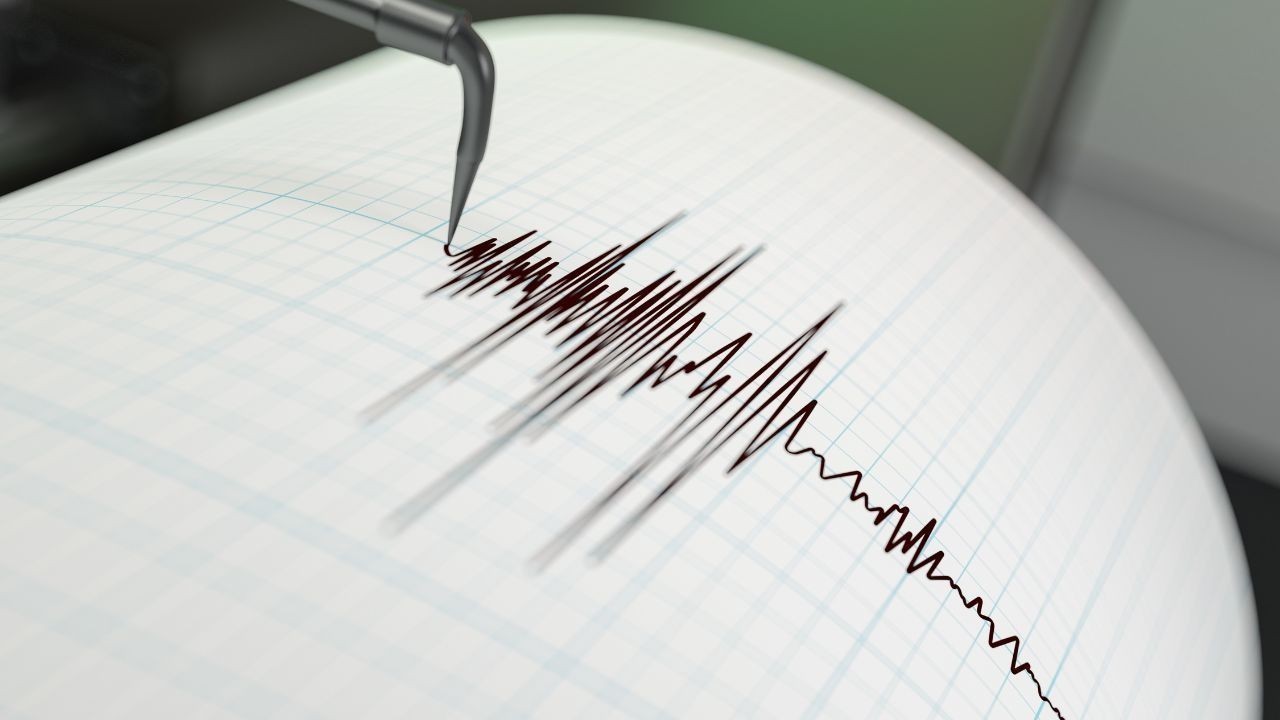
Strong 6.1 Magnitude Earthquake Hits West Sumatra, No Damage
A 6.1 earthquake struck off West Sumatra, Indonesia. No casualties, damage, or tsunami alert reporte

Saudi Confirms Drone Strike on US Embassy Riyadh
Two drones hit the US Embassy in Riyadh, causing a small fire and minor damage. No injuries were rep

UAE Restarts Limited Flights as Regional Airspace Disruptions Continue
UAE restarts limited flights from Dubai as US-Israel attacks on Iran disrupt regional airspace, forc
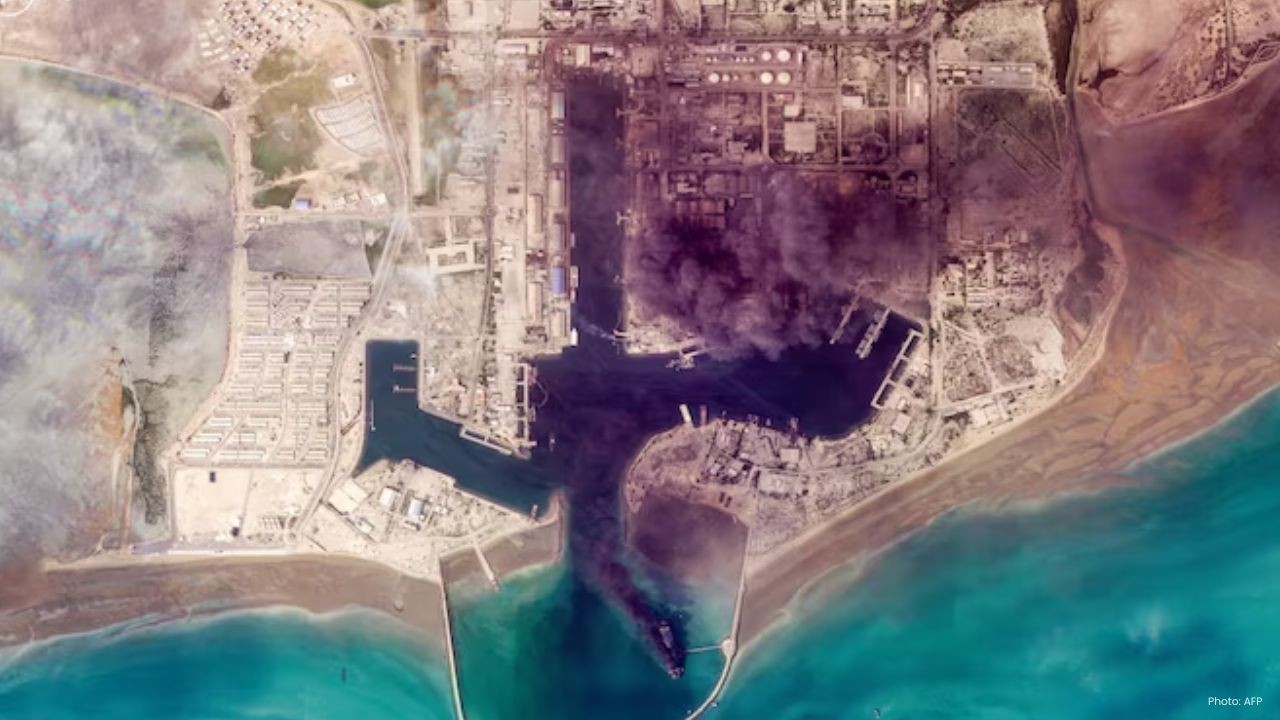
Asia Faces Energy Shock After Iran Closes Strait
Iran shuts Strait of Hormuz amid US-Israel strikes, sending oil prices higher and raising serious en


Bank of Baroda Faces Abu Dhabi Legal Battle over NMC Collapse
Bank of Baroda’s involvement in Abu Dhabi litigation tied to the NMC Healthcare collapse raises repu

Top Museum Openings of 2026 Set to Transform Global Tourism
From Los Angeles to Abu Dhabi and Brussels, 2026 brings major museum launches—Lucas Museum, Guggenhe

UAE Tour Highlights UAE’s Strength in Hosting Global Sports Events
Abu Dhabi Sports Council says the successful UAE Tour reflects the UAE’s leading role in hosting maj

EU Seeks Clarity from US After Supreme Court IEEPA Ruling
European Commission urges full transparency from the US on steps after Supreme Court ruling, emphasi

SpaceX Launches 53 New Satellites for Expanding Starlink Network
SpaceX launches 53 Starlink satellites in two Falcon 9 missions, breaking reuse records and expandin

RTA Awards Contract for Phase II of Hessa Street Upgrade in Dubai
Phase II of Hessa Street Development to add bridges, tunnel, and upgraded intersections, doubling ca

UAE Gold Prices Today, Monday 16 February 2026: Dubai & Abu Dhabi Updated Rates
Gold prices in UAE on 16 Feb 2026 updated: 24K around AED 599.75/gm, 22K AED 555.25/gm, and 18K AED

Over 25 Ahmedabad Schools Receive Bomb Threat Email, Authorities Investigate
More than 25 schools in Ahmedabad evacuated after bomb threat emails mentioning Khalistan. Authoriti