
Post by : Anis Karim
In the ever-expanding skyline of modern cities, high-rise buildings stand as emblems of urban progress. They promise panoramic views, cutting-edge amenities, and accommodation for thousands, all within vertical towers. Yet beneath this shimmering veneer lies a contentious debate: do high-rise societies foster a sense of community, or do they breed isolation among their residents?
As urban populations climb and land becomes scarce, high-rises have become a vital housing solution from Mumbai and Singapore to New York and Dubai. But at what cost to the social fabric? This article delves into the psychological nuances, resident experiences, and design philosophies shaping the high-rise experience.
High-rises are not merely architectural feats; they are responses to the urgent demands of urbanization. By stacking homes skyward, cities maximize limited ground space. High-rises answer the call for affordable housing, close proximity to workplaces, and all-in-one amenities—from gyms to mini-malls.
In the last decade, these structures have rapidly redefined city skylines across the globe. For many, the high-rise is a symbol of ambition and upward mobility. For others, it signals the retreat from traditional community living and the birth of vertical neighborhoods.
Social planners and architects often extol high-rise societies as new-age communities. And indeed, most such developments today advertise gardens, clubhouses, playrooms, and festival events. Yet, the lived reality can be starkly different.
Interviews with residents in cities like Bengaluru, Hong Kong, and Toronto reveal a common refrain: while shared spaces exist, genuine connections can be rare. Inhabitants may see the same faces in elevators daily, yet remain strangers for years.
A high-rise resident’s daily routine is often a solitary affair. From stepping out of a silent apartment into an equally silent corridor, to pressing the elevator button and staring at the gleaming doors—social exchanges are frequently fleeting and awkward. The brief "hello" in a lift rarely evolves into deeper acknowledgment.
Physical and behavioral barriers compound this isolation:
Limited Shared Spaces: While amenities are plenty, their use is often staggered—reducing spontaneous interaction.
Noise Concerns: To avoid complaints, residents may eschew gatherings or celebrations.
Privacy Prioritized: Many chose high-rises for anonymity and personal space, inadvertently undermining community interaction.
Several studies underline an important finding: high-rise dwellers, particularly those in higher-level units, often report greater feelings of loneliness compared to those in lower or more horizontally structured homes.
Unlike ground-level societies, where a neighbor’s door or window is just a shout away, high-rises segment residents by not just walls, but by entire floors. The sheer vertical distance—ten or twenty storeys—can be psychologically discouraging for spontaneous visits or casual drop-ins.
Children, who might have played in front yards in years past, now frequent indoor playrooms or the limited green spaces between towers, often under adult supervision. Senior citizens, too, may find high-rise societies overwhelming and physically challenging to navigate, especially where staircases are replaced by elevators.
In the attempt to foster community, many high-rises create Whatsapp groups or Facebook pages. While these platforms facilitate announcements and the occasional borrowing of sugar, they seldom translate into meaningful in-person connections. A building of 500 flats, with families cautiously minding their own business, cannot match the warmth of traditional neighborhoods.
Not all high-rises are created equal. Forward-thinking architects and urban planners are exploring ways to counteract the vertical malaise.
New designs emphasize open spaces, sky-lounges, rooftop gardens, and wide walkable corridors. When well-maintained and thoughtfully integrated, these can foster spontaneous meetings—a crucial ingredient for community formation.
By incorporating shops, eateries, and workspaces into the lower floors, mixed-use towers increase foot traffic and opportunities for socialization, making the building feel like a bustling mini-town.
Seating nooks near elevators, transparent lobbies, and communal kitchens are used to subtly encourage neighbors to linger and interact.
COVID-19 lockdowns brought the issue into stark focus. Families, confined in small apartments, felt the mental strain of isolation acutely. Corridors transformed from zones of avoidance to lifelines for distanced hellos, and balcony conversations became a soothing ritual.
Yet, in well-managed societies, community leaders leveraged digital groups to support vulnerable residents, coordinate deliveries, and keep children engaged virtually. For many, it was the first real contact with neighbors.
In a striking experiment, a group of high-rise residents in Delhi started a “doorstep dinner club,” rotating homemade meals with their immediate neighbors once a week. Over months, this expanded floor-wide, and genuine friendships blossomed. The experiment underscores one thing: community spirit can be cultivated—but it requires intent and persistence.
Research shows that residents of lower floors, closer to entrances and common areas, report greater satisfaction with their neighborly relations. The ease of running into someone on the way to grab groceries or letting children play closer to home has no perfect replacement in the upper echelons.
It isn't all bleak. Many urban professionals choose high-rises for the very isolation critics decry. For women, singles, and families seeking privacy or safety, high-rise societies offer a respite from intrusive neighbors and the gossip that permeates traditional localities.
Modern security, gated entry, and CCTV monitoring reassure parents and working professionals alike.
If high-rises are the future of urban living, are we doomed to solitude? Not necessarily.
Management Initiatives:
Regular cultural events, workshops, and sports tournaments.
Community gardening projects on terraces or balconies.
Transparent and participatory management bodies.
Resident Action:
Newcomers’ get-togethers and “Know Your Neighbor” campaigns.
Open-door evenings, where residents host brief meet-and-greets.
Book swaps, food fests, or hobby clubs in shared spaces.
Policy and Design:
Mandating minimum open interaction areas in new towers.
Encouraging mixed-age and multicultural participation.
The debate around high-rise societies and social isolation is not a matter of black and white. While these vertical structures can foster anonymity, they also hold immense untapped potential for community if designed and managed thoughtfully. It is as much a function of architecture and amenities as it is of will and intent—from developers, managers, and most of all, residents.
In the end, the future of community in high-rise societies will be shaped by those willing to step out of their own doors, quite literally, and greet a neighbor with more than just a passing nod.
This article is for informational and educational purposes only. The views expressed herein are not intended as psychological or architectural advice. Individual experiences may vary based on location, building management, and personal preferences.

US Stocks Slide as AI Fears, Inflation and Oil Surge Weigh
US stocks dropped as AI disruption fears hit tech firms, inflation rose above forecasts, and oil pri

Pacific Prime Wins Top Honors at Cigna Awards 2026
Pacific Prime secured Top Individual Broker and Top SME Broker awards at Cigna’s Annual Broker Award

QatarEnergy Halts LNG Output After Military Attack
QatarEnergy has stopped LNG production after military attacks hit its facilities in Ras Laffan and M

Strong 6.1 Magnitude Earthquake Hits West Sumatra, No Damage
A 6.1 earthquake struck off West Sumatra, Indonesia. No casualties, damage, or tsunami alert reporte

Saudi Confirms Drone Strike on US Embassy Riyadh
Two drones hit the US Embassy in Riyadh, causing a small fire and minor damage. No injuries were rep
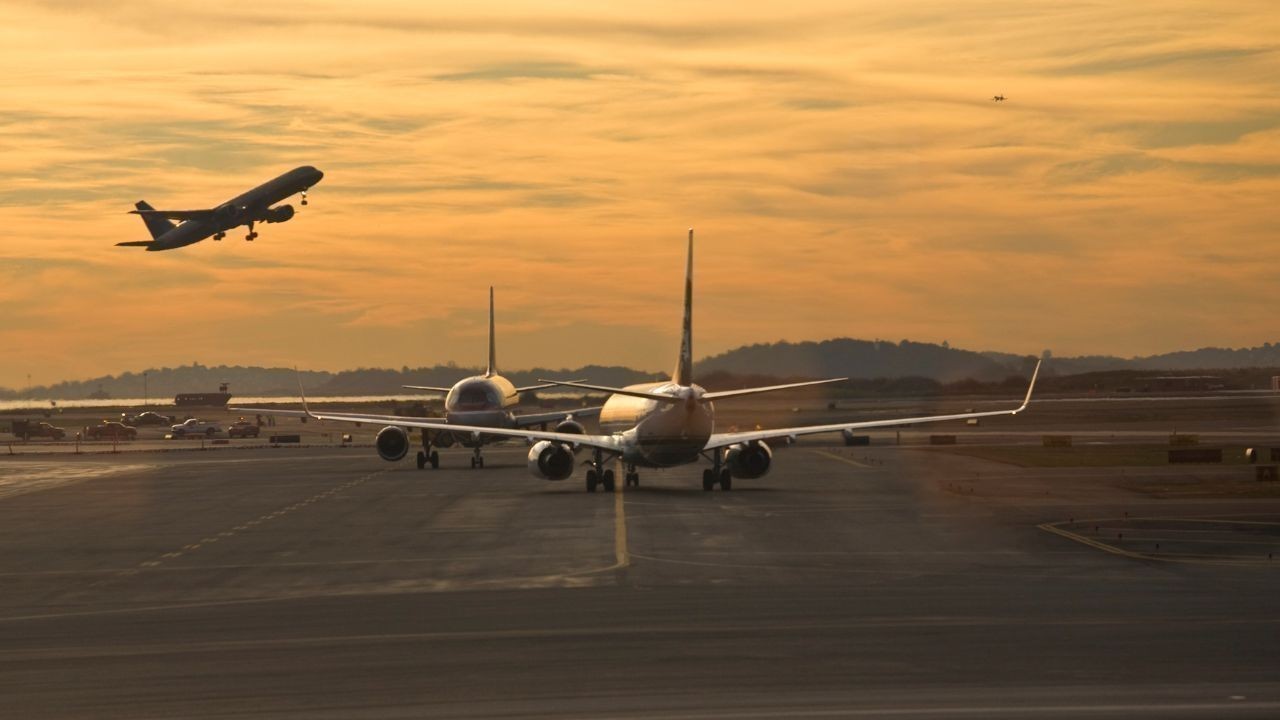
UAE Restarts Limited Flights as Regional Airspace Disruptions Continue
UAE restarts limited flights from Dubai as US-Israel attacks on Iran disrupt regional airspace, forc

Asia Faces Energy Shock After Iran Closes Strait
Iran shuts Strait of Hormuz amid US-Israel strikes, sending oil prices higher and raising serious en


Bank of Baroda Faces Abu Dhabi Legal Battle over NMC Collapse
Bank of Baroda’s involvement in Abu Dhabi litigation tied to the NMC Healthcare collapse raises repu
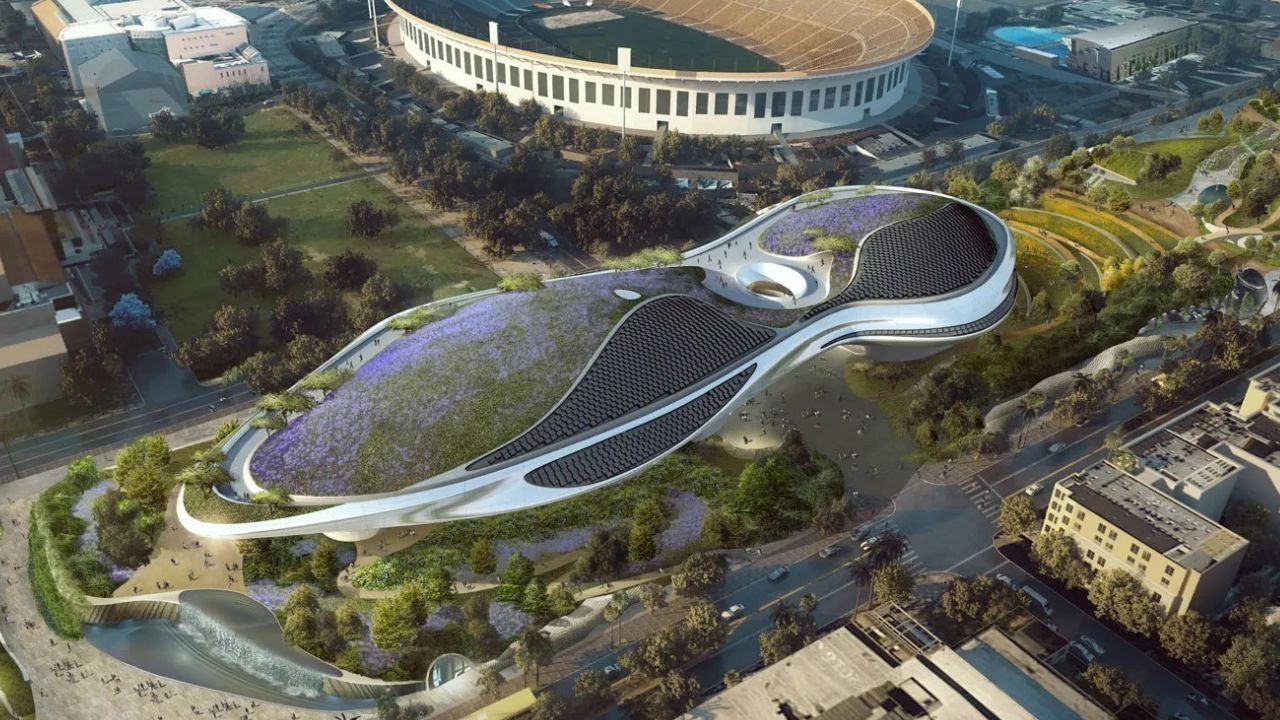
Top Museum Openings of 2026 Set to Transform Global Tourism
From Los Angeles to Abu Dhabi and Brussels, 2026 brings major museum launches—Lucas Museum, Guggenhe

UAE Tour Highlights UAE’s Strength in Hosting Global Sports Events
Abu Dhabi Sports Council says the successful UAE Tour reflects the UAE’s leading role in hosting maj

EU Seeks Clarity from US After Supreme Court IEEPA Ruling
European Commission urges full transparency from the US on steps after Supreme Court ruling, emphasi
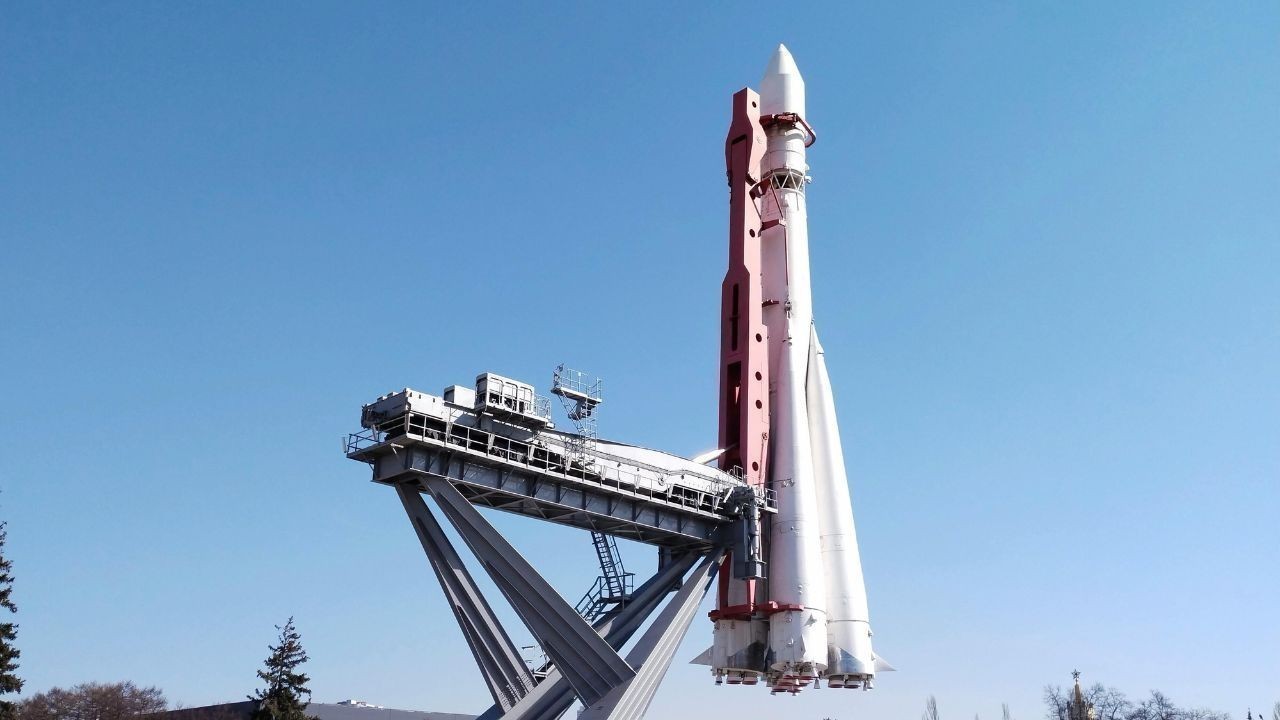
SpaceX Launches 53 New Satellites for Expanding Starlink Network
SpaceX launches 53 Starlink satellites in two Falcon 9 missions, breaking reuse records and expandin
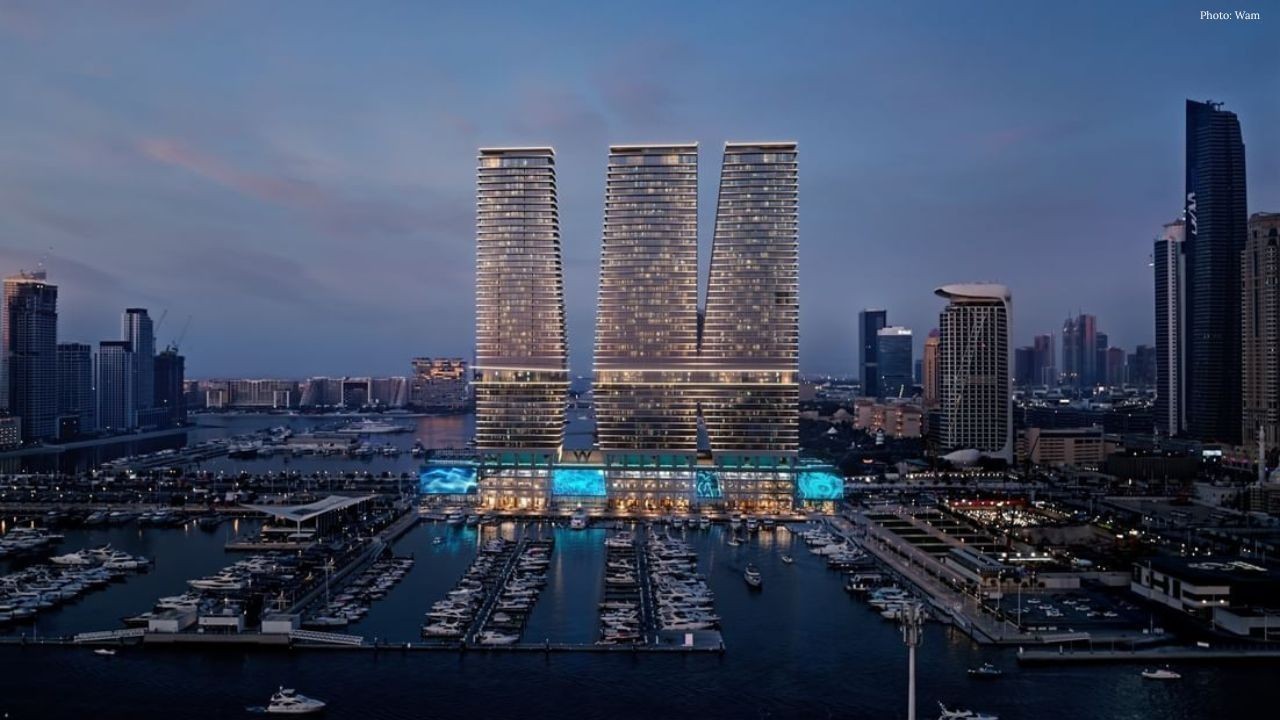
RTA Awards Contract for Phase II of Hessa Street Upgrade in Dubai
Phase II of Hessa Street Development to add bridges, tunnel, and upgraded intersections, doubling ca

UAE Gold Prices Today, Monday 16 February 2026: Dubai & Abu Dhabi Updated Rates
Gold prices in UAE on 16 Feb 2026 updated: 24K around AED 599.75/gm, 22K AED 555.25/gm, and 18K AED

Over 25 Ahmedabad Schools Receive Bomb Threat Email, Authorities Investigate
More than 25 schools in Ahmedabad evacuated after bomb threat emails mentioning Khalistan. Authoriti