Post by : Sam Jeet Rahman
Remote work and freelancing are no longer temporary trends. In 2026, they have become permanent work models across industries such as IT, digital marketing, design, consulting, content creation, finance, and online education. Recognising this global shift, many countries have introduced long-stay tourist visas, digital nomad visas, and remote work permits that legally allow foreign professionals to live in the country while earning income from outside sources. These visas are designed to boost local economies without impacting domestic job markets. This article provides a professionally structured, up-to-date, and detailed overview of countries offering such visas, explaining eligibility, duration, lifestyle benefits, and who each option is best suited for.
A long-stay tourist or digital nomad visa allows individuals to reside in a country for an extended period, usually ranging from 6 months to 2 years, while working remotely for foreign employers or clients. Unlike traditional tourist visas, these permits explicitly allow online work and are legally recognised by immigration authorities. Most programs require applicants to prove steady income, valid health insurance, accommodation arrangements, and a clean legal background. Some visas also allow renewals and may offer pathways to longer-term residency.
Governments benefit from long-stay remote workers because they spend locally on rent, food, transport, and services without competing for local employment. These visas also help countries attract skilled professionals, boost tourism beyond peak seasons, and promote cultural exchange. For freelancers and remote employees, these visas offer legal stability, better quality of life, and the freedom to work globally.
Spain offers a well-structured digital nomad visa designed for remote workers and freelancers earning income from outside Spain. The visa initially allows residence for one year and can be renewed, eventually permitting long-term stay. Spain is popular due to its strong infrastructure, vibrant cities, Mediterranean lifestyle, and access to the wider European region. Applicants generally need to show consistent income, professional qualifications or experience, health insurance, and accommodation proof. This visa suits professionals looking for a balance between work, culture, and leisure.
Portugal’s remote work visa allows eligible individuals to live in the country for extended periods while working remotely. The country is known for its safety, affordable lifestyle compared to Western Europe, and welcoming attitude towards foreigners. Remote workers benefit from modern coworking spaces, stable internet, and relaxed living. The visa can be renewed and may lead to longer-term residence for those who qualify. Portugal is especially attractive to freelancers seeking European residency options without extremely high costs.
Estonia was among the first countries to formally recognise digital nomads. Its digital nomad visa allows remote professionals to stay for up to one year while continuing their overseas work. Estonia is known for its advanced digital infrastructure, transparent systems, and efficient public services. This option is particularly suitable for tech professionals, startup founders, and digital entrepreneurs who value efficiency and innovation.
Croatia offers a temporary stay permit specifically for digital nomads, allowing residence for up to 18 months. The visa is designed for individuals who work remotely for non-Croatian companies or clients. Croatia appeals to those seeking scenic coastal living, historical cities, and a slower pace of life. The program also exempts foreign income from local taxation in many cases, making it financially attractive for freelancers.
Greece provides a long-stay digital nomad visa that allows remote workers to live in the country for up to one year with the possibility of extension. With its rich history, warm climate, and comparatively affordable living costs, Greece has become a strong option for remote professionals. Applicants typically need to demonstrate sufficient income, valid health insurance, and accommodation arrangements. This visa is ideal for those who want a Mediterranean lifestyle combined with cultural depth.
Hungary’s White Card program allows remote workers to stay for up to one year while working online for employers or clients outside Hungary. Budapest, in particular, offers a vibrant lifestyle with lower living costs compared to many European capitals. This visa suits professionals who want to experience Central Europe while maintaining their remote income.
Several other European countries have introduced or expanded long-stay remote work options. These programs usually offer one-year residence permits with renewal possibilities. They appeal to freelancers who want access to European culture and travel opportunities while avoiding the high costs of Western Europe.
Brazil offers a digital nomad visa that allows remote workers and freelancers to stay for up to one year, with renewal options. The country attracts professionals due to its cultural diversity, relatively low cost of living, and dynamic cities. Brazil is particularly appealing to freelancers seeking a vibrant lifestyle combined with affordable daily expenses.
Costa Rica’s digital nomad visa allows remote workers to stay for extended periods while enjoying the country’s natural beauty and relaxed lifestyle. Known for its focus on sustainability and outdoor activities, Costa Rica attracts professionals who value work-life balance. The visa typically allows one-year stays with extension options.
Panama offers a short-term remote work visa suitable for digital professionals who want to experience Central America while continuing their overseas work. With modern infrastructure, stable internet, and a strategic geographic location, Panama appeals to freelancers seeking convenience and flexibility.
Several Caribbean countries have introduced long-stay remote work visas allowing professionals to live and work remotely for periods ranging from six months to two years. These destinations focus on attracting high-earning remote workers who contribute to local economies. The lifestyle benefits include beaches, warm weather, relaxed living, and strong expat communities. These visas are particularly popular among freelancers looking for a work-from-paradise experience.
Thailand has introduced extended stay options designed for remote workers and freelancers who earn income from abroad. With affordable living costs, excellent internet connectivity, and a well-developed tourism infrastructure, Thailand continues to attract digital professionals. The visa options are suited for those seeking long stays in Southeast Asia with a strong lifestyle appeal.
The UAE offers a virtual work residence permit allowing remote professionals to live in cities such as Dubai while working for overseas employers. The country provides world-class infrastructure, tax-friendly policies, and global connectivity. This option is ideal for professionals seeking a modern, business-friendly environment with high living standards.
Although requirements vary by destination, most long-stay remote work visas require the following
• Proof of stable remote income or freelance earnings
• Valid health insurance covering the host country
• Clean criminal record
• Proof of accommodation
• Valid passport with sufficient validity
Some countries may also require professional qualifications, employment contracts, or business registration documents.
These visas offer legal clarity, allowing professionals to work without violating immigration laws. They provide stability compared to repeated tourist visa runs and often allow family members to accompany the main applicant. Many programs also offer access to local services such as banking, rentals, and healthcare. For freelancers, these visas provide the freedom to choose environments that enhance productivity and quality of life.
Selecting the best destination depends on several factors
• Monthly income and visa eligibility
• Cost of living and lifestyle preferences
• Climate, language, and cultural comfort
• Internet reliability and work infrastructure
• Long-term residency or renewal possibilities
Freelancers focused on savings may prefer Southeast Asia or Latin America, while those seeking long-term European exposure may choose EU countries.
As remote work continues to grow, more countries are expected to introduce or refine long-stay visa programs. Governments are increasingly competing to attract skilled global professionals by offering flexible visa terms, tax incentives, and quality lifestyle benefits. For freelancers and remote workers, 2026 presents more opportunities than ever to legally live and work across borders.
Long-stay tourist and digital nomad visas have transformed how professionals approach work and travel. These programs allow remote workers and freelancers to build international lifestyles without sacrificing legal security or income stability. Whether you prefer European cities, tropical beaches, or modern global hubs, there are now structured visa options that support long-term remote living in 2026.
Visa rules, income thresholds, and eligibility conditions are subject to change. Applicants should always verify the latest requirements through official government or immigration authorities before making travel or relocation decisions.

US Stocks Slide as AI Fears, Inflation and Oil Surge Weigh
US stocks dropped as AI disruption fears hit tech firms, inflation rose above forecasts, and oil pri

Pacific Prime Wins Top Honors at Cigna Awards 2026
Pacific Prime secured Top Individual Broker and Top SME Broker awards at Cigna’s Annual Broker Award
QatarEnergy Halts LNG Output After Military Attack
QatarEnergy has stopped LNG production after military attacks hit its facilities in Ras Laffan and M

Strong 6.1 Magnitude Earthquake Hits West Sumatra, No Damage
A 6.1 earthquake struck off West Sumatra, Indonesia. No casualties, damage, or tsunami alert reporte

Saudi Confirms Drone Strike on US Embassy Riyadh
Two drones hit the US Embassy in Riyadh, causing a small fire and minor damage. No injuries were rep

UAE Restarts Limited Flights as Regional Airspace Disruptions Continue
UAE restarts limited flights from Dubai as US-Israel attacks on Iran disrupt regional airspace, forc
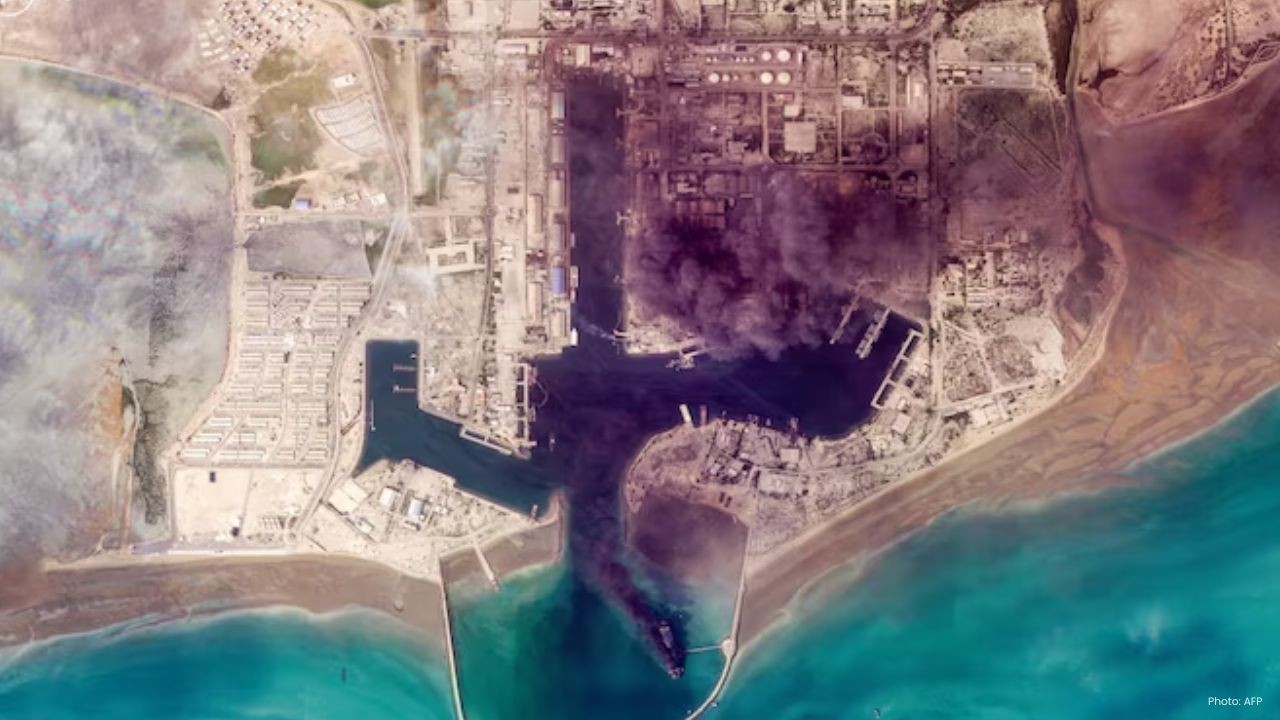
Asia Faces Energy Shock After Iran Closes Strait
Iran shuts Strait of Hormuz amid US-Israel strikes, sending oil prices higher and raising serious en


Bank of Baroda Faces Abu Dhabi Legal Battle over NMC Collapse
Bank of Baroda’s involvement in Abu Dhabi litigation tied to the NMC Healthcare collapse raises repu

Top Museum Openings of 2026 Set to Transform Global Tourism
From Los Angeles to Abu Dhabi and Brussels, 2026 brings major museum launches—Lucas Museum, Guggenhe

UAE Tour Highlights UAE’s Strength in Hosting Global Sports Events
Abu Dhabi Sports Council says the successful UAE Tour reflects the UAE’s leading role in hosting maj
EU Seeks Clarity from US After Supreme Court IEEPA Ruling
European Commission urges full transparency from the US on steps after Supreme Court ruling, emphasi
SpaceX Launches 53 New Satellites for Expanding Starlink Network
SpaceX launches 53 Starlink satellites in two Falcon 9 missions, breaking reuse records and expandin
RTA Awards Contract for Phase II of Hessa Street Upgrade in Dubai
Phase II of Hessa Street Development to add bridges, tunnel, and upgraded intersections, doubling ca

UAE Gold Prices Today, Monday 16 February 2026: Dubai & Abu Dhabi Updated Rates
Gold prices in UAE on 16 Feb 2026 updated: 24K around AED 599.75/gm, 22K AED 555.25/gm, and 18K AED

Over 25 Ahmedabad Schools Receive Bomb Threat Email, Authorities Investigate
More than 25 schools in Ahmedabad evacuated after bomb threat emails mentioning Khalistan. Authoriti